
 By Titik Puspa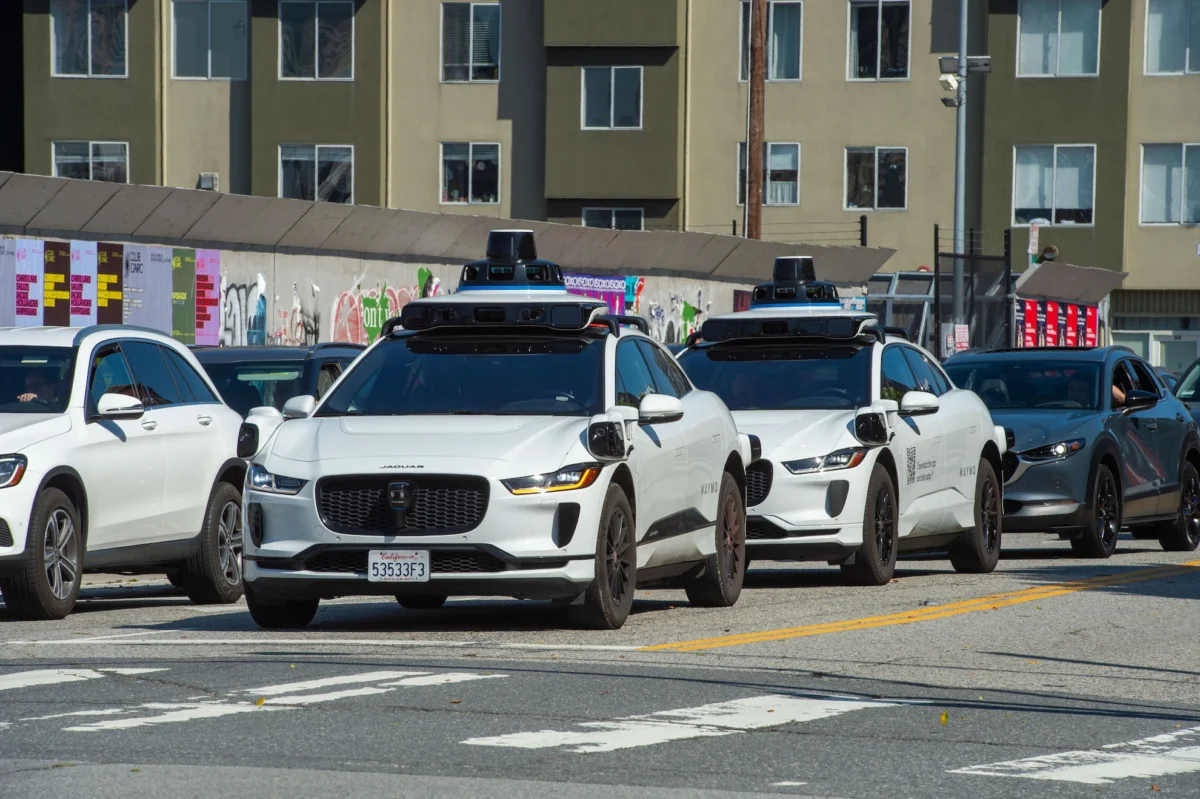
San Francisco, a city once lauded as a premier testbed for emerging technologies, is now grappling with the unintended consequences of its embrace of innovation. Mayor Daniel Lurie, a staunch advocate for the city to pioneer advanced technologies, has found himself at the forefront of a growing concern: the disruption caused by autonomous vehicles (AVs) during extraordinary circumstances. His recent call to state regulators for enhanced rules governing robotaxis underscores a critical inflection point, shifting the narrative from enthusiastic adoption to pragmatic regulation. This comes nearly two weeks after Waymo’s autonomous vehicles stalled en masse during heavy July 4th traffic, depleted their batteries, and effectively paralyzed key city streets, exacerbating an already challenging gridlock situation that impacted thousands of commuters and municipal services.
The incident on July 4th was not an isolated event. Mayor Lurie, in a letter addressed to the California Department of Transportation (Caltrans) and obtained by TechCrunch, meticulously detailed two specific instances that highlighted the vulnerabilities in the current regulatory framework. The first occurred in December during a widespread power outage, and the second, more impactful event, was the July 4th fireworks display, which drew an estimated 100,000 spectators to the city’s waterfront. Both occasions resulted in dozens of stranded Waymo vehicles, contributing significantly to traffic paralysis. The San Francisco Chronicle was the first to report on the mayor’s formal plea to the state.
In his letter, Mayor Lurie articulated a clear and pressing concern: "These events demonstrated that California’s current regulatory framework does not adequately address how autonomous vehicles operate during major incidents, planned or not. California’s challenge now is not just whether autonomous vehicles can operate safely under normal conditions, but also whether they can perform reliably during extraordinary ones." This statement encapsulates the core of the debate, moving beyond the established safety protocols for routine operations to scrutinize the resilience and adaptability of AVs in unpredictable and high-demand scenarios.
Mayor Lurie’s proposed solutions are multifaceted, aiming to imbue AV operations with a greater degree of predictability and responsibility, particularly during times of civic upheaval. He outlined four "core operational capabilities" that autonomous vehicle manufacturers should be mandated to demonstrate. These proposals, submitted to Caltrans, are designed to establish statewide standards and prevent future gridlock incidents like the one experienced on July 4th.
Under Mayor Lurie’s vision, AV companies would be required to implement immediate protocols for removing or relocating their robotaxis from active travel lanes. This is a crucial measure aimed at ensuring the unimpeded flow of traffic, a fundamental necessity for the functioning of a major metropolitan area. The goal is to keep people and essential services moving, even when faced with unexpected surges in demand or disruptions. Furthermore, companies would need to possess the capability to adapt in real-time, dynamically adjusting their routes, operational service areas, and designated pick-up and drop-off locations. This implies a level of sophisticated, AI-driven responsiveness that goes beyond pre-programmed responses.
A significant component of Lurie’s proposal involves enhanced data transparency. He advocates for companies to share real-time operational data with local government agencies. This data would include critical information such as service disruptions, the precise locations of any immobile robotaxis, and details of recovery efforts. Such transparency is vital for city officials to effectively manage traffic, respond to emergencies, and coordinate with AV operators. Finally, companies would be required to provide empirical evidence, through rigorous testing, that their fleets can reliably handle large influxes of people and traffic, demonstrating preparedness for events that significantly strain existing infrastructure.
TechCrunch has reached out to Waymo for comment on these proposals and the recent incidents. The article will be updated once the company provides a response. This proactive approach from a city leader, while embracing the promise of AV technology, also acknowledges the urgent need for robust oversight and accountability.
Operating a robotaxi service in California is a complex undertaking, requiring companies to navigate a rigorous dual permitting process. They must first obtain a testing and deployment permit from the state’s Department of Motor Vehicles (DMV), which governs the safety and operational parameters of AVs on public roads. Concurrently, they need a permit from the Public Utilities Commission (CPUC), which oversees passenger transportation services, ensuring consumer protection and fair market practices. While California’s existing regulatory framework is generally considered more stringent than those in states like Texas and Arizona, this has not deterred numerous companies from pursuing operations within the Golden State.
San Francisco and the broader Bay Area have long been recognized as a global hub for the development and testing of autonomous vehicle technology. This region, stretching south into Silicon Valley, is a fertile ground for innovation, attracting leading companies in the field. Currently, six companies, including industry giants like Nuro, Waymo, and Zoox, hold driverless testing permits. These permits authorize their vehicles to operate on public roads without a human safety operator behind the wheel, a critical step towards fully autonomous transportation.
Beyond testing, the Bay Area has also become a launchpad for commercial robotaxi services. To offer these services to the public, companies must secure additional permits from both the DMV and the CPUC, demonstrating a higher level of operational maturity and safety.
Waymo, a subsidiary of Alphabet Inc., stands as the largest player in the Bay Area’s AV landscape, with an estimated fleet of 1,000 robotaxis currently operating across the region. However, the competitive arena is expanding rapidly. Other companies are either actively testing or are on the cusp of launching their commercial operations. This includes Amazon-owned Zoox, which is making significant strides in the AV space, and a forthcoming premium robotaxi service that will be operated by Uber. Notably, Tesla, while possessing a branded robotaxi service, does not currently utilize fully driverless vehicles in its commercial operations. Its vehicles are equipped with advanced driver-assistance systems (ADAS), and the company operates under a charter transportation permit, which allows its own drivers to pick up and drop off riders throughout San Francisco. This distinction highlights the varying levels of autonomy and regulatory compliance among the companies vying for a stake in the future of urban mobility.
Waymo’s extensive scale of operations has positioned it as a central focus for regulators, not only in San Francisco but also across the broader regulatory landscape. The company reports completing over 500,000 paid rides weekly across the 11 cities where it currently operates. In San Francisco, Mayor Lurie acknowledged that Waymo had agreed to voluntarily restrict its service on July 4th in the vicinity of the waterfront, the area most affected by fireworks and associated crowds. Furthermore, the company had assigned a representative to the city’s emergency center, a gesture of cooperation intended to facilitate better communication and coordination. Despite these agreements, Waymo vehicles found themselves caught in the heavy traffic congestion that extended beyond the designated restricted zones, leading to the immobilizations that precipitated the current regulatory scrutiny.
Mayor Lurie’s emphasis on the inadequacy of voluntary measures signifies a shift in his perspective, directly influenced by the sheer size and operational scope of Waymo’s fleet. He believes that the proposed four-point plan is not intended to hinder the progress of autonomous vehicles but rather to "strengthen them." This assertion suggests a belief that robust regulation will ultimately foster greater public trust and ensure the long-term viability and societal acceptance of AV technology. By addressing the challenges posed by extraordinary events, the city aims to build a more resilient and dependable AV ecosystem. The experience of July 4th has served as a stark reminder that while AVs may excel in predictable environments, their performance during moments of civic congestion and emergency response remains a critical area for development and regulatory oversight. The future of autonomous transportation in San Francisco, and indeed across the nation, hinges on striking a delicate balance between fostering innovation and ensuring public safety and urban functionality.
