
 By admin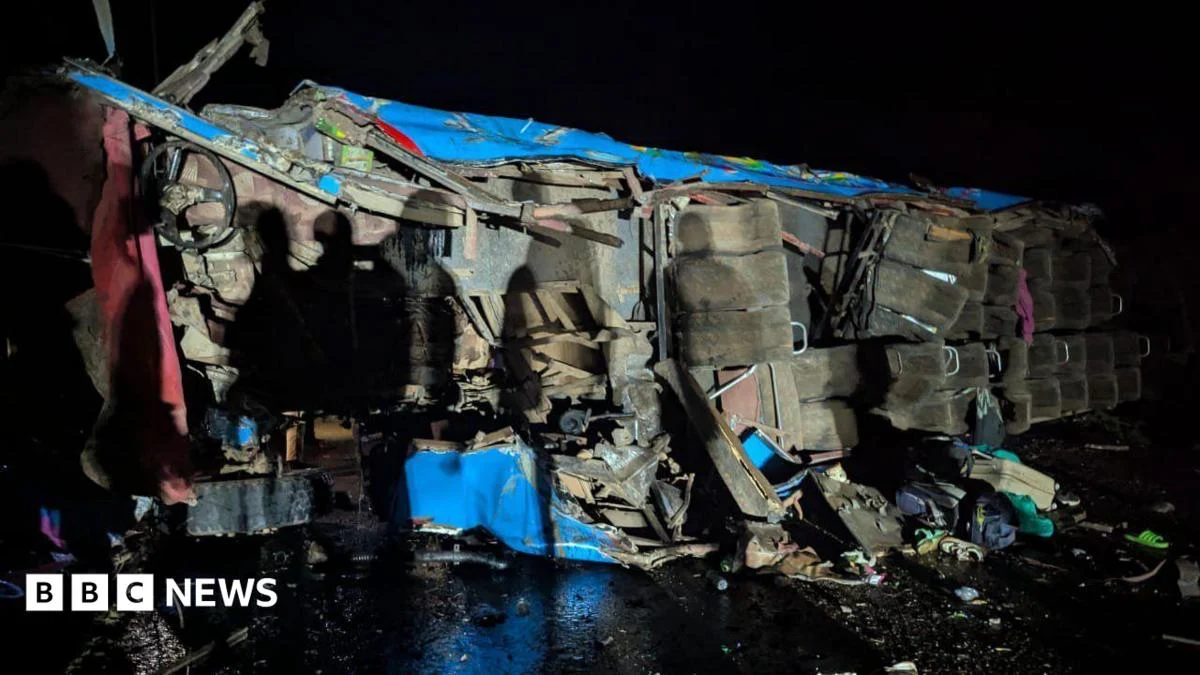
At least 20 schoolchildren and one adult have been killed after a bus carrying pupils on a study trip crashed in eastern Uganda, local officials say, in one of the country’s deadliest road accidents involving children in recent years. The devastating incident occurred on Thursday evening in the Kapchorwa area, sending shockwaves through the nation and igniting renewed calls for urgent action to address the pervasive dangers on Uganda’s roads, particularly concerning school transportation. Dozens of other individuals, including school staff, sustained injuries in the catastrophic collision, with many facing critical medical care.
Preliminary investigations into the crash point towards a potentially catastrophic mechanical failure as the primary culprit. Sources close to the investigation have indicated that the bus suffered a significant mechanical fault, which ultimately led the driver to lose control of the vehicle on Chekwatit Hill. This particular stretch of road has a grim reputation, having been the site of several serious accidents in the past, a fact that local officials have regrettably acknowledged. The police report detailed the harrowing sequence of events: "The driver reportedly lost control of the vehicle, which veered off the road, struck a large stone along the roadside, and overturned." This stark description paints a vivid picture of the sudden and violent nature of the crash.
The ill-fated bus was transporting pupils from King David Junior School, located in Ndejje. The accident took place at approximately 20:00 local time (17:00 GMT) in Chekwatit village, within the Kawowo area. The scale of the loss was profoundly articulated by the Minister of Local Government, Balaam Ateenyi Barugahara, who was present at the scene and shared his grief on X, the social media platform formerly known as Twitter. He posted, "Sadly, 20 children and 1 adult, who happens to be the founder and director, Mr Tadeo Ssekade, have gone to be with the Lord." The mention of Mr. Ssekade, identified not only as a passenger but also as the founder and director of the school, adds a layer of profound personal tragedy to the national disaster, highlighting the deep connection between the school community and its leadership.
Eyewitness accounts and shared videos from the scene depicted the horrific aftermath of the crash, with the bus appearing severely damaged. The footage also captured the immediate and heroic response of local residents, who selflessly rushed to the aid of the injured children, demonstrating remarkable courage and community spirit in the face of overwhelming adversity. These videos, though harrowing, serve as a testament to the immediate human response to such a tragedy.
The schoolchildren were reportedly returning from a study tour, a common and often enriching educational activity for students in Uganda. Local media reports indicate that their destination for this educational excursion was Sipi Falls, a renowned tourist area known for its scenic beauty. The choice of Sipi Falls as a study destination suggests an attempt to provide students with a broader educational experience, encompassing both academic learning and an appreciation for Uganda’s natural heritage. The tragic end to this journey underscores the vulnerability of such educational outings and the critical need for robust safety measures.
The stark reality of Uganda’s road safety crisis is underscored by the fact that the country records thousands of road deaths every year. Traffic authorities consistently cite speeding, the prevalence of poorly maintained vehicles, and the inherent dangers of the road infrastructure as the leading causes of these fatalities. This latest accident is not an isolated incident but a symptom of a deeply ingrained problem. Data from the Uganda Police Force often highlights these contributing factors, with statistics frequently showing a disproportionate number of accidents occurring on major highways and in rural areas where road conditions can be particularly challenging. The lack of adequate road maintenance, coupled with insufficient enforcement of traffic laws, creates a perilous environment for all road users, but particularly for vulnerable groups like schoolchildren.
This latest tragedy comes at a time when concerns over the safety of school transport in Uganda have been escalating. In recent weeks, the country has witnessed a disturbing pattern of serious bus accidents involving educational institutions. This recurring theme of school-related road incidents has amplified public anxiety and placed immense pressure on the government to implement more effective safety protocols. The cumulative effect of these accidents has led to a heightened sense of urgency, with parents, educators, and safety advocates demanding immediate and decisive action. The inadequacy of existing regulations, coupled with lax enforcement, has created a breeding ground for such disasters, leaving many to question the efficacy of current safety frameworks.
The socio-economic implications of such a tragedy are profound. Beyond the immediate grief and trauma experienced by the families of the victims, the loss of young lives represents a significant blow to the nation’s future human capital. Each child lost is a potential doctor, engineer, teacher, or leader whose contributions to Uganda’s development will never be realized. The economic burden of medical care for the injured, coupled with the long-term psychological impact on survivors and communities, will undoubtedly be substantial. Furthermore, the incident is likely to have a chilling effect on parental willingness to allow children to participate in school-related trips, potentially impacting educational opportunities and the broader development of a well-rounded curriculum.
In the wake of this horrific event, calls for stricter enforcement of road safety regulations are intensifying. Experts in transportation safety have long advocated for a multi-pronged approach, including mandatory vehicle inspections, rigorous driver training and licensing, and the implementation of speed limits and traffic calming measures, especially in accident-prone areas like Chekwatit Hill. Professor Sarah Mbabazi, a transportation safety specialist at Makerere University, commented on the recurring nature of such incidents: "Uganda’s road network, while improving in some areas, still presents significant challenges. The issue isn’t solely about the roads themselves, but also the human element – driver behavior, adherence to regulations, and the maintenance of vehicles. For school buses, the stakes are incredibly high, and a zero-tolerance policy on safety violations must be enforced."
The government has, in the past, announced various initiatives aimed at improving road safety, including public awareness campaigns and increased police presence on major roads. However, the persistent occurrence of fatal accidents suggests that these measures have not been sufficient. Critics argue that a more robust legislative framework, coupled with sustained and effective enforcement, is crucial. This includes investing in better infrastructure, developing more comprehensive driver education programs, and holding transport operators accountable for the safety of their fleets. The Ministry of Works and Transport is under immense pressure to demonstrate tangible progress in curbing road fatalities.
The role of the school in ensuring the safety of its students during educational excursions is also under scrutiny. While the primary responsibility for road safety lies with regulatory bodies and enforcement agencies, schools have a duty of care to ensure that the transportation they arrange is safe and reliable. This includes vetting transport providers, ensuring that buses are roadworthy, and confirming that drivers are adequately trained and licensed. The tragic loss of Mr. Tadeo Ssekade, the school’s founder and director, highlights the deep involvement and commitment of the school leadership, but also underscores the devastating impact of such an incident on the entire school community.
The international community often provides support to developing nations in areas such as infrastructure development and road safety. It is plausible that international organizations and development partners could play a role in assisting Uganda with implementing more advanced road safety technologies, training programs, and policy reforms. Sharing best practices from countries that have successfully reduced road fatalities could offer valuable insights and accelerate progress.
As the nation mourns the loss of so many young lives, the incident serves as a grim reminder of the urgent need for a collective commitment to road safety. The vibrant potential of the children lost will forever be a poignant symbol of the human cost of inadequate safety measures. The memory of the 20 schoolchildren and their dedicated director, Mr. Tadeo Ssekade, must serve as a catalyst for meaningful and lasting change, ensuring that no other family has to endure such unimaginable grief due to preventable road accidents. The focus must now shift from sorrow to concrete action, with all stakeholders – government, schools, parents, and the public – working collaboratively to create a safer future for all road users in Uganda. The investigation into the mechanical fault will undoubtedly be crucial, but the broader implications for road safety policy and enforcement are paramount. The long-term impact on the survivors, both physically and psychologically, will also require sustained support and intervention. This tragedy demands a comprehensive and sustained response that prioritizes the lives and well-being of all Ugandans.
