
 By admin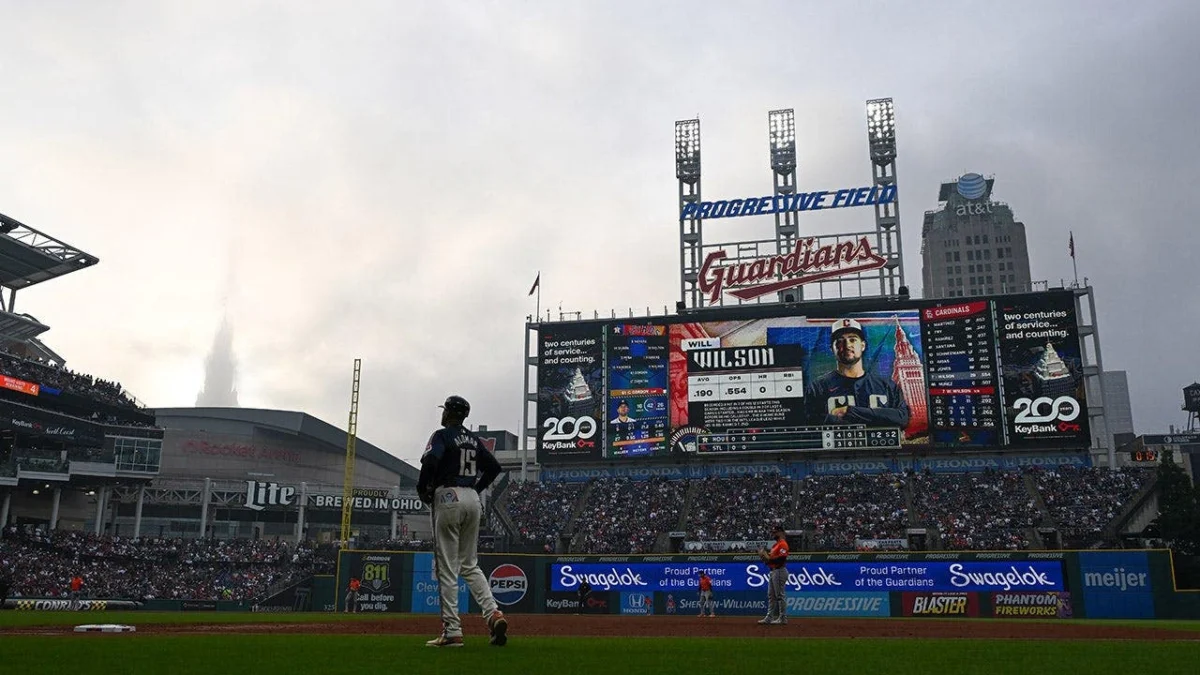
The pervasive smoke emanating from an unprecedented season of Canadian wildfires has cast a thick, orange haze over vast swaths of the northern United States, triggering widespread air quality alerts and forcing significant disruptions to daily life, including the postponement and rescheduling of professional sporting events. Over 100 million Americans across 15 states have been impacted by hazardous air quality conditions, a stark reminder of the far-reaching consequences of climate-driven environmental crises. Health experts are sounding the alarm, emphasizing the severe short-term and long-term health risks associated with inhaling fine particulate matter (PM2.5), the primary pollutant in wildfire smoke. These risks include the exacerbation of pre-existing respiratory conditions like asthma, increased susceptibility to cardiovascular problems, and even a potential link to increased cancer risks with prolonged exposure.
The visual impact of the smoke has been dramatic. Major metropolitan areas from the Midwest to the Northeast have experienced skies described as apocalyptic, with visibility reduced to mere blocks and the sun appearing as a dim, spectral orb. This atmospheric phenomenon has not only impacted outdoor activities but has also created a tangible sense of unease and concern for public health. The Environmental Protection Agency (EPA) has been actively monitoring the situation, issuing advisories and recommending that individuals, particularly those with sensitive health conditions, limit their time outdoors. Air quality indices in many affected regions have soared into the "unhealthy" and "very unhealthy" categories, prompting a surge in demand for N95 masks and air purifiers.
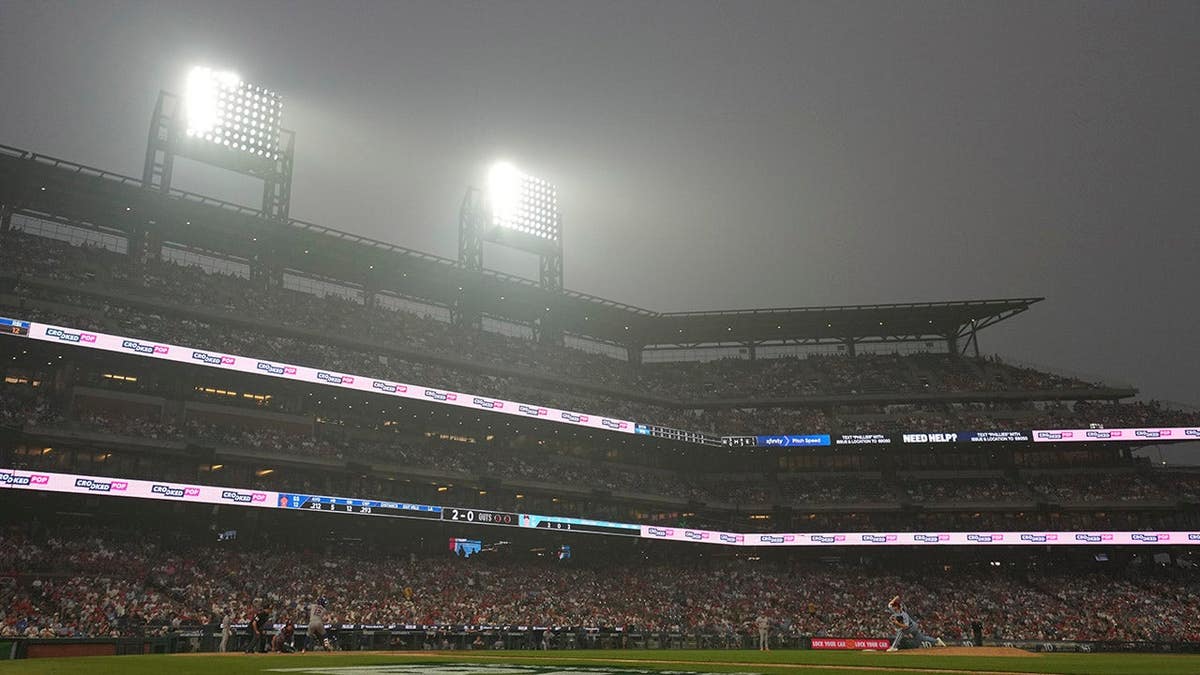
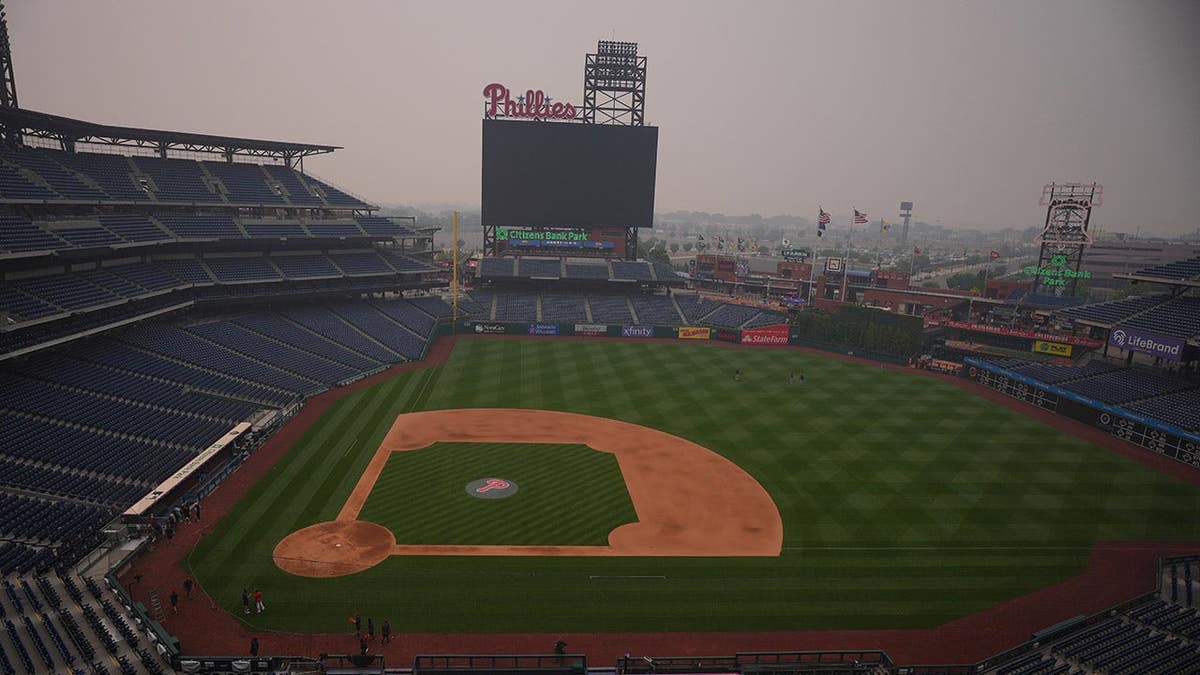
The sporting world, often seen as a barometer of societal normalcy, has been directly affected by this environmental crisis. On Thursday, a Major League Soccer game was postponed due to the dangerously poor air quality. In Philadelphia, a Major League Baseball game between the Phillies and the New York Mets was forced to start an hour earlier than scheduled, a logistical adjustment made out of an abundance of caution for player and fan safety. As the unofficial second half of the MLB season commenced on Friday, five games were slated to be played in areas directly impacted by the smoke, with several teams implementing precautionary measures and schedule modifications.
The situation in New York for the Los Angeles Dodgers vs. New York Yankees game on Friday evening presented a complex scenario. While the Yankees had previously postponed a game in 2023 due to poor air quality, the levels experienced this week, while concerning, were generally lower than those encountered previously, hovering around the 150-ish mark. By Friday, air quality in New York City had shown improvement throughout the day, allowing the game to proceed as scheduled. This underscores the dynamic nature of wildfire smoke, which can shift and dissipate depending on wind patterns and the intensity of the fires.
In Toronto, the Chicago White Sox vs. Toronto Blue Jays matchup at Rogers Centre highlighted the challenges faced by teams located in the heart of the affected region. The Blue Jays, playing in the country where the wildfires originated, were particularly susceptible. While Toronto experienced hazardous air quality levels on Thursday night, conditions had improved to a "low health risk" by Friday afternoon. However, nearby cities within Ontario continued to report high health risk levels, demonstrating the localized variability of the smoke’s impact. Recognizing the ongoing concerns, the Blue Jays announced shortly after 1 p.m. ET that their retractable roof at Rogers Centre would be closed for the game. This decision, while ensuring immediate comfort and safety for fans and players, also reflects the team’s proactive approach to mitigating the effects of the smoke. According to team policy, if a game begins with the roof closed, it may be opened before the end of the sixth inning if the Umpire Crew Chief and MLB officials deem conditions suitable for fan comfort and enjoyment, a decision typically made only once per game.
The Miami Marlins vs. Milwaukee Brewers game also navigated the air quality concerns. At 1:10 p.m. ET, Milwaukee’s air quality index (AQI) registered a "very unhealthy" 287. However, by the 5 p.m. hour, this had significantly improved to 133. The Brewers confirmed that the game would proceed as scheduled at American Family Field, which also features a retractable roof. For fans who felt uneasy about attending, the Brewers offered the option to exchange their tickets for a future game this season, a gesture of understanding and flexibility in response to the unusual circumstances. Similar to the Blue Jays, Milwaukee’s roof policy emphasizes closing due to adverse weather, with the potential to open if deemed beneficial for fan comfort and enjoyment of natural atmospheric conditions.
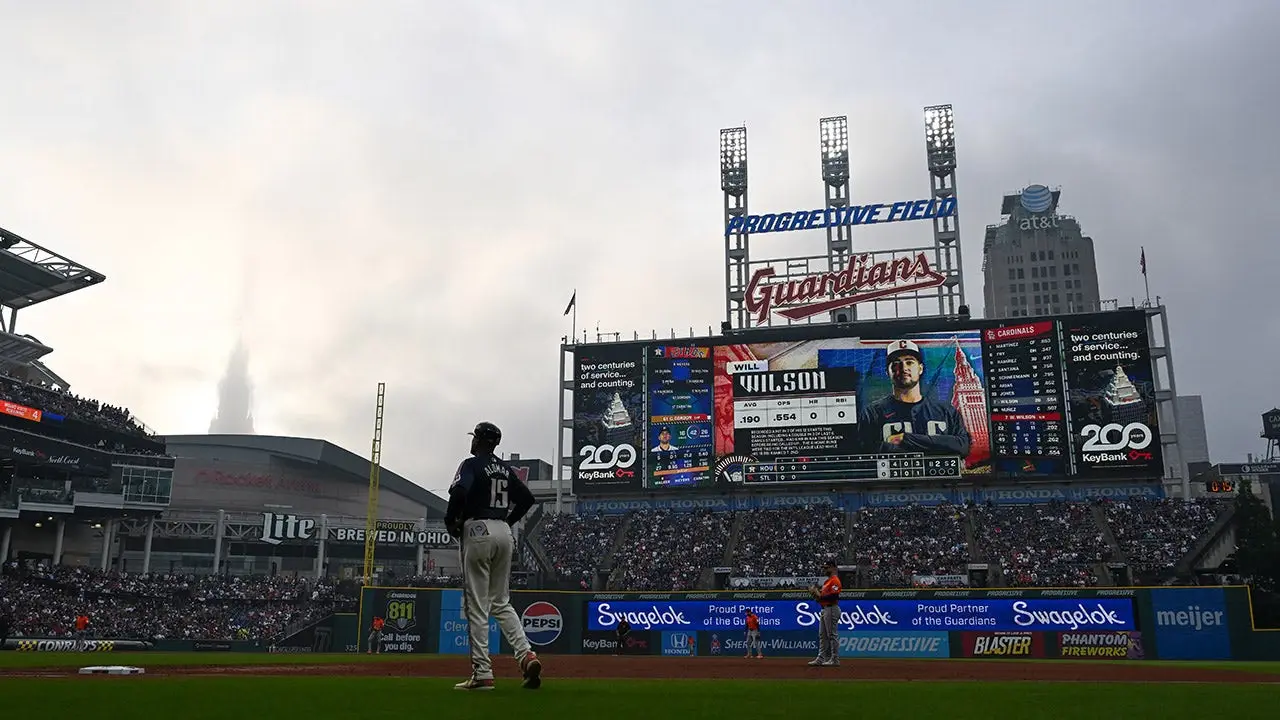
The Pittsburgh Pirates vs. Cleveland Guardians game experienced a more significant disruption. At 3:00 p.m. ET, the Guardians had announced their starting lineup, signaling an intent to play. However, less than two hours later, a postponement was announced. The game was rescheduled for Saturday as part of a day-night doubleheader, with ticket holders unable to attend the makeup game given the option to exchange their tickets for a future contest. As of 5:00 p.m. ET, the AQI in Cleveland was a "very unhealthy" 209. The situation had been particularly severe the previous night, with nearby Akron reaching "hazardous" levels near 500 late Thursday, illustrating the fluctuating and dangerous nature of the air quality.
In Chicago, the Minnesota Twins vs. Chicago Cubs game at Wrigley Field was also under scrutiny. The AQI in the Windy City stood at a "very unhealthy" 241 in the afternoon but had improved to 138 later in the day. Despite this improvement, the game, a rare Friday night contest at the historic ballpark, was slated to proceed as of 5:10 p.m. ET, indicating a degree of confidence in the improving air quality.
The long-term implications of such widespread and intense wildfire smoke events are a growing concern for public health officials and environmental scientists. The repeated exposure to PM2.5 can lead to chronic respiratory issues, cardiovascular disease, and has been linked to developmental problems in children. Furthermore, the economic impact extends beyond immediate disruptions to sporting events, affecting tourism, outdoor recreation, and potentially increasing healthcare costs. The connection between increasingly severe wildfire seasons and climate change is undeniable, with rising global temperatures creating drier conditions more conducive to large-scale fires. Experts advocate for a multi-pronged approach, including aggressive wildfire mitigation strategies, improved forest management practices, and, most critically, substantial efforts to reduce greenhouse gas emissions and transition to cleaner energy sources. The current situation serves as a potent reminder of the interconnectedness of our planet and the urgent need for global action to address the escalating climate crisis. The visual spectacle of smoke-choked skies is not merely an inconvenience; it is a symptom of a larger environmental imbalance with profound consequences for human health and the natural world.
