
 By admin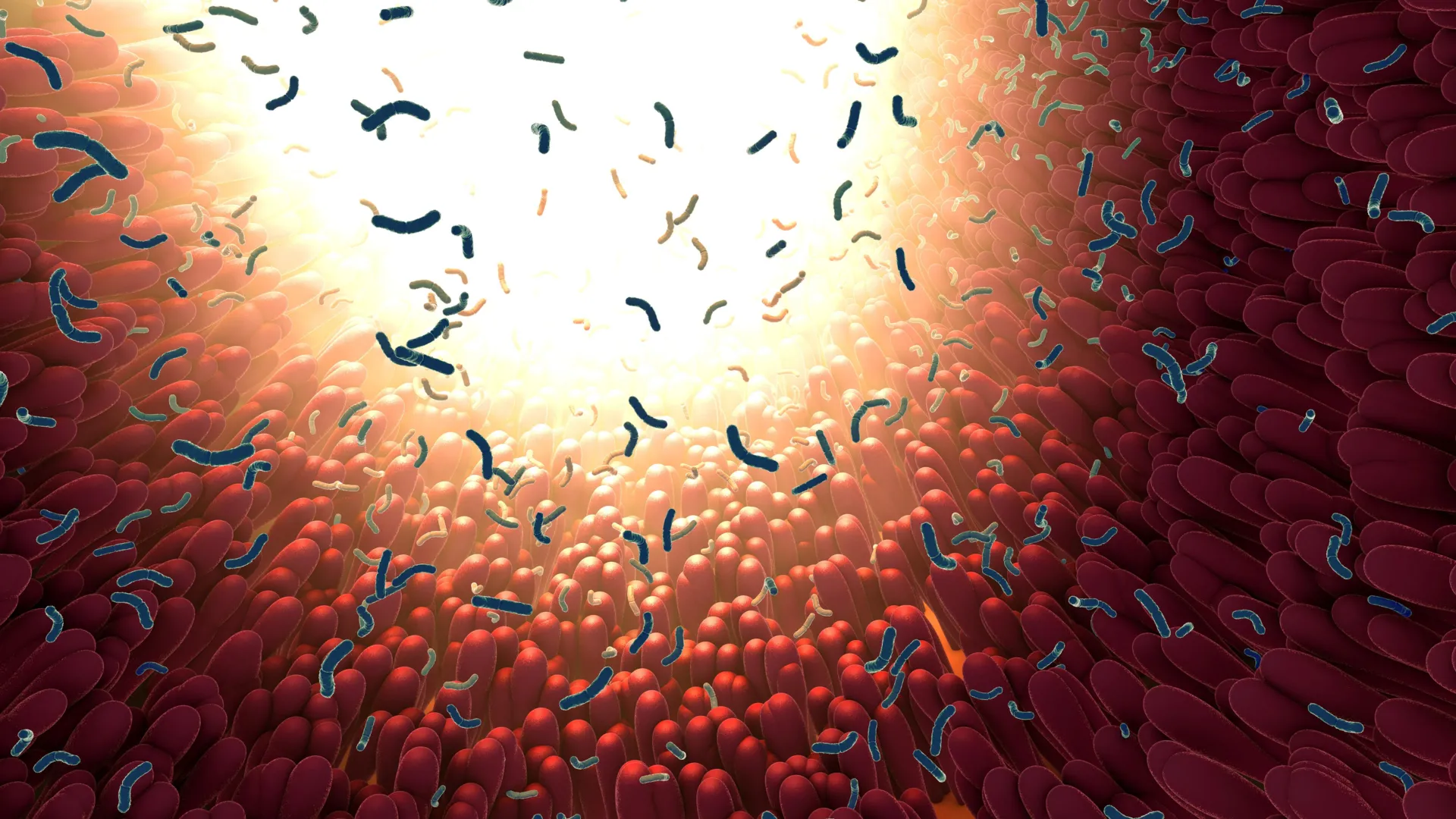
The most pronounced effect observed in the Cambridge investigation occurred when researchers combined isosteviol, a sweetener derived from the stevia plant and widely utilized by the food and beverage industry, with duloxetine, a commonly prescribed antidepressant. This potent pairing sharply reduced the growth of two critical bacterial species, Roseburia intestinalis and Parabacteroides merdae. Both species are integral to maintaining digestive health, regulating blood sugar, and supporting robust immune function within the human gut microbiome. The dramatic nature of this interaction underscores the complexity of dietary and pharmacological influences on our internal microbial landscape.
While these laboratory experiments provide compelling initial insights, the scientists involved emphasize a crucial caveat: the research was conducted in controlled in vitro settings, not directly within human subjects. Consequently, extensive further research will be indispensable to definitively determine whether these observed bacterial changes translate into meaningful health effects under real-world conditions, where factors like absorption, metabolism, and individual variations in diet and existing microbiome composition play significant roles.
Sweeteners May Not Be Biologically Inactive: Challenging the Paradigm
Sweeteners have become an pervasive presence in the modern diet, woven into countless everyday products ranging from soft drinks, confectionery, and desserts to breakfast cereals, snacks, and even certain medications designed to mask bitterness. Their widespread adoption has largely been driven by their promotion as healthier alternatives, offering the appeal of sweetness with a reduced caloric load or lower sugar content, aligning with public health efforts to combat rising rates of obesity and type 2 diabetes. The global market for high-intensity sweeteners alone was valued at over $2 billion in 2022 and is projected to grow significantly, reflecting their entrenched status in food manufacturing.
However, a growing body of epidemiological and preclinical evidence has begun to cast a shadow over their perceived innocuousness. Various studies have linked chronic sweetener consumption with a range of adverse health conditions, including an increased risk of type 2 diabetes, obesity, and even certain types of cancer. It is important to note that these associations, while statistically significant, do not inherently prove direct causation. Researchers globally are still diligently working to unravel the intricate biological processes that might explain these observed connections, with the gut microbiome emerging as a leading candidate for mediating these effects.
The gut microbiome, an astonishingly diverse and dynamic community of trillions of bacteria, fungi, viruses, and other microorganisms residing within the human digestive system, is increasingly recognized as a critical determinant of overall health. These microscopic inhabitants perform a myriad of vital functions: they assist in the breakdown of otherwise indigestible food compounds, synthesize essential vitamins and short-chain fatty acids (SCFAs) like butyrate, train and regulate the immune system, and profoundly influence metabolism and even neurological function. Any significant disruption or imbalance in the number, diversity, or composition of these organisms, a condition known as dysbiosis, can have far-reaching consequences for health throughout the entire body, potentially contributing to metabolic disorders, inflammatory conditions, and impaired immune responses.
Despite the pervasive use of sweeteners across populations and the burgeoning interest in the gut microbiome, remarkably little research has systematically examined whether these additives directly interact with and affect individual gut bacterial species. Professor Kiran Patil from the Medical Research Council (MRC) Toxicology Unit at the University of Cambridge articulated this knowledge gap: "Most of what we know about the potential impact of sweeteners on our health comes from animal research or from population studies. While these studies have indicated involvement of the microbiome in mediating the effect of sweeteners, it’s difficult to know how sweeteners act in the body — is it through direct interactions with our gut bacteria?" This fundamental question has remained largely unanswered, partly due to the inherent complexity of dietary intake. "Answering this is further complicated by the fact that we rarely ever take sweeteners by themselves — we take them with drinks, in snacks, or even in medication to mask bitterness," added Dr. Sonja Blasche, a lead author of the study, also from the MRC Toxicology Unit. This highlights the challenge of isolating the effects of a single compound in a realistic dietary context.
Testing 39 Sweeteners Against Gut Bacteria: A Comprehensive Approach
To address this critical knowledge gap, Dr. Blasche and her colleagues embarked on a comprehensive investigation into how a broad spectrum of artificial and low-calorie sweeteners influences gut bacteria. Their study, published in the esteemed journal Molecular Systems Biology, also meticulously explored whether these effects change when sweeteners are mixed with other substances commonly encountered in foods, drinks, and medicines – an innovative approach reflecting real-world consumption patterns.
The research team commenced by cultivating 25 distinct bacterial species separately in controlled laboratory environments. This carefully curated selection included bacteria widely considered beneficial for human health, as well as neutral species, and those identified as potentially harmful. This allowed for a targeted assessment of each sweetener’s direct impact on individual microbial growth without the confounding interactions present in a complex community.
Each of these isolated bacterial species was then exposed to a panel of 39 commercially used sweeteners, encompassing both naturally derived varieties (like steviol glycosides and erythritol) and artificial compounds (such as sucralose, aspartame, and saccharin). The researchers meticulously monitored how quickly each bacterial culture multiplied, noting any instances where its growth was slowed, inhibited, or completely halted. The results were striking: approximately three-quarters (75%) of the tested sweeteners demonstrably affected the growth of at least one bacterial species. More notably, several of these sweeteners significantly reduced or even completely stopped the growth of bacteria widely associated with a healthy and resilient digestive system. These compelling findings directly challenge the long-standing assumption that sweeteners are simply inactive substances that pass through the digestive tract without interacting with the intricate ecosystem of organisms residing there. Instead, they suggest a direct biological engagement that could have profound implications for gut health.
More Than 100 Unexpected Interactions: The Synergy of Consumption
A pivotal aspect of the Cambridge study was its recognition that people rarely consume sweeteners in isolation. Instead, these additives are typically encountered alongside a multitude of other compounds – whether it’s caffeine in a diet soda, specific flavorings in a dessert, or an active ingredient in a medication designed to improve palatability. This intricate matrix of co-ingested substances significantly complicates the study of dietary effects but is crucial for understanding real-world impacts.
To emulate this complexity, the researchers innovatively paired the selected sweeteners with a range of other substances, including caffeine, vanillin (a key component of vanilla extract, a ubiquitous food flavoring), advantame (another high-potency artificial sweetener), and eight commonly used pharmaceutical drugs. This experimental design allowed them to investigate synergistic or antagonistic effects that might not be apparent when substances are studied individually.
The results were remarkable: the team identified more than 100 distinct cases where a sweetener’s effect on bacterial growth was significantly altered by the presence of another compound. In 34 of these instances, the combined effects became demonstrably stronger, indicating a potentiation of the sweetener’s impact. Conversely, in 68 cases, the combined effects became weaker, suggesting an antagonistic or mitigating interaction. This intricate web of interactions strongly implies that the ultimate impact of a particular sweetener on the gut microbiome may depend substantially on what else is consumed concurrently. This adds a new layer of complexity to dietary advice and highlights the need for a holistic perspective on food consumption and medication use.
Antidepressant Combination Stood Out: A Clinical Connection
Among the myriad combinations tested, the most dramatic and clinically significant result involved the pairing of isosteviol and duloxetine. Isosteviol is a naturally occurring compound derived from the Stevia rebaudiana plant, often used as a zero-calorie sweetener or flavor enhancer. Duloxetine, on the other hand, is a widely prescribed antidepressant that functions as a serotonin-norepinephrine reuptake inhibitor (SNRI), used to treat major depressive disorder, generalized anxiety disorder, and certain types of chronic pain, including neuropathic pain and fibromyalgia.
When these two compounds were administered together in the laboratory, they strongly suppressed the growth of two particular bacterial species: Roseburia intestinalis and Parabacteroides merdae. Both of these species are considered crucial members of a healthy gut microbiome. Roseburia intestinalis is a prominent butyrate producer, a short-chain fatty acid vital for gut barrier integrity, anti-inflammatory processes, and energy metabolism for colonocytes. Parabacteroides merdae plays roles in bile acid metabolism and maintaining gut homeostasis. The significant suppression of these beneficial bacteria by a combination of a common sweetener and a widely used medication raises serious questions about potential unintended consequences for patient health. The clinical relevance is underscored by the fact that duloxetine is heavily prescribed, with over 4.2 million patients in the US alone receiving prescriptions for the drug in 2023. This widespread usage means that many individuals are routinely exposed to this potential interaction.
While studying bacteria one species at a time can reveal direct effects, the human gut is a crowded and highly interactive ecosystem where microbes constantly influence each other. To better reflect these complex conditions, the scientists constructed a simplified, yet representative, microbial community comprising all 25 bacterial species initially studied. They allowed this synthetic community to establish a stable equilibrium and then exposed it to various combinations of sweeteners and drugs, including the potent isosteviol-duloxetine pairing. The team meticulously tracked which species became more abundant, which declined, and critically, whether the community retained its overall diversity.
Gut Microbial Diversity Declined: Implications for Health
The controlled experiments on the simplified microbial community revealed a concerning outcome: the combination of isosteviol and duloxetine significantly reduced microbial diversity within the synthetic ecosystem. Greater diversity is generally considered a hallmark of a resilient and healthy gut microbiome, providing functional redundancy and adaptability to environmental stressors. Conversely, reduced diversity is often associated with dysbiosis and an increased risk of various diseases, including inflammatory bowel disease, obesity, and metabolic syndrome, although the ideal microbial composition can vary considerably between individuals.
Beyond merely reducing diversity, the combination of isosteviol and duloxetine also profoundly altered the community’s internal balance. It created an environment where certain bacterial species were allowed to flourish unchecked, while others, potentially beneficial ones, experienced significant declines. This shift in community structure could lead to a functional imbalance, where essential microbial processes are compromised.
Further experiments suggested that these changes within the microbial community had broader implications, extending beyond the gut itself. The altered microbial environment appeared to increase toxicity toward certain host cells, implying potential damage to the intestinal lining or other body tissues. Moreover, these microbial shifts disrupted the activity of other cells involved in crucial inflammation and immune responses. This raises the alarming possibility that interactions between sweeteners, medications, and the gut microbiome could influence not only digestion but also systemic inflammation and the body’s immune defenses, potentially contributing to a range of chronic health issues.
Dr. Blasche succinctly summarized the profound implications of these findings: "Sweeteners are often marketed as metabolically neutral, but our study challenges this idea. We found that they can directly affect gut bacteria, particularly when mixed with other compounds such as medication and food additives. These common combinations could have unintended effects on our gut microbiome." This statement serves as a potent call to re-evaluate our understanding of these widely consumed additives.
Human Studies Are Still Needed: Bridging the Translational Gap
Despite the robustness and innovative design of this laboratory research, the researchers unequivocally emphasize that these findings should not be prematurely interpreted as definitive proof that sweeteners or the tested combinations directly cause harm in people. The leap from controlled in vitro experiments to complex human physiology is substantial, and a crucial translational gap remains to be bridged.
In the intricate environment of the human digestive system, several mitigating factors could alter the observed effects. Sweeteners, upon ingestion, may be absorbed into the bloodstream, chemically altered by host enzymes, diluted by digestive fluids, or broken down by various microbial species before they can exert a direct impact on specific gut microbes. Furthermore, individual variability plays a paramount role: a person’s unique diet, genetic predispositions, concurrent medication use, and the existing composition of their established microbiome could all significantly modify the outcome of sweetener consumption. What might be detrimental for one individual could be benign for another.
Therefore, future studies are imperatively needed to determine whether similar interactions occur in humans, what specific doses of sweeteners and medications would be required to elicit such effects, and, critically, whether any resulting microbial changes produce measurable and clinically significant effects on human health. This will likely involve rigorous randomized controlled trials, large-scale cohort studies with comprehensive microbiome analysis, and personalized nutrition approaches.
Professor Patil, the study’s senior author, reiterated the broader significance of the research: "Our study suggests that artificial sweeteners don’t just pass through the body passively – they can interact with gut microbes, and these effects can be amplified or altered by other substances like medications. These findings can help guide new studies towards understanding how sweeteners might influence health in unexpected ways." This research marks a pivotal step in unraveling the hidden complexities of modern dietary components and their profound interactions with our internal microbial world, underscoring the ongoing need for vigilance and interdisciplinary investigation.
The groundbreaking research was generously funded by the European Union’s Horizon 2020 program and the UK Medical Research Council, highlighting the international recognition of its scientific importance and potential public health implications. As our understanding of the gut microbiome continues to expand, studies like this are crucial for informing public health guidelines, regulatory decisions, and personalized dietary recommendations in an increasingly complex food environment.
