
 By admin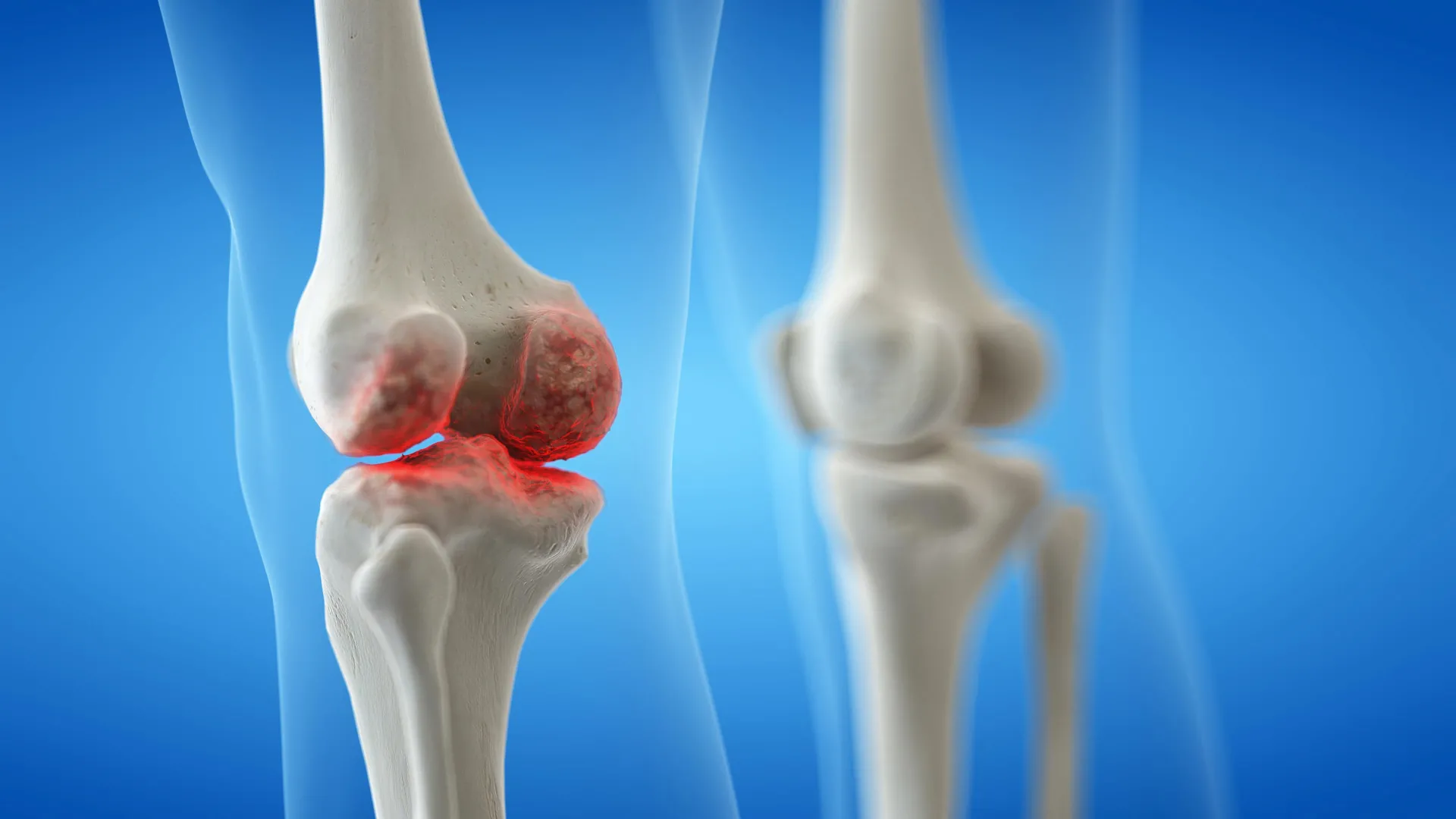
Knee osteoarthritis (OA) primarily develops as the articular cartilage, the smooth, slippery tissue that covers the ends of bones in a joint, gradually breaks down. Healthy cartilage is a remarkable biological material, composed primarily of water, collagen fibers, and proteoglycans. It serves two critical functions: allowing the knee to move smoothly with minimal friction, and acting as a shock absorber, cushioning the impact of daily activities. As this protective layer becomes thinner and loses its elasticity, the underlying bones begin to rub against each other, leading to pain, inflammation, stiffness, and a host of other debilitating problems that can become progressively more severe over time.
The process of cartilage degradation in OA is multifaceted. It involves not only mechanical wear and tear but also biochemical changes within the joint. Enzymes called metalloproteinases, which are normally involved in tissue repair, become overactive, breaking down the cartilage matrix faster than it can be rebuilt. This is often accompanied by low-grade inflammation within the joint capsule, contributing to pain and further damage. Over time, the body may attempt to repair the damage by forming bone spurs, known as osteophytes, around the edges of the joint, which can further restrict movement and cause discomfort. The subchondral bone, the bone directly beneath the cartilage, also undergoes changes, becoming denser and stiffer, losing some of its shock-absorbing capacity.
"Osteoarthritis can cause knee pain and stiffness, which can negatively impact a person’s activity level, risk of falling, mood and general quality of life," said Dr. Abby Cheng, an orthopedic surgeon at Washington University School of Medicine in St. Louis who also specializes in physiatry, the nonsurgical treatment and rehabilitation of conditions such as arthritis. Dr. Cheng’s observations underscore the systemic impact of OA, highlighting how a localized joint issue can ripple through various aspects of a person’s life. The chronic nature of the pain can lead to a vicious cycle: pain leads to reduced activity, which leads to muscle weakening and weight gain, exacerbating the pain and accelerating disease progression.
The Far-Reaching Impact of Knee Osteoarthritis
The effects of osteoarthritis can extend well beyond the immediate pain and stiffness in the joint. Difficulty moving and performing everyday tasks can severely impact an individual’s independence and productivity. For those of working age, this can translate into missed workdays, reduced productivity, and ultimately, lost income, creating significant financial strain. The economic burden of OA is substantial, encompassing direct medical costs (doctor visits, medications, physical therapy, surgeries) and indirect costs (lost wages, reduced productivity, disability payments). Studies estimate that OA-related costs in the U.S. alone run into hundreds of billions of dollars annually.
Beyond economic implications, the physical limitations imposed by knee OA often discourage people from engaging in regular physical activity. This sedentary lifestyle, a direct consequence of pain and discomfort, significantly increases their risk of developing or worsening other chronic conditions. These include cardiovascular diseases like heart attack and stroke, metabolic disorders such as type 2 diabetes, certain types of cancer, and even mental health conditions like depression and anxiety. The systemic inflammation often associated with obesity, a major risk factor for OA, can also contribute to these comorbidities, creating a complex web of health challenges.
Furthermore, the reduced mobility and muscle weakness associated with knee OA significantly increase the risk of falls, particularly in older adults. Pain can lead to an unsteady gait, while compromised balance and weakened quadriceps muscles diminish the ability to recover from a stumble. Falls, in turn, can result in fractures, further injuries, and a profound loss of confidence, leading to even greater inactivity and social isolation. The psychological toll of living with chronic pain and declining physical function cannot be overstated, often leading to feelings of helplessness, frustration, and a diminished sense of self-worth. Sleep disturbances are also common, as pain can disrupt sleep patterns, further impacting mood and energy levels.
Prevalence and Identifying Risk Factors
Osteoarthritis is an extremely common condition, solidifying its status as a major public health concern. More than 30 million adults in the U.S. have some form of the condition, making it one of the most prevalent chronic diseases. Globally, it affects hundreds of millions, with its prevalence expected to rise significantly due to an aging population and increasing rates of obesity. The knee is the joint most frequently affected by OA, bearing the brunt of daily weight and movement, followed by the hips, hands, and spine. While osteoarthritis is often strongly associated with older age, suggesting a "wear and tear" disease, roughly half of all diagnosed cases occur among people who are still of working age, highlighting that it is not exclusively a disease of the elderly. This underscores the need for early identification and intervention.
Understanding the risk factors is crucial for both prevention and management. "Having weak leg muscles and being overweight or obese increases a person’s risk for knee osteoarthritis," Cheng said. "Women, older adults, people with a prior knee injury and those with a family history of osteoarthritis are also more likely to have the condition."
Let’s delve deeper into these and other contributing factors:
- Age: While not an inevitable consequence of aging, the risk of OA significantly increases with age. Cumulative wear and tear over decades, along with cellular changes like reduced cartilage repair capacity and increased cellular senescence, contribute to this higher risk.
- Obesity: This is perhaps the most significant modifiable risk factor. Excess body weight places increased mechanical stress on the weight-bearing joints, particularly the knees. For every pound of body weight gained, the knees experience an additional four pounds of pressure with each step. Beyond mechanical load, adipose tissue (fat) is metabolically active and produces inflammatory compounds called adipokines, which can contribute to systemic inflammation and directly damage cartilage.
- Muscle Weakness: Specifically, weakness in the quadriceps muscles (the large muscles at the front of the thigh) can compromise knee joint stability. Strong quadriceps act as natural shock absorbers and help distribute forces across the joint more evenly. When these muscles are weak, the joint experiences greater stress, accelerating cartilage breakdown.
- Prior Knee Injury: A history of knee trauma, such as anterior cruciate ligament (ACL) tears, meniscal tears (cartilage in the knee), or fractures around the joint, significantly increases the risk of developing post-traumatic osteoarthritis. Even seemingly minor injuries can alter joint mechanics and initiate a cascade of degenerative changes years or decades later.
- Gender: Women are more likely to develop knee OA than men, especially after menopause. Hormonal factors, particularly estrogen decline, are thought to play a role in cartilage health and inflammation. Biomechanical differences and differences in ligament laxity may also contribute.
- Genetics and Family History: While not solely deterministic, a family history of OA suggests a genetic predisposition. Certain genes may influence cartilage strength, joint alignment, or the body’s inflammatory response, increasing susceptibility.
- Occupational Stress: Jobs that involve repetitive kneeling, squatting, heavy lifting, or prolonged standing can increase the risk of knee OA due to cumulative stress on the joints.
- Joint Malalignment: Conditions like bowed legs (varus deformity) or knock-knees (valgus deformity) can unevenly distribute weight across the knee joint, leading to accelerated wear in specific compartments.
Lifestyle Changes and Medical Interventions to Ease Knee Pain
For individuals who already have osteoarthritis, there are several effective options for managing pain, preserving mobility, and slowing the condition’s progression. A multi-pronged approach combining healthy lifestyle habits with appropriate medical treatments is often the most successful strategy.
"Eating more plants and less processed or sugary food reduces inflammation in the body, which can reduce pain from osteoarthritis in all joints," Cheng said. This dietary advice aligns with the principles of an anti-inflammatory diet, such as the Mediterranean diet. Emphasizing whole grains, abundant fruits and vegetables, lean proteins, and healthy fats (like omega-3s found in fatty fish and olive oil) can help reduce systemic inflammation, which is a key contributor to OA pain and cartilage degradation. Conversely, diets high in refined sugars, unhealthy fats, and processed foods can promote inflammation.
Other common and effective treatments for knee osteoarthritis include:
- Strengthening the Thigh Muscles: Regular, targeted exercises to strengthen the quadriceps, hamstrings, and gluteal muscles are paramount. Strong muscles provide better support and stability to the knee joint, reducing stress on the cartilage. A physical therapist can design an individualized exercise program that includes low-impact aerobic activities (swimming, cycling, walking), strength training, and flexibility exercises.
- Using Knee Braces: Different types of braces can be beneficial. Unloader braces are designed to shift weight away from the damaged part of the knee, while supportive braces can provide stability and proprioceptive feedback, reducing pain and improving function.
- Anti-inflammatory Medications: Over-the-counter nonsteroidal anti-inflammatory drugs (NSAIDs) like ibuprofen or naproxen can help manage pain and inflammation. For more severe pain, prescription NSAIDs or other pain relievers may be prescribed, though long-term use requires careful monitoring due to potential side effects on the gastrointestinal tract and cardiovascular system.
- Injections:
- Cortisone (Corticosteroids): These potent anti-inflammatory drugs can provide significant, though often temporary, pain relief. They are typically administered directly into the joint. Due to potential side effects like cartilage weakening, their use is usually limited to a few injections per year.
- Hyaluronic Acid (Viscosupplementation): This involves injecting a gel-like substance, similar to the natural fluid found in healthy joints, to lubricate the joint and potentially reduce pain. Its efficacy varies among individuals, and it is generally considered for mild to moderate OA.
- Platelet-Rich Plasma (PRP) and Stem Cell Therapy: These are newer, emerging therapies that involve injecting concentrated platelets or stem cells derived from the patient’s own blood or bone marrow into the joint. The aim is to promote healing and reduce inflammation. While promising, these treatments are still largely experimental, and more robust research is needed to establish their long-term efficacy and safety.
- Knee Replacement Surgery (Arthroplasty): For individuals with severe, end-stage knee OA where conservative treatments have failed, knee replacement surgery can be a highly effective option. This involves replacing the damaged cartilage and bone with artificial components made of metal and plastic. Both partial and total knee replacements are performed, offering significant pain relief and restoration of function for most patients, allowing them to resume many daily activities. The decision for surgery is made in consultation with an orthopedic surgeon, considering the patient’s age, activity level, and overall health.
Health care providers play a crucial role in working with patients to develop individualized strategies for managing osteoarthritis. This often involves an interdisciplinary team including primary care physicians, orthopedists, physiatrists, physical therapists, occupational therapists, and dietitians. They can also connect people with programs and other resources, such as arthritis self-management courses or community exercise programs, that can make it easier to begin healthy changes and maintain them over time.
Even small improvements can have a surprisingly large effect. Dr. Cheng noted that for a person who is overweight, losing just 10 pounds can reduce the stress placed on the knees by a remarkable 40 pounds with every single step. That substantial reduction in pressure can significantly ease joint pain, improve mobility, and potentially slow the progression of the disease. This emphasizes that weight loss is not just about aesthetics but has direct, tangible benefits for joint health.
Preventive Strategies: Exercise and Healthy Weight as Cornerstones
Many of the strategies used to manage existing osteoarthritis are also powerful tools for preventing its development or delaying its onset. Proactive health choices can make a significant difference in preserving joint health over a lifetime.
Regular physical activity is one of the most critical preventive measures. Despite the common misconception that activities like running damage the knees, research consistently shows that moderate, consistent running, especially in individuals with healthy knees, does not increase the risk of OA and may even be protective by strengthening muscles and maintaining healthy joint lubrication. The key is moderation, proper form, appropriate footwear, and listening to one’s body. Low-impact activities such as swimming, cycling, and brisk walking are excellent choices for maintaining cardiovascular health and strengthening leg muscles without excessive joint stress. Physical activity helps maintain a healthy weight, strengthens the muscles supporting the knee, improves joint flexibility, and enhances circulation, all contributing to healthier joints.
Maintaining a healthy weight is another cornerstone of prevention. As highlighted, excess body weight dramatically increases the mechanical load on the knees. By keeping body mass index (BMI) within a healthy range, individuals can significantly reduce the strain on their joints, thereby lowering their risk of developing OA. This also reduces the systemic inflammatory burden associated with obesity, which can contribute to cartilage degradation.
Diet matters as well, extending beyond just weight management. A healthy eating pattern rich in whole grains, fruits, and vegetables, while limiting processed and refined foods, can support overall health and may help protect against osteoarthritis. This anti-inflammatory diet helps reduce systemic inflammation, which is implicated in the pathogenesis of OA. Adequate intake of vitamins and minerals, particularly vitamin D and calcium, is also important for bone health, which indirectly supports joint integrity.
Family History Does Not Determine Your Future
Osteoarthritis differs from diseases such as cancer and heart disease in its primary manifestation, but its effects on health, well-being, and quality of life can still be substantial and equally devastating. Millions of people live with the condition, often feeling resigned to their fate. However, the message from medical professionals is clear: there are practical, actionable steps individuals can take to reduce their own risk and potentially help protect the health of their families.
"Some people think that because a parent or grandparent had osteoarthritis, they will develop it too," Cheng said. "And while it’s true that osteoarthritis can run in families, it doesn’t mean there’s nothing a person can do to successfully lower their risk of developing it." This crucial distinction between genetic predisposition and genetic determinism is empowering. While genetics may load the dice, lifestyle choices and environmental factors often hold the power to influence how those genes are expressed. Epigenetics, the study of how behaviors and environment can cause changes that affect the way genes work, suggests that healthy habits can indeed modify genetic risk.
Taking proactive steps such as maintaining a healthy weight, engaging in regular physical activity, adopting an anti-inflammatory diet, and addressing any knee injuries promptly and appropriately can significantly mitigate the risk, even for those with a strong family history. Regular check-ups with a healthcare provider can also help monitor joint health and address any emerging issues early. It’s your health. Take control. By making informed choices and committing to a healthy lifestyle, individuals can actively work towards preserving their joint health and ensuring a more mobile, pain-free future.
