
 By admin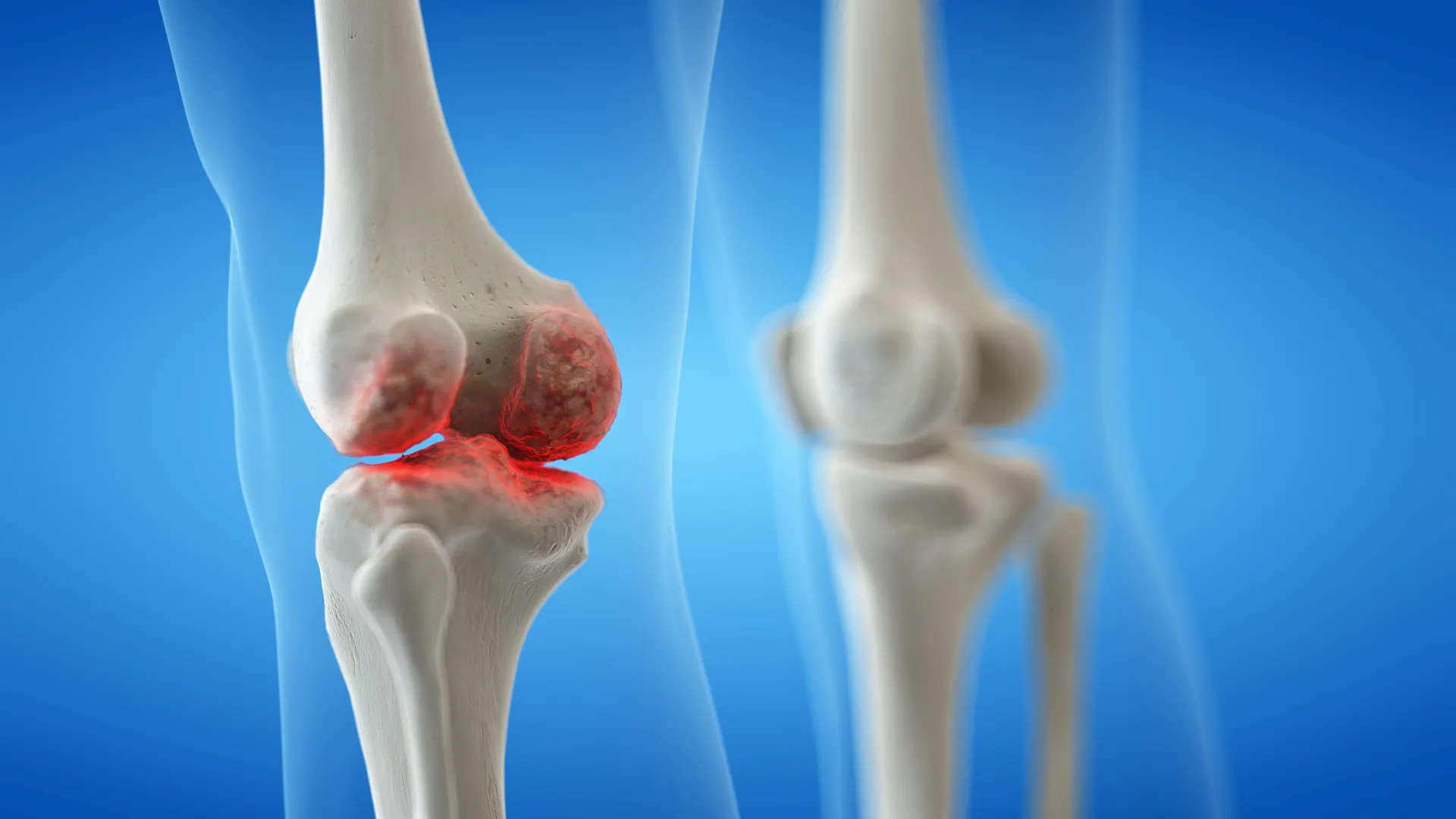
Knee osteoarthritis (OA) develops as the articular cartilage—the smooth, slippery tissue that covers the ends of bones in a joint—gradually breaks down. Healthy cartilage is essential for frictionless movement, allowing the knee to bend and straighten smoothly while absorbing shock and distributing load across the joint. It is a highly specialized tissue, composed primarily of water, collagen, and proteoglycans, designed for resilience and low friction. As this protective layer becomes thinner, rougher, and eventually erodes, the underlying bones begin to rub against each other. This friction, combined with inflammatory responses within the joint, can lead to pain, stiffness, swelling, and a grinding sensation. Over time, the body may attempt to repair the damage by forming bone spurs (osteophytes) around the joint edges, further contributing to discomfort and limiting movement. These changes are progressive and can become more severe, significantly impairing a person’s quality of life.
"Osteoarthritis can cause knee pain and stiffness, which can negatively impact a person’s activity level, risk of falling, mood and general quality of life," said Dr. Abby Cheng, an orthopedic surgeon at Washington University School of Medicine in St. Louis who also specializes in physiatry, the nonsurgical treatment and rehabilitation of conditions such as arthritis. Dr. Cheng’s insights underscore the multifaceted impact of OA, extending far beyond physical discomfort to encompass mental and social dimensions of health. Early recognition and management are crucial to mitigate these pervasive effects.
Knee Osteoarthritis Can Affect More Than Mobility: A Broader Impact
The ripple effects of osteoarthritis extend far beyond localized pain and restricted joint movement. The chronic nature of the condition and its impact on physical function can lead to substantial socioeconomic consequences. Difficulty moving, for instance, can result in missed workdays, reduced productivity, and, consequently, lost income. For many individuals, especially those in physically demanding jobs, OA can necessitate career changes or early retirement, creating financial strain on both individuals and healthcare systems. The indirect costs associated with OA, including lost wages and productivity, often outweigh the direct healthcare expenditures.
Moreover, the persistent pain and stiffness associated with OA can create a vicious cycle, discouraging people from engaging in physical activity. This sedentary lifestyle, in turn, is a well-established risk factor for a host of other chronic conditions, including cardiovascular disease, type 2 diabetes, certain types of cancer, and obesity. The systemic inflammation often observed in advanced OA can also contribute to these broader health issues. Therefore, managing OA is not just about alleviating knee pain; it’s about safeguarding overall health and preventing a cascade of related medical problems.
Osteoarthritis is an alarmingly common condition. More than 30 million adults in the U.S. alone have some form of the condition, making it one of the leading causes of disability worldwide. Among all joints, the knee is the joint most frequently affected, bearing the brunt of daily activities and body weight. While osteoarthritis is often stereotypically associated with older age, it is crucial to recognize that roughly half of cases occur among people who are still of working age. This demographic reality highlights the significant societal and economic burden of OA, impacting individuals during their most productive years.
Several factors increase an individual’s susceptibility to knee OA. "Having weak leg muscles and being overweight or obese increases a person’s risk for knee osteoarthritis," Cheng said. "Women, older adults, people with a prior knee injury and those with a family history of osteoarthritis are also more likely to have the condition." This comprehensive list of risk factors points to a complex etiology for OA. Weak quadriceps muscles, for instance, diminish the knee’s stability and shock-absorbing capacity, placing greater stress on the joint cartilage. Excess body weight not only increases the mechanical load on the knees but also contributes to systemic inflammation through adipokines—hormones released by fat tissue—which can directly degrade cartilage. Prior knee injuries, such as meniscal tears or anterior cruciate ligament (ACL) ruptures, significantly alter joint biomechanics and can accelerate the onset of OA, sometimes by decades. Genetic predisposition, while not a direct determinant, can influence cartilage quality and repair mechanisms, making some individuals more vulnerable. Hormonal factors are also suspected to play a role, given the higher prevalence among women, particularly post-menopause. Understanding these interconnected risk factors is key to both prevention and personalized management strategies.
Lifestyle Changes and Medical Interventions Can Help Ease Knee Pain
For individuals already living with osteoarthritis, there are several effective options for managing pain, improving mobility, and enhancing quality of life. A holistic approach, combining healthy lifestyle habits with medical treatments when needed, is often the most successful strategy and may even help slow the progression of the condition. This typically involves a multidisciplinary team, including orthopedists, physiatrists, physical therapists, nutritionists, and pain management specialists.
Diet plays a pivotal role in managing OA symptoms. "Eating more plants and less processed or sugary food reduces inflammation in the body, which can reduce pain from osteoarthritis in all joints," Cheng emphasized. An anti-inflammatory diet, often mirroring the Mediterranean diet, focuses on whole, unprocessed foods. This includes an abundance of fruits, vegetables, whole grains, lean proteins (especially fatty fish rich in omega-3 fatty acids), nuts, and seeds. These foods are packed with antioxidants and compounds that combat systemic inflammation, which is a significant contributor to OA pain. Conversely, limiting refined sugars, trans fats, and processed foods can reduce inflammatory markers in the body.
Beyond diet, other common treatments for knee osteoarthritis span a spectrum from conservative to surgical interventions:
- Strengthening the Thigh Muscles: Targeted exercises, particularly for the quadriceps, are fundamental. Strong thigh muscles provide crucial support and stability to the knee joint, reducing stress on the cartilage and improving overall function. A physical therapist can design an individualized exercise program that includes strengthening, flexibility, and balance exercises.
- Using Knee Braces: Different types of braces can be beneficial. Unloader braces are designed to shift weight away from the damaged part of the knee, while patellar tracking braces can help stabilize the kneecap.
- Anti-inflammatory Medications: Over-the-counter nonsteroidal anti-inflammatory drugs (NSAIDs) like ibuprofen or naproxen can provide short-term pain relief. Topical NSAIDs, applied directly to the skin over the joint, can be effective with fewer systemic side effects. For more severe pain, prescription NSAIDs or other pain relievers may be considered, always under medical supervision due to potential side effects with long-term use.
- Injections:
- Cortisone Injections: Corticosteroids are powerful anti-inflammatory agents that can provide significant, albeit temporary, pain relief by reducing inflammation within the joint. However, their effects typically last for weeks to months, and repeated injections are generally limited due to potential risks to cartilage health.
- Hyaluronic Acid Injections (Viscosupplementation): This involves injecting a gel-like substance that mimics the natural lubricating fluid in the knee joint. The goal is to improve joint lubrication, reduce pain, and potentially improve mobility. While efficacy can vary, some patients experience relief for several months.
- Platelet-Rich Plasma (PRP) and Stem Cell Therapies: These are emerging, more experimental treatments that involve injecting concentrated platelets or stem cells derived from the patient’s own body into the joint. The aim is to promote tissue healing and reduce inflammation, though more robust clinical research is needed to fully establish their long-term efficacy and indications.
- Knee Replacement Surgery (Arthroplasty): When conservative treatments no longer provide adequate relief and the pain significantly impacts daily life, knee replacement surgery may be recommended. This involves replacing the damaged cartilage and bone with artificial components made of metal and plastic. It is a highly effective procedure for severe OA, providing substantial pain relief and improved function for the vast majority of patients. Partial knee replacements are also an option for those with localized damage.
Health care providers play a critical role in guiding patients through these options, working collaboratively to develop individualized strategies for managing osteoarthritis. They can assess the severity of the condition, evaluate individual risk factors and preferences, and help patients navigate the complex array of treatments. Furthermore, providers can connect people with physical therapy programs, dietary counseling, weight management resources, and support groups that can make it easier to initiate healthy changes and maintain them over time.
It’s important to recognize that even small improvements can have a surprisingly large and positive effect. Dr. Cheng noted a particularly compelling example: for a person who is overweight, losing just 10 pounds can reduce the stress placed on the knees by 40 pounds with every step. This remarkable 4:1 ratio highlights the immense leverage of weight loss in mitigating joint strain. With every step taken, every stair climbed, and every rise from a chair, the knees bear multiples of body weight. Therefore, a modest reduction in body mass can lead to a significant and cumulative decrease in pressure on the joint cartilage, which can profoundly ease joint pain and slow disease progression.
Exercise and Healthy Weight May Lower Risk: Proactive Prevention
Many of the strategies employed to manage existing osteoarthritis are also powerful tools for preventing its development in the first place. Adopting these healthy habits proactively can significantly reduce an individual’s risk.
Regular physical activity is paramount. Despite a common misconception that high-impact activities like running inevitably damage the knees, research increasingly suggests otherwise. For individuals without pre-existing injuries, moderate running can actually be part of an active lifestyle aimed at lowering osteoarthritis risk. The mechanical stress of running, within physiological limits, can help strengthen the cartilage and surrounding muscles, improving joint resilience. The key is moderation, proper form, and listening to one’s body. Low-impact activities such as swimming, cycling, and walking are also excellent choices for maintaining joint health and overall fitness without excessive strain. The U.S. Department of Health and Human Services recommends at least 150 minutes of moderate-intensity aerobic activity or 75 minutes of vigorous-intensity activity per week, along with muscle-strengthening activities on two or more days.
Maintaining a healthy weight is another cornerstone of prevention. As Dr. Cheng highlighted, excess weight significantly increases the mechanical load on the knee joints. Beyond mechanical stress, adipose tissue (body fat) is metabolically active and releases pro-inflammatory cytokines that can contribute to systemic inflammation and cartilage degradation, even in non-weight-bearing joints. Achieving and maintaining a healthy body mass index (BMI) can dramatically reduce both these mechanical and inflammatory drivers of OA.
Diet matters as well, not just for weight management but for its direct impact on joint health. A healthy eating pattern rich in whole grains, fruits, and vegetables, while limiting processed and refined foods, sugar, and unhealthy fats, can support overall health and may help protect against osteoarthritis. Such a diet provides essential nutrients for cartilage health, reduces systemic inflammation, and contributes to maintaining a healthy weight.
Family History Does Not Determine Your Future: Taking Control
Osteoarthritis differs from acute diseases, but its effects on health, well-being, and quality of life can still be as substantial and debilitating as chronic conditions like heart disease or cancer. Millions of people live with the condition, often enduring persistent pain and limitations. However, it is crucial to recognize that individuals are not powerless. There are practical, actionable steps one can take to reduce their own risk of developing OA and potentially help protect the health of their families.
"Some people think that because a parent or grandparent had osteoarthritis, they will develop it too," Cheng said. "And while it’s true that osteoarthritis can run in families, it doesn’t mean there’s nothing a person can do to successfully lower their risk of developing it." This insight is profoundly empowering. While genetic predispositions can certainly increase susceptibility, they do not seal one’s fate. The field of epigenetics demonstrates how lifestyle choices can influence gene expression, meaning that even with a family history, adopting healthy habits can significantly modify the trajectory of one’s health.
Understanding the interplay between genetics and lifestyle empowers individuals to take proactive steps. This includes consistent physical activity, maintaining a healthy weight through balanced nutrition, protecting joints from injury, and seeking early medical advice for any persistent knee pain. By adopting these preventive measures and engaging in shared decision-making with healthcare providers, individuals can exert considerable control over their joint health. It’s a testament to the power of personal agency in navigating complex health challenges.
It’s your health. Take control.
