
 By admin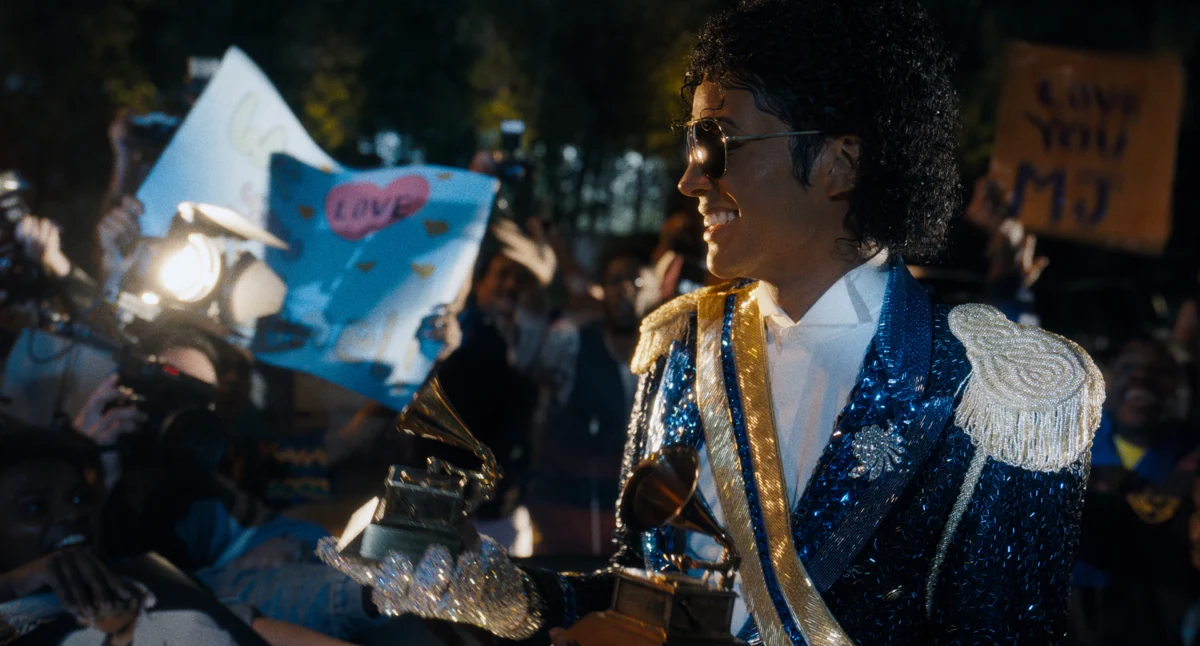
As production looms closer for the highly anticipated second installment of the Michael Jackson biopic, star Jaafar Jackson has revealed that the upcoming film is slated to directly confront the serious criticisms and child abuse allegations that shadowed the King of Pop throughout the 1990s. While Jackson acknowledges his limited influence over the screenplay’s narrative direction, he expressed to GQ Middle East a fervent hope that the sequel will provide a more comprehensive and nuanced exploration of Michael Jackson’s perspective, particularly during those tumultuous later years.
"It’s someone else’s story," Jaafar Jackson candidly stated, referring to the external narratives that have often defined his uncle’s public image. "It’s someone else’s idea of what it is, and it’s mainly driven by an agenda. And that’s really the issue we’ve been having as a family – not having Michael’s voice being heard. I think that’s very, very important, especially in the late years." This statement underscores a central concern for the Jackson family: ensuring that Michael Jackson’s own voice and experiences are authentically represented, rather than being solely filtered through the lens of external accusations and interpretations.
The first "Michael" film, released earlier this summer, proved to be a monumental success at the global box office, shattering expectations and surpassing the $1 billion mark in ticket sales. However, this initial installment meticulously chronicled only the first half of the iconic entertainer’s extraordinary career. The film concluded with the release of his groundbreaking 1987 album, "Bad," effectively stopping short of the period when the first allegations of child abuse surfaced in 1993. This narrative choice, while perhaps strategically designed to build anticipation for a subsequent chapter, has left a significant portion of Jackson’s life and the controversies surrounding it unaddressed within the cinematic narrative. Jaafar Jackson believes that the planned two-part feature offers a crucial opportunity to delve deeper into the complexities of Michael Jackson’s life and the circumstances he faced, providing audiences with a more complete and empathetic understanding.
"This first film focuses on Michael from his roots," Jackson elaborated, shedding light on the thematic intent of the initial movie. "So you get that idea of who he was before he had all the success and became the icon that people are familiar with. You understand who he was as a human being first, because at the end of the day, that’s who he was in the ’90s until he passed. He never changed that purity, that sense of always wanting to find the good in other people. And no matter all the stuff he went through, how he was treated, what things were said about him, he never stopped treating people with kindness. He never stopped believing in and wanting to look for the good in people… even though he was broken, his heart still stayed the same… I hope that this is felt in the second movie."
This perspective from Jaafar Jackson is pivotal, suggesting a deliberate effort to humanize Michael Jackson beyond the sensationalized headlines and legal battles that defined much of his later public life. The emphasis on his "purity," his "sense of always wanting to find the good in other people," and his unwavering "kindness" despite immense personal hardship, paints a picture of a man who, according to his nephew, remained fundamentally unchanged by the immense pressures and scrutiny he endured. The aspiration is that the second film will not shy away from the difficult truths but will present them within the context of Michael Jackson’s enduring character as perceived by his family.
The decision to address the allegations directly in the sequel is a significant one, acknowledging the immense public discourse and the lasting impact these accusations have had on Michael Jackson’s legacy. The first film, by focusing on his rise to superstardom and the creative genius that propelled him to global fame, may have inadvertently sidestepped the most challenging aspects of his life. The forthcoming installment, therefore, carries the weight of responsibility to navigate these sensitive issues with a degree of fairness and depth that has been largely absent in public discourse.
The critical reception of the first "Michael" film was largely positive, with many praising Jaafar Jackson’s performance and the film’s lavish production values. However, a segment of critics and audiences expressed concern about the film’s perceived reluctance to engage with the more controversial elements of Jackson’s life. The box office success, while undeniable, also highlights the immense global fascination with Michael Jackson, a fascination that extends beyond his musical achievements to encompass the enigmatic and often troubling narratives that surround him.
The statement from Jaafar Jackson suggests that the filmmakers, under the guidance of director Antoine Fuqua and producer Graham King, are committed to a more comprehensive portrayal. King, in particular, has consistently maintained that the biopic would not shy away from the controversies. In previous interviews, he stated that the film aims to provide a balanced perspective, acknowledging the allegations while also allowing Michael Jackson’s own narrative to be heard. The involvement of Michael Jackson’s estate, including his mother Katherine and siblings, in the production process further indicates an intention to present a version of events that aligns with the family’s understanding and defense of the singer.
However, the challenge of portraying such sensitive allegations in a biographical film is immense. Balancing the need to acknowledge the accusations with the desire to present Michael Jackson in a sympathetic light requires a delicate hand. Critics will undoubtedly scrutinize the narrative for any signs of whitewashing or undue sensationalism. The success of the second film will likely hinge on its ability to foster a deeper understanding of the human being behind the icon, even as it confronts the darkest chapters of his life.
The historical context surrounding Michael Jackson’s allegations is complex and fraught with public opinion shaped by extensive media coverage and legal proceedings. The initial accusations in 1993 led to a protracted investigation and a highly publicized civil lawsuit in 2005, which resulted in Jackson’s acquittal on all charges. Despite the legal outcomes, the accusations continued to cast a long shadow over his reputation and have been further amplified by documentaries and media retrospectives that have presented compelling, albeit often one-sided, arguments.
Jaafar Jackson’s hope for his uncle’s perspective to be heard is a call for a more empathetic and nuanced examination of these events. He suggests that the narrative should move beyond mere accusation and explore the psychological and emotional toll these experiences had on Michael Jackson. The emphasis on his "brokenness" but unwavering "kindness" hints at a narrative that seeks to portray a victim of circumstance and relentless public scrutiny, even as it grapples with the accusations themselves.
The success of the first film has undeniably set a high bar, both in terms of audience engagement and commercial viability. The sequel faces the daunting task of not only meeting these expectations but also navigating the treacherous waters of public perception regarding Michael Jackson’s alleged transgressions. The promise of addressing these issues directly, as articulated by Jaafar Jackson, suggests a bold creative direction. It signals an intention to move beyond the carefully curated image of the global superstar and delve into the more challenging realities of his life.
The film’s structure as a two-part saga allows for a more expansive canvas, providing the necessary time and space to explore the intricate layers of Michael Jackson’s life, from his early days as a child prodigy to the complex and often controversial adult he became. The first film laid the foundation by establishing his origins and artistic trajectory. The second film, it seems, will build upon this foundation by confronting the legacy-defining controversies, aiming to offer a definitive cinematic statement on one of the most debated figures in modern pop culture history. The world will be watching to see if "Michael" can indeed deliver on its promise of providing Michael Jackson’s voice, and a more complete understanding of his extraordinary, and at times tragic, life. The journey from the global phenomenon of "Bad" to the lingering shadows of the 1990s promises to be a compelling, and likely deeply divisive, cinematic experience.
