
 By Titik Puspa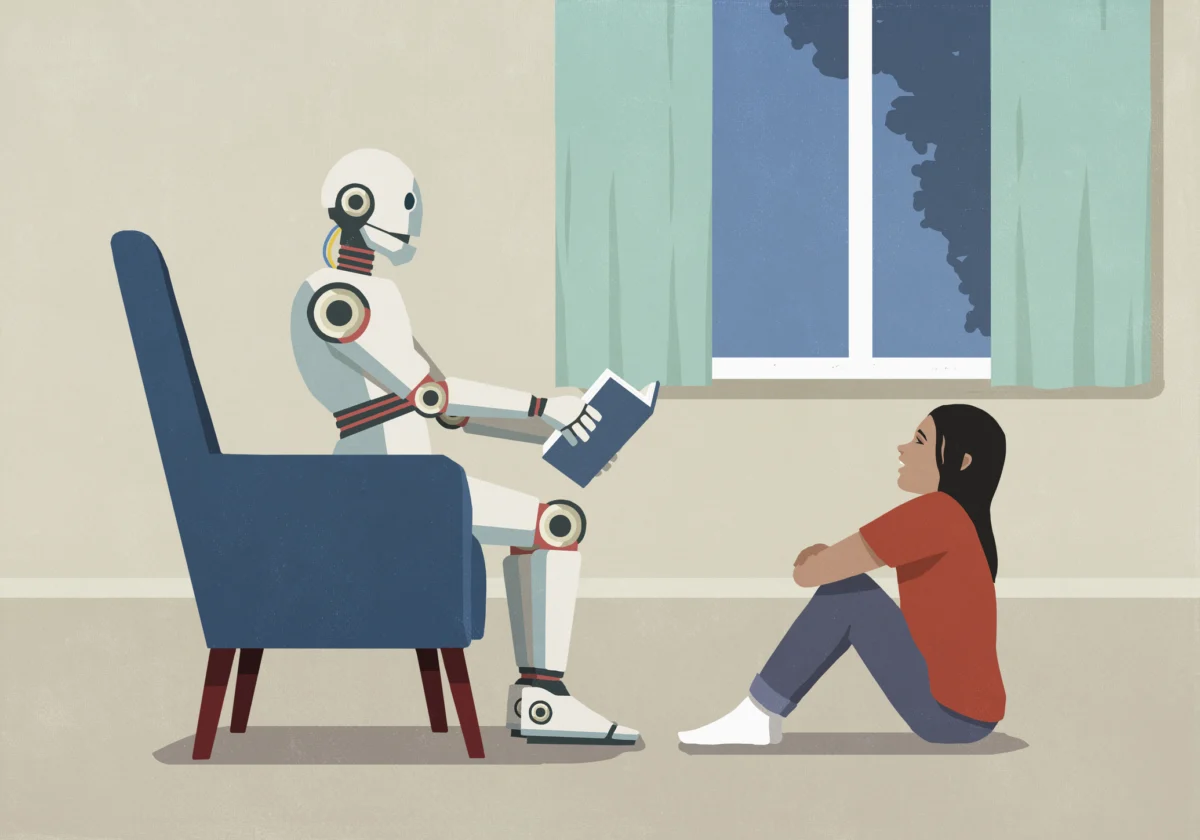
In a move that blurs the lines between technology and timeless childhood tradition, Meta is reportedly developing an innovative artificial intelligence storytelling app named StoryKit. This new application aims to revolutionize how parents engage with their children by offering AI-generated children’s stories, complete with customizable characters, imaginative settings, embedded life lessons, and even original musical scores. The App Store listing itself boldly assures parents, "You don’t need to write a single word," a statement that simultaneously highlights the app’s convenience and sparks a deeper conversation about the future of human creativity and connection.
The existence of StoryKit first surfaced on the digital landscape thanks to the keen observations of 9to5Mac, which spotted its listing on the App Store. Meta has since confirmed to TechCrunch that the company is actively piloting StoryKit in select international markets, meticulously gathering feedback from parents to gauge its reception and potential. A Meta spokesperson elaborated on the app’s purpose, describing it as a "creative storytelling app used to craft personalized, imaginative storybooks for their children." Crucially, Meta has emphasized its commitment to safety, stating that StoryKit incorporates AI safety filters, lacks any social features, and is strictly accessible to users aged 18 and older, underscoring a deliberate effort to create a secure and age-appropriate environment.
The process of generating a story within StoryKit appears to be a remarkably intuitive and visually driven experience. According to the App Store description, users begin by selecting or creating a character. The app offers a novel approach to personalization by allowing parents to "snap a photo of their favorite toy or person to bring them to life," effectively transforming cherished objects or loved ones into story protagonists. Following character creation, users are invited to describe the world their story will inhabit, providing a canvas for boundless imagination. The app further allows for the integration of valuable life lessons, enabling parents to "weave in values like kindness, courage, or empathy without it feeling like a lecture." This feature suggests a sophisticated understanding of pedagogical approaches, aiming to subtly instill important moral and emotional development in children through engaging narratives.
The development of StoryKit arrives at a moment when AI is rapidly permeating various aspects of our lives, from content creation to personal assistance. While Meta has a history of introducing controversial or ill-conceived AI features, such as the much-criticized Instagram deepfake generators and the awkwardly dubbed "pervert glasses," StoryKit appears to be a more considered and potentially beneficial application of the technology. Compared to these previous ventures, the idea of an AI-assisted children’s storyteller, while raising its own set of questions, might be viewed as a less problematic endeavor. This is particularly true when considering Meta’s broader ambitions, including its long-standing push towards a virtual reality-centric metaverse, a vision that has yet to fully materialize into a universally embraced digital utopia.
At its core, StoryKit taps into one of humanity’s oldest and most fundamental forms of expression: storytelling. Humans have been weaving narratives since the dawn of consciousness, a practice deeply ingrained in our cultural fabric and vital for transmitting knowledge, fostering empathy, and understanding the world around us. This tradition is not static; it has always evolved, drawing inspiration from mythology, fables, and the collective human experience. The current cultural landscape even reflects this enduring legacy, with blockbuster films like the summer’s "Odyssey" director Christopher Nolan’s latest work, being a testament to the enduring power of ancient myths that originated from this very tradition of oral storytelling.
The daily realities of modern parenting are undeniably demanding. Parents navigate a complex landscape of work, personal responsibilities, and the constant need to nurture their children’s development. In this context, the allure of a tool that can effortlessly conjure a bedtime story, especially when faced with a child’s spontaneous and imaginative requests – perhaps for an intergalactic adventure featuring a turtle and a hedgehog solving space mysteries – is understandable. However, the question arises: at what cost do we embrace such technological shortcuts? The prospect of replacing the spontaneous, often whimsical, and deeply personal act of a parent creating a story with their child, with an AI-generated script delivered through a smartphone, raises concerns about the erosion of authentic connection and the diminishment of opportunities for shared imaginative play.

The decision to outsource these intimate moments of parent-child bonding to artificial intelligence prompts a critical reflection on the kind of future we are actively shaping. While Meta’s vision for digital interaction may lean towards the solitary and the digitally mediated, there remains a powerful agency for individuals to consciously choose a different path. The development of StoryKit, while technologically impressive, serves as a potent reminder that the essence of storytelling – its ability to connect, to inspire, and to imbue life with meaning – is deeply rooted in human experience. The true moral of this emerging narrative lies not in the technology itself, but in our collective ability to discern and prioritize genuine human connection and creativity in an increasingly automated world. We possess the power to consciously opt out of a future where childhood memories are shaped by algorithms, and instead, to champion the enduring magic of stories born from human hearts and minds.
The potential implications of AI-generated content for children’s media are vast and warrant careful consideration. As AI models become more sophisticated, their ability to mimic human creativity will continue to advance, potentially leading to a deluge of algorithmically produced stories, music, and even art. This raises questions about originality, authorship, and the potential for homogenization of cultural output. For children, whose minds are particularly impressionable, exposure to a steady diet of AI-generated narratives could shape their understanding of creativity, narrative structure, and even emotional expression. Will children develop a preference for perfectly polished, predictable stories over those that are more idiosyncratic and humanly flawed? Will they be less inclined to engage in imaginative play if their stories are always delivered ready-made? These are not hypothetical concerns but rather emerging challenges that parents, educators, and technologists must grapple with.
Furthermore, the commercialization of AI in children’s entertainment presents an additional layer of complexity. Companies like Meta, driven by market share and engagement metrics, may prioritize the development of AI tools that maximize user retention and data collection. This could lead to the creation of stories that are not necessarily the most enriching or developmentally appropriate, but rather those that are most effective at keeping children hooked. The ethical considerations surrounding data privacy and the potential for targeted advertising within children’s apps are also paramount. While StoryKit’s current iteration emphasizes safety and age restrictions, the broader trend of AI integration in children’s products demands a vigilant approach to ensure that commercial interests do not override the well-being and developmental needs of young users.
The appeal of StoryKit, as suggested by its creators, lies in its ability to democratize the creation of personalized stories. For parents who may not possess strong writing skills or who are time-pressed, the app offers a pathway to providing their children with unique and engaging narratives. This could be particularly beneficial for children with specific interests or needs, allowing for stories that cater to their individual curiosities and foster a deeper sense of engagement with reading. For instance, a child fascinated by dinosaurs could have a personalized adventure where they are the protagonist, exploring prehistoric landscapes and learning about different species. This level of customization, previously only accessible through custom-made books or the direct involvement of a skilled storyteller, is now potentially within reach for a wider audience.
However, the very act of "outsourcing humanity’s oldest pastime" carries a subtle but significant weight. Storytelling is not merely about the transmission of information or the creation of entertainment; it is a fundamental aspect of human connection. The shared experience of a parent reading a story to a child, the shared laughter at a funny passage, the hushed anticipation of a suspenseful moment – these are the threads that weave the fabric of familial bonds. When an AI generates a story, it can replicate the words and structure, but can it replicate the warmth of a parent’s voice, the gentle touch on a child’s hand, or the subtle non-verbal cues that convey love and presence? The potential for AI to enhance creativity and access is undeniable, but it should not come at the expense of the irreplaceable human elements that make storytelling such a vital part of childhood development and family life.
The development of StoryKit by Meta signifies a broader societal shift towards embracing AI as a partner in creative endeavors. As AI capabilities expand, we will undoubtedly see more applications emerge that leverage artificial intelligence to assist in tasks previously considered exclusively human domains. The challenge lies in finding a harmonious balance, where AI serves as a tool to augment and enhance human capabilities, rather than as a replacement for them. In the context of children’s stories, this means exploring how AI can empower parents to be even better storytellers, perhaps by providing prompts, generating illustrations, or suggesting plot twists, while still ensuring that the core creative impulse and emotional connection remain firmly rooted in the human parent-child relationship. The success of StoryKit, and indeed the future of AI in creative fields, will depend on our ability to navigate this complex terrain with both technological innovation and a deep understanding of what it truly means to be human.
