
 By admin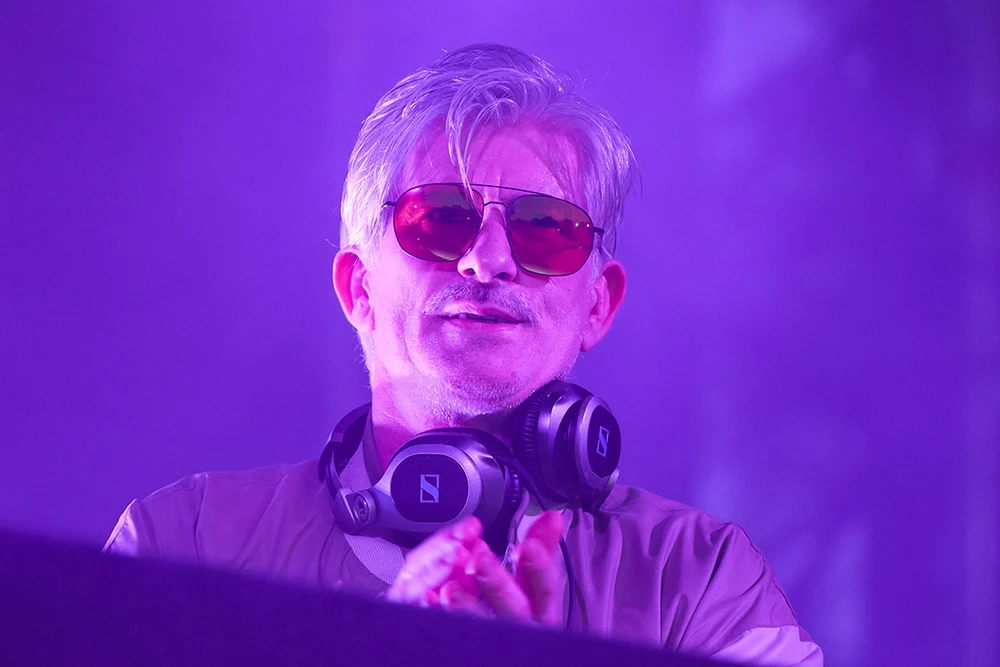
The vibrant pulse of the electronic music world dimmed Tuesday with the passing of French producer and DJ Kavinsky, whose iconic track "Nightcall" became an indelible part of cinematic history. He was 50 years old. The artist, born Vincent Belorgey, was discovered deceased at his Paris residence Tuesday evening. Authorities have initiated an investigation into the circumstances surrounding his death, though initial reports indicate no foul play. French media, citing Reuters, have suggested that the musician had reportedly experienced headaches in the days preceding his untimely demise.
While Kavinsky had cultivated a dedicated following within France’s influential electronic music scene for years, it was the haunting, synth-laden melody of "Nightcall" that propelled him to international cult status. The track, a masterful collaboration with Guy-Manuel de Homem-Christo of the legendary Daft Punk and featuring the distinctive vocals of Lovefoxxx from the Brazilian band CSS, served as the opening salvo for Nicolas Winding Refn’s critically acclaimed 2011 film, "Drive." More than just a soundtrack piece, "Nightcall" became intrinsically woven into the film’s neo-noir aesthetic, an evocative auditory signature that not only defined the movie’s mood but also emerged as one of the definitive electronic anthems of the 2010s. Its enduring appeal resonated so strongly that Kavinsky most recently performed the track at the closing ceremony of the Paris 2024 Olympic Games, sharing the stage with fellow French artists Phoenix and Angèle. This globally broadcast performance introduced "Nightcall" to an entirely new generation of listeners, over a decade after its initial cinematic debut, underscoring its timeless quality and Kavinsky’s lasting impact.
Kavinsky’s journey into the world of music was a departure from a previous career in acting, where he collaborated with long-time friend Quentin Dupieux on several films. Born in Seine-Saint-Denis in 1975, Belorgey’s artistic sensibilities were deeply rooted in a fascination with the aesthetics of 1980s action cinema, the immersive worlds of arcade games, and the sleek allure of sports cars. This potent blend of influences coalesced into the creation of his distinctive artistic persona: Kavinsky, the enigmatic, undead driver. This fictional character, according to his lore, had been resurrected from a fatal Ferrari crash, destined to craft electronic music that mirrored his spectral existence and automotive obsession. This narrative provided a compelling backdrop to his music, adding a layer of mystique that captivated his audience.
His emergence onto the music scene in the mid-2000s was marked by releases through the esteemed French independent label Record Makers. Prior to the global phenomenon of "Nightcall," he established his sonic identity with a series of influential EPs, including "Teddy Boy," "1986," and the titular "Nightcall." These early works showcased his burgeoning talent for crafting atmospheric, retro-futuristic electronic soundscapes. His burgeoning reputation led to touring opportunities alongside some of the era’s most significant electronic acts, including Daft Punk and Justice, further cementing his place within the burgeoning electronic music fraternity.
The release of his debut album, "OutRun," in 2013, was a pivotal moment, crystallizing the retro-futuristic sound that would become inextricably linked with the rapidly growing synthwave movement. "OutRun" was more than just a collection of tracks; it was a meticulously crafted sonic universe, evoking the feeling of late-night drives through neon-lit cityscapes, a soundtrack for a bygone era reimagined for the future. The album’s success and its distinctive sonic palette were instrumental in defining the characteristics of synthwave – its analog synth textures, driving rhythms, and nostalgic, often melancholic, melodies. This album solidified his artistic vision and provided a blueprint for many aspiring producers who were drawn to the genre’s unique blend of past and future.
Following a significant hiatus, Kavinsky returned to the studio and released his second album, "Reborn," in 2022. This comeback album demonstrated his continued evolution as an artist, while still retaining the core elements that defined his sound. It signaled a renewed commitment to his craft and offered fans a glimpse into his continued exploration of electronic music’s vast possibilities.
While Kavinsky may not have achieved the same level of mainstream commercial ubiquity as some of his French electronic music contemporaries, such as Daft Punk or Justice, his influence on a generation of producers is undeniable. His dedication to a specific aesthetic – nostalgic, cinematic electronic music – resonated deeply with artists seeking to evoke a similar mood and atmosphere. He played a crucial role in popularizing the synthwave genre, not just within France, but on a global scale, inspiring countless musicians and contributing significantly to the genre’s wider acceptance and appreciation. The legacy of Kavinsky is not merely in the chart success of a single track, but in the enduring sonic fingerprint he left on electronic music, a testament to his unique artistic vision and his ability to transport listeners through sound. His passing leaves a void in the electronic music landscape, but the echoes of "Nightcall" and the spirit of his retro-futuristic sound will undoubtedly continue to inspire for years to come. The investigation into his death is ongoing, but the music he leaves behind ensures his memory will endure.
