
 By Lina Irawan
The sudden and tragic death of Chadwick Boseman from colon cancer in August 2020 sent shockwaves across the globe, particularly among his legions of fans and the entertainment industry. At just 43 years old, the actor and playwright had become a cultural icon, most notably for his groundbreaking portrayal of King T’Challa in Marvel’s first "Black Panther" movie. His passing was made all the more poignant by the revelation that he had privately battled the disease for four years, often working tirelessly on demanding film sets while undergoing surgeries and chemotherapy, a testament to his immense dedication and resilience. He embodied strength and grace both on and off screen, leaving an indelible mark on cinema and inspiring millions with his commitment to representation and excellence.
Now, nearly six years after his untimely death, Boseman’s multimillion-dollar estate is once again making headlines, entangled in a contentious legal dispute among his closest loved ones. The core of the issue stems from the fact that Boseman died without a will, a common oversight that can lead to significant complications and emotional strife for grieving families. This oversight has brought his family back into a California courtroom, where his two brothers, Kevin Boseman and Derrick Boseman, have formally petitioned a judge to remove his widow, Simone Ledward Boseman, from her role as administrator of the estate. They are also seeking to have Ledward held in contempt of court, alleging significant delays, poor communication, and mismanagement in the resolution of the estate. Simone Ledward Boseman has not yet publicly responded to these serious allegations.
This high-profile family feud, involving the legacy of a beloved celebrity, starkly illuminates three critical legal issues that are of particular interest to scholars of inheritance law and serve as vital lessons for anyone considering their own estate planning. Firstly, it underscores that when an individual dies without a valid will, the distribution of their property is governed strictly by state intestacy laws, which can often lead to unintended outcomes. Secondly, it highlights the inherent friction that can arise when one heir is appointed to manage the entire estate, balancing personal interest with fiduciary duties to other beneficiaries. And thirdly, it brings into focus the rare but necessary power of judges to remove an estate administrator for serious misconduct or failure to fulfill their legal obligations.
Spouses Don’t Necessarily Inherit Everything: The Nuances of Intestacy Laws
A common misconception is that a surviving spouse automatically inherits all of their deceased partner’s assets, especially if there are no children. However, as the Boseman case illustrates, this is far from universally true. Every state in the United States has its own specific intestacy statute, a set of laws that dictate how a deceased person’s property is to be divided and distributed when they die without a valid will. These laws vary considerably from state to state, making it crucial for individuals to understand the specific regulations in their jurisdiction.
In California, where Chadwick Boseman resided and passed away at his Los Angeles home, the law distinguishes between two primary categories of property for married individuals: "community property" and "separate property." Community property generally includes all assets acquired by either spouse during the marriage, such as income, real estate, and investments. Under California law, the surviving spouse inherits all of the couple’s community property.
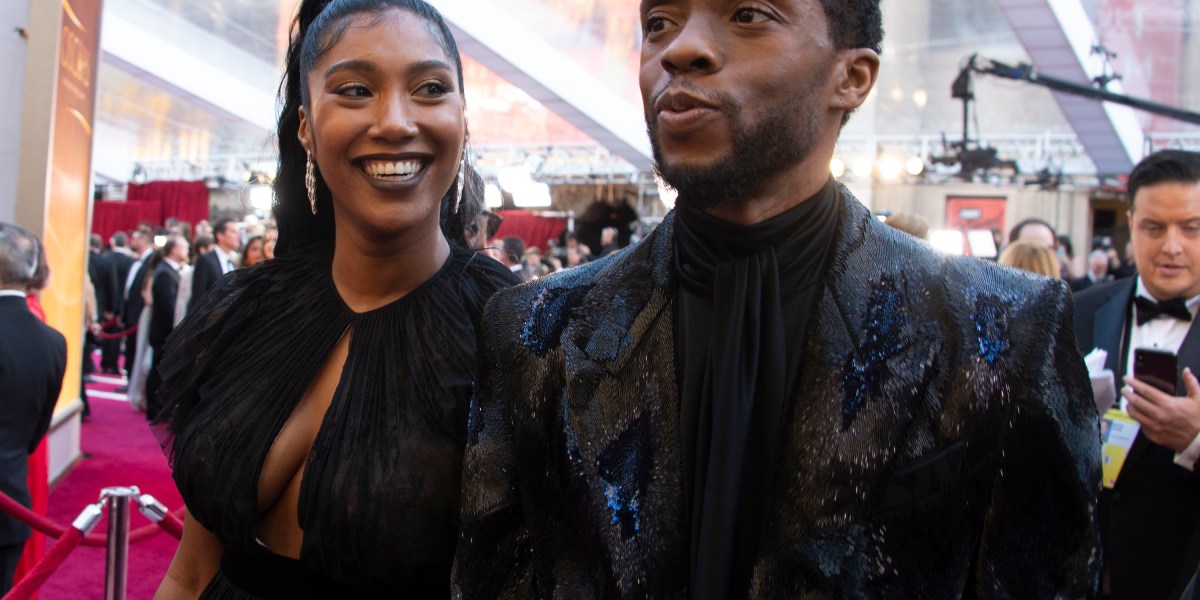
However, the timing of Chadwick Boseman’s marriage to Simone Ledward Boseman introduces a critical complication. The couple, who had maintained a long-term relationship largely out of the public eye, married just six days before his death. In such a short marriage, there would likely be minimal community property accumulated. This makes the classification and distribution of Boseman’s "separate property" exceptionally significant. Separate property typically encompasses assets acquired before the marriage, as well as any assets received individually during the marriage through gifts or inheritance.
Under California’s intestacy laws, if a married resident dies childless and without a will, and their parents are still alive (which was the case for Chadwick Boseman), the surviving spouse does not inherit everything. Instead, the spouse receives only half of the deceased’s separate property. The remaining half is then distributed to the deceased’s parents. This legal provision explains why Carolyn and Leroy Boseman, Chadwick’s parents, initially had a direct financial interest in his estate despite his marriage. However, public records indicate that Boseman’s parents subsequently assigned their inheritance rights to their other two sons, Kevin Boseman and Derrick Boseman, thus transferring their stake in the estate to the actor’s brothers. This assignment of rights is a perfectly legal mechanism but further complicates the family dynamics and the distribution process.
This intricate division highlights how default state laws can diverge significantly from what a deceased individual might have intended, or what their family might assume. A carefully drafted will could have explicitly outlined Boseman’s wishes for his substantial separate property, potentially avoiding this contentious division and the subsequent legal battle.
Why One Heir is Often Put in Charge: The Dual Role of an Administrator
The process of settling an estate is a complex and often lengthy undertaking. It involves a myriad of responsibilities, including locating and valuing all of the deceased person’s assets, paying off any outstanding debts and liabilities, handling all tax obligations (including income and estate taxes), communicating with all heirs and creditors, filing regular reports with the probate court, and finally, distributing the remaining assets according to the law or the deceased’s will.
In the absence of a will, a probate court must appoint an estate administrator to oversee this process. In Boseman’s case, his widow, Simone Ledward Boseman, was appointed to this role because California law grants the surviving spouse the highest priority to administer the estate. All of these proceedings take place under the supervision of the probate court, which is specifically tasked with overseeing the administration of estates.
This situation places Ledward Boseman in a challenging dual role. On one hand, she is an heir, entitled to inherit a share of Chadwick Boseman’s wealth and future income generated from his intellectual property, such as residuals from his films, endorsement deals, and potential posthumous projects. On the other hand, she is the court-appointed estate administrator, legally responsible for managing the entire estate for the benefit of all heirs.
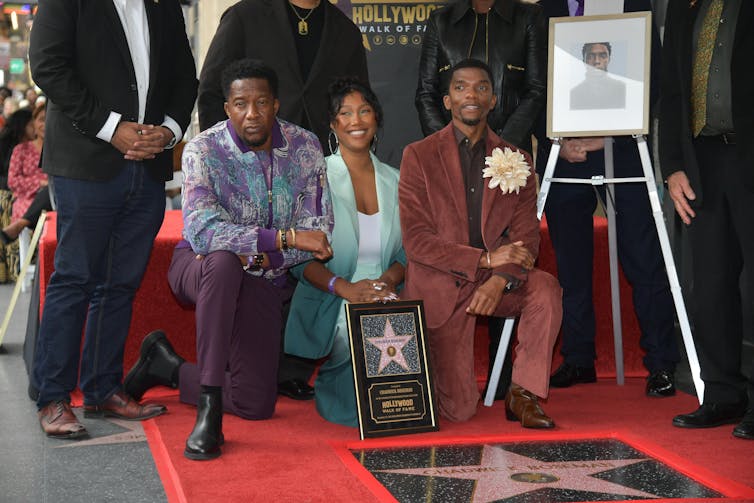
This dual capacity inherently creates a potential for conflict, as heirs often harbor suspicions or disagreements regarding whether the person managing the estate is acting impartially for the benefit of everyone involved or is prioritizing their own interests. Disputes over the conduct of executors, administrators, and other estate fiduciaries are among the most frequent issues litigated in probate courts across the country.
As the court-appointed administrator, Ledward Boseman owes strict fiduciary duties of loyalty and impartiality to all beneficiaries of the estate, including Boseman’s parents (or, in this case, their assignees, his brothers). This means she is legally obligated to act in the best interests of the entire estate and all heirs, without favoring her own personal interests over theirs. Her duties also include maintaining accurate financial records, providing transparent and timely communication to other heirs, and distributing the estate’s assets in strict accordance with California law. The allegations made by Boseman’s brothers – delays, poor communication, and mismanagement – directly challenge her fulfillment of these critical fiduciary responsibilities.
Planning Ahead Helps After You’ve Gone: The Power of Proactive Estate Planning
The Boseman case serves as a powerful reminder of the profound benefits of proactive estate planning. Drafting a comprehensive will and carefully considering who should manage one’s estate can significantly mitigate the likelihood of such painful and public disputes. For instance, if family dynamics suggest a predisposition to conflict, it might be more prudent to designate a neutral third party, rather than an heir, to serve as the estate administrator or executor.
This neutral party could be a qualified attorney, an experienced accountant, or a professional fiduciary—an individual or entity with specialized expertise in estate administration. Such professionals are often better positioned to earn the trust of all beneficiaries, given their impartiality and professional obligations. While a professional fiduciary will typically charge fees for their services, which adds to the cost of estate administration, this expense can often be offset by the avoidance of potentially far more costly and emotionally draining legal battles and family strife. In contrast, family members who serve in this role sometimes choose to waive their compensation, a decision that can carry certain tax advantages. In Boseman’s estate, his widow reportedly waived her fee for serving as the administrator. However, as this case demonstrates, waiving fees does not necessarily preclude disputes over performance.
Beyond simply naming an executor, a well-drafted will provides clear instructions for the distribution of assets, designates guardians for minor children (if applicable), and can even include provisions for specific funeral arrangements or charitable donations. A living trust, another powerful estate planning tool, can further enhance privacy and help an estate avoid the often lengthy and public probate process altogether.
Ultimately, while no amount of planning can entirely guarantee family harmony after a death, a solid estate plan, clearly articulating the deceased’s wishes and selecting an appropriate fiduciary, can dramatically reduce uncertainty and provide crucial guidance. It empowers the deceased’s loved ones to navigate a difficult period with greater clarity and fewer legal complications than if the state’s default inheritance rules were to kick in.

Why Judges May Replace Estate Administrators: Grounds for Removal
The current challenge in the Boseman case also highlights a remedy that probate judges employ sparingly but decisively: the removal of an estate administrator. This is a significant action, as replacing the person in charge of an estate inevitably increases administrative costs and can cause considerable delays in the estate’s final resolution. Consequently, judges typically require more than mere family disagreement or minor squabbles before they will consider such a drastic change.
Requests for removal are usually made when heirs present compelling evidence of serious misconduct or a fundamental failure to fulfill fiduciary duties. Common grounds for removal include:
- Protracted Delays: Unreasonable and unexplained delays in the administration of the estate.
- Poor Communication: Failure to keep heirs reasonably informed about the estate’s progress, financial status, or significant decisions.
- Bad Record-Keeping: Inability to maintain accurate and transparent financial records for the estate.
- Conflicts of Interest: Actions taken by the administrator that clearly prioritize their personal gain over the collective interests of all beneficiaries.
- Failure to Follow Court Orders: Disregard for instructions or deadlines set by the probate court.
- Harm to the Estate: Actions or inactions that have demonstrably caused financial damage or diminished the value of the estate.
In the Boseman case, the late actor’s brothers have leveled precisely these types of claims against Simone Ledward Boseman, alleging stalled resolution, delays, poor communication, and mismanagement. It will now be incumbent upon the court to meticulously review the evidence presented by both sides and determine whether these allegations meet the legal threshold for removing the administrator. The request to hold Ledward in contempt of court further underscores the seriousness of the brothers’ claims, implying a belief that she has actively defied court directives or engaged in egregious behavior.
Regardless of the court’s ultimate decision, this case powerfully illustrates that most estate disputes are not solely about abstract legal rules. They are deeply intertwined with common human problems: the profound grief associated with loss, inherent family conflicts and rivalries, slow or nonexistent communication, and differing expectations among beneficiaries. These emotional and relational factors can quickly escalate legal complexities into deeply personal and acrimonious battles.
In conclusion, while preparing a solid estate plan cannot entirely insulate a family from all potential conflicts after a death, it serves as the most effective defense. By clearly naming who should manage the estate, providing explicit guidance on asset distribution, and proactively addressing potential areas of contention, a deceased person can significantly ease the burden on their loved ones. Such foresight helps prevent the very kind of public, protracted, and painful disputes currently afflicting Chadwick Boseman’s estate, allowing his legacy to be remembered for his extraordinary life and achievements rather than for the legal complexities that followed his passing.
