
 By admin
Transferable rewards are the most potent currency in the travel ecosystem primarily because of their unmatched versatility. Major financial institutions—including American Express, Bilt, Capital One, Chase, Citi, and Wells Fargo—offer premium rewards credit cards that earn proprietary points or miles. Unlike co-branded airline or hotel cards that lock your earnings into a single "walled garden," these programs allow you to move your rewards to an array of external airline and hotel partners. This flexibility is the bedrock of "award hacking," enabling travelers to leverage the best redemption rates across dozens of different loyalty programs.

The strategic value of these points becomes most apparent when aiming for premium cabin travel—such as international business or first class—or when trying to minimize the total number of points required for a specific stay. Instead of being beholden to the dynamic pricing of a single airline like Delta or United, a holder of transferable points can shop their rewards across various alliances. If one airline’s pricing is sky-high, you can simply transfer your points to a partner airline within the same alliance that offers a better "sweet spot." This ability to pivot is what allows savvy travelers to book $10,000 first-class suites for a fraction of the cost in points.
In the current economic climate, where travel demand remains high and loyalty programs frequently update their award charts, mastering the art of the transfer is perhaps the most important skill a traveler can acquire. By maintaining a balance of transferable points, you are effectively hedging against inflation. If Hyatt devalues its award chart, your Chase Ultimate Rewards points can still be transferred to United or Southwest. If American Express partners change their terms, you still have a dozen other options to explore. You are no longer a passive participant in a single loyalty program; you are a "free agent" with the power to choose the highest-value redemption available at any given moment.

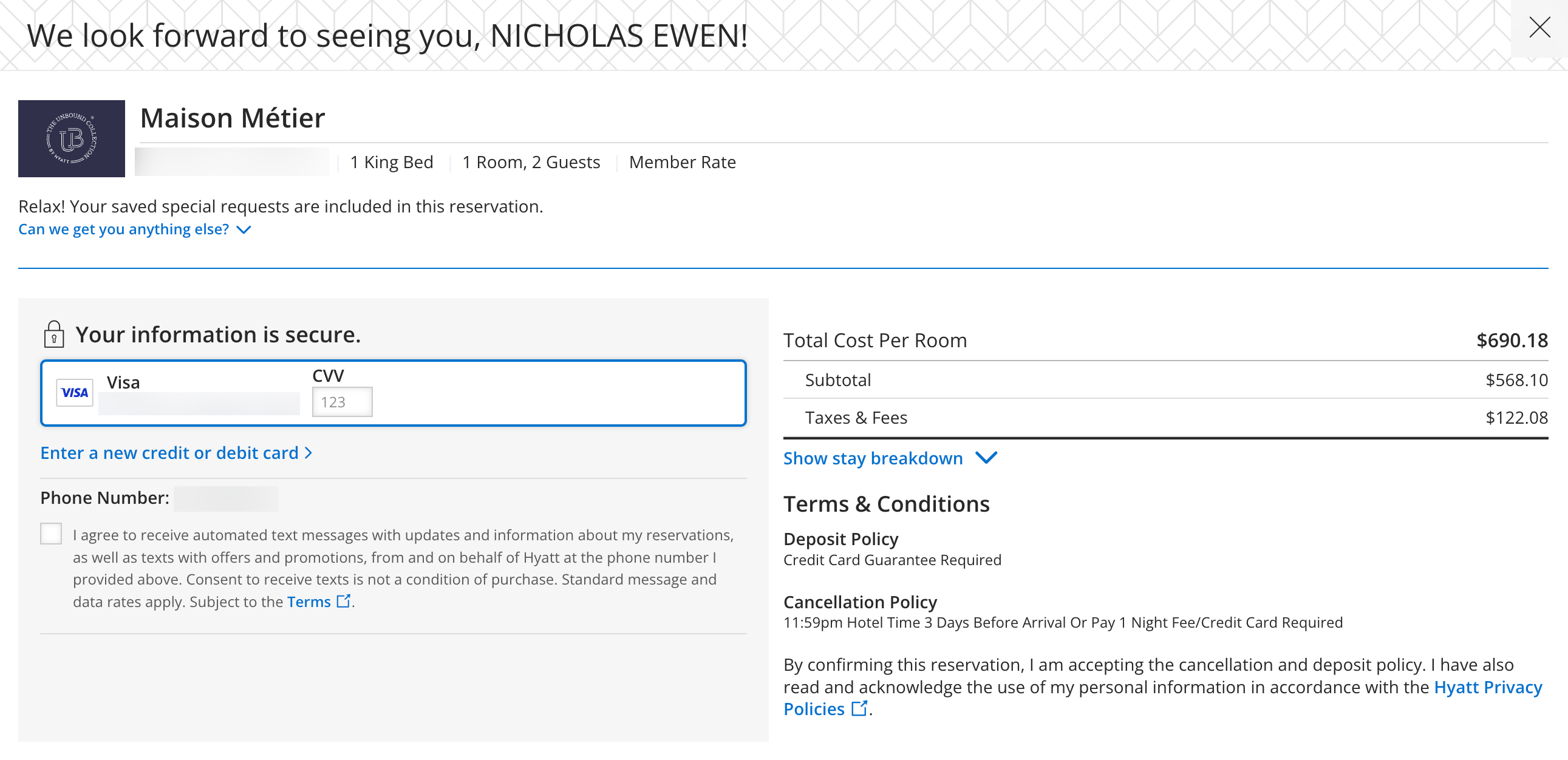
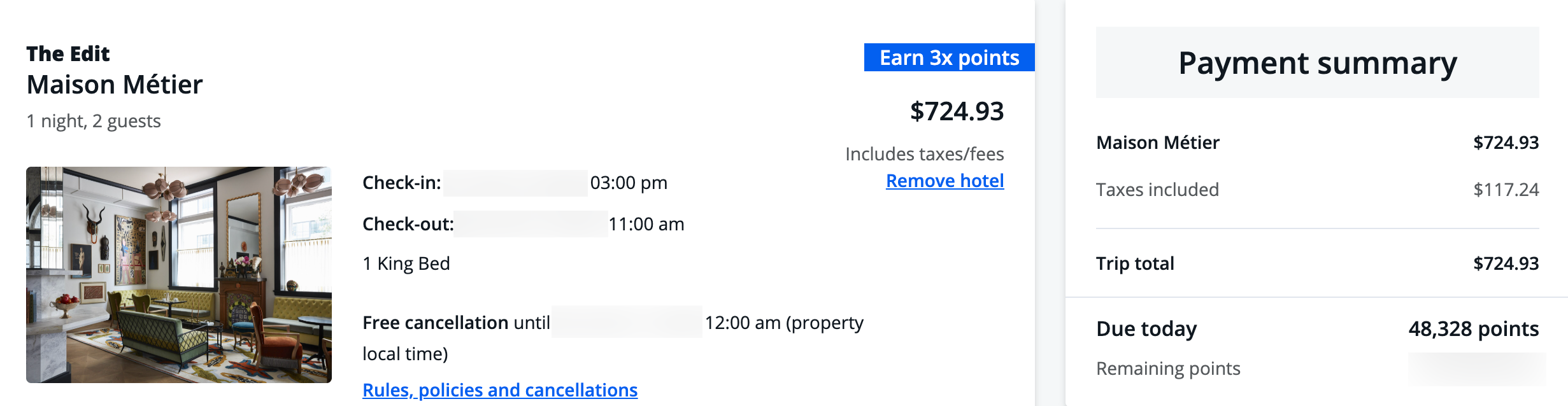
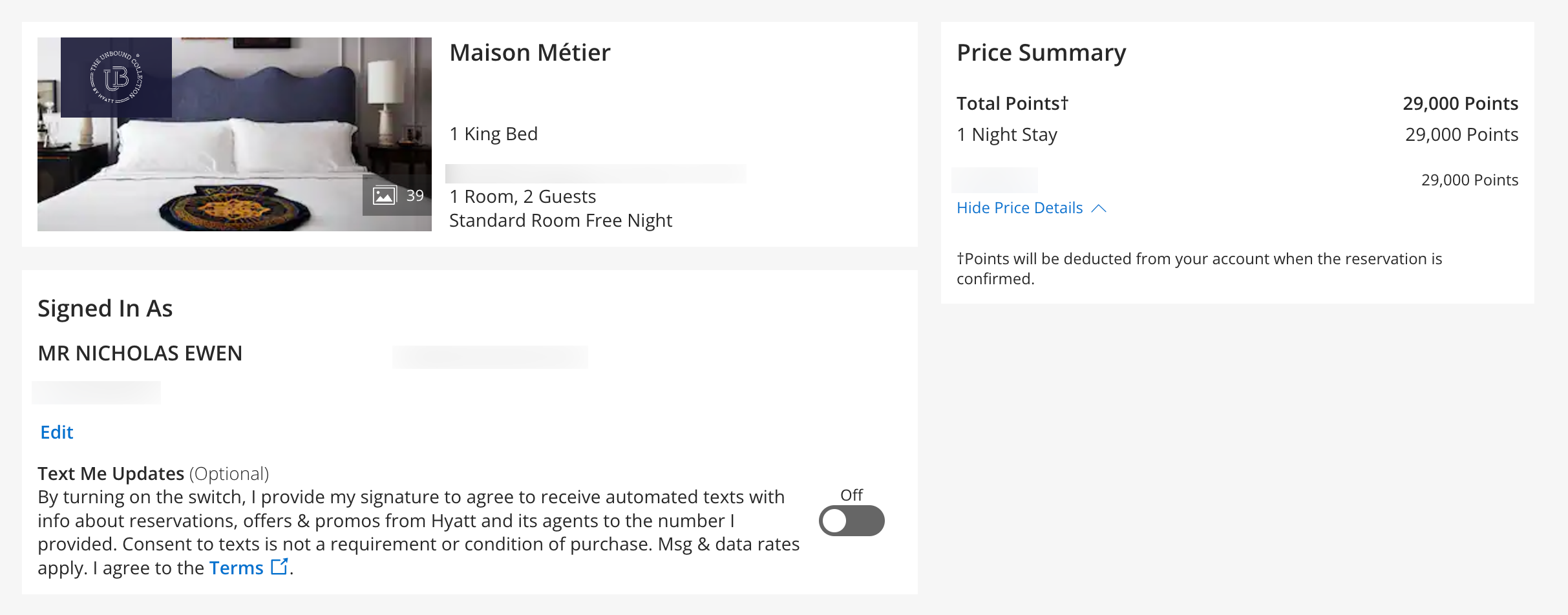
To understand why transferable points are so coveted, one must look at the math of redemption. While points can be used for gift cards, merchandise, or even statement credits, these options usually provide a poor return on investment. The real magic happens when you transfer points to a partner where the redemption value eclipses 2 cents per point. For instance, consider a scenario involving the Maison Metier in New Orleans, a luxury property within Hyatt’s Unbound Collection. A standard night might cost $690 in cash. Through a traditional credit card travel portal, a cardholder with a 1.5-cent-per-point redemption rate would need roughly 46,000 points to cover the stay. However, by transferring those same points to World of Hyatt at a 1:1 ratio, the room might only cost 29,000 points. This results in a redemption value of 2.38 cents per point, significantly higher than the TPG August 2026 valuation of 2.05 cents for Chase points.
This arbitrage—the ability to get more than two cents of value for every point earned—is why ecosystems like Chase Ultimate Rewards and Amex Membership Rewards are the focus of serious enthusiasts. Let’s take a deeper look at the major players in this space.
American Express Membership Rewards remains a titan in the industry, with TPG’s August 2026 valuations placing them at a robust 2 cents per point. Amex’s strength lies in its diverse roster of over 20 airline and hotel partners, some of which are exclusive to the issuer. Unique partners like ANA Mileage Club offer legendary value for transpacific flights, while Delta SkyMiles provides a familiar domestic outlet. Amex is also known for its frequent, albeit sometimes targeted, transfer bonuses, which can add 20% to 40% more value when moving points to partners like Virgin Atlantic or British Airways. To amass these points, the American Express Gold Card and The Platinum Card from American Express are the primary drivers, offering high multipliers on dining, groceries, and airfare. Furthermore, Amex users can utilize the Rakuten shopping portal to earn Membership Rewards points instead of cash back, a tactic that can generate tens of thousands of bonus points annually on everyday purchases.
Chase Ultimate Rewards is often cited as the most user-friendly ecosystem, particularly for those who value hotel stays. The 1:1 transfer ratio to World of Hyatt is widely considered the single most valuable transfer partnership in the industry. However, the landscape is evolving; for Sapphire Preferred cardholders who joined after June 15, 2026, the transfer ratio to Hyatt will shift to 4:3 starting October 1, 2026. Despite this, the "Chase Trifecta"—a combination of the Sapphire Reserve, Freedom Flex, and Ink Business Cash—remains a dominant strategy for maximizing point accumulation across all spending categories. The ability to move points between accounts and then out to partners like United MileagePlus or Air Canada Aeroplan makes Chase an essential component of any travel strategy.
Capital One has undergone a dramatic transformation over the last several years, evolving from a provider of simple "eraser-style" rewards to a major force in the transferable points market. The Capital One Venture X Rewards Credit Card has become a fan favorite, offering a streamlined 2x earning rate on all purchases coupled with premium lounge access. Capital One’s transfer network includes over 15 partners, with Air Canada Aeroplan and Avianca LifeMiles serving as particularly strong options for Star Alliance bookings. For business owners, the Venture X Business provides a similar value proposition, ensuring that every dollar of corporate spend contributes to a high-value travel fund.
Bilt Rewards has revolutionized the rewards space by addressing the single largest expense for many Americans: housing. By allowing users to earn points on rent or mortgage payments without the typical transaction fees, Bilt has created a unique niche. Its partnership list is world-class, featuring heavy hitters like Alaska Airlines and World of Hyatt. Bilt’s "Rent Day" promotions, occurring on the first of every month, often include massive transfer bonuses that can effectively double the value of your points overnight. With the Bilt Blue, Obsidian, and Palladium cards, the program caters to a wide range of financial profiles, all while maintaining a focus on high-value travel transfers.
Citi ThankYou Rewards and Wells Fargo Rewards round out the field. Citi has bolstered its appeal by adding American Airlines AAdvantage as a transfer partner for select cardholders, a move that significantly increased the utility of the Citi Strata Premier Card. By leveraging Citi’s international partners like Qatar Airways Privilege Club, savvy users can book the world-renowned Qsuite business class for a fraction of the retail price. Meanwhile, Wells Fargo is the newest challenger, with its Autograph Journey Card recently winning industry accolades for its straightforward earning categories and growing list of transfer partners. While its roster is currently smaller than Amex or Chase, the program represents a refreshing, low-annual-fee entry point into the world of transferable rewards.
The bottom line is that while earning points is the first step, the method of redemption determines your ultimate success. Transferring to partners is the key to unlocking "outsized value"—those rare moments where a single point is worth three, four, or even five cents. It requires more research than simply clicking "pay with points" in a travel portal, but the rewards—lounging in a lie-flat seat over the Atlantic or staying in a five-star resort in the Maldives—are well worth the effort. By focusing your spending on cards that earn transferable rewards, you are not just saving for a trip; you are investing in a flexible, high-yield currency that ensures you can travel better, longer, and more luxuriously than ever before.
