
 By Lina Irawan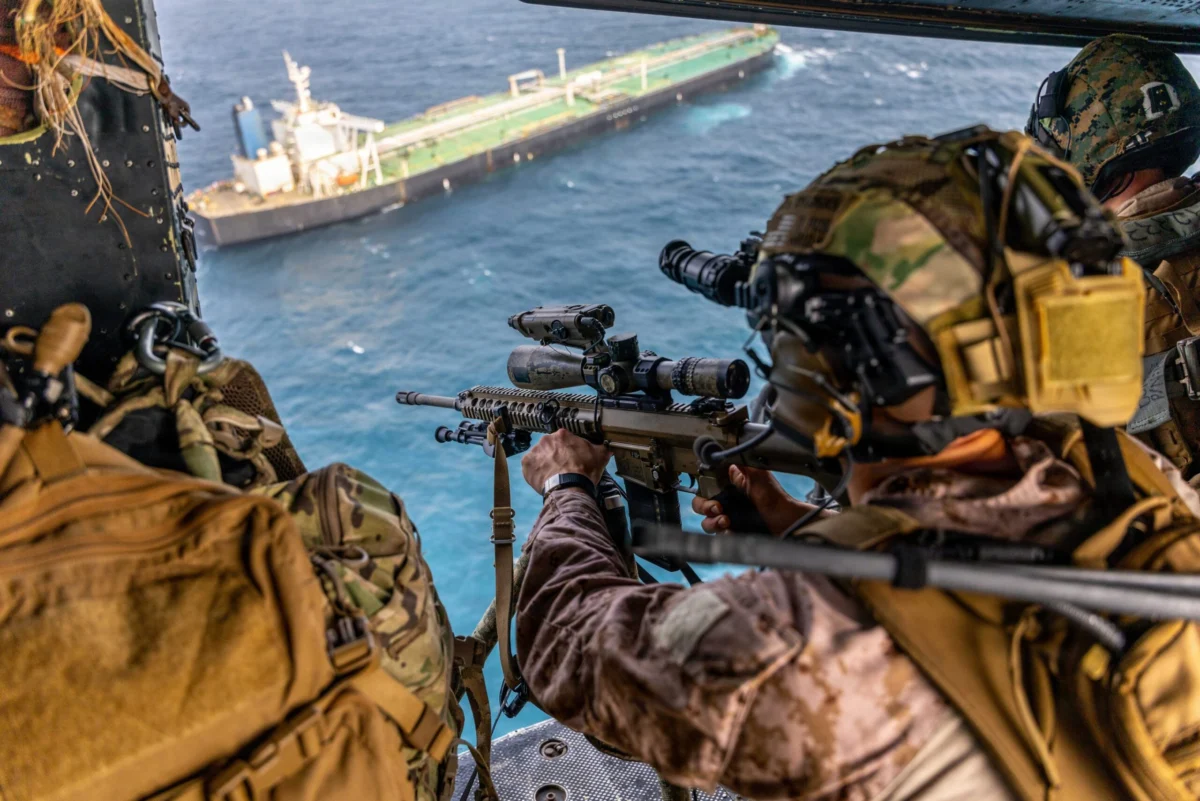
The past week has seen a dramatic acceleration of these overlapping tensions. Last weekend, Kyiv announced a significant escalation: Ukrainian forces attacked an Iranian cargo ship allegedly ferrying military supplies between Iran and Russia in the Caspian Sea. While Iran vehemently denied any involvement in Russia’s ongoing war against Ukraine, Kyiv has consistently provided evidence and intelligence indicating Tehran’s extensive supply of advanced drones, such as the Shahed-136 and Shahed-131 series, to its Russian ally. These "kamikaze" drones have been instrumental in Russia’s sustained aerial campaigns against Ukrainian civilian infrastructure and energy grids, making the disruption of their supply chain a high strategic priority for Ukraine. The strike in the Caspian Sea, a body of water historically considered a secure inland route for Iran and Russia, marks a bold and provocative move by Ukraine, signaling its willingness to target the logistical lifelines of its adversaries far beyond its conventional battlefields. This act not only aims to cripple Russia’s access to critical military hardware but also sends a clear message to Iran regarding the consequences of its support for Moscow.
Days later, the conflict further widened its geographic scope and intensified its economic impact. Drones, attributed by Egyptian authorities to Iran, struck liquid natural gas (LNG) tankers at a bustling port on Egypt’s Mediterranean coast. This incident represents a grave milestone, marking the first time Egypt, a nation that has historically sought to maintain a delicate balance and neutrality in regional conflicts, has been directly targeted during the escalating Iran war. The attack immediately triggered alarm bells across global markets, threatening the Suez Canal’s indispensable status as a safe and efficient maritime artery for oil and gas shipments traversing between the Red Sea and the Mediterranean. The Suez Canal, a linchpin of global commerce, facilitates approximately 12% of world trade, including a substantial portion of Europe’s energy imports. Any sustained threat to its security or the surrounding shipping lanes could lead to significant disruptions, driving up European gas prices, inflating global shipping rates, and drastically increasing insurance premiums for vessels operating in the region.
Simultaneously, the vital Red Sea shipping lanes remain under severe duress. Saudi Arabia, a key regional rival to Iran, announced the formation of a multinational military coalition aimed at protecting commercial shipping from persistent attacks by Iran-backed Houthi rebels. These rebels, operating from Yemen, have increasingly targeted ships utilizing the Bab el-Mandeb Strait, a narrow chokepoint connecting the Red Sea to the Gulf of Aden. This strait is critically important for Saudi Arabia, which has increasingly relied on it to export its vast oil reserves and bypass the more volatile Strait of Hormuz, a waterway frequently threatened by Iran. Riyadh reported that fourteen nations have pledged support for this new coalition, including regional heavyweights like Turkey and Egypt, as well as Pakistan, Nigeria, and several other Arab and African nations. This broad-based support underscores the widespread international concern over the destabilization of these crucial maritime trade routes and highlights a growing regional consensus against Iranian proxy actions.
Dan Alamariu, chief geopolitical strategist at Alpine Macro, provided a stark assessment in a recent note, observing that Iran and its network of proxies have either struck or directly threatened nearly every country in the region since the conflict began in February. "Egypt was the largest one still untouched, and it had worked assiduously to stay that way, meticulously keeping open relations with both Washington and Tehran," Alamariu elaborated. "However, its carefully cultivated neutrality ultimately did not exempt it from the widening conflict." He further warned that the Mediterranean attack, unequivocally attributed to Iran by Egypt, would inevitably impact European gas prices, global shipping rates, and maritime insurance costs, creating a ripple effect across interconnected global economies. The escalating tit-for-tat exchanges suggest a dangerous new phase. "The Iran and Ukraine wars may indeed be connecting in ways previously unimaginable," Alamariu cautioned. "A Ukrainian strike in the Caspian Sea was followed within days by burning gas ships on the Mediterranean. It may not be coincidental; there is a tangible tail risk of some profound convergence between the two conflicts."
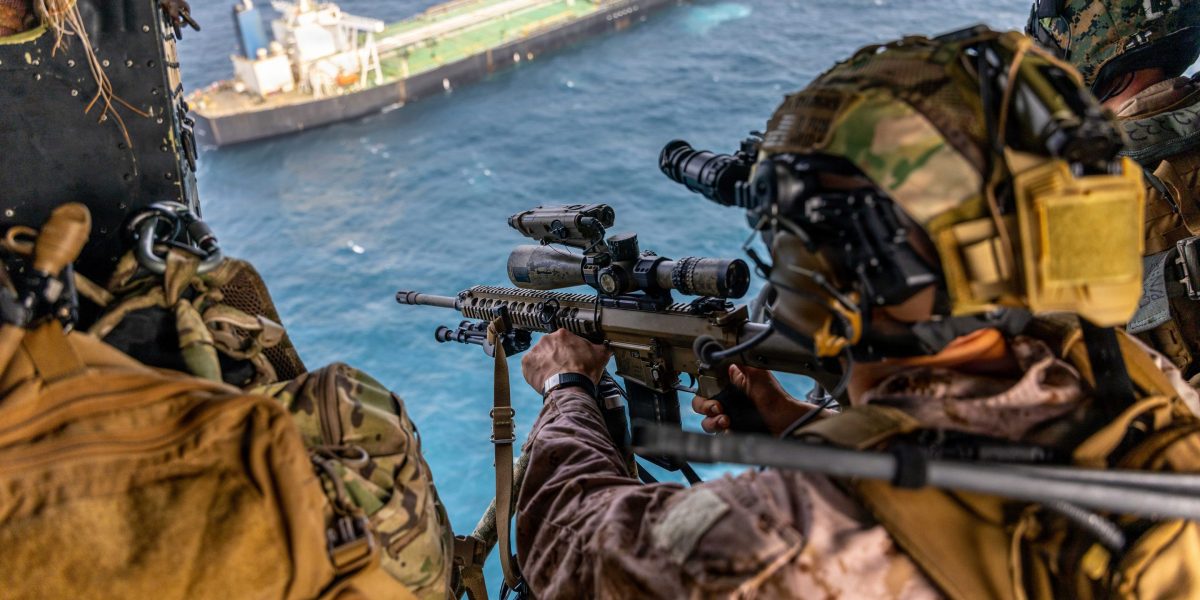
Hamidreza Azizi, a distinguished Iran expert at the think tank SWP Berlin, echoed the concerns about potential crosscurrents and offered several compelling interpretations for Ukraine’s audacious strike on the Iranian ship. One perspective posits that Ukraine sought to unequivocally demonstrate its operational value and strategic prowess as an indispensable partner to the United States and its Western allies, proving its capacity to project power beyond its borders and impact global supply chains vital to its adversaries. Another view suggests that the strike was a coordinated action, with Israel and the U.S. potentially asking Ukraine to exert pressure on Iran on their behalf. This strategy would allow Washington and Jerusalem to avoid direct retaliation against Iranian infrastructure, which could trigger immediate and severe reprisal attacks against highly vulnerable regional economic assets, such as oil facilities or maritime hubs. A third interpretation suggests Ukraine’s attack was a direct, albeit delayed, response to the Houthi rebels’ escalating threats and attacks on shipping in the Bab el-Mandeb Strait, thereby linking the Red Sea crisis directly to the conflict in Eastern Europe. Furthermore, according to reports from the Financial Times, the Ukrainian strike prompted considerable speculation within Tehran that it was intended as a calculated warning: to demonstrate that Iran’s strategically important Caspian coast is vulnerable and could be leveraged as a bargaining chip in future negotiations with the U.S.
Ukraine’s influence is indeed extending well beyond its traditional borders, increasingly asserting itself as a significant player in the complex dynamics of the Middle East. In March, Kyiv signed a groundbreaking security agreement with Saudi Arabia, committing to provide the kingdom with invaluable expertise honed in defending against the very same Iranian-designed drones that Russia has deployed against Ukraine. This strategic partnership highlights a growing alignment of interests, as both Ukraine and several Gulf states face the common threat posed by Iranian drone technology and its proliferation. Ukrainian President Volodymyr Zelenskyy has further cemented these ties through recent visits to the United Arab Emirates and Qatar, seeking to forge similar security agreements and expand cooperation in areas of defense and technology. This proactive diplomacy underscores Ukraine’s strategy to diversify its alliances and demonstrate its capabilities as a global security provider, while also subtly drawing a clearer line between those who support its struggle and those who enable its adversaries.
The escalating interconnectedness of these conflicts has led to calls for a more expansive international response. Former Defense Secretary Mark Esper, who served in the first Trump administration, forcefully argued that the Iran war must be "internationalized" to include a broader coalition of America’s allies. This coalition, he suggested, should encompass nations in Asia and Europe, as well as countries bordering Iran, such as Turkey, Armenia, and Azerbaijan. "We have to globalize this conflict because it’s fundamentally affecting international commerce," Esper declared on Bloomberg TV. "We’re taking this on too much ourselves, or to a lesser extent with Israel. So, I think it’s time to globalize it and then think about again our broader set of sanctions, blockading the entire country, squeezing them economically." Esper’s remarks highlight a growing sentiment in Washington that the current approach is insufficient and that a more concerted, multilateral effort is required to confront Iran’s escalating regional aggression and its increasing entanglement with Russia’s war in Ukraine. Such a strategy, however, would carry significant diplomatic and logistical challenges, requiring careful navigation of complex alliances and potential economic ramifications for global markets.
Meanwhile, Russia itself is demonstrating a dangerous expansion of its own "shadow war," encroaching upon the sovereign airspace of NATO member states. In recent weeks, Russian drones have reportedly launched incursions into Romanian airspace, while, perhaps more alarmingly, a Russian missile landed in Poland, marking the first known instance of a Russian missile violating NATO territory since the full-scale invasion of Ukraine began. While Russian drones have crossed into Poland previously, the missile incident represents a serious escalation, raising questions about intent, capabilities, and NATO’s response thresholds. The Center for European Policy Analysis (CEPA) noted that these incursions signal a disturbing trend: Russia’s "shadow war" against NATO, which has been steadfastly backing Ukraine, is "moving southward" along the alliance’s eastern flank. This follows a period last year when NATO allies in northern and central Europe experienced a spate of so-called hybrid war attacks, including the mysterious cutting of undersea communication cables in the Baltic Sea and drone-induced airport closures, all designed to sow chaos and test the alliance’s resolve without triggering a direct military confrontation. The latest incidents suggest a deliberate strategy by Moscow to escalate pressure and probe NATO’s collective defense capabilities in increasingly sensitive regions.
Energy expert Daniel Yergin, vice chairman of S&P Global, encapsulated the gravity of the situation, telling CNBC that the Iran war is undergoing a profound expansion, both geographically and geopolitically. "Think about all the seas—the Persian Gulf, the Red Sea, the Mediterranean, the Black Sea, the Baltic Sea, the Caspian Sea—these have all become arenas for oil war," he stated, underscoring the pervasive nature of energy as both a target and a weapon in these interconnected conflicts. The intertwining of the wars in Iran and Ukraine is no longer a theoretical risk but a tangible reality, with each conflict influencing the other and expanding the zones of contention across critical global trade arteries and energy supply routes. As the U.S. contemplates delivering a "knockout blow" against Tehran, it faces a far more complex and interconnected geopolitical chessboard, where a decisive move in one region could trigger unforeseen and cascading consequences across the entire global system. The stakes are higher than ever, demanding a nuanced and comprehensive strategy that recognizes the profound linkages now binding these seemingly disparate conflicts into a single, volatile global crisis.
