
 By admin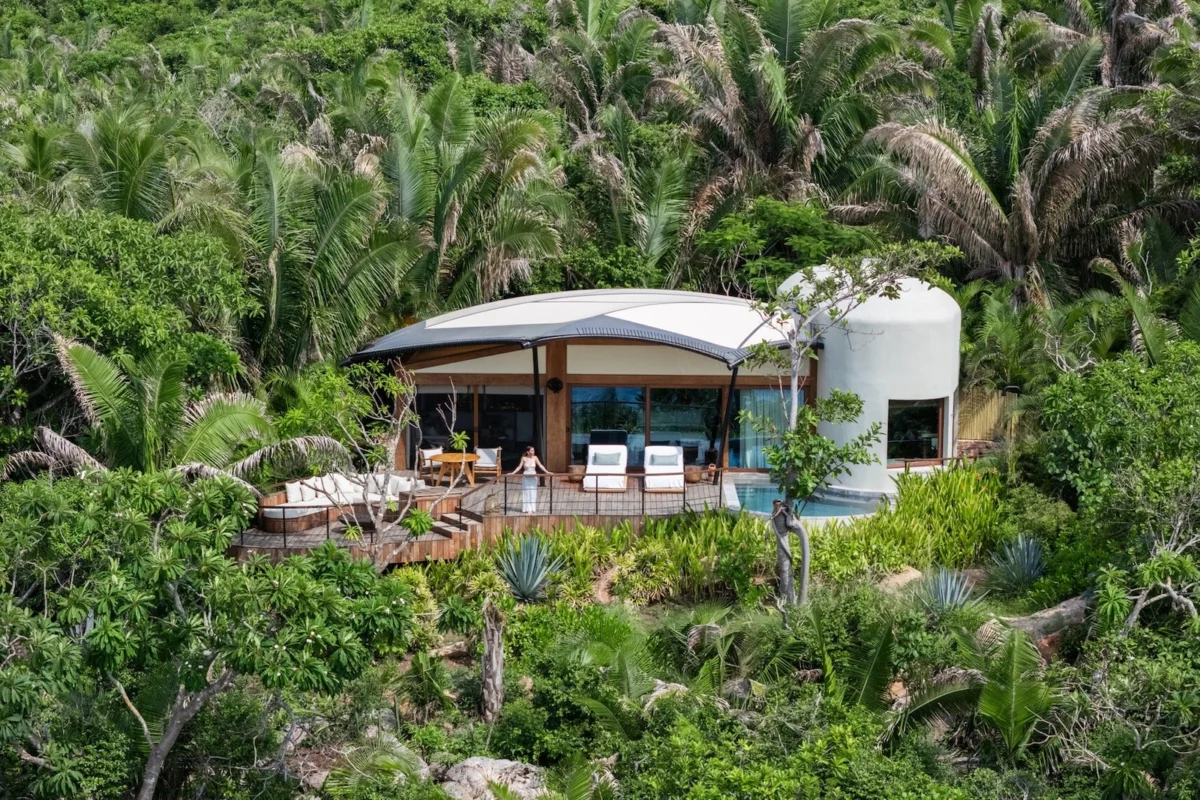
The mid-summer period of July often serves as a reflective pause for the travel industry, a time when the frantic pace of spring bookings gives way to the reality of peak-season execution. For many travelers, this month is defined by the pursuit of the "ultimate" experience—whether that involves the precision of a lie-flat business class seat on a trans-Atlantic flight or the redemption of hard-earned loyalty points for a suite overlooking a turquoise sea. Yet, as the industry evolves, there is a growing recognition that the value of travel is not solely found in the opulence of a hotel room but in the connections made between destinations. This sentiment, shared by industry insiders and frequent flyers alike, highlights a shift toward meaningful travel, where the comfort of a friend’s guest room can be just as rewarding as a five-star lobby. However, while travelers were reconnecting with loved ones this past July, the titans of the hospitality world—Marriott, Hilton, Hyatt, and Four Seasons—were busy reshaping the landscape of luxury and convenience through a series of landmark announcements.
Perhaps the most significant movement in the sector continues to be the aggressive expansion of the all-inclusive model into the luxury tier. Long associated with budget-friendly buffets and crowded pool decks, the all-inclusive concept has undergone a radical transformation, led largely by Marriott International. The company recently signaled its continued dominance in this space by signing agreements for two massive new properties: one in the Caribbean stronghold of Jamaica and a surprising, strategically vital entry into Tanzania.
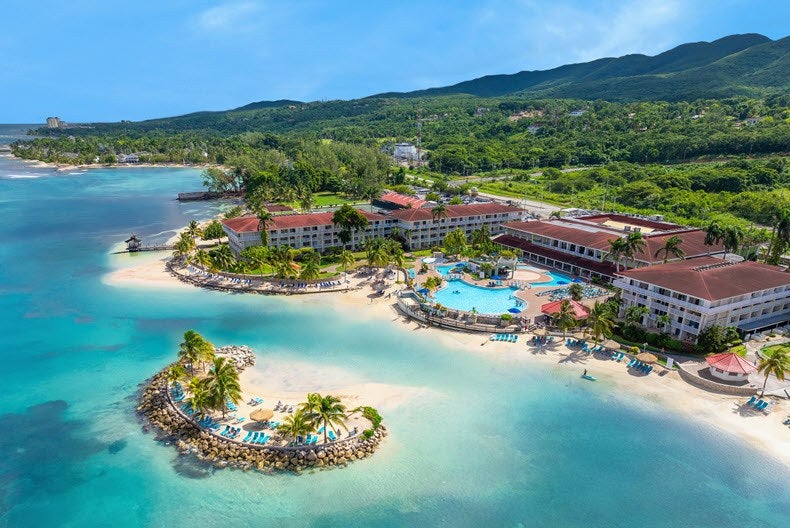
The Jamaican property, slated to debut in the vibrant hub of Montego Bay in 2028, reinforces Marriott’s commitment to the region. Jamaica has long been the "Silicon Valley" of all-inclusive resorts, serving as the testing ground for innovations in the sector. By placing a flagship property here, Marriott is directly challenging established players and catering to a demographic that demands the predictability of upfront pricing without sacrificing the sophisticated amenities of a global brand.
Even more intriguing is the expansion into Zanzibar, Tanzania. Scheduled to open as early as 2025, this property represents a bold move into East Africa’s luxury circuit. According to official releases, the resort will feature a comprehensive array of high-end amenities, including multiple swimming pools, a dedicated theater for cultural performances, and a unique oceanfront jetty equipped with a seawater pool. This move reflects a broader trend of "safari-plus" travel, where tourists combine a traditional bush safari in the Serengeti with a high-end, worry-free beach stay on the coast. For Marriott Bonvoy members, the ability to earn and redeem points at an all-inclusive resort in such an exotic location is a game-changer for the program’s value proposition.
This expansion occurs alongside a significant shift in Marriott’s corporate partnerships. In a move that will affect millions of guests globally, Marriott has announced it is switching its official beverage partner from PepsiCo to Coca-Cola. While this may seem like a minor logistical change to the casual observer, in the world of hospitality, it is a monumental shift in supply chain management and brand alignment. Coca-Cola’s global reach and its association with classic American luxury align closely with Marriott’s brand identity as it seeks to provide a standardized, premium experience across its diverse portfolio of 30-plus brands.

While Marriott focuses on global scale, Hilton’s Waldorf Astoria New York is doubling down on its reputation as the epicenter of Manhattan’s social and cultural life. Following a multi-billion-dollar renovation that saw the historic property meticulously restored to its Art Deco glory, the hotel is now leveraging its legendary spaces for high-profile events. On August 27, the Waldorf Astoria will transform its famed Grand Ballroom into a temporary tennis arena for the "Waldorf Astoria Racquet Club: Ballroom Tennis Invitational."
This event is not merely a promotional stunt; it is a showcase of the hotel’s architectural versatility and its connection to the world of elite sports. Featuring modern tennis stars such as Tommy Paul, Ben Shelton, Leylah Fernandez, and Maria Sakkari, the invitational brings the energy of the U.S. Open into the refined atmosphere of Park Avenue. The logistics of such an event—installing a professional-grade court beneath the ballroom’s iconic, massive chandeliers—have sparked significant curiosity among architectural enthusiasts and historians. To accompany the matches, the hotel is leaning into the "lifestyle" aspect of luxury travel, offering guests curated packages that include Moët & Chandon champagne and gourmet offerings from Lex Yard, the latest culinary venture by acclaimed Chef Michael Anthony. This integration of sport, history, and fine dining illustrates how heritage brands like Waldorf Astoria are evolving to capture the attention of a younger, experience-driven affluent demographic.
Further south, in the lush landscapes of Mexico, the Four Seasons is demonstrating how ultra-luxury properties can foster authentic cultural connections. Naviva, a Four Seasons Resort located in Punta Mita, has quickly become a "bucket-list" destination for those seeking a biophilic retreat—a design philosophy that integrates buildings into the natural environment. Naviva’s latest initiative is a partnership with Eterno Embrujo, a woman-owned Mexican spirit brand, to produce a bespoke batch of raicilla.

Raicilla, often overshadowed by its cousins tequila and mezcal, is an agave-based spirit with deep ancestral roots in the state of Jalisco. The partnership is led by Larissa Carrillo Solís, who views the production of this spirit as a commitment to preserving Mexican heritage. For guests at Naviva, this is more than just a new cocktail option; it is an entry point into the "Road to Raicilla" program. This experiential offering takes guests on a journey across land and sea with local guides to understand the harvesting and distillation process. In an era where travelers are increasingly wary of "sanitized" luxury, Four Seasons is using its platform to highlight local craftsmanship and female entrepreneurship, proving that the most memorable hotel experiences are often those that provide a sense of place.
Not to be outdone in the race for African market share, Hyatt Hotels Corporation has announced a landmark development at one of the world’s most iconic natural wonders. The Grand Hyatt Victoria Falls "The Kingdom" is set to open in Zimbabwe in 2025, marking a pivotal moment for the World of Hyatt loyalty program. Victoria Falls, known locally as Mosi-oa-Tunya ("The Smoke That Thunders"), is a cornerstone of African tourism, yet the luxury hotel inventory in the immediate vicinity has historically been limited.
The new Grand Hyatt will feature 245 guest rooms, a world-class spa, and three distinct dining venues. Most importantly, it will be the closest hotel to the entrance of Victoria Falls National Park. For Hyatt, this property is a strategic win. The brand has been methodically expanding its footprint in Africa, recognizing the continent’s potential as a premier destination for high-net-worth travelers. By securing a location at the falls, Hyatt provides its members with a reliable, high-standard base from which to explore the Zambezi River and the surrounding wildlife reserves. This development also signals a vote of confidence in Zimbabwe’s tourism infrastructure, which has seen a resurgence in international interest over the past few years.
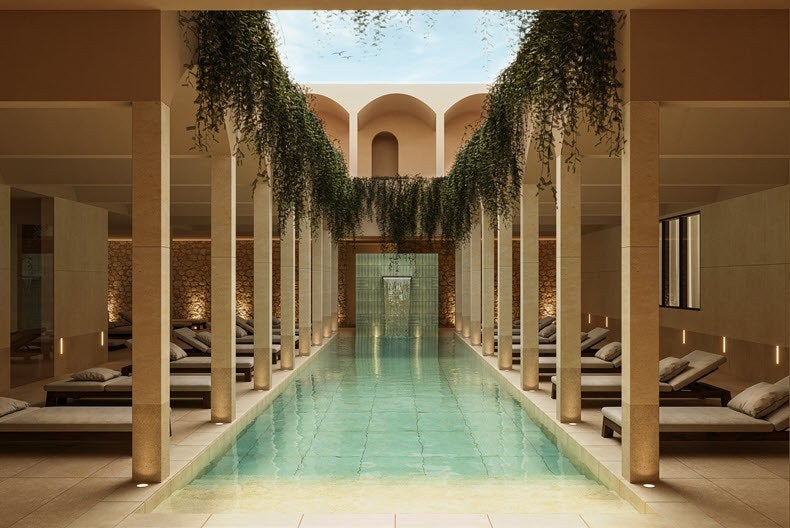
The collective weight of these announcements paints a picture of an industry in a state of rapid, sophisticated transformation. The traditional boundaries between "resort," "business hotel," and "cultural retreat" are blurring. Marriott’s push into all-inclusive territory suggests that the modern traveler values time and ease as much as they value luxury. Hilton’s ballroom tennis match shows that historical landmarks must remain culturally relevant to thrive. Four Seasons’ focus on artisanal spirits highlights the necessity of authentic storytelling. And Hyatt’s expansion into Zimbabwe proves that the "final frontiers" of luxury travel are becoming more accessible than ever.
As we look toward the remainder of the year and into 2025, the hospitality sector is clearly prioritizing three pillars: loyalty integration, experiential authenticity, and geographic diversification. For the traveler, this means more choices and better ways to use points and miles in corners of the world that were once considered out of reach. Whether it is sipping a rare raicilla in a Mexican rainforest, watching world-class tennis in a Manhattan ballroom, or waking up to the roar of Victoria Falls, the news from July confirms that the world of hotels is no longer just about providing a place to sleep—it is about creating the stage upon which the stories of our lives are told. While the comfort of a friend’s couch will always have its place, the innovations of these global brands ensure that when we do choose to check in, the experience will be nothing short of extraordinary.
