
 By admin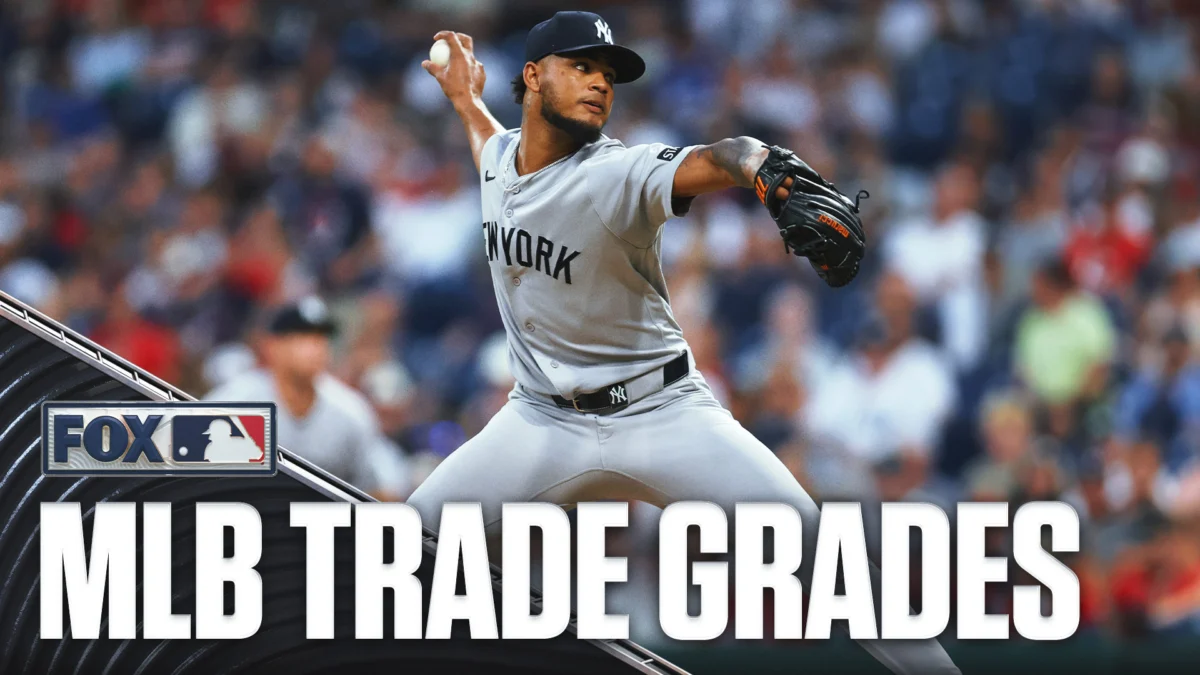
As the MLB trade deadline approaches, a sense of urgency permeates clubhouses across the league, fueling speculation and anticipation for the seismic shifts that could redefine the pennant race. With Monday’s deadline looming, teams are aggressively evaluating their rosters, seeking the missing pieces that could propel them into postseason contention. This analysis delves into the early transactions, grading the deals and dissecting their potential impact on the playoff landscape. The burning questions remain: Which teams are making the right moves, and which are poised to capitalize on the heightened competition?
Whispers of potential blockbuster trades for coveted pitchers like Tigers ace Tarik Skubal and Mets hurler Freddy Peralta continue to circulate, fueling fanbases and media alike. The prospect of these frontline arms changing hands adds an electrifying layer to an already tense period. Furthermore, perennial powerhouses like the two-time World Series champion Los Angeles Dodgers are reportedly looking to fortify an already potent squad, a move that would undoubtedly send shockwaves through the National League. This article will dissect the early deals, offering a comprehensive look at the grading of these transactions and their projected influence on the postseason picture.
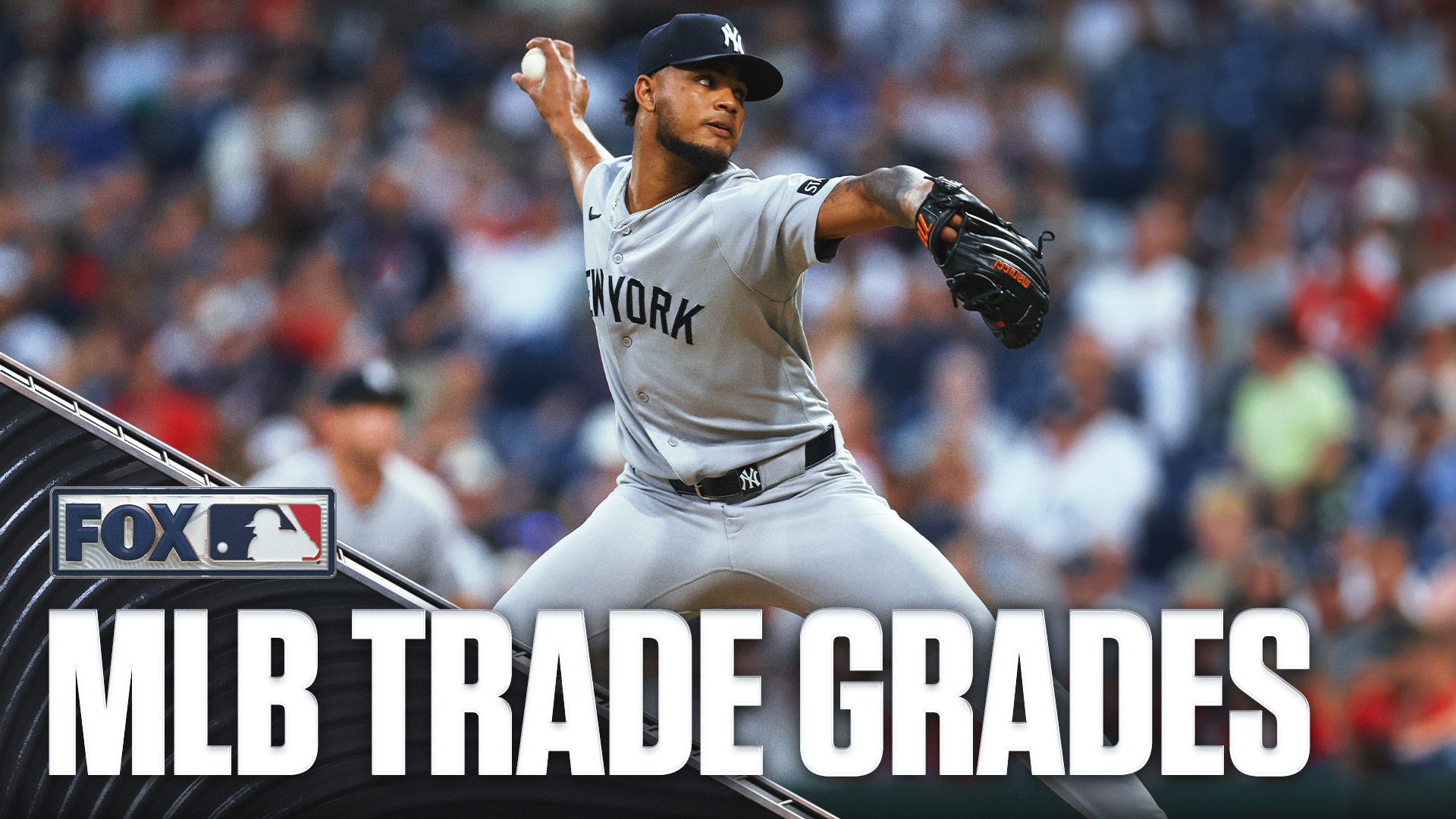
Pirates Acquire Camilo Doval: A Calculated Gamble with C+ Potential for Pittsburgh, B- for New York
In a move that signals their intent to compete in the National League Central, the Pittsburgh Pirates have acquired hard-throwing relief pitcher Camilo Doval from the New York Yankees. This transaction, while not yet a definitive game-changer, represents a calculated gamble for the Pirates, earning them a C+ grade for their efforts. The Yankees, in turn, receive a B- for their part in the deal, having secured two promising prospects in catcher Omar Alfonzo and outfielder Luis Cruz.
The Pirates’ need for bullpen reinforcements is undeniable. As contenders in a competitive division, a robust and reliable relief corps is paramount to sustained success. The acquisition of Doval, despite his recent struggles, addresses this immediate need, albeit with a degree of uncertainty. Pittsburgh is essentially buying low, banking on their ability to unlock the untapped potential that once made Doval one of baseball’s most exciting young arms.
Doval’s tenure with the Yankees has been a stark departure from his earlier promise. After arriving in New York at last year’s trade deadline, he struggled to replicate his previous form, particularly in the second half of the season. This year has seen a continuation of those difficulties, with a 4.63 ERA through the first half of the season. His performance has been below replacement level, a far cry from the dominant pitcher he once was.
However, a deeper dive into Doval’s metrics reveals some intriguing underlying data that likely influenced the Pirates’ decision. While his actual ERA is a concern, his expected ERA (xERA) stands at a more respectable 3.61, suggesting some misfortune or defensive inefficiencies have contributed to the inflated earned run average. Furthermore, he still possesses elite velocity on his cutter, a pitch that once averaged close to 100 mph, and he maintains an ability to induce ground balls, a valuable asset for any pitcher.
The crux of Doval’s recent struggles appears to be a declining strikeout rate and an increasing tendency to allow hard contact. His hard-hit rate and average exit velocity are both at career highs, indicating that opposing hitters are making more solid contact when they do connect. This trend, coupled with his control issues that have plagued him in the past, presents a clear challenge for the Pirates’ player development staff.
Despite these red flags, the Pirates’ "plus" in their grade stems from Doval’s remaining team control. He is under contract for another season, providing Pittsburgh with a potential asset beyond the current campaign. This long-term outlook offers a degree of security and flexibility that adds significant value to the acquisition.
The Yankees’ willingness to move on from Doval, especially considering their own need for bullpen help, is a telling sign. It suggests that they were unable to find the right developmental path for him or that his struggles were more ingrained than initially perceived. However, their return of prospects is noteworthy. Catcher Omar Alfonzo, a left-handed hitter, was ranked among the top 20 prospects in the Pirates’ system by MLB Pipeline. He’s demonstrated offensive prowess at Double-A, boasting a .757 OPS. Outfielder Luis Cruz, though a more speculative addition at 18 years old, showed promise with an .856 OPS in the Pirates’ Dominican Summer League team. These prospects represent potential future contributors for the Yankees, mitigating the risk of their departure.
From the Yankees’ perspective, this trade allows them to shed a struggling reliever and acquire assets that could bolster their farm system for the future. They will undoubtedly continue to seek high-leverage arms in the remaining days leading up to the deadline, in addition to addressing their offensive needs. The Doval trade, while not a headline-grabbing acquisition for either team, signifies the intricate dance of the trade deadline, where teams aim to improve their present while simultaneously investing in their future.
The Lingering Shadow of Past Dominance: Camilo Doval’s Journey from All-Star to Uncertainty
Three years ago, Camilo Doval stood on the precipice of superstardom. At just 25 years old, he was an All-Star with the San Francisco Giants, showcasing a devastating cutter that routinely touched triple digits and a remarkable ability to close out games. He led the National League with 39 saves in 2023, establishing himself as one of the game’s premier relief pitchers. His dominance was undeniable, and his future seemed exceptionally bright.
However, the trajectory of a baseball career can be as unpredictable as a knuckleball. In the ensuing seasons, Doval struggled to consistently replicate the form that propelled him to such heights. Maintaining control of his electric fastball and devastating cutter proved to be a persistent challenge. The sharpness of his pitches wavered, and his command became less precise, leading to a decline in his effectiveness.
This inconsistency ultimately led to his eventual departure from San Francisco and his trade to the New York Yankees. Upon arriving in the Bronx, the hope was that a change of scenery and a new coaching staff would help him rediscover his elite stuff. Unfortunately, his tenure with the Yankees has been largely defined by the very struggles that plagued him in his later years with the Giants.
While he still possesses the raw velocity and the ability to induce ground balls, the strikeouts have diminished, and the quality of contact against him has increased. This is a concerning trend for a relief pitcher whose primary role is to prevent runs by missing bats or inducing weak contact. The statistical evidence paints a picture of a pitcher who is giving up more hard-hit balls and allowing hitters to square them up more frequently, increasing the likelihood of extra-base hits and runs scored.
The mental aspect of pitching also plays a significant role. The pressure of performing at a high level, coupled with the frustration of not being able to consistently execute pitches, can create a vicious cycle. Doval’s recent relegation to lower-leverage situations with the Yankees is a clear indication that he had not established himself as a reliable option for crucial moments.
The Pirates’ acquisition of Doval is therefore a bet on their ability to diagnose and address the underlying issues that have led to his decline. They are hoping to tap into the physical tools that remain – the velocity, the ground ball tendencies – and work on refining his command and regaining his strikeout prowess. The presence of a player development staff dedicated to unlocking a pitcher’s potential will be crucial in this endeavor.
The Yankees, on the other hand, have effectively cut their losses on a player who did not pan out as expected. While the return of prospects like Alfonzo and Cruz is a positive outcome, it also highlights their inability to maximize Doval’s talent during his time with the team. This is a common theme in baseball trades; sometimes, a change of environment is all a player needs to rebound.

The ongoing narrative of Camilo Doval serves as a stark reminder of the fine margins in professional baseball. The difference between an elite reliever and a struggling one can be a matter of inches on the pitcher’s mound or a slight adjustment in mechanics. As the trade deadline frenzy continues, the Doval deal stands as an early example of teams taking calculated risks, hoping to find hidden gems amidst the uncertainty. The success of this particular transaction will ultimately be measured by Doval’s performance in Pittsburgh and the development of the prospects he brought to New York.
The Broader Implications: Pennant Race Dynamics and Postseason Aspirations
The Camilo Doval trade, while a specific transaction, is emblematic of the larger strategic considerations at play as the MLB trade deadline approaches. Teams are not just acquiring individual players; they are making calculated moves that are intended to alter their standing in the pennant race and enhance their chances of a deep postseason run.
For the Pirates, this deal signals a commitment to competing in the present. While they may not be viewed as a top-tier contender, their willingness to acquire a player like Doval, despite his recent struggles, indicates an ambition to improve their roster and make noise in the National League Central. The success of this move will hinge on their ability to revitalize Doval’s career and integrate him effectively into their bullpen. If he can regain even a fraction of his former dominance, he could become a valuable asset in high-leverage situations.
The Yankees, by contrast, appear to be playing a longer game with this trade. While they still have postseason aspirations, their acquisition of prospects suggests a focus on building for the future. Alfonzo and Cruz represent potential cornerstones for the Yankees’ farm system, offering the possibility of future impact players. This strategy is often employed by teams that are either rebuilding or looking to supplement their current core with homegrown talent. However, it also means they are likely looking for immediate impact players through other trades or free agency to address their present needs.
The mention of potential deals for pitchers like Tarik Skubal and Freddy Peralta underscores the high stakes involved in the pitching market. Skubal, with his ace-caliber stuff and team-friendly contract, would be a transformative acquisition for any team. Peralta, though perhaps not as dominant as Skubal, is still a proven frontline starter who could significantly bolster a rotation. The prices for these types of arms will be astronomical, and only the wealthiest or most desperate teams will be able to afford them.
The Los Angeles Dodgers, with their immense financial resources and established track record of success, are always a team to watch during the trade deadline. Their reported interest in further bolstering an already potent squad is a testament to their unwavering pursuit of championships. Any move they make will likely be aimed at solidifying their position as a World Series favorite, potentially by acquiring a high-impact bat or a shutdown reliever.
The ripple effects of these trades extend far beyond the acquiring teams. The departure of a key player from one team creates a void that must be filled, potentially leading to further transactions. The market for certain positions, particularly pitching, can become incredibly volatile, with prices escalating as the deadline draws nearer.
Ultimately, the MLB trade deadline is a period of immense strategic maneuvering, where teams must balance the desire for immediate improvement with the need for long-term sustainability. The Camilo Doval trade, while just one piece of the puzzle, offers a glimpse into the complex decision-making processes that shape the pennant race and determine which teams will be left standing in the fall. As the deadline approaches, the anticipation will only build, and the baseball world will be watching to see which teams emerge as the biggest winners and which are left to rue missed opportunities.
