
 By admin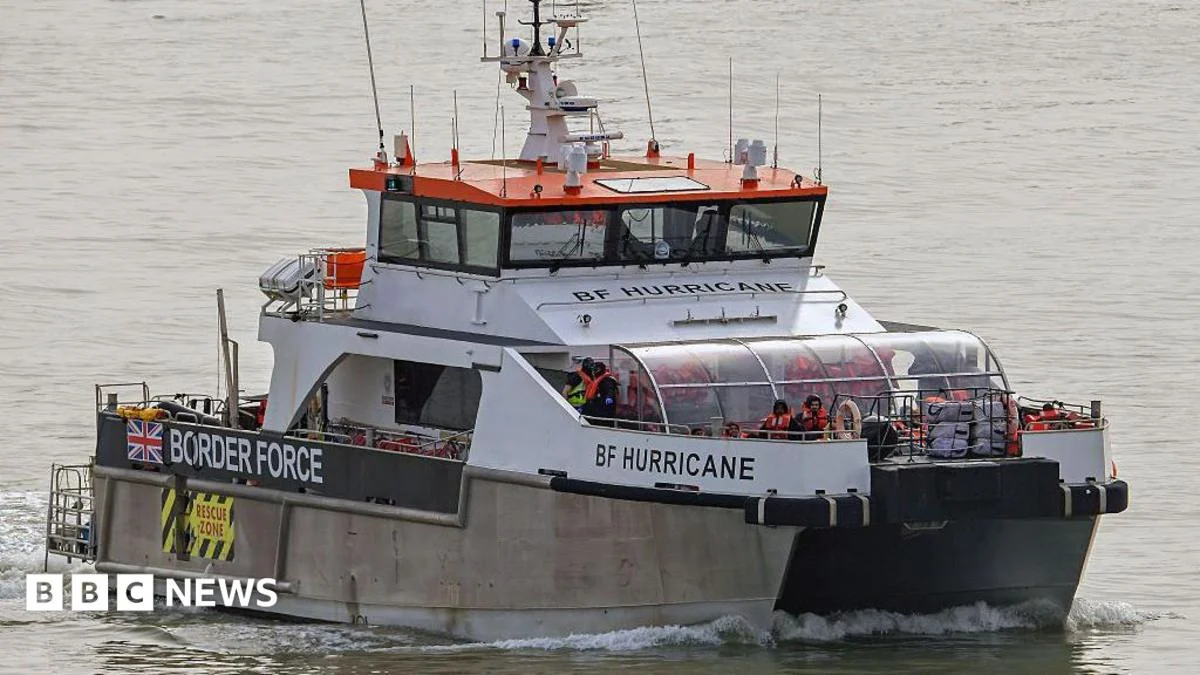
In a dramatic turn of events that underscores the perilous nature of clandestine Channel crossings, more than 150 migrants were dramatically rescued on Tuesday morning after the vessel they were using to reach the United Kingdom erupted in flames. French maritime authorities confirmed the harrowing incident, which saw rescue teams scramble to avert a potential catastrophe in the busy shipping lanes of the English Channel. The boat, reportedly departing France on Monday night, experienced an engine fire during its attempt to cross to the UK, leading to its rapid deterioration and forcing an emergency response.
The French maritime prefecture of the Channel and North Sea reported that a total of 157 individuals were successfully rescued and are currently being transported to the port of Boulogne-sur-Mer. Crucially, initial reports indicate that no fatalities or serious injuries have occurred, a testament to the swift and coordinated efforts of both French and British rescue services. The incident, however, immediately ignited renewed political debate and highlighted the persistent challenges faced by governments on both sides of the Channel in curbing the flow of irregular migration.
French authorities revealed that during the night, five individuals on board had required assistance, but the majority of those on the vessel had initially refused the help offered by French patrol boats. This refusal, a recurring theme in Channel crossings, stems from a determined — and often desperate — bid to reach the United Kingdom, with migrants frequently opting to accept assistance only in situations of extreme, life-threatening peril. The French maritime prefecture stated that due to the "structural fragility" of the boats commonly used for these crossings, their intervention was limited at that initial stage. However, the sudden ignition of the engine this morning drastically altered the situation, causing the "vessel’s integrity to deteriorate very rapidly," compelling a full-scale rescue operation.
The response involved a multi-national effort, with rescue boats converging on the scene from both France and the UK. Notably, the RNLI Eastbourne lifeboat and UK Border Force vessels BSC Contender and BSC Courageous were among those that provided critical assistance. French rescue boats were able to pull 103 migrants to safety, while British vessels rescued the remaining 54. All rescued individuals were en route to Boulogne-sur-Mer, where they were expected to arrive around 12:30 local time (11:30 BST) for necessary treatment and processing.
A spokesperson for the UK government acknowledged the incident, stating that the Border Security Command was alerted to a migrant small boat in distress in French waters. The spokesperson emphasized the UK’s contribution to the rescue operation and reiterated the absence of reported fatalities. The incident was framed as a stark reminder of "the terrible dangers of small boat crossings" and reinforced the government’s commitment to working "relentlessly with the French and our partners overseas to prevent these perilous journeys." This sentiment was echoed by the UK Coastguard, which confirmed that UK vessels and a lifeboat were actively assisting in the rescue of a vessel that had caught fire in French search and rescue waters.
The fiery ordeal also provided fodder for political commentary, with Reform UK leader Nigel Farage taking to social media to declare, "We must put a stop to this. Our plan will save lives." His party has previously outlined proposals to deploy the navy to deter Channel crossings, a policy that reflects a broader sentiment among some segments of the UK electorate regarding the perceived lack of control over immigration.
The recurring issue of Channel crossings has intensified political discussions in the UK, particularly in the wake of tens of thousands of migrants swimming into the Spanish exclave of Ceuta just days prior. This surge in arrivals in Southern Europe has further amplified concerns about migration patterns and border security across the continent. Within the UK political landscape, the Conservative party has accused the Labour party of failing to deliver on promises concerning migration control. Meanwhile, the Liberal Democrats have called for enhanced diplomatic efforts to improve relations with European partners and to expedite the processing of asylum claims, aiming to reduce the backlog that contributes to prolonged stays in temporary accommodation.
The number of migrants arriving in the UK on small boats since Prime Minister Andy Burnham took office a fortnight ago has already surpassed 2,000, according to recent figures. Last Wednesday marked the busiest day for crossings so far this year, with an alarming 752 individuals making the perilous journey. The summer months typically witness an increase in such crossings due to more favourable weather conditions, and the small boat route has become the most prevalent method for individuals seeking to enter the UK illegally.
Despite the recent surge, Home Office statistics indicate that the overall number of crossings this year is approximately 43% lower compared to the same period last year. The peak of these crossings occurred in 2022, and there has been a discernible downward trend since then. During a visit to Dover on Monday, Prime Minister Andy Burnham expressed optimism about the progress made in curbing the number of arrivals, stating that "people want to see this issue addressed." He highlighted a doubling of enforcement officers focused on dismantling people-smuggling gangs on both sides of the Channel, while also acknowledging the need to establish "a system that offers safe routes for people."
This latest incident occurs in the context of ongoing efforts and substantial financial investment aimed at stemming the flow of migrants. In April, the UK and France finalized a significant £662 million (773 million euro) deal designed to enhance efforts to prevent illegal Channel crossings. This three-year agreement includes provisions for deploying riot-trained police to French beaches to manage potentially volatile situations and for France to utilize advanced surveillance technology, such as drones and helicopters, to intercept smugglers and migrants. A crucial component of the funding mechanism involves the potential redirection or withdrawal of approximately £100 million in UK funding after one year if sufficient progress in stopping journeys is not achieved, although specific targets for the French authorities have not been publicly disclosed.
The complexities of managing irregular migration are multifaceted, encompassing not only border security and enforcement but also addressing the root causes of displacement in origin countries, facilitating legal migration pathways, and fostering international cooperation. The burning boat incident serves as a stark and immediate reminder of the human cost associated with these complex challenges, prompting urgent calls for more effective and humane solutions. The political discourse surrounding these issues is likely to remain a prominent feature of the national conversation, with ongoing pressure on governments to balance security concerns with humanitarian responsibilities. The resilience and determination of those undertaking these dangerous journeys, coupled with the inherent risks involved, underscore the persistent and evolving nature of the global migration crisis.
