
 By admin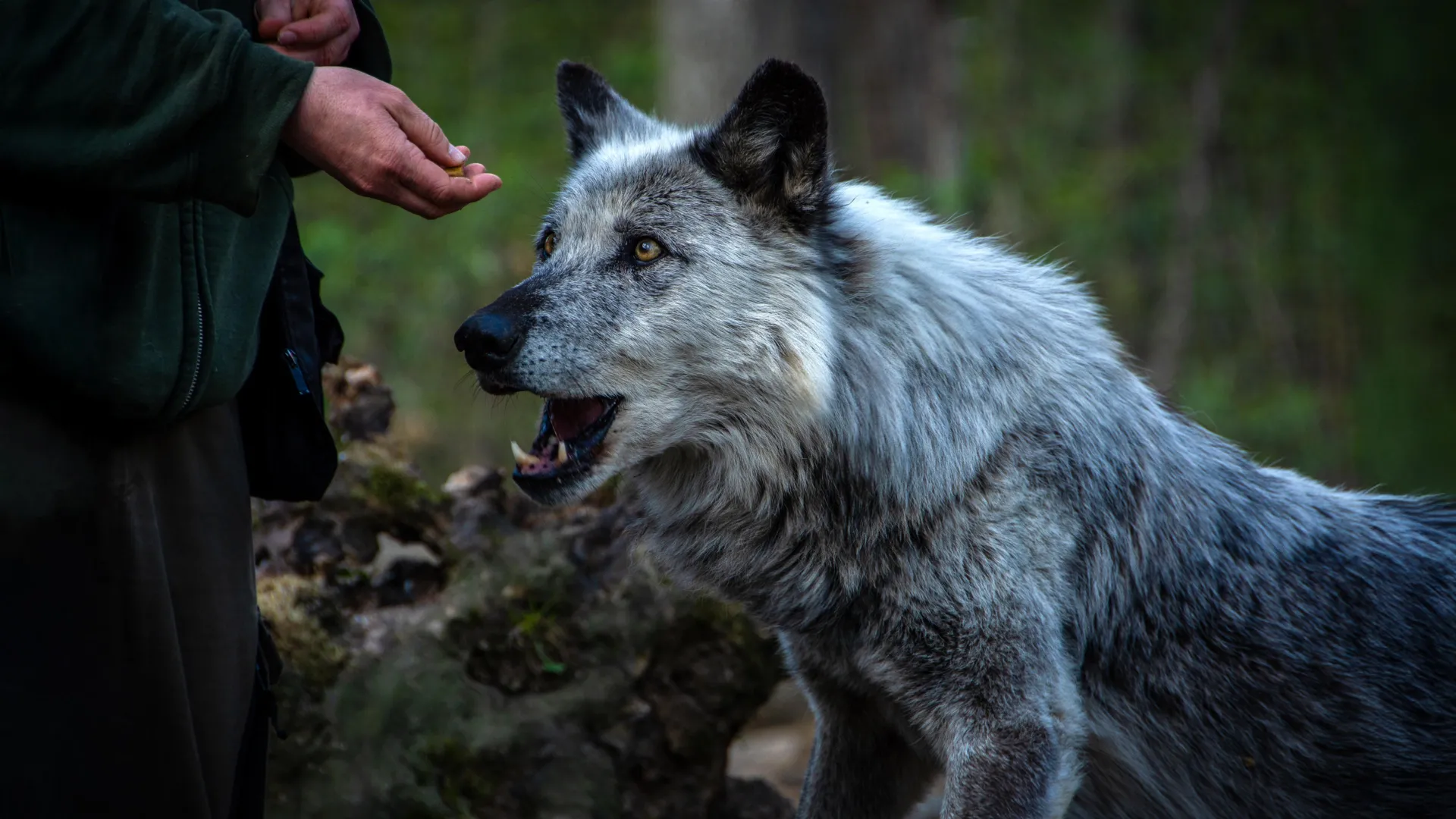
Today, the global dog population is larger than ever before, with billions living in close proximity to humans. This unprecedented prevalence is a testament to the success of a partnership spanning thousands of years, during which humans have meticulously shaped the canine species through selective breeding. This process has resulted in hundreds of distinct types, showcasing an extraordinary range of forms and functions. From the diminutive Chihuahua, often small enough to be carried in a handbag, to the majestic Great Dane, which can stand as tall as a person’s waist, the diversity within the domestic dog species (Canis familiaris) is unparalleled among domesticated animals. Other extreme examples include the wrinkle-faced Pug, the lightning-fast Greyhound, the powerfully built Bulldog, and the keen-scented Basset Hound, each bred for specific traits, tasks, or aesthetic preferences.
How Humans and Dogs Evolved Together: A Complex and Gradual Dance
The emergence of such extraordinary diversity within a relatively short span of roughly 15,000 years of shared evolution presents a fascinating biological puzzle. In his seminal new book, First Dogs: Hunter-Gatherers and their Canine Companions from Prehistory to the Present, archaeologist Professor Peter Mitchell of the University of Oxford delves into dog domestication, portraying it not as a simplistic event but as a profoundly complicated and gradual process. This perspective challenges older theories that often posited a single, swift moment when humans "tamed" wolves.
Professor Mitchell argues that the initial interactions between people and wolves were likely far more nuanced, with both species potentially entering the relationship as relatively equal participants. This co-evolutionary hypothesis suggests a commensal relationship, where wolves, drawn to the discarded food scraps and waste piles of human hunter-gatherer camps, began to tolerate human presence. Over generations, individuals that were less fearful and more amenable to human proximity would have gained a survival advantage, leading to a natural selection for tameness. Humans, in turn, would have benefited from the wolves’ keen senses as early warning systems against predators or rival groups, and eventually, as invaluable aids in hunting. This reciprocal benefit laid the groundwork for a deeper bond.
Hunter-gatherer communities played a particularly crucial role in this initial domestication process, long before humans embarked on the large-scale domestication of other animals or plants, such as cattle or wheat. Their mobile lifestyles, reliance on hunting large game, and intimate knowledge of their natural environments created a unique context for human-wolf interaction. As these nascent relationships developed in different geographical locations and ecological niches, the evolving proto-dogs began to acquire specialized characteristics. These traits were exquisitely suited to the specific environments, the prevailing lifestyles, and the immediate needs of the human populations with whom they lived. This adaptive radiation, driven by both natural and early human-mediated selection, explains the initial divergence of canine forms.
As Professor Mitchell eloquently puts it, highlighting the deep intertwining of their fates: "The connections between dogs on the one paw and people dependent on wild plant and animal resources on the other are ancient, diverse, and profound." This statement encapsulates the notion that the domestication of the dog was not a one-way street of human imposition, but a mutualistic partnership that profoundly shaped both species. Genetic studies, while still debating the precise geographical origin, generally suggest a divergence from grey wolves between 20,000 and 40,000 years ago, making dogs the first, and arguably most successful, domesticated animal.
Dogs Adapted to Environments Around the World: A Tapestry of Evolution
The remarkable capacity for adaptation exhibited by dogs is a hallmark of their shared evolutionary history with humans. From the unforgiving, frozen Arctic landscapes to the dense, humid tropical forests, dogs changed dramatically, physically and behaviorally, as they lived alongside different human societies, each facing unique environmental pressures and survival challenges. This process of localized adaptation produced strikingly different animals, each a testament to the power of natural and artificial selection.
In the frigid northern latitudes, for instance, sled dogs evolved to become compact and heavily coated, possessing a dense underfur and long guard hairs that provided unparalleled insulation against extreme cold. Their powerful builds, broad chests, and sturdy limbs were ideal for pulling heavy loads across snow and ice, a function critical for human survival and mobility. Conversely, hunting dogs inhabiting regions near the equator tended to be leaner, with shorter coats and more agile frames, better suited to dissipating heat and navigating through dense vegetation in tropical and subtropical climates.
One of the most compelling examples of co-adaptation comes from the Tibetan Plateau, where dogs and humans developed strikingly similar genetic solutions to the challenges of life at high elevations. Researchers have identified specific genetic variants in Tibetan dogs, particularly in the EPAS1 gene (often dubbed the "super-athlete gene"), which enable them to function efficiently in oxygen-poor conditions. This gene helps regulate hemoglobin production, preventing the dangerous thickening of blood that can occur at high altitudes, and enhancing oxygen utilization at a cellular level. Remarkably, these adaptations closely resemble genetic changes found among human populations living in the same region, suggesting a parallel evolutionary trajectory or even gene flow in certain instances.
"We do not know when dogs first joined them, and the genetic variants needed to thrive there may have been quickly acquired, but until that was achieved hypoxia presumably acted as a constraint on canine presence," Professor Mitchell explains. This highlights how environmental barriers, such as low oxygen levels, could have initially limited the spread of dogs, until advantageous mutations allowed them to overcome these physiological hurdles, thus opening up new territories for both dogs and their human companions.
Arctic Dogs Became Essential Survival Partners: Masters of the Frozen Frontier
The partnership between people and dogs reached an unparalleled level of specialization and interdependence in the Arctic. Indigenous communities such as the Inuit, Yup’ik, Chukchi, and Nenets developed highly sophisticated cultures centered on dog sledding, a technology that was absolutely vital for survival in some of the harshest environments on Earth. These cultures harnessed the power and endurance of dogs to traverse vast distances, hunt, trade, and maintain social connections across immense, often barren, landscapes.
Archaeological evidence from ancient Arctic dog remains vividly illustrates this specialization. Skeletons show distinctive patterns of stress in the vertebrae, particularly in the lower back, consistent with the repeated physical strain of pulling heavy loads. Strong, dense limb bones, larger muscle attachment sites, and sometimes even evidence of healed fractures, further testify to the demanding lives these dogs led. These anatomical adaptations were crucial for handling the immense physical exertion required to pull sleds over frozen terrain, often for days on end.
Beyond their role as a means of transportation, Arctic dogs were integral to human survival strategies in myriad ways. They were essential hunting partners, capable of tracking and cornering large game like polar bears, seals, and caribou. Their acute senses served as an early warning system against dangerous wildlife and rival human groups. They provided warmth, often sleeping inside igloos or tents with their human families, and in times of extreme scarcity, they could even serve as a last-resort food source.
Stable isotope studies of ancient human and canine bones from Arctic coastal areas provide compelling evidence of just how closely human and canine lives were connected. By analyzing the ratios of stable isotopes of carbon and nitrogen in bone collagen, researchers can reconstruct ancient diets. These studies often reveal that people and dogs shared remarkably similar diets, dominated by marine foods such as seals, fish, and whales. This shared diet implies not only that dogs were highly valued members of the household, receiving a share of precious resources, but also that their health and well-being were directly linked to the success of human hunting endeavors. It underscores their deep integration into the social and economic fabric of these communities, elevating them far beyond mere tools.
Tropical Dogs Evolved for Hunting: Agile Hunters of the Rainforest
Dogs living with hunter-gatherer communities in tropical environments followed a markedly different evolutionary path, shaped by the unique demands of dense rainforests and humid climates. In regions such as the Amazon basin in South America and the lush forests of Southeast Asia and New Guinea, dogs became highly specialized hunting companions, uniquely adapted to tracking prey through thick vegetation and moving with agility across difficult, often uneven, terrain.
Compared with their robust Arctic counterparts, these tropical animals generally remained smaller, leaner, and more agile. These physical qualities offered clear advantages in dense forests, allowing them to navigate undergrowth, pursue fast-moving prey, and avoid overheating. Their shorter coats helped with thermoregulation in hot, humid conditions, and their keen senses of smell and hearing were invaluable for detecting elusive prey in an environment where visibility was limited. Ethnographic records from various Indigenous communities, such as the Pirahã in Brazil or groups in Borneo, provide rich insights into these partnerships. These records indicate that communities carefully controlled breeding to preserve and enhance desirable hunting skills, selecting promising puppies based on their perceived potential for tracking, flushing, or treeing animals like monkeys, peccaries, or small deer.
In some instances, particularly in regions like Southeast Asia or parts of Australia (where the dingo is a prime example), there is evidence that Indigenous communities may have occasionally bred their domestic dogs with wild canids. This practice could have served to reinforce particular characteristics, introduce new genetic diversity, or maintain a certain level of "wildness" deemed beneficial for hunting prowess, especially in environments where dogs might partially live feral lives. This dynamic interplay between domestication and semi-wild existence created a unique type of canine, perfectly suited to its ecological niche and human partners.
Cultural and Ceremonial Significance: Beyond Utility
Dog diversity was shaped not solely by climate and practical needs but also profoundly by human culture, aesthetics, and spiritual beliefs. A striking example comes from the Northwest Coast of North America, where some Indigenous communities, such as the Coast Salish, specifically bred small dogs with dense, woolly coats – the Salish Wool Dog. These dogs were not primarily used for hunting or transportation; instead, their hair was meticulously shorn, spun into yarn, and woven into highly prized ceremonial blankets. This unique role centered on textile production, highlighting how a dog’s value could be defined by its contribution to cultural artifacts and status symbols, rather than purely utilitarian functions. The eventual disappearance of the Salish Wool Dog with the introduction of European sheep and textiles underscores the fragility of such culturally specific breeds.
Elsewhere, dogs became important participants in religious and ceremonial traditions, elevating their status beyond that of mere animals. In ancient Mesoamerica, for instance, the Xoloitzcuintli (Mexican Hairless Dog) was revered and believed to be a guide for souls through the underworld, often sacrificed and buried with their owners. In ancient Egypt, dogs, particularly those resembling Salukis or Basenjis, were often depicted in religious contexts, associated with deities like Anubis, the jackal-headed god of mummification and the afterlife. Mummified dogs have been found in tombs, underscoring their sacred status. These cultural roles could profoundly influence selective breeding, encouraging people to favor certain appearances, temperaments, or behaviors that carried particular significance or symbolic meaning within their belief systems.
Disease Also Shaped Where Dogs Could Thrive: An Unseen Evolutionary Filter
While environmental adaptation and cultural selection were powerful forces influencing the global spread and diversification of dogs, researchers are increasingly examining another critical, often overlooked, factor: disease. Pathogens transmitted by vectors, such as insects and ticks, may have created serious obstacles, restricting where canine populations could successfully survive, thrive, and expand.
A prime example of this epidemiological influence is seen in sub-Saharan Africa. Diseases like trypanosomiasis, caused by parasites transmitted by the tsetse fly, and ehrlichiosis, a bacterial infection spread by ticks, likely posed severe threats to early dog populations. Trypanosomiasis, also known as nagana in animals, causes debilitating illness and often death in domestic animals, including dogs, horses, and cattle, and has historically limited the introduction and viability of livestock in vast swathes of Africa.
This biological barrier could help explain why dogs, a species originating in the temperate to Arctic northern hemisphere, reached some tropical regions and areas farther south relatively late, or remained less widespread and integrated there compared to their pervasive presence in temperate and Arctic environments. The vulnerability of early dogs to these endemic diseases would have acted as a significant evolutionary filter, shaping their geographical distribution and the nature of their interactions with human societies in affected regions. Disease, therefore, adds another crucial dimension to the complex story of canine evolution, demonstrating that dogs were shaped not only by the opportunities offered by particular environments but also by the biological threats that limited where they could successfully establish and expand.
Ancient Dog Lineages Left a Genetic Legacy: A Story of Persistence and Change
Modern genetic research, employing advanced DNA sequencing techniques, has revealed a fascinating and often poignant aspect of canine history: many ancient dog populations, once diverse and widespread, no longer survive in their original form. A significant turning point in this history occurred during periods of colonial expansion, particularly from Europe. As European settlers, traders, and explorers spread across much of the world, they brought with them their own breeds of dogs. These European dogs, often seen as superior or more useful, frequently interbred with or outright replaced numerous older, indigenous dog lineages. In the Americas, for instance, many pre-Columbian dog types largely vanished, leaving only faint genetic echoes in some modern breeds or remote populations.
However, the story is not one of complete erasure. Some genetic traces of those ancient dogs stubbornly remain, offering invaluable clues about the long and complicated history shared by humans and dogs. These surviving genetic signatures, often found in isolated populations or subtly integrated into the genomes of modern breeds, act as living fossils, providing insights into migration routes, population bottlenecks, and the deep genetic divergence that occurred over millennia.
When viewed collectively, archaeological discoveries, sophisticated genetic evidence, and rich ethnographic research paint a compelling picture of an animal with an extraordinary ability to adapt and integrate. Dogs did far more than simply accompany humans as people spread across the planet; they changed alongside them. This co-evolutionary journey saw dogs developing a remarkable array of physical and behavioral traits that made them indispensable partners in dramatically different environments and cultures, from the ice-covered plains to the scorching deserts and dense rainforests.
This shared evolutionary history also underscores that the influence ran in both directions. Across thousands of years, humans and dogs have profoundly affected one another’s biology, behavior, and even cultural development. Dogs have influenced human hunting strategies, settlement patterns, and emotional well-being, while humans have undeniably shaped canine morphology, diet, and social structures.
As Professor Mitchell concludes, offering a profound summary of this unparalleled partnership: "The process whereby grey wolves became dogs is ongoing, not one marked by a single threshold event. It was likely both long and drawn out." This highlights that domestication is not a static state but a continuous, dynamic interaction. "The relationship thus constructed has been a joint effort, if one where, especially in the West and over recent centuries, humans have increasingly come to dominate in determining its shape and direction." This acknowledges the modern reality of human control over breeding and the pet industry, yet simultaneously recognizes the enduring agency and influence of dogs. "Nevertheless," he affirms, "the way dogs and humans relate — and have related — to each other has value precisely because their mutual, complex entwinement with each other." This final thought beautifully encapsulates the unique, reciprocal, and profoundly intricate bond that has defined the shared journey of humans and dogs, a relationship unlike any other in the animal kingdom.
