
 By admin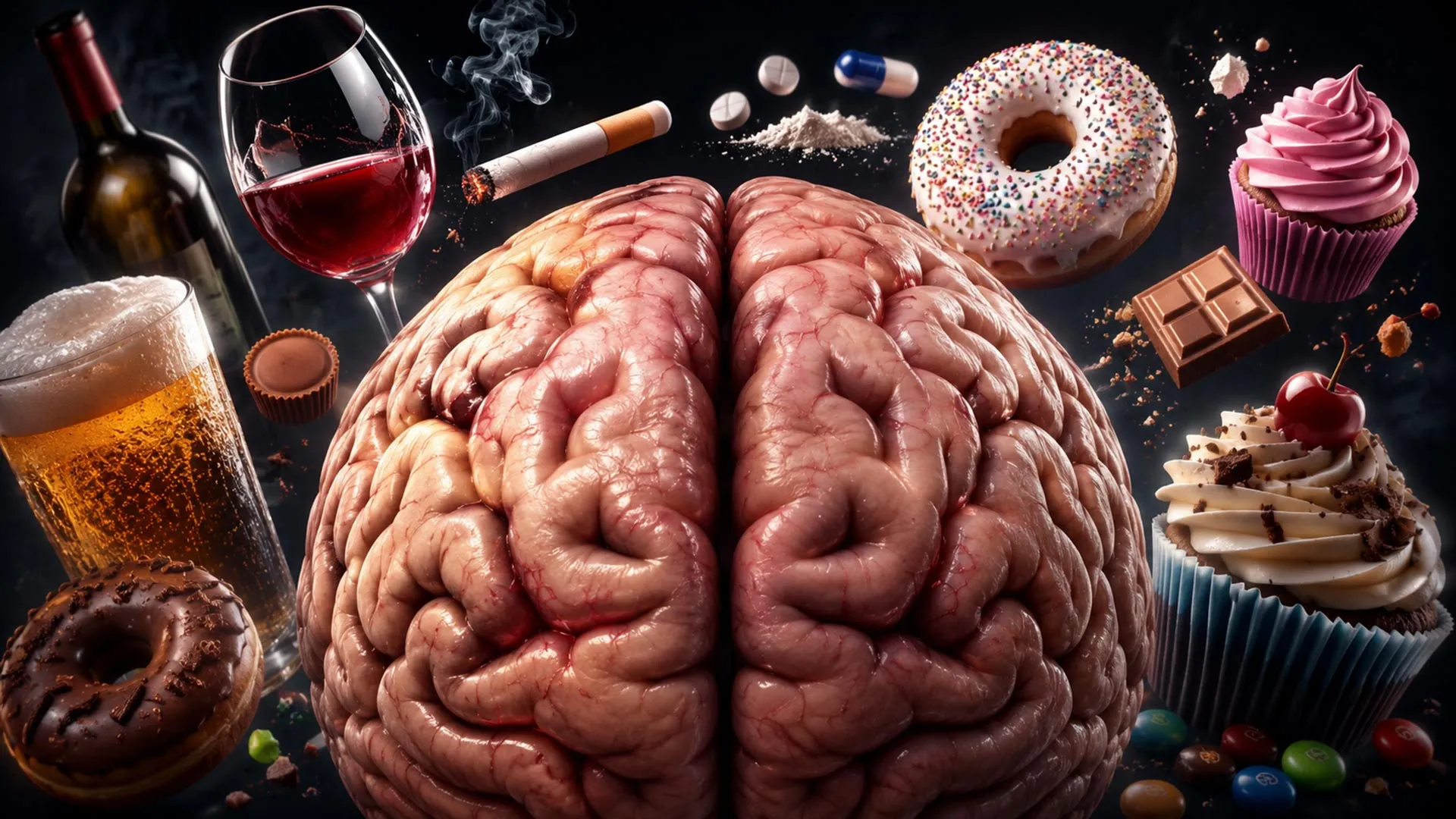
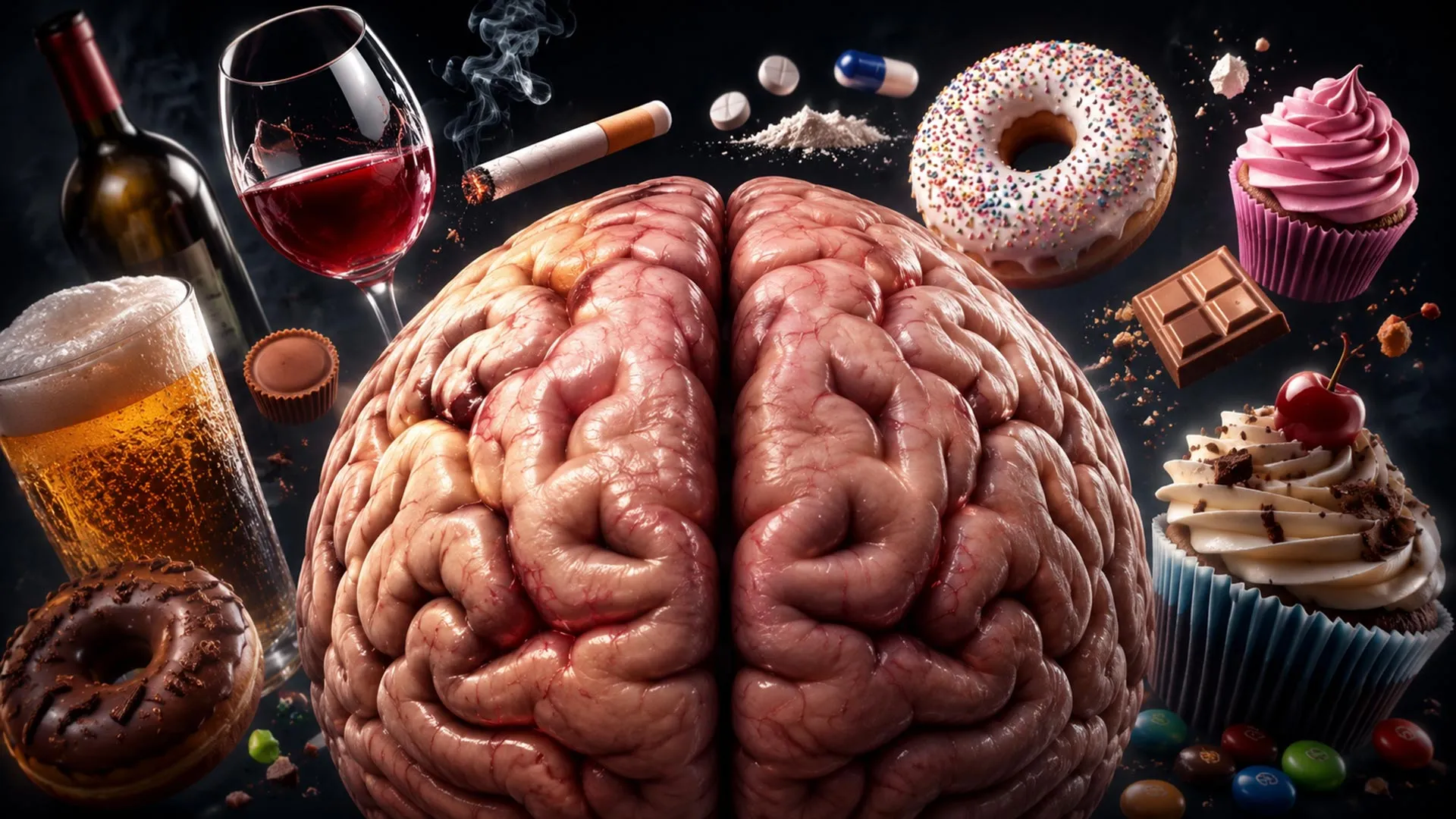
However, for a significant portion of the population, this finely tuned motivational system can tragically malfunction. When the pursuit of these intrinsically rewarding stimuli becomes disproportionate or compulsive, it can lead to severe disorders of substance overuse and addiction. This encompasses a broad spectrum of conditions, ranging from overeating that culminates in obesity to chronic alcohol abuse and the devastating cycle of illicit drug dependence. The vivid mental imagery associated with these substances – the taste, the sensation, the relief they promise – can become overwhelming, overriding rational thought and driving persistent, detrimental behaviors.
The profound connection between vivid mental imagery, intense cravings, and the subsequent act of consumption has been a subject of scientific inquiry for decades. Pioneering studies dating back to the 1970s already began to establish a clear link between the intensity of mental imagery and the propensity for drug abuse, suggesting that the mental rehearsal of a drug’s effects or the anticipation of its reward could powerfully fuel addictive behaviors. Understanding this intricate interplay between craving and consuming is not merely an academic exercise; it is absolutely central to deciphering the enigma of addiction itself. Yet, despite concerted efforts and significant advancements in neuroscience, the precise mechanisms underpinning this phenomenon have largely eluded comprehensive understanding for decades. The brain’s reward system, while extensively studied, has held many of its secrets close.
Recently, however, a new class of pharmaceutical agents initially developed for an entirely different purpose has inadvertently provided neuroscientists with an unprecedented "lever" to pry open these secrets. These drugs, known as Glucagon-Like Peptide-1 (GLP-1) agonists, include widely recognized names such as Ozempic and Wegovy. They were originally formulated to treat Type 2 diabetes, primarily by mimicking the naturally occurring GLP-1 hormone. In doing so, they stimulate insulin release in a glucose-dependent manner, slow gastric emptying (which contributes to feelings of fullness), and directly increase satiety signals to the brain. Their primary mechanism of action in diabetes management is to help control blood sugar levels, preventing the dangerous spikes and troughs characteristic of the disease.
The most widely publicized effect of these GLP-1 agonists, however, has been their remarkable efficacy in promoting weight loss. Patients using these medications for diabetes treatment began to experience significant, often dramatic, reductions in body weight. In some cases, the extent of weight loss observed was comparable to or even approached the outcomes typically associated with bariatric surgery – a testament to their potent metabolic effects. This discovery quickly repositioned GLP-1 agonists as groundbreaking treatments for obesity, revolutionizing the therapeutic landscape for millions struggling with chronic weight management.
But there is another, perhaps even more profound and less well-publicized, effect of GLP-1 agonists that has ignited immense excitement within the neuroscience and addiction research communities. Beyond their metabolic and weight-loss properties, accumulating human studies have consistently demonstrated that GLP-1 agonists significantly reduce alcohol consumption. This observation alone is remarkable, but preclinical animal studies have further broadened the scope of their potential impact, suggesting that these drugs also reduce the self-administration and seeking behaviors associated with a wide array of other highly addictive substances, including cocaine, amphetamines, opiates, and nicotine. This emerging evidence points to GLP-1 agonists not just as metabolic regulators, but as potential modulators of the brain’s fundamental reward circuitry, offering a completely new paradigm for understanding and potentially treating addiction across various substances.
These unexpected findings are fundamentally reshaping our understanding of the brain’s complex reward system, challenging long-held assumptions and opening entirely new avenues for therapeutic intervention. The implication is immense: GLP-1 agonists may not only offer novel treatment options for obesity and alcohol dependence but could also be transformative in the battle against a broader range of substance use disorders that have historically proven recalcitrant to treatment.
How the Brain Regulates Reward Stimuli: A Reassessment
For decades, our understanding of the brain’s "reward circuitry" has been heavily centered on regions rich in the neurotransmitter dopamine. Dopamine is not merely a "pleasure chemical" as it’s often popularly portrayed; rather, it plays a critical role in motivation, learning, and the anticipation of rewards, often signaling the "wanting" rather than just the "liking" of a stimulus. Key brain areas like the ventral tegmental area (VTA), where dopamine neurons originate, and their primary projection target, the nucleus accumbens (NAc), have been the undisputed focus of reward research. These structures form the core of the mesolimbic dopamine system, a pathway critically involved in processing natural rewards (like food, water, and sex) and hijacked by addictive substances. They are the obvious candidate regions one would instinctively look to for a mechanism explaining the broad anti-consumption effects of GLP-1 agonists.
However, a crucial piece of the puzzle immediately presents a challenge to this conventional view: the VTA and NAc, despite their central role in reward, lack a significant density of receptors for GLP-1. This anatomical fact strongly suggests that these traditional reward centers are unlikely to be the direct site of action for GLP-1 agonists in exerting their anti-addiction effects. This disconnect forces neuroscientists to look beyond the immediate dopamine pathways and consider other brain regions that might indirectly modulate reward processing. The search for the direct neural substrate of GLP-1 action, therefore, necessitates a "jump upstream" from these well-trodden dopamine-producing areas.
The Lateral Septum: An Overlooked Orchestrator of Reward
This search has increasingly converged on a fascinating and historically enigmatic brain structure known as the lateral septum. Situated deep within the forebrain, the lateral septum has long been implicated in emotional regulation and behavioral control, though its precise role in reward processing has been less clear until recently. Its historical involvement in modulating emotional states is well-documented.
Indeed, as far back as 1953, pioneering American behavioral researchers Joseph Brady and Walle Nauta made seminal observations that led them to coin the term "septal rage." Their experiments revealed that animals with damage to the lateral septum exhibited dramatically increased aggression and irritability. Conversely, direct electrical stimulation of this same brain region was shown to reduce aggressive behaviors, highlighting its profound influence on emotional modulation. For many years, the lateral septum was primarily viewed through this lens: a modulator of aggression and emotional reactivity, often in conjunction with its connections to the hypothalamus, which is a major regulator of basic physiological drives.
However, much more recent and sophisticated work, leveraging advanced neuroimaging and optogenetic techniques, has drastically reframed our understanding of the lateral septum’s function. This modern research has positioned the lateral septum not merely as an emotional regulator, but as a critical hub within a vast and intricate neural connectivity network. It is now understood to be a highly interconnected region, linking with numerous other brain areas involved in diverse functions, including memory, decision-making, and, critically, reward processing. While a specific link between the lateral septum and the hypothalamus is undoubtedly responsible for phenomena like "septal rage," the lateral septum’s extensive connections with many other regions with varied functions underscore its role as a central integrator of information.
The Brain’s Reward Control Center: Integrating Context and Value
A key to understanding the lateral septum’s emerging role as a "reward control center" lies in its primary input. A substantial portion of the lateral septum’s neural input originates from the hippocampus, a brain region universally recognized for its pivotal role in memory formation. The hippocampus is the seat of long-term "episodic memories," allowing us to recall specific events, experiences, and their associated contexts – essentially, what happened, where, and when. The tragic case of Henry Molaison (Patient HM), who, after surgery for epilepsy, was rendered unable to form new memories, starkly illustrated the hippocampus’s indispensable role in allowing us to live with a coherent past, rather than in a "permanent present tense."
Beyond episodic memory, the hippocampus also famously contains "place cells" – remarkable neurons that fire selectively when an individual (or animal) is in a particular spatial location. More recent groundbreaking research has expanded this concept, demonstrating that hippocampal place cells also encode information about "time," essentially creating a spatio-temporal map of our experiences. This sophisticated "where and when am I" contextual information is then meticulously forwarded to the lateral septum.
Critically, recent research has revealed that the lateral septum itself also contains place cells, but with a unique and powerful addition: these cells respond strongly to rewards. This means that the lateral septum doesn’t just receive information about spatial and temporal context; it integrates this with information about "what is good in this place." In essence, it adds a layer of subjective value and salience to the environmental context. This integrated information – the "where, when, and what is rewarding" – is then shared with the downstream dopamine-producing regions, such as the VTA and NAc, which we typically associate with the raw sensation and drive of reward.
Neuroscientists are increasingly conceptualizing the lateral septum as a sophisticated cognitive hub that allows us to "think about" rewards – to form a conscious perception of them, to anticipate their value, and to integrate them within our current environmental and temporal context. It acts as a crucial communication bridge, translating complex contextual and motivational information into signals that can modulate the more primitive, dopamine-driven machinery of the brain’s core reward system. This makes it a prime candidate for a region that could influence the mental imagery and craving that precede consumption.
The GLP-1-Lateral Septum Connection: A Direct Link
The final and most compelling piece of evidence solidifying the lateral septum’s role in the anti-consumption effects of GLP-1 agonists is its neuroanatomical profile. The lateral septum is absolutely loaded with GLP-1 receptors – a significantly higher density than many other brain regions, including the VTA and NAc. This high concentration provides a direct and plausible anatomical substrate for GLP-1 agonists to exert their effects.
Emerging research has begun to confirm this hypothesis with striking clarity. In recent years, studies have shown that the direct activation of GLP-1 receptors specifically within the lateral septum can significantly reduce food consumption in mice. Expanding on this, earlier this year, another pivotal study demonstrated a similar effect for alcohol consumption, where GLP-1 activation in the lateral septum directly suppressed alcohol intake. Furthermore, research from my own laboratory this year has shown that GLP-1 drugs reduce a specific type of neural activity in the lateral septum, which may prevent it from communicating as effectively with other crucial brain regions involved in reward and motivation. This suggests a direct modulation of its integrative function.
These groundbreaking findings are fundamentally reshaping our understanding of how the brain processes rewards, moving beyond a purely dopamine-centric view. They have firmly put the spotlight on the lateral septum as a critical "home of cravings," a key brain region that integrates contextual information with the subjective value of rewards, and which appears to be directly modulated by GLP-1 agonists. This new understanding not only deepens our knowledge of the intricate neural mechanisms underlying addiction and motivation but also paves the way for the development of highly targeted, more effective therapeutic strategies for a range of devastating substance use disorders, potentially offering hope to millions grappling with these challenging conditions.
