
 By Lina Irawan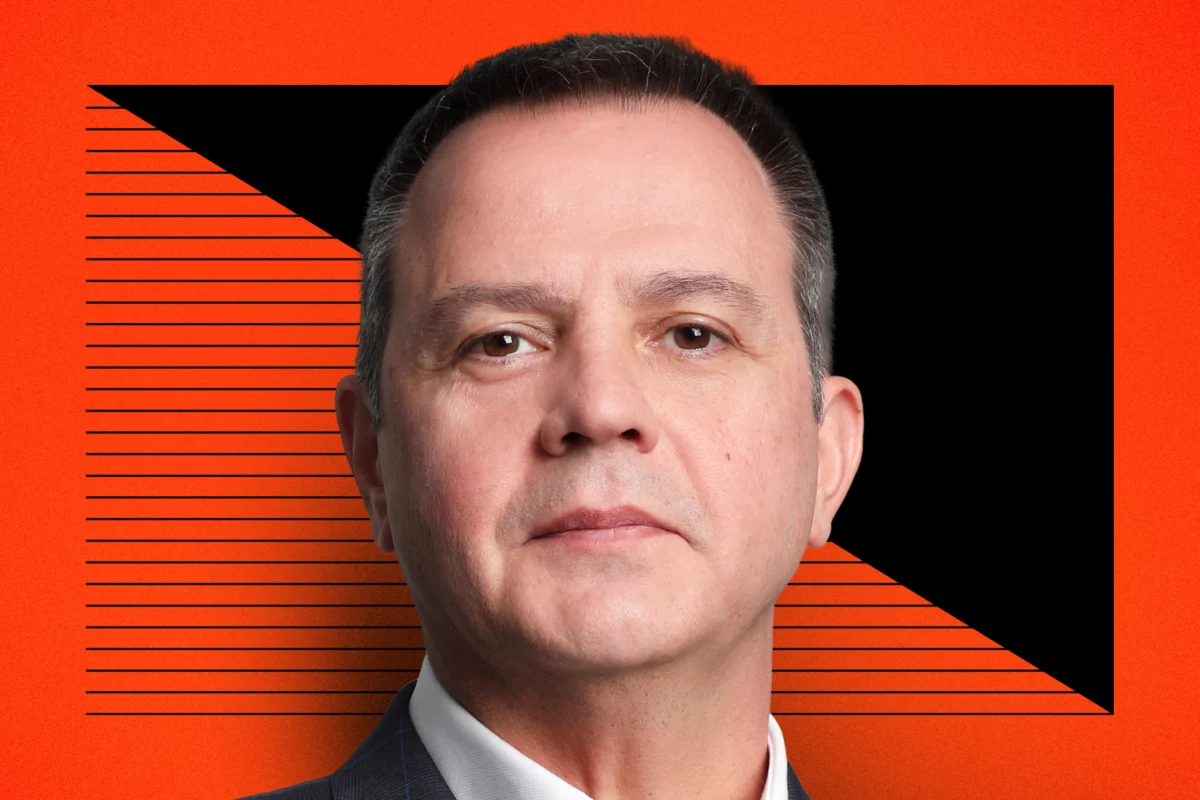
The Philippines, an archipelagic nation in Southeast Asia, finds itself at a critical juncture, grappling with a severe energy crisis exacerbated by global geopolitical tremors. For Guillaume Lucci, CEO of the Filipino infrastructure powerhouse Prime Infra, the path forward is clear and pragmatic: "What we need is more energy of all sorts, not only more renewable energy," Lucci told Fortune from the firm’s headquarters in Pasay City, Manila. He emphasizes a holistic strategy where "energy reliability and affordability" are not "decoupled from decarbonization," but rather pursued in parallel, acknowledging that "for now, we need a bit of everything."
Lucci’s "all-of-the-above" philosophy offers a stark contrast to some of the more ideologically rigid energy transition narratives prevalent in Western capitals. For an emerging economy like the Philippines, where energy security and affordability directly impact millions of lives and the nation’s economic stability, a singular focus on immediate decarbonization can be perilous. The recent crisis underscored this vulnerability: when the U.S.-Iran war erupted in February, threatening the vital Strait of Hormuz and disrupting global oil flows, the Philippines, importing a staggering 98% of its oil from the Gulf region, was among the hardest hit. This precarious dependency led President Ferdinand Marcos Jr. to declare a nationwide energy emergency on March 24, a measure slated to remain in effect for a full year. At one point during the crisis, the nation’s buffer oil supply dwindled to a mere 45 days, highlighting the urgent need for a diversified and resilient energy portfolio.
Prime Infra, under Lucci’s leadership, embodies this pragmatic approach through its sprawling and diverse portfolio. The company is actively involved in critical sectors—energy, water, and waste management—all of which address the Philippines’ most pressing national priorities. Their projects span from managing the crucial Malampaya gas field, a significant domestic source of natural gas for power generation, to developing the Wawa hydropower dam and pioneering a nascent waste-to-energy business. This diversified mix serves as a real-world test case for whether such an asset base can deliver resource security for a vulnerable emerging economy facing both immediate crises and long-term climate challenges.
Lucci frequently points out the often-underestimated timeline required for developing green infrastructure. While the vision for a renewable future is compelling, the practicalities of construction, scaling, and integration demand patience and, crucially, "stop-gap measures" to bridge the transition. The Wawa dam, a testament to this reality, took four years to construct (2021-2025) and only began operations late last year. Such projects are inherently complex, capital-intensive, and time-consuming. "We’ve evolved and transitioned dramatically over the past 50 years, it’s just that infrastructure is so complex," Lucci explains. "These projects take a long time to be built, mature and show returns. It’s a slow-moving process, but one that’s continuously in motion."
Beyond energy, Prime Infra’s commitment extends to water and waste management, addressing other fundamental infrastructural gaps in the Philippines. The statistics are sobering: according to international non-profit Water.org, 59 million Filipinos—a staggering 51% of the population—lack access to safe drinking water, while 37% do not have access to clean toilets. These figures underscore the profound impact of Prime Infra’s work in improving public health, sanitation, and overall quality of life.
A Young Firm Tackling Age-Old Problems with a Long-Term Vision
Guillaume Lucci founded Prime Infra in 2017 with the strategic backing of Filipino billionaire Enrique Razon Jr., a formidable figure known for his extensive interests in ports, casinos, and other critical infrastructure. Their shared vision was not merely to fund or construct infrastructure, but to cultivate a deep, continued stake in its effective, long-term operation. Lucci, initially serving as the firm’s president and COO, assumed the CEO role in 2022, steering the company’s strategic direction.
"The DNA of the company is to develop, invest and operate assets for a long time," Lucci, an engineer by training, asserts. "It’s not about coming in, building assets, then going away. We intend to partner with and be embedded in local communities for decades to come." This philosophy stands in stark contrast to many traditional project developers who might exit upon completion, underscoring Prime Infra’s commitment to sustainable impact.
Lucci’s passion for infrastructure was deeply rooted in his childhood experiences across Morocco and Spain during the 1970s and 80s. "I spent most of my childhood in environments that are structurally deficient, so that shaped a lot of my views on how to address basic needs with infrastructure," he reflects. This early exposure to the challenges of underdeveloped infrastructure instilled in him a profound understanding of its transformative power.
His academic journey took him through engineering programs in France, Brazil, and the U.S., equipping him with a global perspective and technical expertise. In 2014, Lucci moved to the Philippines to join Razon’s International Container Terminal Services (ICTSI), a global port management company. Both ICTSI and Prime Infra are recognized on Fortune‘s Southeast Asia 500 list, at No. 113 and No. 246, respectively, highlighting their significant regional economic footprint.
Lucci describes his attraction to ICTSI: "ICTSI is a Filipino company that has a global footprint in emerging markets, and I really wanted to work in markets with significant barriers to entry." ICTSI’s operations in places like the Democratic Republic of Congo, Papua New Guinea, Iraq, Honduras, and Mexico provided him invaluable experience in navigating complex logistical, political, and social landscapes. In contrast, Prime Infra initially focused its assets primarily within the Philippines, a rapidly evolving emerging economy. "We are growing, urbanizing, industrializing, digitizing and electrifying, so all of that combined makes for a very exciting environment to build infrastructure," Lucci notes, encapsulating the immense demand and opportunity within the country.
Yet, Lucci readily admits that building infrastructure in the Philippines is far from straightforward. The nation presents a unique set of challenges, including intricate bureaucratic processes, sensitive social complications involving indigenous land rights, and its inherent vulnerability to natural disasters. As one of the world’s most typhoon-prone countries, designing for climate resilience is not merely an option but a necessity. "When you build with climate resilience in mind, you find yourself in a situation where you’re designing for extremes rather than averages—and that actually makes infrastructure more expensive," Lucci explains. This additional cost, while significant, is a crucial investment in long-term safety and sustainability.
The Wawa hydropower dam project in Luzon serves as a prime example of these challenges and the resilience required. Its construction, starting in 2021, culminated in late 2025, with a hefty price tag of 26.5 billion Philippine pesos (roughly $500 million). Now operational, the dam plays a dual role: it provides a vital source of clean water for Metro Manila’s burgeoning population and functions as a gravity-fueled battery for pumped-storage hydropower, contributing to energy stability. Moreover, its flood control capabilities were dramatically demonstrated during November’s Typhoon Uwan, where it reportedly captured over 99% of rainfall, averting potential catastrophe for downstream communities.
Taking Out the Trash and Turning it into Treasure
Prime Infra’s foray into waste management began in 2022 with the establishment of Prime Integrated Waste Solutions, a wholly-owned subsidiary dedicated to building and operating modern waste recovery facilities. "In the Philippines, there was a very limited regulatory environment in support of waste management to industrialize it at scale," Lucci observes, highlighting the fragmented and often inefficient existing systems. The scale of the waste problem in the Philippines is immense, with overflowing landfills and widespread improper disposal contributing to environmental degradation and public health crises.
Currently, Prime Infra focuses on sorting, treating, and selling recovered waste materials to other industrial users. However, Lucci harbors a more ambitious vision: a robust waste-to-energy pipeline that transforms trash into power and heat using advanced systems like combustion, boilers, and steam turbines. "We wanted to position ourselves to access the waste stream, because the feedstock is fundamental to sustainable fuels and can be tapped for energy production," he explains. This initiative aligns with global efforts to mitigate climate change and promote a circular economy.
In a significant endorsement of this vision, oil and gas supermajor BP invested $10 million in WasteFuel Global in 2023, a sustainable fuels company backed by Prime Infra. Prime Infra also owns WasteFuel Philippines, which is poised to develop local biorefinery facilities to convert municipal and agricultural waste into biomethanol, a cleaner fuel alternative.
Despite these promising developments, Lucci acknowledges that the full waste-to-energy pipeline he envisions has yet to become a widespread reality. "The material recovery and municipal waste treatment facilities already exist, but infrastructure for the second part, where waste is turned into energy, has yet to be built," he states. The missing link, he explains, is securing long-term contracts necessary to finance the substantial capital investments required. He also points to broader challenges plaguing the global sustainable fuel sector, including severe supply shortages, high production costs, and often inconsistent government support. Yet, Lucci remains unfazed by these headwinds: "It’s like everything else… If it were easy, everybody would be doing it."
Looking to Further Shores: Global Expansion
After nearly a decade of consolidating expertise and establishing a strong operational footprint in the Philippines, Prime Infra is now strategically poised to explore opportunities abroad. This outward gaze marks a significant evolution for the company.
In March, Prime Infra made its inaugural international venture, acquiring SierraCol Energy, Colombia’s largest privately-owned oil and gas production company, from Washington-based private equity firm Carlyle. While the precise sum of the transaction was undisclosed, Reuters had reported that Carlyle was seeking approximately $1.5 billion for SierraCol, indicating a substantial acquisition. This move signals Prime Infra’s intent to diversify its asset base geographically and sectorally, leveraging its operational prowess on a global scale.
"We will be ten years old next February," Lucci reflects. "If you take into account the gestation periods of our projects, the first six to seven years were really about winning at home, and making sure that we were operating at a standard which allows us to compete internationally… Once we reached that turning point, we started looking outwards."
While Lucci remained discreet about specific future markets, he candidly expressed a "soft spot for Africa." His childhood experiences in Morocco, witnessing its transformation from a structurally deficient environment to a "dominant force in renewable energy" with significant natural resources and burgeoning infrastructure, deeply influenced him. "I would say Africa has plenty of opportunities," he affirms, pointing to the continent’s immense infrastructure deficit, rapid population growth, and vast untapped resources.
Ultimately, as Prime Infra continues its strategic expansion, both domestically and internationally, Lucci is resolute in ensuring the firm remains true to its core mission: building essential infrastructure to address fundamental societal needs. "We’re striving for a good balance of strategic acquisitions and greenfield projects," he concludes. "After all, the latter has been the defining trait of the business from the very beginning." This commitment to originating and developing projects from the ground up underscores Prime Infra’s enduring legacy of impactful development.
In Fortune’s “Asia Agenda” column, released twice a month, we speak with Asia’s top business leaders about how they are building for the future and the lessons they’ve drawn from leading companies in one of the world’s fastest growing and most dynamic regions. Explore all of our profiles here.
