
 By admin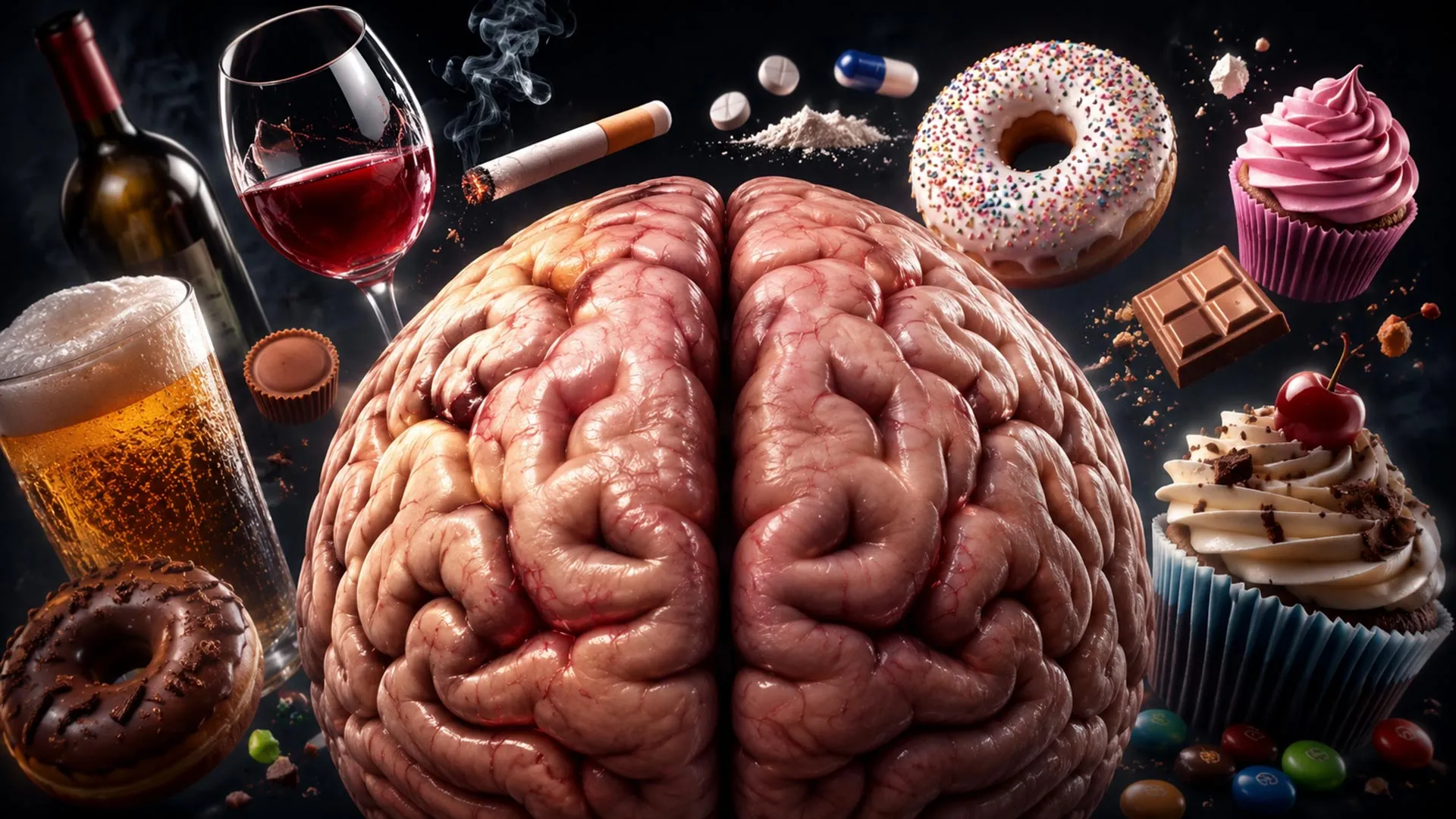
This inherent link between internal thought processes and external action serves a critical evolutionary function: it is a primary driver that compels us to seek out and acquire the necessities for survival and well-being. From finding food and water to seeking warmth and social connection, our brains are hardwired to associate certain stimuli with reward and to motivate behavior to obtain those rewards.
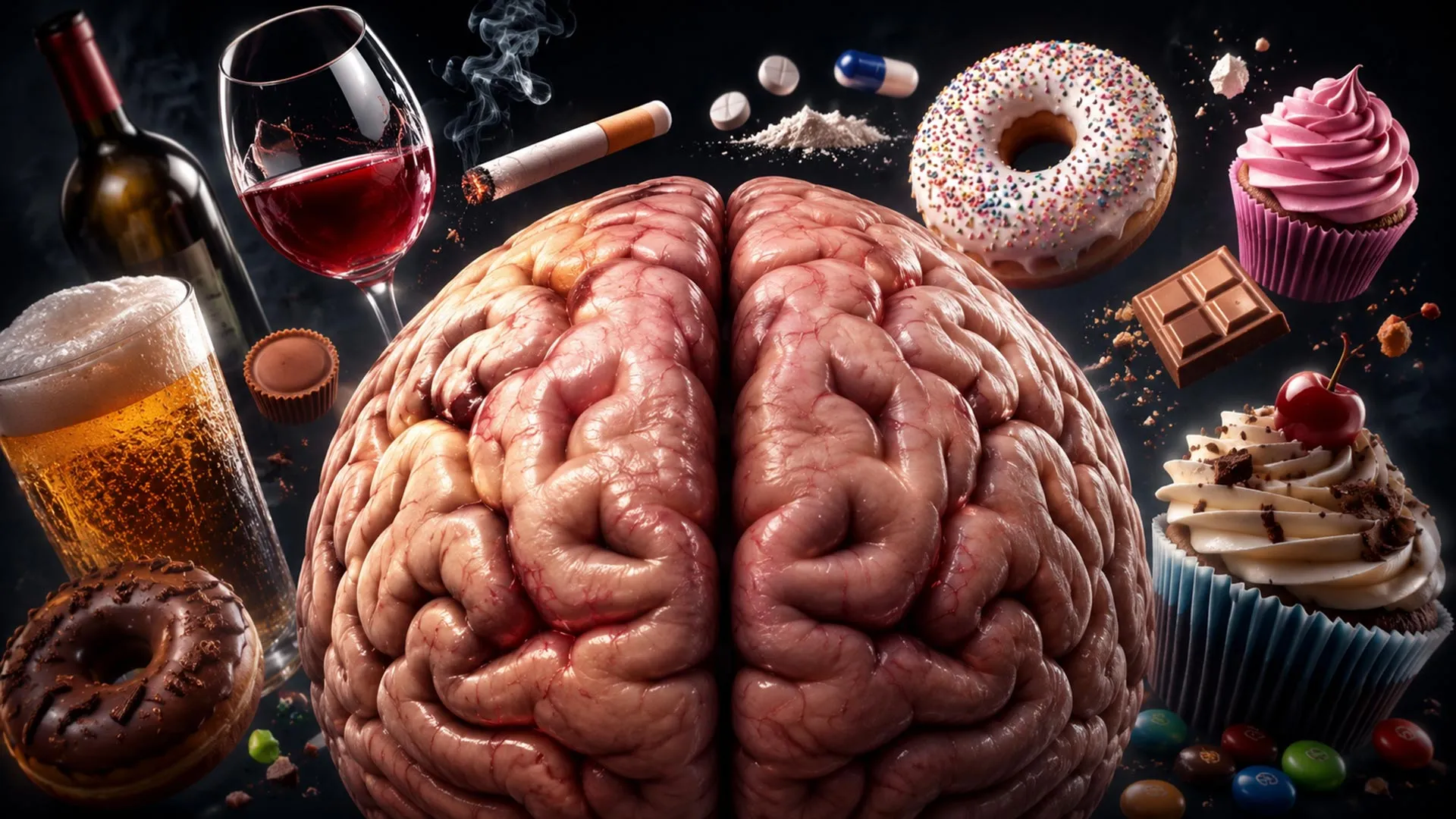
However, for a significant segment of the population, this otherwise adaptive process can malfunction. When the brain’s reward system becomes dysregulated, the vivid mental images and anticipatory pleasure associated with certain rewarding stimuli—be it highly palatable foods, alcohol, or illicit substances—can transform from healthy motivation into an overpowering preoccupation. This preoccupation can lead to compulsive seeking and consumption, manifesting as severe disorders of substance overuse, including chronic overeating leading to obesity and various forms of substance use disorders, most notably alcohol abuse. The societal and individual burden of these conditions is immense, impacting physical health, mental well-being, social relationships, and economic productivity.
The scientific understanding of this intricate interplay between craving—the intense desire for a reward—and consuming—the act of obtaining and experiencing that reward—is central to unraveling the mysteries of addiction. Researchers have long recognized the role of mental imagery in this process. Studies dating back to the 1970s, pioneering work in the field, have consistently linked the vividness and frequency of mental imagery related to a desired substance or behavior with the intensity of craving and the likelihood of relapse in individuals struggling with various forms of substance abuse. These early findings laid the groundwork for cognitive models of addiction, highlighting how internal mental states contribute significantly to the compulsive nature of these disorders. Despite these insights, the precise neurobiological mechanisms underlying this profound link, and particularly how to effectively intervene, have largely eluded neuroscience for decades. The sheer complexity of the brain’s reward system, coupled with the ethical and practical challenges of studying addiction in humans, has made it a formidable frontier.
Yet, a surprising breakthrough has emerged from an unexpected quarter: the introduction of a new class of pharmaceutical drugs primarily developed for weight loss. These medications, which include widely recognized names like Ozempic (semaglutide) and Wegovy, may have provided neuroscientists with just the "lever" needed to finally dissect and understand the intricate mechanisms driving craving and consumption.
These novel drugs are known as GLP-1 (glucagon-like peptide-1) receptor agonists. They function by mimicking the natural GLP-1 hormone, which is produced in the gut and brain in response to food intake. Originally developed and approved to treat type 2 diabetes, these drugs stimulate insulin release in a glucose-dependent manner, thereby helping to control blood sugar levels effectively. Their mechanism also involves slowing gastric emptying, which prolongs the feeling of fullness after meals, and acting directly on appetite centers in the brain to reduce hunger and food intake.
The most prominent and widely publicized "side effect" of these GLP-1 agonists has been significant weight loss. For many individuals, the weight reduction achieved through these medications has been remarkable, in some cases approaching the levels observed after bariatric surgery, which is typically considered the most effective intervention for severe obesity. This profound impact on body weight quickly led to their approval for chronic weight management.
However, a less publicized but equally significant effect of GLP-1 agonists has begun to capture the attention of addiction researchers. Beyond their metabolic effects, human studies have demonstrated that GLP-1 agonists can substantially reduce alcohol consumption, with some participants reporting decreased desire for alcohol and reduced heavy drinking days. The implications extend even further. Preclinical animal studies, which are crucial for investigating the neurobiological underpinnings of addiction due to ethical limitations in human research, suggest that these drugs also reduce the self-administration and seeking behaviors for a wide array of highly addictive substances, including stimulants like cocaine and amphetamines, opiates, and nicotine. This broad anti-addictive potential across diverse substance classes suggests a fundamental impact on core reward pathways in the brain, rather than a substance-specific effect.
These findings are profoundly changing how neuroscientists conceptualize and study the brain’s reward system. They suggest that GLP-1 agonists could potentially offer entirely new therapeutic options, not just for obesity and type 2 diabetes, but also for a spectrum of substance use disorders, including alcohol dependence and other forms of drug addiction. The promise is immense, hinting at a new era in addiction treatment.
How the Brain Regulates Reward Stimuli: A Paradigm Shift
For decades, our understanding of the brain’s "reward circuitry" has been heavily centered on specific regions that produce and process the neurotransmitter dopamine. The mesolimbic dopamine pathway, comprising the ventral tegmental area (VTA) and its projections to the nucleus accumbens (NAc), has been considered the cornerstone of reward processing, motivation, and reinforcement learning. The VTA, located in the midbrain, is a primary source of dopamine neurons, while the NAc, a part of the ventral striatum, is a crucial target for these projections, playing a key role in mediating the pleasurable and motivational aspects of rewards. These brain parts have been the subject of intensive research on reward and addiction, making them the obvious candidates for investigating the neural mechanisms of GLP-1 action in the brain.
However, a critical piece of the puzzle emerged: the VTA and NAc surprisingly lack a significant density of receptors for GLP-1. This absence suggests that GLP-1 agonists are unlikely to exert their anti-craving effects directly on these classical dopamine-producing and processing regions. This observation forced neuroscientists to consider alternative brain regions, looking "upstream" or to modulatory pathways, to understand the profound anti-consumption effects observed with GLP-1 drugs.
The Lateral Septum: A Re-emerging Player in Reward Control
One such region, located "upstream" from the traditional dopamine-producing areas, is the lateral septum (LS). This fascinating brain structure has a long but often underappreciated history in neuroscience, historically implicated in various aspects of emotional regulation and behavioral control.
As far back as 1953, pioneering US behavioral researchers Joseph Brady and Walle Nauta coined the term "septal rage." Their experiments revealed that animals with damage to the lateral septum exhibited dramatically increased aggression, while direct electrical stimulation of this brain region paradoxically reduced aggressive behaviors. These early findings positioned the lateral septum as a critical modulator of emotional states, particularly anger and aggression, suggesting an inhibitory role in certain emotional responses.
Much more recent work, leveraging advanced neuroimaging techniques, optogenetics, and sophisticated circuit mapping, has dramatically reframed our understanding of the lateral septum’s function. It is now recognized as a central node within a complex neural connectivity network, acting as an integrative hub that processes and relays information from diverse brain regions. While a significant link between the lateral septum and the hypothalamus (a region vital for basic physiological functions and emotional responses) is likely responsible for the historical observations of "septal rage," the lateral septum is now known to connect with numerous other brain regions involved in a wide array of functions, including memory, motivation, and reward. This broad connectivity highlights its potential as a master regulator rather than a simple emotional switch.
The Brain’s Reward Control Center: A New Perspective
A key to understanding the lateral septum’s emergent role in reward processing lies in its primary input. A substantial portion of the lateral septum’s information stream originates from the hippocampus. The hippocampus is perhaps best known as the critical brain region responsible for the formation of long-term "episodic memories"—our autobiographical recollections of specific events, including their context, time, and emotional content. The famous case of Henry Molaison (patient HM), who suffered severe hippocampal damage after surgery for epilepsy, dramatically illustrated this function; he was unable to form new memories, effectively living in a "permanent present tense."
Beyond episodic memory, the hippocampus also contains remarkable "place cells"—neurons that fire selectively when an animal or person is in a specific location in space. More recent research has expanded this concept to "time cells," which fire at particular moments in a sequence of events, effectively encoding "where and when am I" information. This contextual information—the spatiotemporal map of our experiences—is precisely what gets forwarded to the lateral septum.
Critically, recent groundbreaking research has revealed that the lateral septum itself also contains place cells. However, these lateral septum place cells exhibit a unique characteristic: they strongly respond to rewards. This means that the lateral septum isn’t just receiving information about "where and when am I"; it’s integrating that with "what is good in this place." In essence, the lateral septum appears to be building a cognitive map of reward opportunities, contextualizing potential rewards within our remembered environment and experiences.
This integrated information, combining spatial, temporal, and reward-related context, is then shared by the lateral septum with the very dopamine-producing regions—the VTA and NAc—that we traditionally associate with the "feel good" aspects of reward. Neuroscientists are now proposing that the lateral septum acts as a sophisticated cognitive-emotional interface, allowing us to "think about" rewards—to consciously perceive and anticipate them—and then to communicate this evaluative information to the subcortical machinery of the brain’s reward system, which subsequently generates the dopamine-driven motivational and hedonic responses. This positions the LS as a crucial hub for the conscious experience of craving and the decision-making process related to reward seeking.
There is one final, compelling reason to suspect the lateral septum as the direct mechanism behind the anti-consumption effects of GLP-1 agonists: it is absolutely loaded with GLP-1 receptors. This high density of receptors indicates that the lateral septum is a prime target for these drugs, offering a direct pathway for their therapeutic action.
Emerging research is rapidly solidifying this hypothesis. GLP-1 receptor activation directly within the lateral septum has recently been shown to significantly reduce food consumption in mice, providing a direct link between the drug’s action in this specific brain region and its effects on appetite. Earlier this year, another landmark study demonstrated the same effect for alcohol consumption, further strengthening the case for the lateral septum as a key mediator of GLP-1’s anti-addictive properties. Furthermore, my own laboratory’s recent work has shown that GLP-1 drugs reduce a specific type of neural activity in the lateral septum. This modulation of activity may impede the lateral septum’s ability to communicate effectively with other brain regions involved in reward processing, thereby dampening the salience of reward cues and reducing compulsive seeking behaviors.
These convergent findings are not merely incremental advances; they are fundamentally reshaping our understanding of how the brain processes rewards and, critically, how craving develops and can be controlled. By highlighting the lateral septum as a central hub for integrating contextual information with reward signals, this research has firmly put the spotlight on the lateral septum as a key "home of cravings." This paradigm shift opens exciting new avenues for developing targeted treatments for a wide range of addiction disorders, offering hope for more effective interventions in the future.
