
 By admin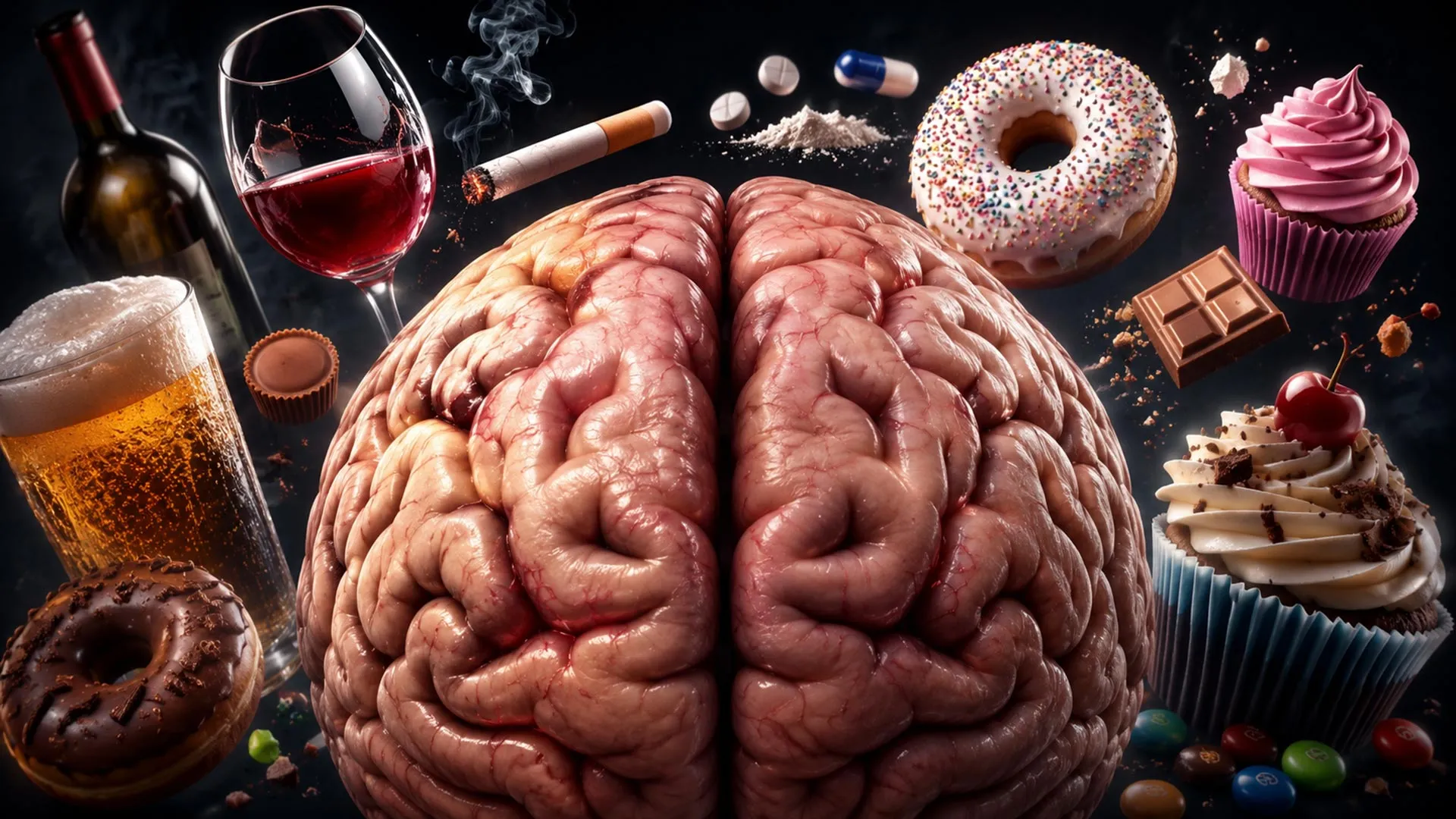
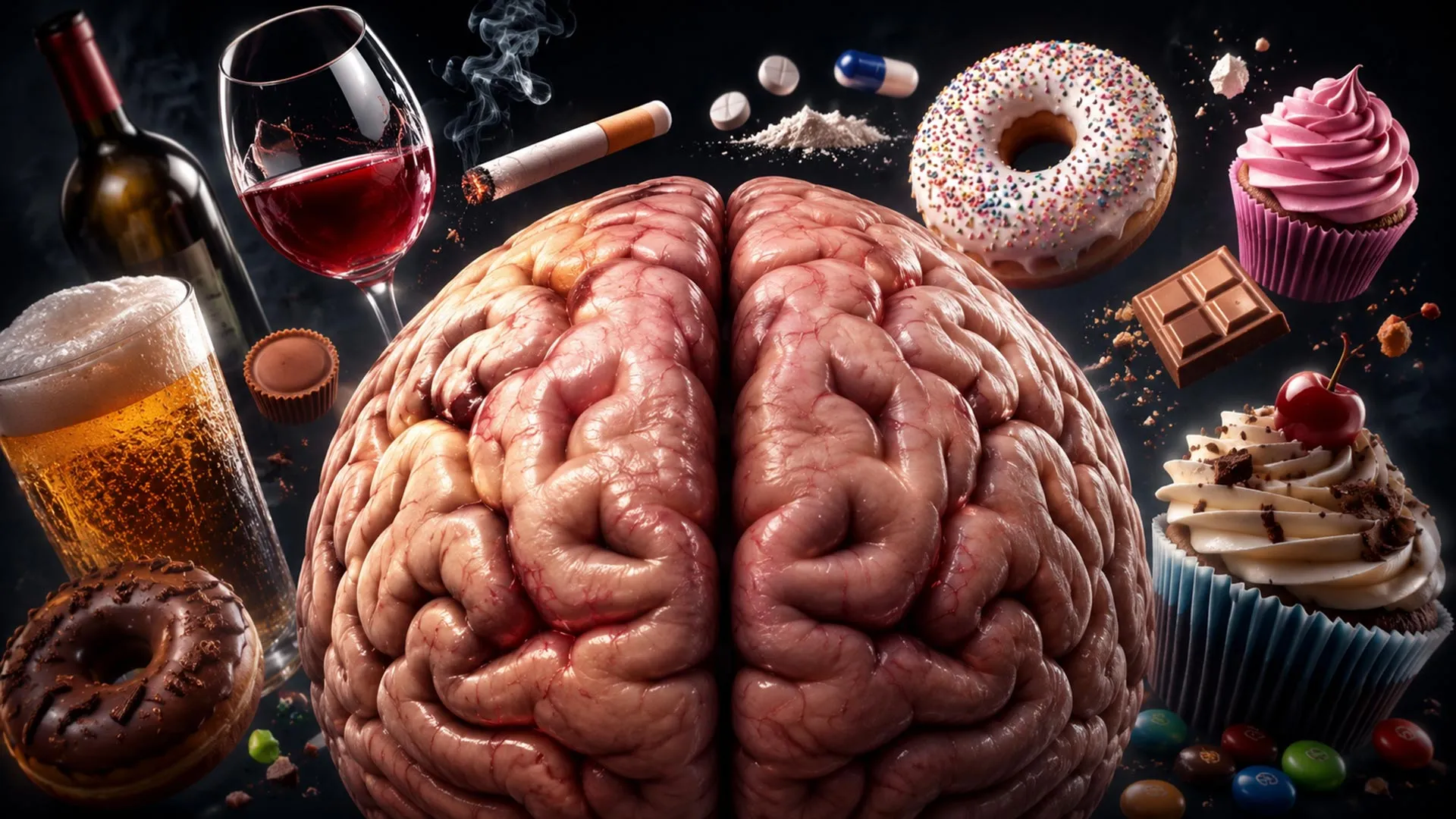
However, this sophisticated motivational system, while vital for survival, is also susceptible to malfunction. For a significant portion of the population, the very process designed to ensure survival can become a pathway to pathology. When the preoccupation with highly rewarding stimuli – be it hyper-palatable foods, alcohol, or illicit substances – becomes excessive and uncontrollable, it can lead to severe disorders of substance overuse. These include the global epidemic of obesity, driven by compulsive overeating, and the devastating impact of alcohol and drug abuse, affecting millions worldwide.
The scientific community has long recognized the profound link between mental imagery and addictive behaviors. Studies dating back to the 1970s laid the groundwork, demonstrating how vivid mental imagery of a desired substance or experience can trigger intense cravings. More recent research has further solidified this understanding, showing a clear correlation between the intensity and frequency of drug-related mental imagery and the severity of drug abuse. Understanding this intricate link between craving, the mental image of a reward, and the subsequent act of consumption is paramount to deciphering the enigma of addiction. Yet, despite decades of intensive research, the precise neurobiological underpinnings of this critical connection have largely eluded neuroscience.
A groundbreaking development, however, may have provided neuroscientists with the crucial "lever" needed to finally unravel this mystery: a new class of pharmaceutical drugs originally developed for different therapeutic purposes. These innovative medications, known as GLP-1 agonists, include widely recognized names such as Ozempic and Wegovy. They function by mimicking the natural glucagon-like peptide-1 (GLP-1) hormone in the body. Initially, these drugs were primarily used to treat type 2 diabetes, where their mechanism of action involved stimulating insulin release in a glucose-dependent manner, slowing gastric emptying, and enhancing feelings of satiety. These effects collectively contribute to better blood sugar control, making them highly effective for managing diabetes.
An unexpected, yet profoundly impactful, "side effect" of these GLP-1 agonists was significant weight loss among patients. Clinical trials and real-world data have shown that individuals using these drugs can achieve weight reductions comparable to, and in some cases approaching, the efficacy observed after bariatric surgery – a testament to their powerful impact on appetite and metabolism. This has rapidly positioned them as a transformative treatment for obesity.
Beyond their well-publicized effects on diabetes and weight, a less widely understood, but equally significant, phenomenon has emerged: GLP-1 agonists appear to exert a powerful influence on the brain’s reward system, impacting addictive behaviors. Human studies have revealed that these drugs can substantially reduce alcohol consumption, offering a glimmer of hope for individuals struggling with alcohol use disorder. Furthermore, preclinical animal studies have provided compelling evidence that GLP-1 agonists also reduce the self-administration and seeking behaviors for a wide array of highly addictive substances, including cocaine, amphetamines, opiates, and nicotine. This broad spectrum of anti-addictive effects across different substance classes suggests a fundamental influence on a core mechanism underlying reward and motivation.
These discoveries are fundamentally reshaping our understanding of the brain’s intricate reward system. They challenge long-held assumptions and open up entirely new avenues for therapeutic intervention. The potential for GLP-1 agonists to provide novel treatment options for not only obesity and type 2 diabetes but also for alcohol dependence and other substance use disorders represents a paradigm shift in addiction medicine.
How the Brain Regulates Reward Stimuli: A Deeper Look
For decades, our understanding of the brain’s "reward circuitry" has been centered around specific subcortical regions that are rich in dopamine-producing neurons. Key players in this system include the ventral tegmental area (VTA) and the nucleus accumbens (NAc). The VTA, located in the midbrain, is a primary source of dopamine, a neurotransmitter critically involved in motivation, pleasure, and reinforcement learning. Its projections to the NAc, a crucial component of the limbic system, form the mesolimbic dopamine pathway, often dubbed the "reward pathway." When we experience something pleasurable – a delicious meal, a successful social interaction, or a drug – dopamine is released in the NAc, signaling a reward and reinforcing the associated behaviors. This system is essential for learning to seek out beneficial stimuli and avoid harmful ones.
Given their central role in reward processing, the VTA and NAc were the obvious initial candidates for researchers seeking to understand the mechanism of GLP-1 action in the brain. However, a significant puzzle quickly emerged: these critical reward centers lack a substantial density of receptors for GLP-1. This anatomical disconnect suggests that GLP-1 agonists are unlikely to exert their profound anti-consumption effects through direct action on the VTA or NAc. This crucial observation necessitates a shift in focus, compelling neuroscientists to look "upstream" – to other brain regions that modulate the activity of these core reward centers.
The Lateral Septum: An Overlooked Orchestrator of Emotion and Reward
Moving beyond the immediate dopamine-producing regions, one structure that has garnered increasing attention is the lateral septum. This subcortical brain region has a rich, albeit complex, history in neuroscience, historically implicated in various aspects of emotional regulation.
Early pioneering work in the mid-20th century provided fascinating, if sometimes puzzling, insights into the lateral septum’s role. In 1953, the renowned US behavioral researchers Joseph Brady and Walle Nauta coined the term "septal rage." Their observations demonstrated that animals with lesions or damage to the lateral septum exhibited dramatically increased aggression and irritability. Conversely, direct electrical stimulation of this brain region was found to have a calming effect, significantly reducing aggressive behaviors. These findings firmly placed the lateral septum within the neural circuitry governing emotional responses, particularly those related to fear, anxiety, and aggression. For a long time, its role was primarily understood through this lens of emotional modulation.
However, much more recent and sophisticated research, utilizing advanced neuroimaging and optogenetic techniques, has provided a far more nuanced understanding. Modern studies have placed the lateral septum at the center of a complex neural connectivity network, revealing its extensive interconnections with numerous other brain regions. This reframing has moved its perceived function beyond simple emotional regulation to that of a crucial integrative hub, capable of processing and relaying diverse types of information. While its well-established link with the hypothalamus likely underpins the "septal rage" phenomenon, the lateral septum’s widespread connections mean it communicates with areas involved in memory, decision-making, and, crucially, reward.
The Brain’s Reward Control Center: Integrating Context and Value
The lateral septum’s capacity for integration stems largely from its primary input source: the hippocampus. The hippocampus is a celebrated brain region, universally recognized as being indispensable for the formation of long-term "episodic memories." These are memories of specific events, complete with their contextual details – what happened, where it happened, and when. The tragic case of Henry Molaison (Patient HM), who underwent surgery for epilepsy that inadvertently removed parts of his hippocampus, famously demonstrated this. Post-surgery, HM was profoundly unable to form new episodic memories, effectively living in a "permanent present tense," unable to recall recent events or new acquaintances. This highlights the hippocampus’s critical role in anchoring our experiences in time and space.
Beyond episodic memory, the hippocampus is also home to remarkable "place cells." These specialized neurons fire selectively when an animal (or person) is in a specific location within an environment, essentially forming an internal "cognitive map." More recent ground-breaking research has expanded this concept, showing that hippocampal neurons also encode "time cells," which fire at specific temporal points during an experience, indicating not just "where" but also "when" we are. This "where and when am I" contextual information is continuously processed and forwarded to the lateral septum.
Critically, new research has unveiled a profound layer of processing within the lateral septum itself. It has been discovered that the lateral septum also contains its own population of place cells. However, unlike their hippocampal counterparts, these lateral septum place cells exhibit a unique characteristic: they strongly respond to rewards. This means that while the hippocampus provides the fundamental spatial and temporal context, the lateral septum integrates this information with a crucial additional layer: "what is good in this place." It essentially imbues the environmental context with a value judgment, creating a rich, multimodal representation of the reward’s location and significance.
This integrated information is then selectively shared by the lateral septum with the dopamine-producing regions of the VTA and NAc – the very regions traditionally associated with the direct experience of reward and pleasure. Neuroscientists are now coalescing around a revolutionary idea: the lateral septum acts as a sophisticated cognitive filter and control center for rewards. It allows us to "think about" rewards – to consciously perceive and anticipate them, to integrate them into our spatial and temporal understanding of the world, and to assign them specific value based on context. This conscious, contextualized perception of reward then communicates with the brain’s core reward machinery, orchestrating the dopamine release that drives feelings of pleasure and motivation.
There is one final, compelling piece of evidence that firmly places the lateral septum at the heart of the anti-consumption effect observed with GLP-1 agonists: it is absolutely replete with GLP-1 receptors. The high density of these receptors in the lateral septum provides a direct anatomical substrate for the action of these drugs, bridging the gap between their systemic effects and their specific impact on reward processing.
Indeed, emerging research is rapidly confirming this hypothesis. Direct activation of GLP-1 receptors within the lateral septum has recently been shown to significantly reduce food consumption in mice, mirroring the weight-loss effects observed in humans. Earlier this year, another pivotal study demonstrated the same principle for alcohol consumption, where GLP-1 activation in the lateral septum curtailed alcohol seeking and intake. My own laboratory, through ongoing research this year, has further contributed to this growing body of evidence, showing that GLP-1 drugs reduce a specific type of neuronal activity within the lateral septum. This reduction in activity may precisely be the mechanism by which the lateral septum’s ability to effectively communicate its integrated reward information with other critical brain regions, including the VTA and NAc, is modulated or dampened.
These groundbreaking findings are not merely adding to our understanding; they are fundamentally reshaping how we conceptualize the brain’s intricate mechanisms for processing rewards and cravings. By firmly placing the spotlight on the lateral septum as a crucial integrative hub – perhaps even "the home of cravings" – we gain unprecedented insight into the complex interplay between memory, context, value, and motivation. The transformative potential of GLP-1 agonists, acting through this newly identified pathway, offers profound hope for developing more effective and targeted therapeutic strategies for a range of disorders characterized by dysregulated reward processing, including obesity, alcohol dependence, and other devastating substance use disorders. This represents a thrilling new frontier in neuroscience and addiction medicine.
