
 By admin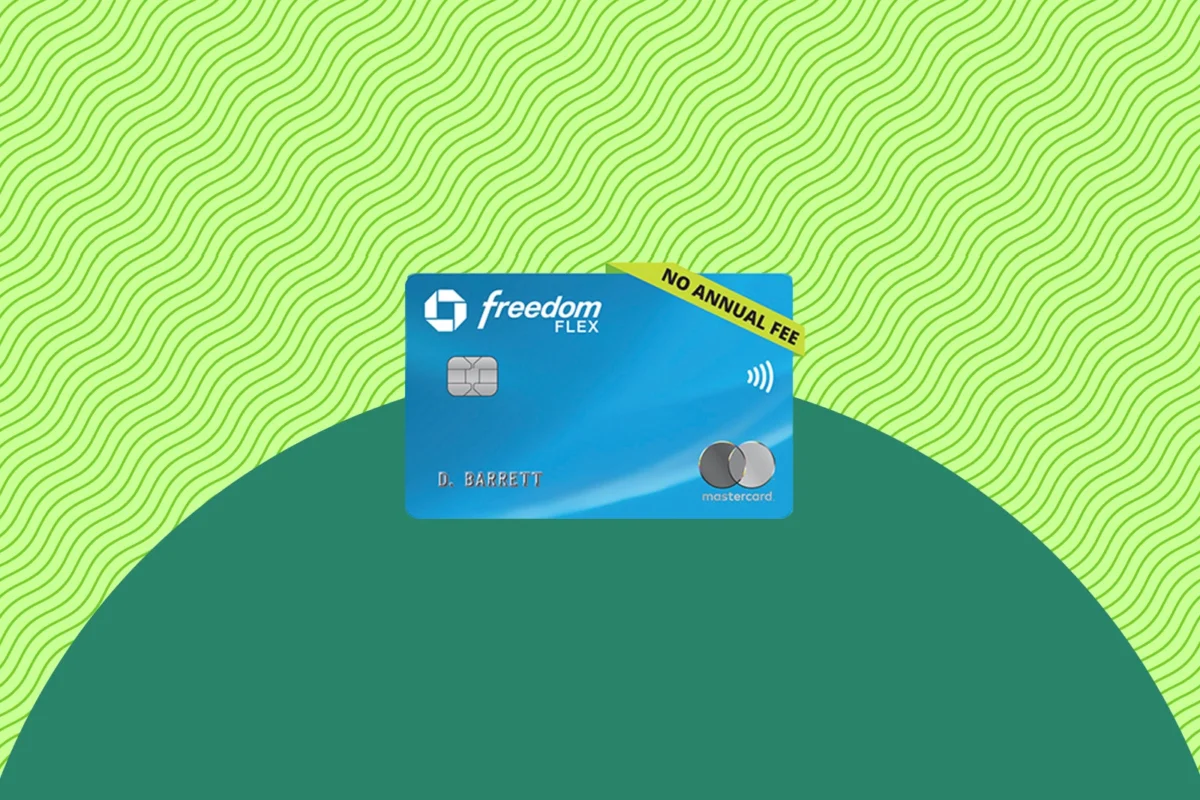
The automotive landscape is undergoing a seismic shift as internal combustion engines gradually give way to electric motors. With major manufacturers like Ford, General Motors, and Volkswagen committing billions to electrification, and Tesla maintaining its stronghold on the market, the sight of an electric vehicle (EV) is no longer a rarity but a daily occurrence on American roads. According to data from Kelley Blue Book, a record 1.2 million U.S. vehicle buyers chose to go electric in 2023, representing roughly 7.6% of the total market—a significant jump from previous years. However, this transition brings a fundamental change in how drivers "refuel." Gone are the days of routine stops at the local gas station; instead, EV owners must navigate a new ecosystem of home charging stations and public infrastructure. While the cost of electricity is generally lower than gasoline, the recurring expense of public charging can still impact a monthly budget. For the savvy consumer, this shift presents a unique opportunity to leverage credit card rewards programs to offset costs and earn significant travel or cash-back benefits.
Unlike traditional gas stations, where the Merchant Category Code (MCC) is almost always "Gas," EV charging can be more complex. Depending on the charging network—such as Tesla Superchargers, Electrify America, EVgo, or ChargePoint—the transaction might be coded as "Automated Fuel Dispenser," "Utilities," or even "Parking." This nuance makes choosing the right credit card essential. To maximize your return on every kilowatt-hour (kWh), you need a card that explicitly includes EV charging in its bonus categories. Below is a comprehensive analysis of the premier credit cards currently available for EV owners, enriched with data on how to extract the most value from each.

Bank of America® Customized Cash Rewards credit card
The Bank of America® Customized Cash Rewards credit card is perhaps the most versatile tool for the modern EV owner, particularly during the first year of membership. Currently, the card offers a welcome bonus of $200 in online cash rewards after you spend at least $1,000 on purchases within the first 90 days of account opening. This is a standard but solid entry-level offer for a card with no annual fee.
What sets this card apart is its "choose your own adventure" rewards structure. Cardholders earn 3% cash back in a category of their choice, and Bank of America has proactively added EV charging stations to its "Gas" category. During the first year, this card often features an introductory offer that doubles the rewards in the selected category, potentially yielding a staggering 6% cash back on EV charging for the first 12 months. This is capped at the first $2,500 in combined choice category/grocery store/wholesale club purchases each quarter.
For those deep into the Bank of America ecosystem, the value proposition increases significantly through the Preferred Rewards® program. If you have substantial deposits in Bank of America or Merrill investment accounts, you can earn a 25% to 75% rewards bonus. At the highest "Platinum Honors" tier, that 3% base rate for EV charging transforms into a 5.25% return (or a massive 10.5% during an introductory doubling period). This makes it arguably the highest-earning card for EV charging on the market for high-net-worth individuals.

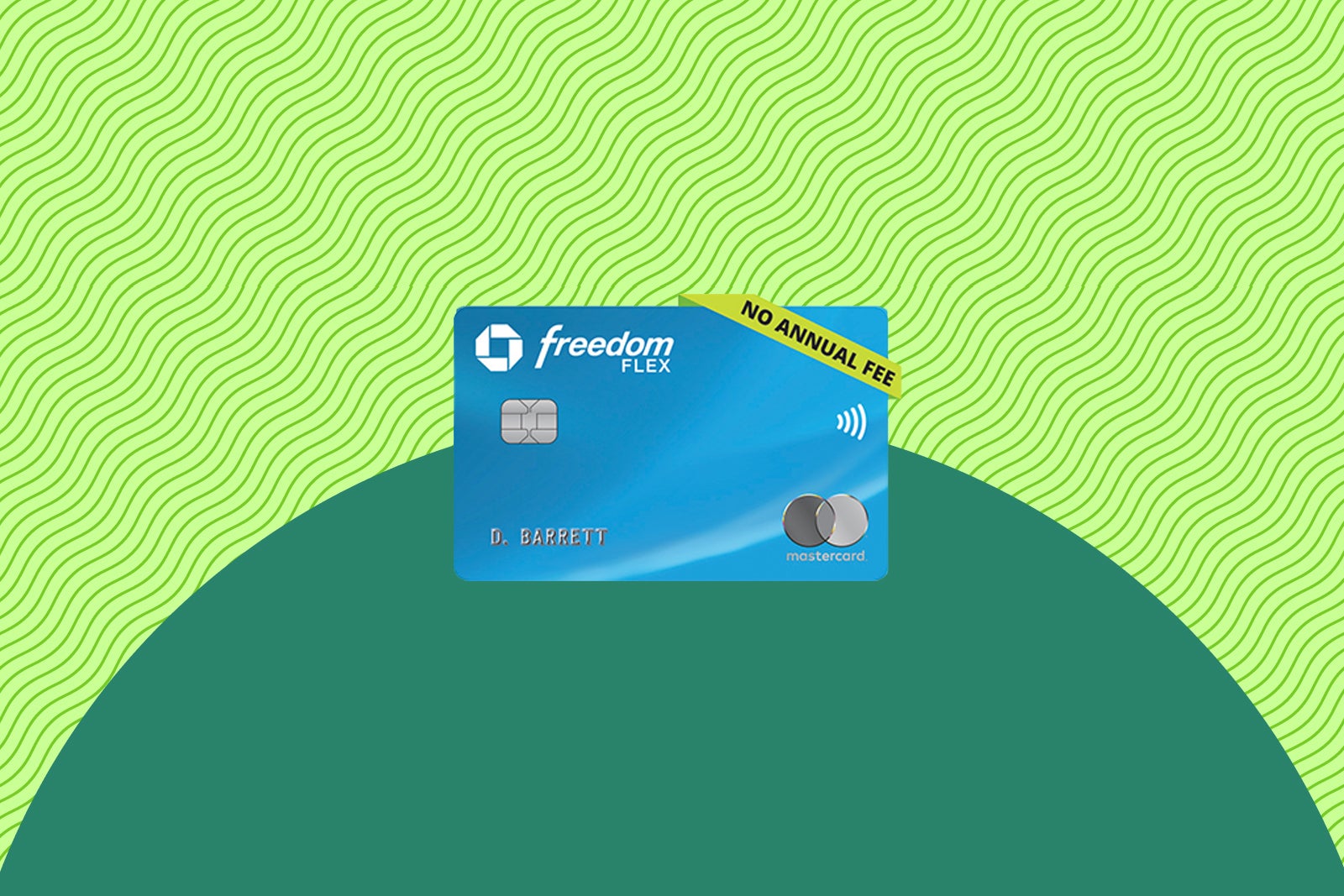
Chase Freedom Flex®
The Chase Freedom Flex® is a staple in the "Chase Trifecta" strategy, and it has become increasingly relevant for EV drivers. This card carries no annual fee and offers a $200 cash-back bonus after spending $500 in the first three months. The card’s primary draw is its rotating 5% bonus categories, which require quarterly activation.
Since 2023, Chase has consistently included EV charging as part of its third-quarter (July–September) bonus categories, often pairing it with gas stations or summer travel. During these months, cardholders earn 5% back on up to $1,500 in combined purchases. While the 5% rate is not year-round—reverting to 1% outside of the bonus window—the "cash back" is actually earned in the form of Chase Ultimate Rewards points. When paired with a premium card like the Chase Sapphire Preferred, these points can be transferred to airline and hotel partners, where they are often valued at 2 cents or more per point, effectively giving you a 10% return on summer road trip charging.
Chase Sapphire Preferred® Card
For those who want a consistent, year-round earner without the hassle of activating quarterly categories, the Chase Sapphire Preferred® Card is a top-tier contender. It currently features a robust welcome offer of 75,000 bonus points after spending $5,000 on purchases within the first three months. While the card carries a $95 annual fee, the benefits far outweigh the cost for most travelers.
The Sapphire Preferred earns an unlimited 3 points per dollar spent on EV charging. Unlike the Freedom Flex, this is a permanent category. Because these are Ultimate Rewards points, they hold immense flexibility. You can redeem them through the Chase Travel portal for 1.25 cents each, or transfer them to partners like United Airlines, Hyatt, or British Airways. If you spend $100 a month on public charging, you would earn 3,600 points annually. At a conservative valuation of 2 cents per point, that is $72 in value just from charging your car—nearly covering the annual fee on its own before considering the card’s other 3x categories like dining, streaming services, and online groceries.
Citi Strata Premier℠ Card
The Citi Strata Premier℠ Card (formerly the Citi Premier) is a powerhouse for "everyday" spending. For a $95 annual fee, it offers 60,000 bonus points after a $4,000 spend in the first three months. The card is unique because it offers an unlimited 3 points per dollar in a wide array of categories: EV charging, gas stations, supermarkets, restaurants, and air travel/hotels.
The inclusion of both gas and EV charging makes it a "future-proof" card for households that might have one electric car and one hybrid or traditional gas vehicle. Citi ThankYou points are transferable to a variety of international airline partners, such as Avianca LifeMiles and Turkish Airlines Miles&Smiles, which can be used to book high-value domestic flights on United or international business class seats. For the EV owner who also spends heavily on groceries and dining, the Strata Premier serves as an excellent "one-card" solution to accumulate points rapidly.

Wells Fargo Autograph℠ Card
If you are looking for a high-earning, no-annual-fee card that doesn’t require complex point transfers to be valuable, the Wells Fargo Autograph℠ Card is a standout choice. It offers 20,000 bonus points after a $1,000 spend in the first three months.
The card earns an unlimited 3 points per dollar on EV charging and gas stations, as well as on dining, travel, transit, and popular streaming services. Wells Fargo recently enhanced the value of these points by introducing transfer partners, allowing cardholders to move points to programs like Choice Privileges, Air France-KLM Flying Blue, and British Airways Executive Club. This move has elevated the Autograph card from a simple cash-back tool to a legitimate travel rewards competitor, providing 3% back as a baseline and the potential for much higher value through strategic redemptions.
The Home Charging Strategy: Utilities and Flat-Rate Cards
While public charging gets most of the attention, the Department of Energy notes that roughly 80% of EV charging happens at home. When you plug your car into a Level 1 or Level 2 home charger, the cost is simply added to your residential electric bill. In this scenario, most "travel" or "gas" credit cards will only earn 1% back because the transaction is coded as a utility payment.

To maximize home charging, you need a card that rewards utility spending. The Venmo Credit Card is a clever solution here. It offers 3% cash back on your top spend category each month, and "Utilities" is one of the eligible categories. If your electric bill is your highest expense on that card—which is likely if you are charging a long-range EV daily—you effectively get a 3% discount on your "fuel." Another excellent option not mentioned in the original data is the U.S. Bank Cash+® Visa Signature® Card, which allows you to choose "Home Utilities" as a 5% cash-back category on up to $2,000 in combined eligible purchases each quarter.
For those who find category tracking too cumbersome, a flat-rate "catch-all" card is the best alternative. Cards like the Wells Fargo Active Cash® Card or the Citi Double Cash® Card offer a straightforward 2% cash back on every purchase, including EV charging at home or in public. This ensures you never earn less than 2% regardless of how the charging station’s merchant code is configured.
Expert Perspectives and Future Outlook
Financial analysts suggest that as EV infrastructure expands, we will see even more specialized financial products. We are already seeing the emergence of co-branded cards, such as the Tesla primary payment methods or charging network-specific rewards. However, general-purpose travel and cash-back cards currently offer the best "bang for your buck" because they allow you to aggregate rewards across all your spending habits.

The integration of EV charging into "Gas" categories is a significant win for consumers, as it acknowledges the changing reality of transportation without forcing users to open new, niche accounts. When selecting a card, EV owners should consider their primary charging location. If you rely on the Tesla Supercharger network or Electrify America for 100% of your power, a card like the Chase Sapphire Preferred or Citi Strata Premier is ideal. If you charge almost exclusively at home, focusing on a utility-friendly card or a 2% flat-rate card will yield better long-term results.
Ultimately, the transition to electric mobility is not just an environmental or technological choice, but a financial one. By aligning your wallet with your vehicle’s power needs, you can turn an unavoidable utility expense into a subsidized vacation or a meaningful cash-back stream. As the network of over 160,000 public charging ports in the U.S. continues to grow, the opportunity to earn these rewards will only become more prevalent. Ownership of an EV already offers savings on maintenance and fuel; adding the right rewards card is simply the final step in optimizing the total cost of ownership.
