
 By Lina Irawan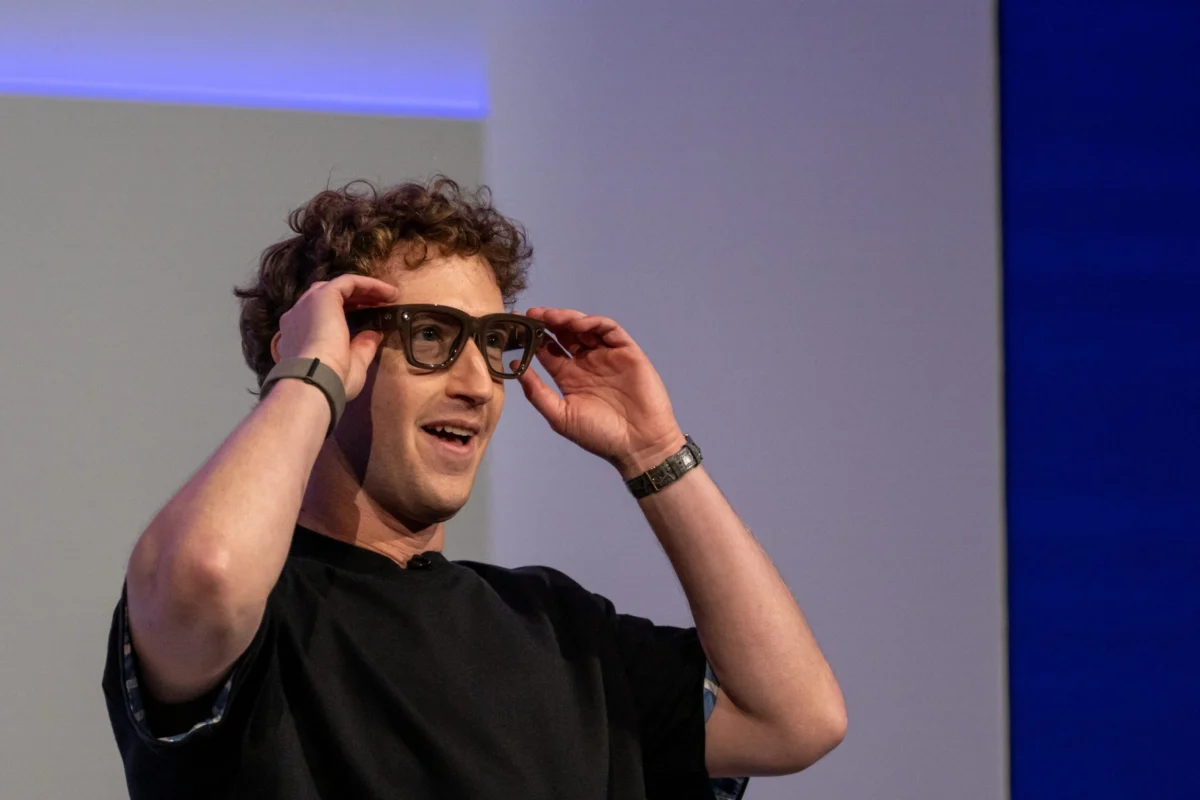
The growing apprehension surrounding smart glasses is not without substantial justification. Meta’s Ray-Ban Meta Glasses, for instance, have garnered a controversial reputation, with incidents leading to them being colloquially dubbed “pervert glasses” after reports surfaced of individuals being recorded in sensitive situations, including undressing. The severity of these privacy breaches has even led to legal action, with Meta currently facing a lawsuit alleging that its subcontractors accessed and viewed intimate moments captured by these very devices. This confluence of discreet recording capabilities, potential misuse, and the storage of sensitive personal data on corporate servers is precipitating a profound crisis regarding the expectation of privacy in public and the fundamental right to control one’s own image and experiences.
“We are living in weird times,” Jim Waldo, a distinguished professor of computer science at Harvard who specializes in technological privacy, observed to Fortune. He highlighted the unprecedented convergence of advanced technologies. “It’s the combination of the Meta Glasses with facial recognition, AI, and a number of other sorts of technologies that are all coming together and putting us in an environment that we just aren’t prepared to deal with yet.” This sentiment underscores a critical societal unpreparedness for a future where personal moments can be instantly captured, analyzed by AI, and potentially stored indefinitely without explicit consent. The rapid evolution of these integrated technologies outpaces current legal frameworks, ethical guidelines, and public understanding, leaving a significant vacuum in how society can effectively govern and adapt to pervasive, passive surveillance.
The privacy concerns surrounding these devices are multifaceted and deeply rooted. Beyond the sensational headlines, there are ongoing lawsuits questioning the legality of pervasive recording, investigations by state attorneys general into data collection practices, and a burgeoning body of social media content that paints Meta Glasses as a tool for surveillance. The sheer volume and nature of content created with this technology have compelled Meta’s own platforms, like Instagram, to intervene. The platform reportedly disabled several accounts that had amassed millions of followers by livestreaming feeds directly from Meta Glasses, citing violations of content usage policies related to harassment and privacy. “We don’t want harassing content on our platforms and take it down when we find it,” an Instagram spokesperson affirmed to Fortune, indicating a recognition of the problematic content emerging from these devices.
A New Era of Wearable Technology: Beyond Fitness Trackers
The landscape of wearable technology has evolved dramatically from its early iterations. The days when wearables were synonymous solely with fitness trackers monitoring steps or sleep cycles are rapidly receding. Today, a new generation of devices integrates sophisticated cameras and AI capabilities directly into everyday objects, fundamentally transforming their utility and raising significant privacy implications. At the forefront of this shift are Meta’s Ray-Ban Meta Glasses. These devices ingeniously embed high-definition cameras within their frames, empowering users to capture photos and videos seamlessly without the overt action of pulling out a smartphone. Complementing this visual capture are integrated microphones designed to record audio, further enhancing their data collection capabilities. A significant feature that amplifies privacy concerns is the ability for users to livestream directly from their glasses to platforms like Facebook and Instagram, instantly broadcasting their surroundings and interactions to a potentially global audience.
Meta has incorporated a visual indicator to address some privacy concerns: a small, white capture LED positioned on the front of the frames. This LED is designed to blink whenever content is being recorded, ostensibly notifying those in the vicinity that they are being filmed. Meta explicitly states that this LED cannot be deactivated and that the camera functionality is automatically disabled if the LED is obstructed or covered. “We will keep strengthening our protections as our glasses become even more capable,” Meta spokesperson Dina El-Kassaby told Fortune, attempting to reassure users and the public about the company’s commitment to privacy.
However, experts remain deeply skeptical about the efficacy of such measures. As Professor Waldo critically noted, “They’re making it safe for the consumer. They’re not making it safe for the people around the consumer.” This distinction highlights a fundamental tension: while Meta aims to provide a seamless recording experience for the wearer, the individuals being recorded often have little to no agency or effective means of protecting their privacy. The small, often overlooked blinking light is frequently deemed insufficient to constitute informed consent, particularly in dynamic public environments.
The legal ramifications of using these smart glasses in public spaces are equally complex and largely uncharted. Gene Kang, a partner at the law firm Rivkin Radler LLP, articulated to Fortune that the technology itself is not inherently problematic, but rather the lack of public awareness regarding potential filming. “If you’re holding up your phone to somebody’s face, they’re going to know,” Kang explained. In such conventional scenarios, a case for implied consent might be argued if the recorded individual is aware and offers no objection. However, the inconspicuous nature of smart glasses fundamentally alters this dynamic. The subtle design of these wearables makes it incredibly difficult, if not impossible, for individuals to discern when they are being recorded. This stealth factor complicates, and often negates, any assumption of implied consent, thereby opening the door to potential privacy and consent-based legal claims. “If they’re not aware that they’re being recorded, then I think that presents a different issue,” Kang added, suggesting that individuals unknowingly filmed could indeed have a legitimate legal claim.
Discreet Recordings, “Pick-up Artistry,” and the Sensitivity of Data
The advent of discreet recording technology, particularly smart glasses, has inadvertently fueled problematic social trends, most notably in the realm of “pick-up artistry” content. A compelling study conducted by University of Sydney researchers revealed a significant surge in such content in recent years. This genre, predominantly propagated by individuals within the “pick-up artist” community, involves creating point-of-view reels documenting unsolicited approaches to women in public, often without their explicit knowledge or consent.
The study, which meticulously analyzed over 350 videos, uncovered disturbing findings: a staggering 60% of these videos featured behavior that could be classified as potentially harassing. Furthermore, 43% of the analyzed content included derogatory commentary directed at the women being filmed, and in many instances, subjects were explicitly identified or even "doxxed," exposing their personal information to a wide audience. The researchers termed this phenomenon “ambient capture”—the act of recording individuals in their everyday surroundings without their awareness that a camera is pointed at them. The study established a direct correlation between the apparent covertness of the recording devices and the severity of the harassment depicted. “We should all be very concerned,” Dr. Milica Stilinovic, one of the study’s authors, emphatically stated to Fortune, underscoring the profound societal implications of such discreet surveillance.
Beyond the immediate ethical concerns, the aggregation and retention of this data by technology companies present a critical vulnerability. Every photo, video, and audio clip captured by smart glasses, especially when livestreamed, is stored on company servers. This data, often rich in biometric information (faces, voices, movements) and contextual details (locations, social interactions), represents an invaluable asset for AI training and targeted advertising. However, it also creates a massive honeypot for potential data breaches, unauthorized access by employees or subcontractors (as highlighted by the Meta lawsuit), and misuse. The sheer volume of sensitive, unconsented data raises profound questions about data governance, security protocols, and the ethical responsibilities of tech giants in safeguarding user and non-user information. The investigation launched by Texas Attorney General Ken Paxton into Meta’s glasses to protect Texans’ privacy further illustrates the serious legal and regulatory challenges emerging from this new frontier of data collection.
Fighting Back: The Evolving Arsenal of Countermeasures
The alarming trend of pervasive, discreet recording has spurred a creative and determined response from consumers seeking to reclaim their privacy. Individuals are exploring a range of methods, from the technologically sophisticated to the deceptively simple, to protect themselves from unwanted surveillance.
One emerging tactic involves the use of specific facial markings or patterns designed to confuse facial recognition systems embedded within smart glasses and AI analysis tools. These anti-surveillance makeup techniques or patterned accessories aim to disrupt the algorithms that identify and track faces, rendering individuals less discernible to automated systems. The theory is that by altering key facial features or creating visual noise, one can effectively "disappear" from algorithmic detection, at least partially.
On the software front, Professor Dr. Yves Jeanrenaud has made a significant contribution with his open-source, free application, Nearby Glasses. As its name suggests, the app is designed to notify users when Meta Glasses are in their vicinity. Jeanrenaud’s motivation for developing this tool, as articulated in its open-source repository, stems from a strong conviction against what he describes as "an intolerable intrusion, consent neglecting, horrible piece of tech that is already used for making various and tons of equally truly disgusting ‘content’." The app reportedly achieves its detection by scanning for specific Bluetooth signals or other unique identifiers emitted by Meta Glasses, offering a proactive layer of defense. Its popularity underscores the public’s demand for such tools, having amassed over 100,000 downloads on the Google Play Store to date.
Despite its utility, Professor Jeanrenaud included a crucial disclaimer regarding the app’s limitations. “It’s still an imperfect approach and probably always will be,” he wrote. “It’s not all good only because this app exists now. We need better solutions to curb surveillance tech and privacy intrusion.” This candid admission highlights the inherent challenges in a reactive defense against rapidly evolving surveillance technologies, emphasizing that software solutions, while helpful, are merely a stopgap in a larger, systemic problem.
Another, more whimsical, social media theory has circulated, suggesting that singing copyrighted songs—particularly those from Disney’s notoriously litigious catalog—could protect individuals from being filmed. The underlying premise is that the stringent copyright enforcement by entities like Disney would compel social media platforms to take down any unsolicited videos containing their music, thereby offering a form of retroactive protection. However, legal experts like Gene Kang caution against relying on this method. “If you’re the person being recorded, you don’t own any copyright to the composition,” Kang explained. He clarified that while the platform might remove a video due to copyright infringement, this action does not address the initial privacy violation or prevent the recording from being made in the first place. The recorded individual has no standing to claim copyright on the song being sung. Kang stressed that individuals seeking protection should instead focus on privacy claims, which are far more applicable and legally sound. “It’s really a privacy issue,” he concluded, “Which still could be applicable here.”
The ongoing "arms race" for privacy in the era of smart glasses necessitates a multi-pronged approach. This includes not only individual countermeasures but also stronger industry accountability and robust regulatory frameworks. Tech companies must prioritize privacy-by-design principles, implementing clearer, harder-to-disable indicators of recording, and developing more stringent content moderation protocols. Legislators, meanwhile, face the urgent task of updating privacy laws to specifically address ambient recording in public spaces, clarifying consent requirements, and establishing clear penalties for misuse. Without a concerted effort from all stakeholders, the promise of a connected future risks eroding the fundamental right to privacy in an increasingly transparent world.
