
 By admin
Chase Bank stands as a titan in the financial services industry, particularly for its robust suite of business credit cards that cater to a wide spectrum of professionals, from the weekend freelancer to the established small-business owner. These cards are frequently cited by financial experts as some of the most lucrative tools available for earning high-value travel rewards and managing company expenses. However, the path to approval is paved with specific institutional rules and intricate application requirements that require careful navigation. Understanding the nuances of Chase’s internal policies, particularly the "5/24 rule," and the specific data points required during the application process is essential for any entrepreneur looking to leverage these financial products to grow their business and maximize their travel potential.

The primary hurdle for any Chase applicant is the legendary and often misunderstood 5/24 rule. This internal, unofficial policy dictates that Chase will generally not approve an applicant for a new credit card if they have opened five or more personal credit card accounts with any issuer—not just Chase—within the previous 24 months. This rule is designed to deter "churning," the practice of opening accounts solely for the sign-up bonuses. For the savvy business owner, there is a significant silver lining: while you must be under the 5/24 limit to be approved for most Chase business cards, the business cards themselves usually do not appear on your personal credit report. Consequently, opening a Chase Ink Business card will not add to your 5/24 count, allowing you to preserve your "slots" for future personal card applications. This makes Chase business cards a strategic "stealth" move in the world of points and miles.
Before diving into the application, it is important to survey the landscape of Chase’s business offerings. The "Ink" family of cards forms the core of their non-cobranded lineup. The Ink Business Preferred Credit Card is often the flagship choice, offering 3 points per dollar on the first $150,000 spent annually in categories like travel, shipping, internet, cable, phone services, and advertising on social media and search engines. For those who prefer a simpler structure, the Ink Business Unlimited Credit Card offers a flat 1.5% cash back on all purchases, while the Ink Business Cash Credit Card provides a massive 5% back on office supply stores and telecommunications (up to $25,000 in combined purchases each account anniversary year). For high-revenue businesses, the Ink Business Premier Credit Card offers even higher rewards on large purchases, though it functions differently as a "Pay in Full" card. Beyond these, Chase partners with major travel brands to offer cobranded business cards, including the United Business Card, the Southwest Rapid Rewards Performance Business Credit Card, and the IHG One Rewards Premier Business Credit Card, each providing tailored perks for brand-loyal travelers.

A common misconception among freelancers and gig workers is that they do not "qualify" for a business credit card because they lack a brick-and-mortar office or a massive payroll. In reality, the definition of a business for credit card purposes is quite broad. A sole proprietorship—the simplest form of business—is often all that is required. If you sell items on eBay or Etsy, drive for a ride-sharing service, tutor students, or provide consulting services on the side, you have a business. You do not need to be a full-time entrepreneur or have six-figure revenues to qualify; even a burgeoning side hustle with modest earnings can be sufficient for approval, provided your personal credit history is strong.
The benefits of securing a business card extend far beyond the sign-up bonus. One of the most critical advantages is the clean separation of personal and business finances. Mixing these expenses can create a logistical nightmare during tax season and may even jeopardize the "corporate veil" for those with LLCs or corporations. Furthermore, business cards often come with higher credit limits than personal cards, which can be vital for managing cash flow during lean months or when scaling operations. Chase’s business cards also provide primary rental car insurance for business purposes, purchase protection, and extended warranty coverage, adding a layer of security to company investments.
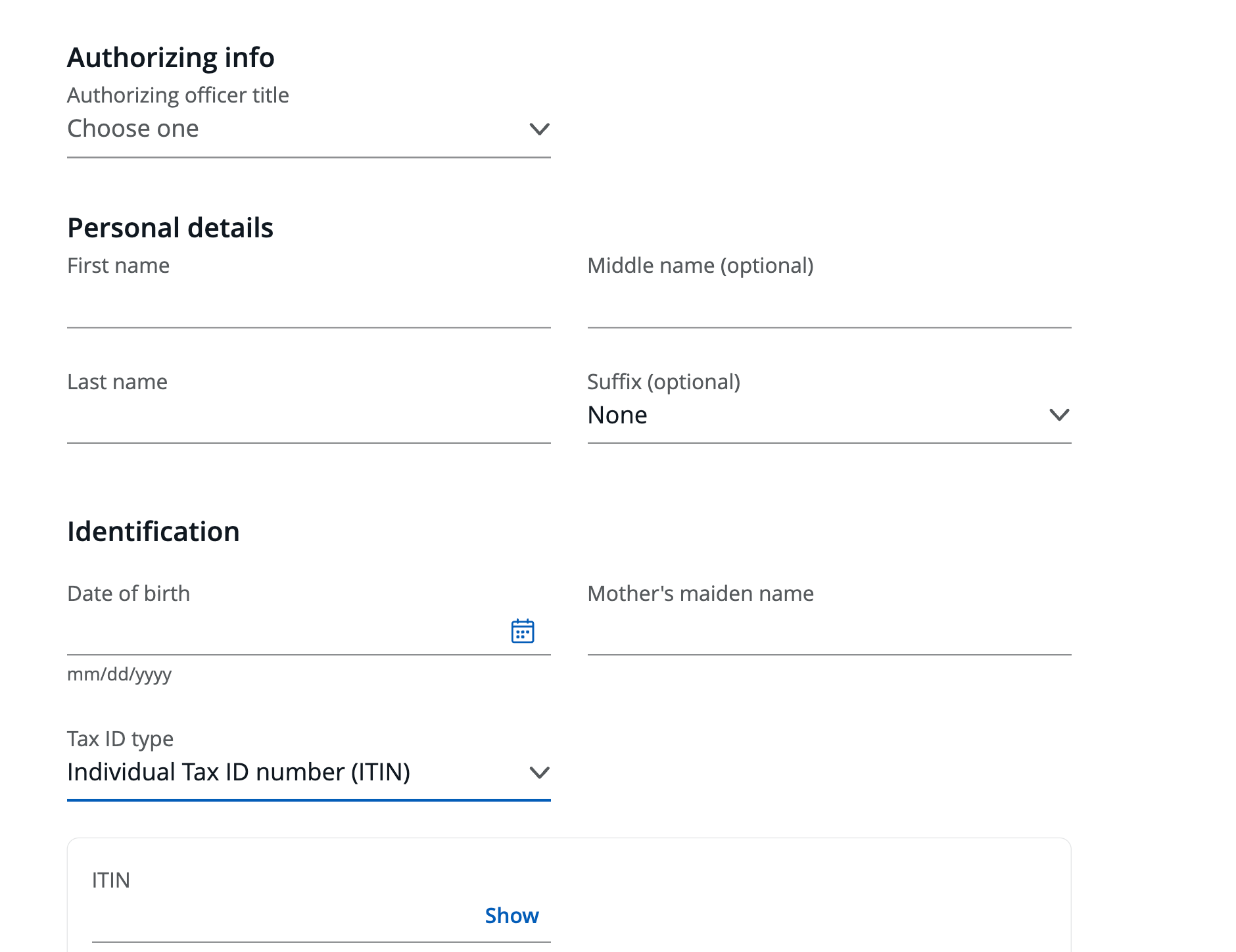
When you are ready to begin the application, the process is structured into several distinct sections. If you are an existing Chase customer, the bank recommends logging into your account first. This allows the system to pre-fill many personal data fields, reducing the risk of errors and speeding up the internal verification process. The application begins with "Authorizing Information," where you must define your role within the company. For freelancers and solo entrepreneurs, the correct selection is typically "Owner." In this section, you will also provide your Social Security Number (SSN). While you are applying for a business card, Chase will use your personal credit score as a primary factor in the decision-making process, and as the owner, you are typically providing a personal guarantee for the debt.
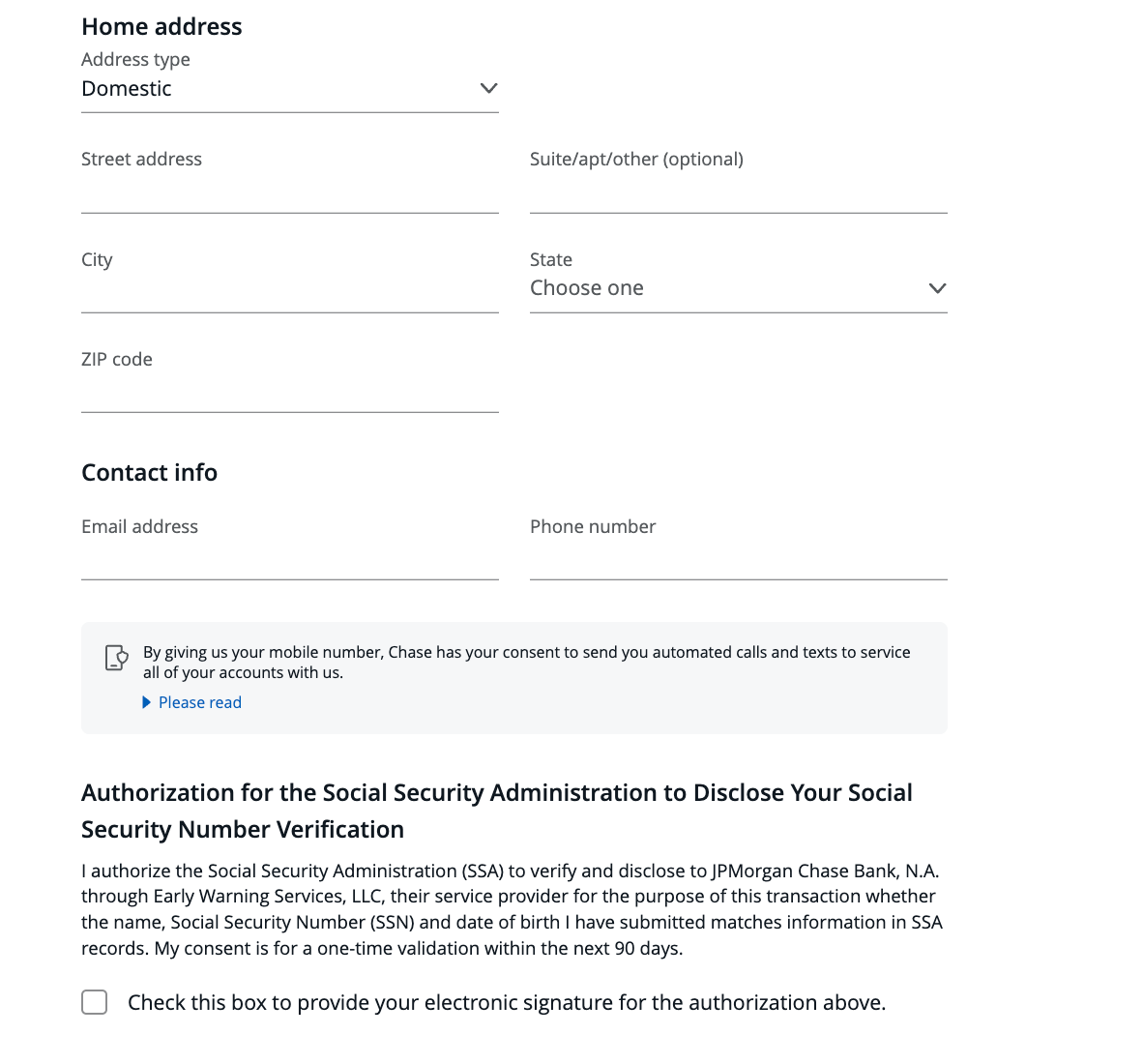
The next phase involves providing your personal contact information, including your home address and phone number. This is followed by a crucial section on financial information. Here, you must report your "Total Gross Annual Income." This figure is not limited to your business earnings; it includes all income you have a reasonable expectation of access to. This can include your salary from a full-time job, investment income, and even your spouse’s income if you are over 21 and use that income to pay your bills. A higher total income can lead to a higher credit limit and a greater likelihood of approval, as it demonstrates your overall ability to repay the debt.
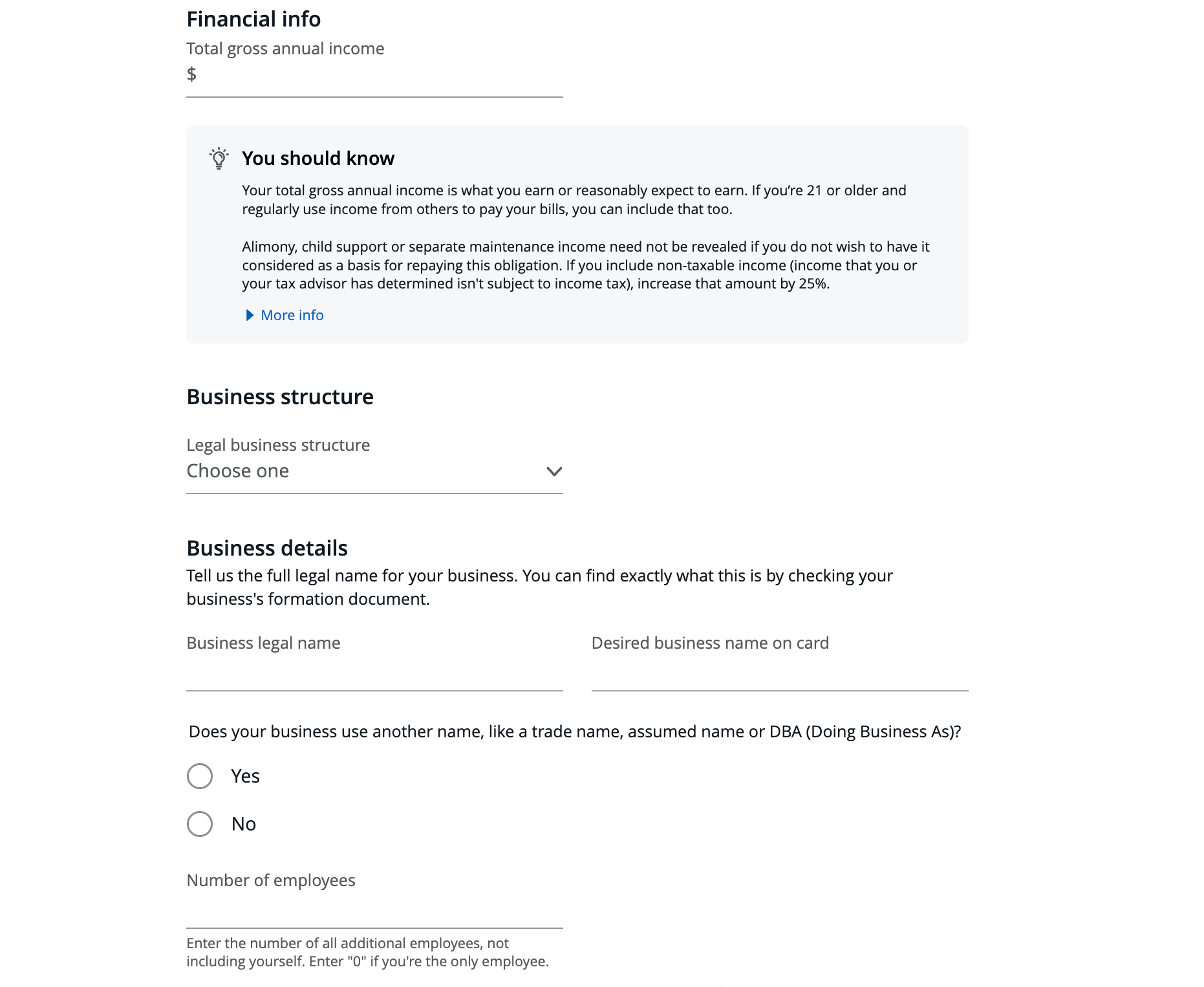
The "Business Details" section is where many applicants feel the most pressure, but it is straightforward if approached honestly. If you have not registered a formal business name with the state (known as a "Doing Business As" or DBA), you should use your own legal name as the business name. For the "Business Tax ID," sole proprietors can simply use their SSN again, while LLCs or corporations should use their Employer Identification Number (EIN). Chase is known to be meticulous; making up a business name without the proper legal documentation is a quick way to receive a denial. If the bank asks for verification later and your documentation doesn’t match your application, your chances of approval vanish.
Further into the application, you will be asked for business financials, including the date the business was formed and its annual revenue. For a new side hustle, it is perfectly acceptable to put "0" for years in business and a modest estimate for annual revenue based on your current trajectory. You will also need to estimate your monthly spend on the card. This number should be a realistic reflection of your anticipated business expenses. Finally, you will select a "Business Classification" from a drop-down menu that best describes your industry. This helps Chase understand the nature of your risk profile and spending patterns.
Strategic applicants should also consider the timing of their applications. Beyond the 5/24 rule, Chase generally limits users to one or two new cards every 90 days to avoid appearing credit-hungry. Furthermore, if you are not instantly approved—which is common with business applications—you should not panic. Often, the application is sent to a "pending" status for manual review. In such cases, you can wait for a letter in the mail, or you can proactively call the Chase Business Reconsideration Line. Speaking with a representative allows you to clarify the nature of your business, explain your income, and potentially move the application toward approval by providing more context than a computer algorithm can capture.
In conclusion, a Chase business credit card is a cornerstone of a sophisticated financial strategy for any modern professional. By understanding the 5/24 rule, accurately reporting business and personal data, and maintaining a clear distinction between various types of income, applicants can unlock a world of Ultimate Rewards points. These points can be transferred to high-value partners like Hyatt, United, and British Airways, or used at a fixed value through the Chase Travel portal. Whether you are looking to fund your next business trip with points or simply want a better way to track your freelance expenses, mastering the Chase application process is a vital skill for the entrepreneurial journey. The effort spent in the application phase pays dividends in the form of travel flexibility, financial organization, and long-term credit health.
