
 By Lina Irawan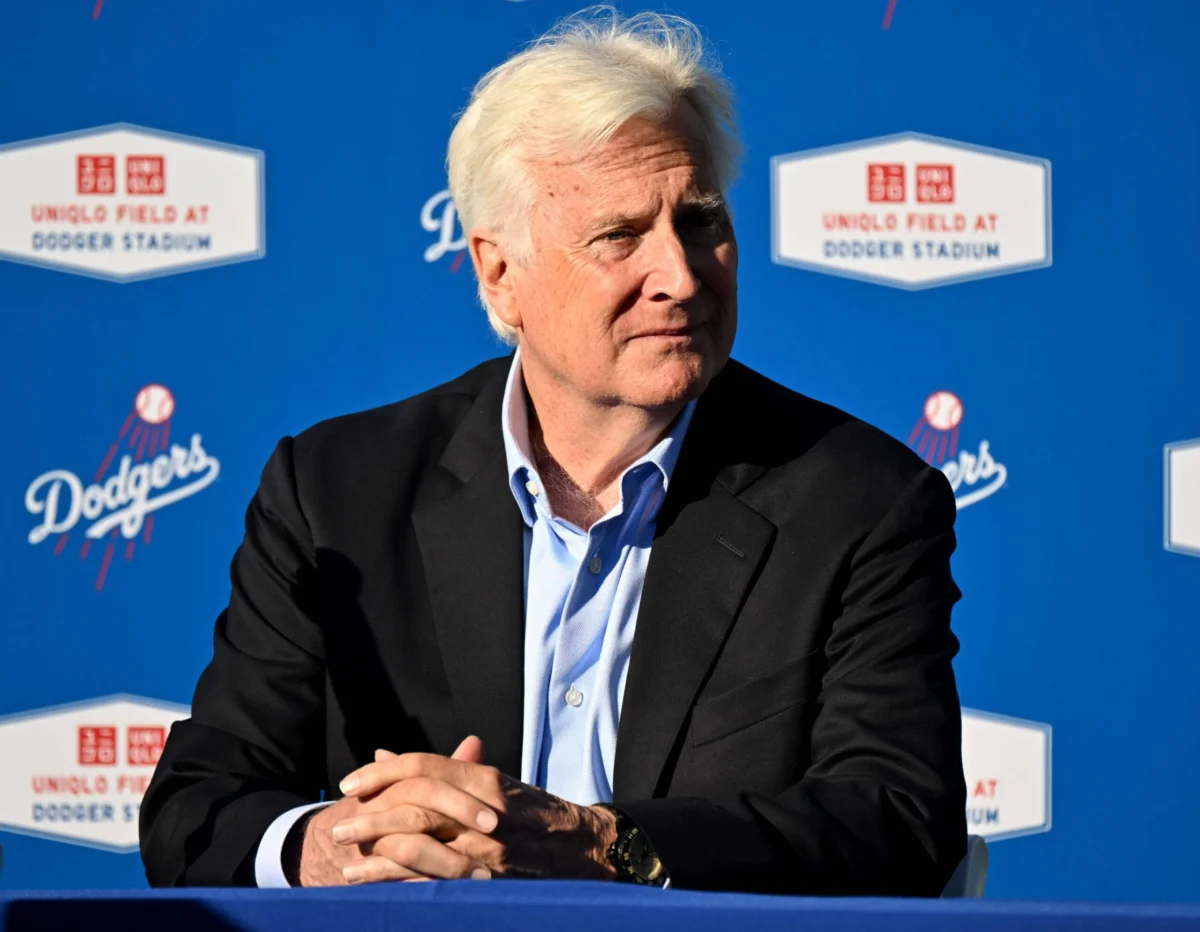
Federal prosecutors and the Securities and Exchange Commission (SEC) have been examining whether Walter or the businesses he controls engaged in fraudulent activities by allegedly concealing intricate financial connections while facilitating the borrowing of billions of dollars from insurance entities under his purview. Bloomberg News had previously brought to light the existence of this wide-ranging investigation, underscoring the serious nature of the allegations which could carry both criminal and civil penalties. The current report from the Wall Street Journal indicates a narrowing of the investigative focus, pinpointing specific conduits through which these controversial loans are believed to have flowed.
The four entities now central to the investigation are identified as Miami-based ABS Capital, investment firm Amistad Financial, commercial real estate broker Bradford Allen, and Hudson Trading. These firms are suspected of serving as crucial links in a chain of transactions, potentially obscuring the ultimate beneficiaries and the direct relationships between the lending insurance companies and the borrowing businesses, all reportedly within Walter’s broader financial ecosystem. The specific role each firm played in these alleged schemes remains a key area of focus for investigators, aiming to unravel the precise mechanisms of the transactions and determine if regulatory disclosures were adequately met or deliberately circumvented. Bloomberg News had previously reported on federal prosecutors’ inquiries specifically concerning Hudson Trading, suggesting that this particular entity has been under scrutiny for some time.
Mark Walter stands as a towering figure in American finance, known for co-founding Guggenheim Partners, a global financial services firm with vast assets under management spanning investment banking, asset management, and insurance. Beyond his financial empire, Walter commands significant public recognition as the controlling owner of Major League Baseball’s Los Angeles Dodgers, a high-profile sports franchise. This dual identity places him under an even brighter spotlight, with the ongoing investigation threatening to cast a shadow over both his professional reputation and his public image. The image of Walter at a press conference announcing a partnership between the Dodgers and UNIQLO in March 2026, just months before these renewed reports, illustrates the dichotomy of his public-facing business ventures contrasting with the private complexities of the financial probe.
The core of the investigation revolves around the proper governance and transparency of related-party transactions, particularly when insurance company assets are involved. Insurance companies operate under stringent regulatory frameworks designed to protect policyholders. Regulators, primarily at the state level but also federal agencies like the SEC, impose strict rules on how insurers invest their reserves. These rules are in place to ensure that investments are sound, diversified, and not subject to undue risk or conflicts of interest that could jeopardize an insurer’s ability to pay claims. When an executive or controlling shareholder uses an insurer’s capital to lend to other companies they own, even if indirectly, it raises significant red flags. Such transactions must be conducted at "arm’s length," meaning on terms equivalent to those that would be negotiated between independent parties, and crucially, they must be fully disclosed to regulators and, where applicable, to shareholders.
The allegation that Walter or his businesses may have "concealed financial connections" suggests that these transactions might not have been transparently reported or structured in a way that deliberately obscured the ultimate nature of the lending and borrowing relationship. Such concealment could constitute fraud, as it deprives regulators and investors of critical information needed to assess the financial health and operational integrity of the involved entities. The use of intermediaries like ABS Capital, Amistad Financial, Bradford Allen, and Hudson Trading could be a tactic to create layers of separation, making it more challenging to trace the flow of funds and identify the ultimate parties to the transactions.
For instance, a commercial real estate broker like Bradford Allen might typically facilitate property transactions. If loans were funneled through such a firm, it could suggest real estate assets were involved as collateral or investment vehicles, further complicating the financial trail. Similarly, investment firms and trading houses can be used for complex structured finance deals that, while legitimate in many contexts, can also be employed to obscure beneficial ownership or transaction details if not properly disclosed. Investigators will likely be scrutinizing the terms of these loans, the collateral (if any), the interest rates, and the ultimate use of the borrowed funds to determine if they were commercially reasonable and if any disclosures were inadequate or misleading.
Legal experts specializing in financial fraud and corporate governance often highlight the seriousness of allegations involving related-party transactions within regulated industries like insurance. "The fundamental concern with related-party lending, especially when intermediaries are used, is the potential for self-enrichment at the expense of policyholders or other stakeholders," explains a hypothetical financial regulatory attorney. "Insurance companies are custodians of public trust. Any transaction that depletes their capital or exposes them to undisclosed risks, particularly for the benefit of controlling interests, is a grave regulatory and potentially criminal matter." The sheer scale of "billions" of dollars in question elevates the stakes significantly, indicating a systematic pattern of activity rather than isolated incidents.
The involvement of both federal prosecutors and the SEC signifies a two-pronged attack on the alleged wrongdoing. Federal prosecutors would be pursuing potential criminal charges, which could include wire fraud, securities fraud, or conspiracy, carrying penalties such ranging from substantial fines to imprisonment for individuals found guilty. The SEC, on the other hand, typically brings civil enforcement actions, seeking remedies such as disgorgement of ill-gotten gains, civil penalties, and injunctions to prevent future violations. Their focus would be on violations of securities laws, including disclosure requirements and anti-fraud provisions, aimed at protecting investors and maintaining fair and orderly markets.
The investigation is not merely a legal challenge for Mark Walter and Guggenheim Partners; it poses a significant reputational risk. Guggenheim Partners prides itself on its expertise in asset management and sophisticated financial strategies. Allegations of financial impropriety, especially involving concealment and conflicts of interest, can erode client trust, impact asset inflows, and make it more difficult to attract and retain top talent. For the Los Angeles Dodgers, while Walter’s ownership is separate from Guggenheim’s day-to-day operations, his public persona is inextricably linked to the team. Any negative publicity could indirectly affect the brand image, though direct operational impact is less likely.
Historically, the financial industry has seen numerous cases where complex corporate structures and related-party transactions have led to regulatory scrutiny and enforcement actions. Regulators are increasingly sophisticated in their ability to trace funds through multiple layers of entities, often employing forensic accounting techniques to unravel intricate financial webs. The fact that investigators have reportedly "narrowed their focus" to these four specific intermediaries suggests they have likely gathered substantial evidence pointing towards these firms’ involvement in the alleged scheme. This phase of the investigation would typically involve extensive document review, subpoenas for financial records, and potentially interviews with current and former employees of the involved entities.
The path forward for Mark Walter and Guggenheim Partners will likely be fraught with legal battles and intense public scrutiny. Companies and individuals under federal investigation often face a choice: cooperate with authorities in the hope of a more lenient outcome, or vigorously defend against the allegations. The complexity of financial crimes often means investigations can stretch for years, with each new report, like the one from the Wall Street Journal, adding another layer to the unfolding narrative. The ultimate outcome could range from significant penalties and restructuring of financial practices to, in the absence of conclusive evidence of fraud, the eventual closure of the investigation. Regardless of the final determination, the ongoing probe into billions of dollars in loans and the alleged use of intermediaries serves as a stark reminder of the constant vigilance required in financial markets and the high standards of transparency expected from leaders of major financial institutions.
