
 By Rifan Muazin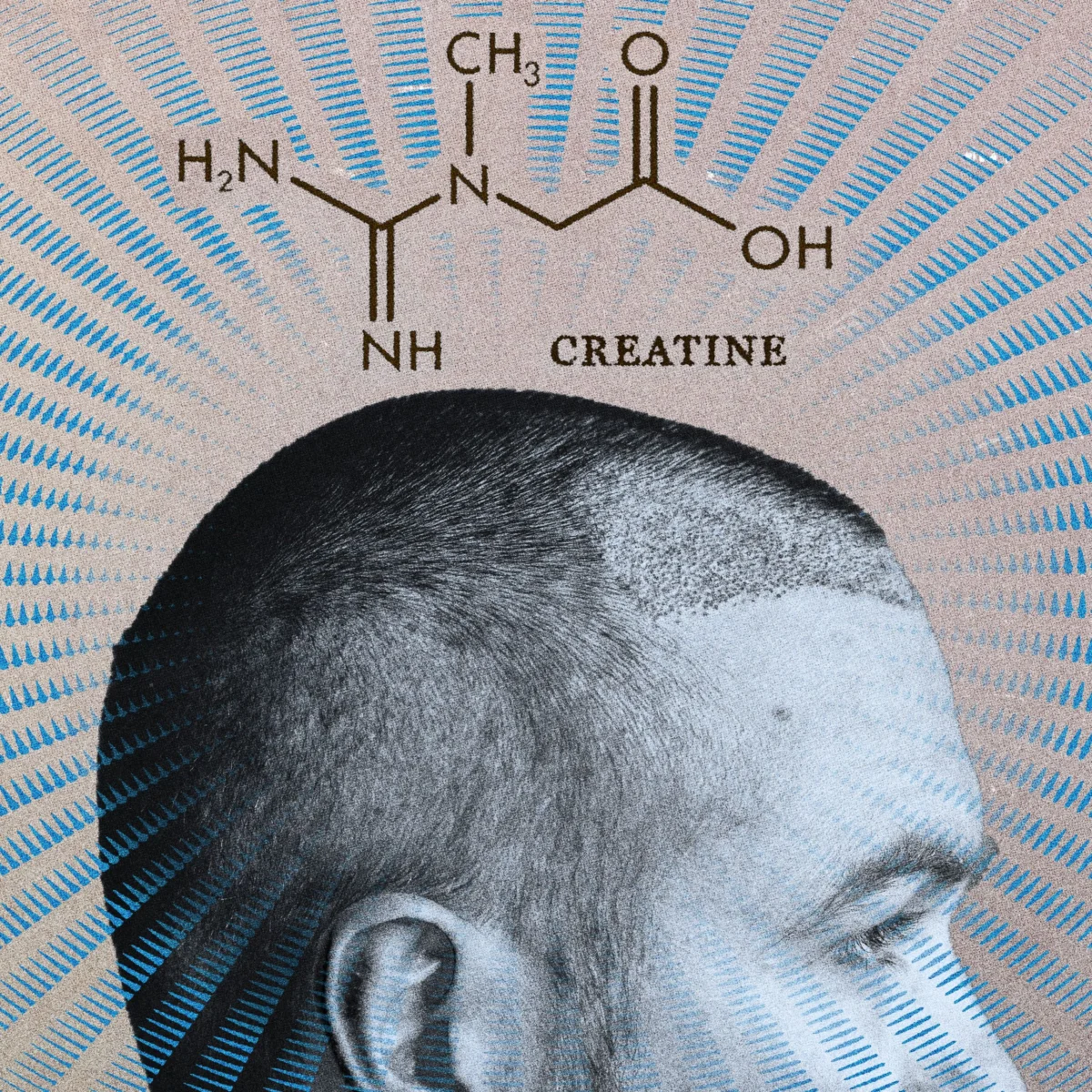
If you have spent any significant amount of time in a weight room, a CrossFit box, or scrolling through fitness social media, you have inevitably encountered the ubiquitous white powder known as creatine. For decades, creatine monohydrate has reigned supreme as the gold standard of sports nutrition, often mentioned in the same breath as whey protein as a foundational pillar of a successful supplement stack. Its reputation is well-earned; with thousands of peer-reviewed studies backing its efficacy, creatine is celebrated for its ability to help athletes build lean muscle mass, enhance explosive power, and accelerate recovery between high-intensity sets. Recent scientific inquiries have even expanded its utility beyond the physical realm, suggesting that creatine may offer neuroprotective benefits, improve cognitive function during periods of sleep deprivation, and help the body manage physiological stress.
In the simplest terms, creatine is a "win" for almost anyone looking to optimize their physical and mental performance. However, for many men—and an increasing number of women—this enthusiasm for "gains" is often tempered by a persistent, nagging fear whispered in locker rooms and shouted in Reddit threads: the rumor that creatine causes hair loss. This specific anxiety has led countless fitness enthusiasts to abandon one of the most effective supplements on the market, fearing that their quest for a better physique will come at the cost of their hairline. To understand whether this fear is rooted in biological reality or is simply a piece of enduring "bro-science," one must look at the history of the rumor, the specific hormones involved, and the most recent clinical data that seeks to settle the debate once and for all.
The genesis of the "creatine causes baldness" myth can be traced back to a single, relatively small study conducted in 2009. Researchers in South Africa recruited 20 college-aged rugby players and put them through a three-week regimen of creatine monohydrate supplementation. The study utilized a "loading phase," a common practice where users take a high dose (in this case, 25 grams per day) for one week to rapidly saturate the muscles, followed by a maintenance phase of five grams per day for the remaining two weeks. At the end of the 21-day period, the researchers found that the players’ levels of dihydrotestosterone (DHT) had increased significantly—rising by 56 percent after the loading phase and remaining 40 percent above the baseline during the maintenance phase.
To the average gym-goer, the mention of DHT is an immediate red flag. Dihydrotestosterone is an androgen—a male sex hormone—derived from testosterone through the action of an enzyme called 5-alpha-reductase. While DHT is essential for the development of male characteristics during puberty, it is also the primary antagonist in androgenetic alopecia, more commonly known as male-pattern baldness. According to James Kilgour, MD, a board-certified dermatologist and the founder of KilgourMD, DHT performs a process known as follicular miniaturization. In individuals who are genetically predisposed to hair loss, DHT binds to receptors in the hair follicles of the scalp, causing them to shrink over time. As the follicle gets smaller, the hair it produces becomes finer, shorter, and lighter, eventually ceasing to grow altogether.
When the results of the 2009 rugby study were published, the fitness community made a swift, albeit logical, leap: if creatine increases DHT, and DHT causes hair loss, then creatine must cause hair loss. However, as Ken Anderson, MD, a triple board-certified hair restoration surgeon and adjunct clinical professor of dermatology at Emory University School of Medicine, points out, this conclusion ignores several critical nuances. First, while the DHT levels in the rugby players did increase, they remained well within the normal clinical range for healthy adult males. Second, and perhaps most importantly, the 2009 study did not measure hair loss at all. The researchers were focused on hormonal fluctuations in athletes, not the density or thickness of their hair. The study provided a potential mechanism for hair loss but offered zero evidence that any actual shedding occurred.
For nearly 15 years, the 2009 study stood as the primary piece of evidence cited by those wary of creatine. It created a scientific vacuum that was filled by anecdotal reports on internet forums, where users would often attribute their thinning hair to their supplement routine without considering other variables. It wasn’t until very recently that researchers decided to address the "hair" part of the equation directly. In a landmark randomized controlled trial published in 2025, a team of scientists sought to replicate the conditions of creatine use while specifically monitoring hair health.
This new study followed 45 resistance-trained men between the ages of 18 and 40 over a 12-week period. The participants were divided into two groups: one receiving five grams of creatine daily and the other receiving a placebo. Unlike the 2009 study, which only looked at blood work, this trial utilized advanced dermatological tools to measure hair density, follicular unit count, and hair shaft thickness. After three months—a sufficient time frame for hormonal changes to manifest in hair growth cycles—the researchers found no significant difference between the creatine group and the placebo group. There was no spike in DHT that exceeded normal limits, and more importantly, there was no measurable change in hair health or thickness.
Dr. Anderson suggests that while this 2025 study is the most direct evidence we have to date, it confirms what many specialists have suspected for years: the link between creatine and baldness is likely a case of "suspicious timing" rather than biological causation. "There is a significant overlap between the demographic that uses creatine and the demographic where male-pattern baldness first becomes apparent," explains Dr. Kilgour. Most men begin a serious fitness and supplementation journey in their late teens, 20s, or 30s. This is the exact same window of time when androgenetic alopecia typically begins to manifest. If a 24-year-old man starts taking creatine and notices his temples receding six months later, he is likely to blame the supplement, even though his genetics had already dictated that hair loss would begin at that age regardless of his diet.
Furthermore, the role of DHT in hair loss is complex. Having high levels of DHT does not automatically mean you will lose your hair. The determining factor is the sensitivity of your hair follicles to the hormone, which is determined by your DNA. A man with very high DHT levels but no genetic predisposition for baldness will likely keep a full head of hair, while a man with low DHT levels but highly sensitive follicles may go bald quickly. If creatine does cause a minor, transient increase in DHT—which is still debated—it would likely only accelerate hair loss in those who were already destined to lose their hair, rather than causing it in someone who wasn’t predisposed.
The broader scientific consensus now leans heavily toward the safety of creatine. Organizations like the International Society of Sports Nutrition (ISSN) have consistently maintained that creatine is one of the most thoroughly researched and safe supplements available. Beyond the hair loss debate, critics have historically accused creatine of causing kidney damage or dehydration, both of which have been thoroughly debunked by long-term clinical trials in healthy individuals. The "hair loss" rumor is simply the latest iteration of a long history of skepticism toward a supplement that seems almost too good to be true.
So, what should the average person do? For those who are currently taking creatine and seeing results in the gym, there is no clinical reason to stop. If you are noticing changes in your hair, the most productive course of action is to consult a dermatologist or a hair-loss specialist rather than tossing your supplements. Modern medicine offers several FDA-approved treatments, such as Minoxidil and Finasteride, which are specifically designed to combat the effects of DHT on the scalp. These treatments are far more likely to preserve your hair than quitting creatine is.
In conclusion, the fear that a daily scoop of creatine will lead to a shiny scalp is a classic example of how a single piece of misunderstood data can morph into a decade-long myth. The 2009 study showed a hormonal fluctuation in a tiny group of athletes, while the 2025 study—which actually looked at hair—found no cause for alarm. As we continue to refine our understanding of human physiology and sports nutrition, it becomes increasingly clear that creatine remains a powerful, safe, and effective tool for those looking to improve their physical and cognitive health. While the quest for a better body often requires sacrifices, your hair, fortunately, does not appear to be one of them. Focus on the variables you can control—your training, your sleep, and your genetics—and let the creatine do its job.
