
 By admin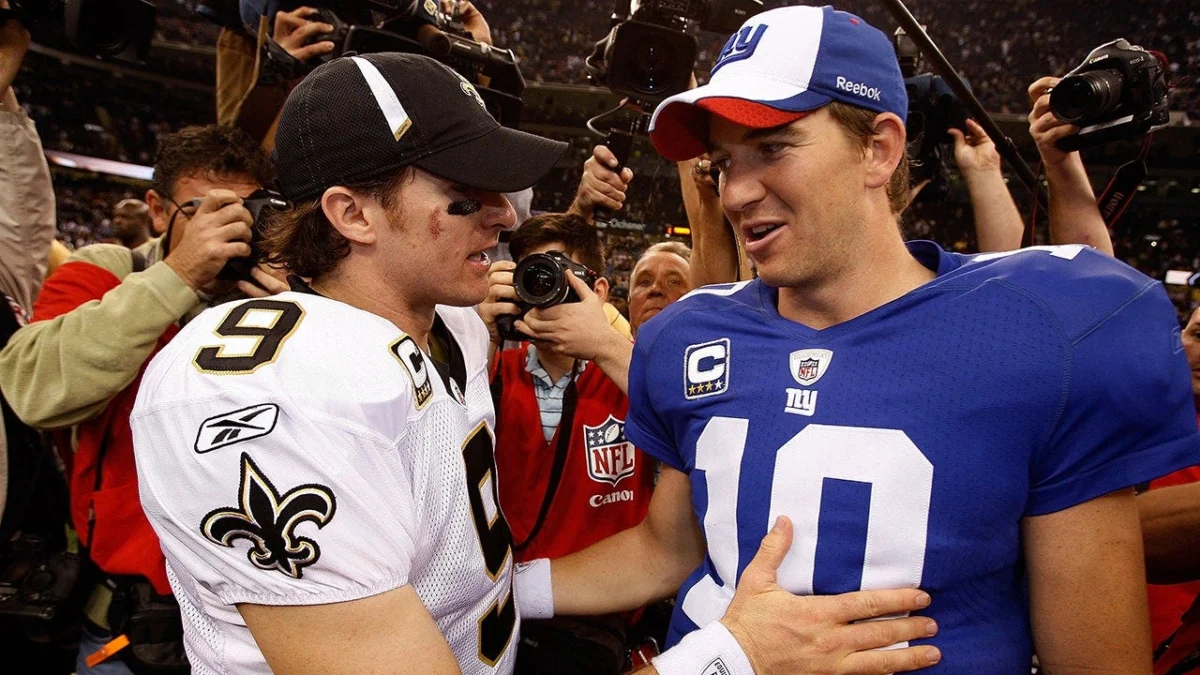
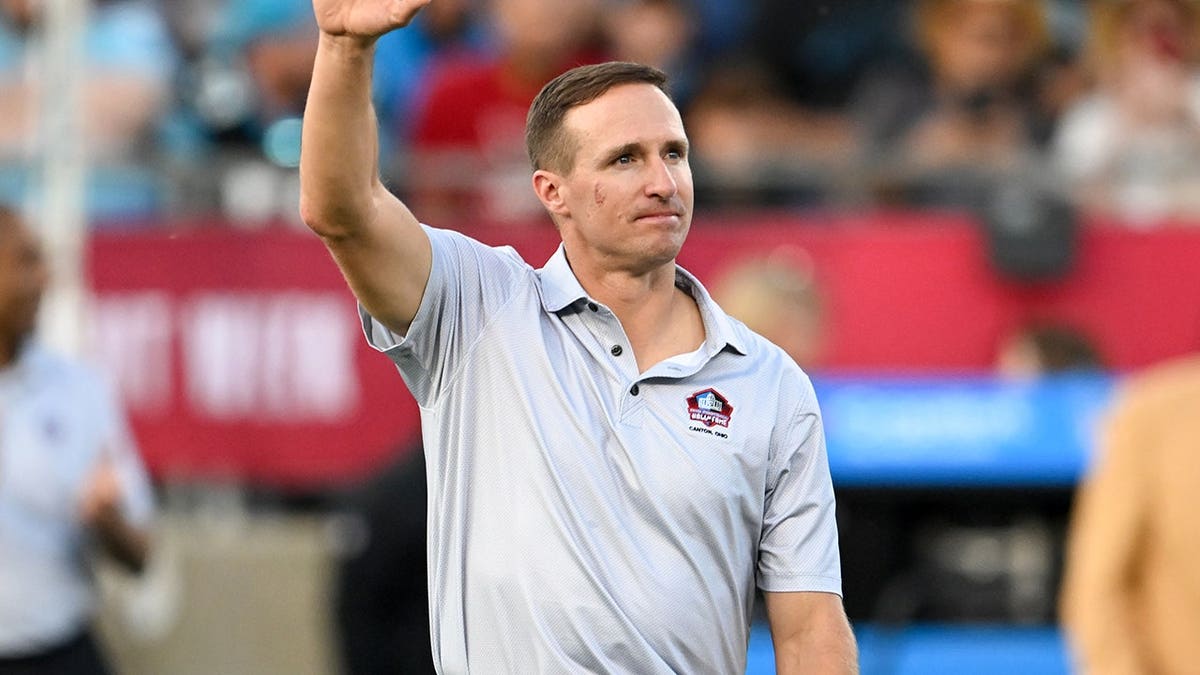
The hallowed halls of the Pro Football Hall of Fame in Canton, Ohio, have officially welcomed another legend. Drew Brees, the prolific former quarterback, was among the esteemed class of inductees celebrated earlier this month, cementing his legacy as one of the game’s all-time greats. Brees’ career statistics paint an undeniable picture of dominance: he ranks second all-time in both passing yards and passing touchdowns, a testament to his sustained excellence over a remarkable tenure. His crowning achievement, leading the New Orleans Saints to victory in Super Bowl XLIV as its Most Valuable Player, further solidifies his place among football’s elite. With thirteen Pro Bowl selections and a litany of other accolades, Brees’ induction was widely anticipated, a foregone conclusion for anyone who followed his illustrious career.
However, the journey to Canton is not always a clear path for every deserving candidate. For some, the wait is extended, and for others, the door may never open. This reality has ignited a prolonged debate surrounding the Hall of Fame candidacy of another prominent quarterback who recently retired from the gridiron.
Eli Manning, a contemporary of Brees and a quarterback whose career spanned sixteen seasons with the New York Giants, has become a focal point of this ongoing discussion. Manning, like Brees, etched his name into the NFL record books, notably leading the Giants to two improbable Super Bowl championships. While his career statistics may not mirror Brees’ lofty rankings in passing yards and touchdowns, his postseason heroics and championship pedigree have fueled the argument for his inclusion in the Hall of Fame. The question lingers: should Manning, a two-time Super Bowl winner, join his older brother Peyton and the myriad of other quarterbacks already enshrined in Canton?
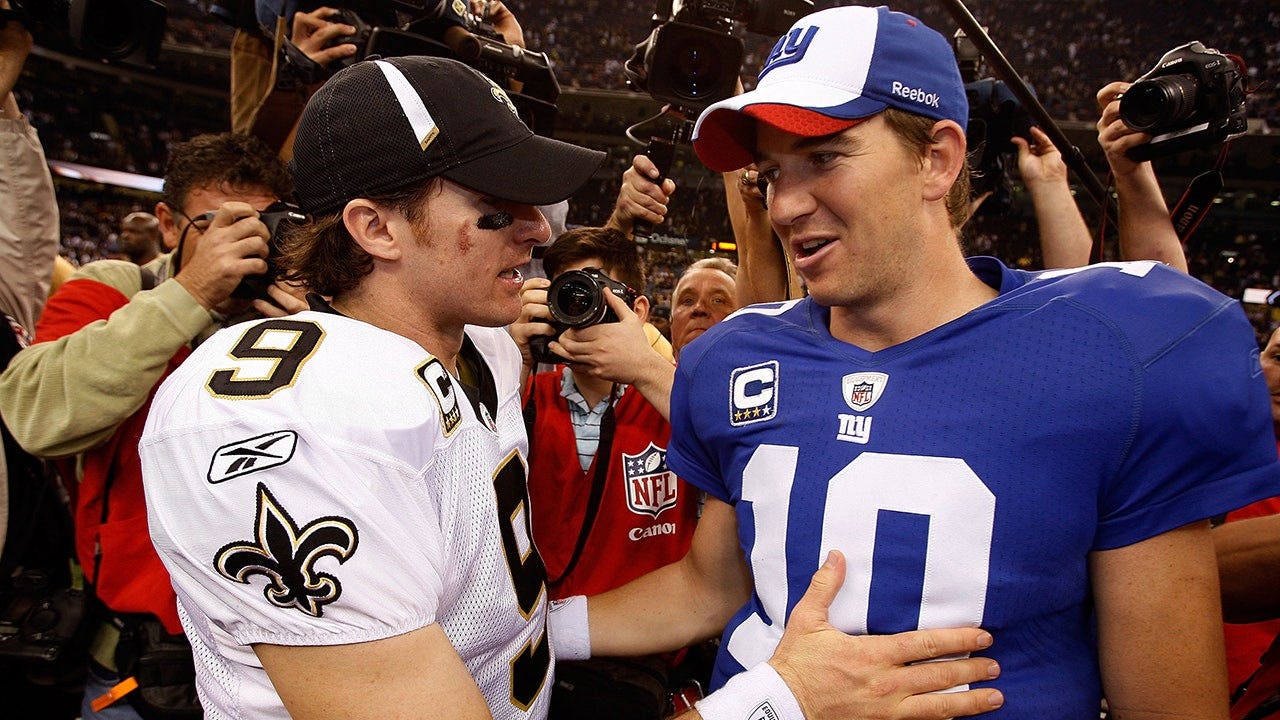
In the past two years, Manning has fallen short of securing the necessary votes for induction, failing to even make the list of fifteen modern-era finalists for the second consecutive voting period. This recurring omission has intensified the debate, prompting former colleagues and analysts to weigh in on his Hall of Fame worthiness.
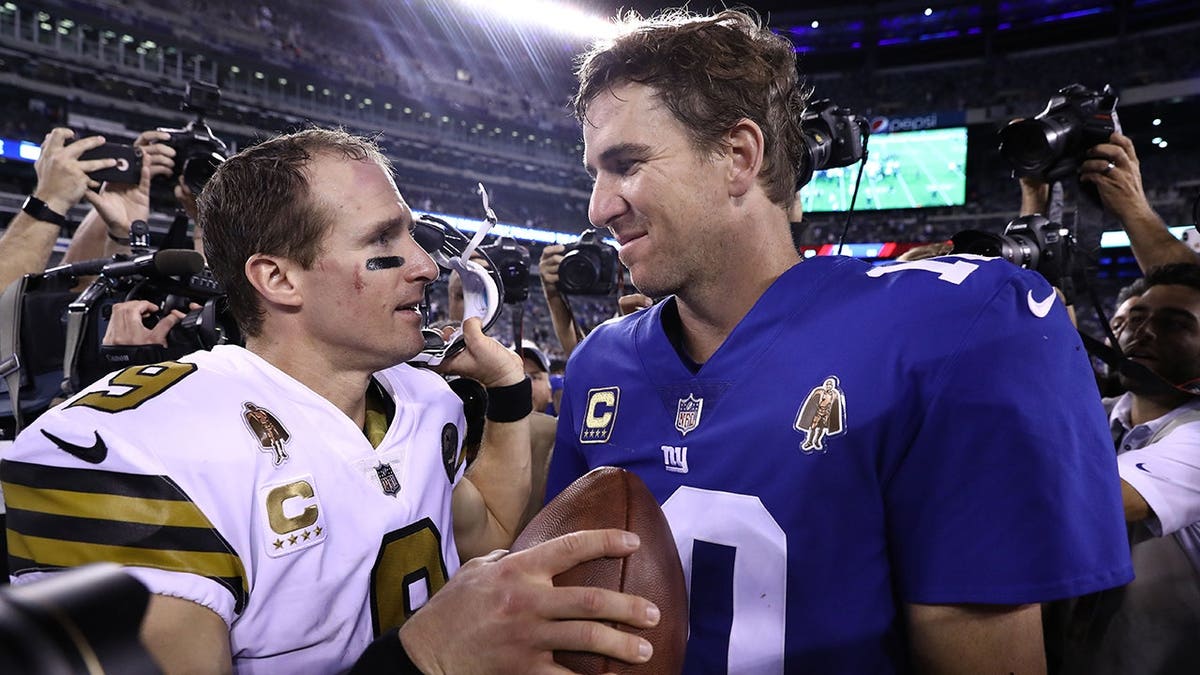
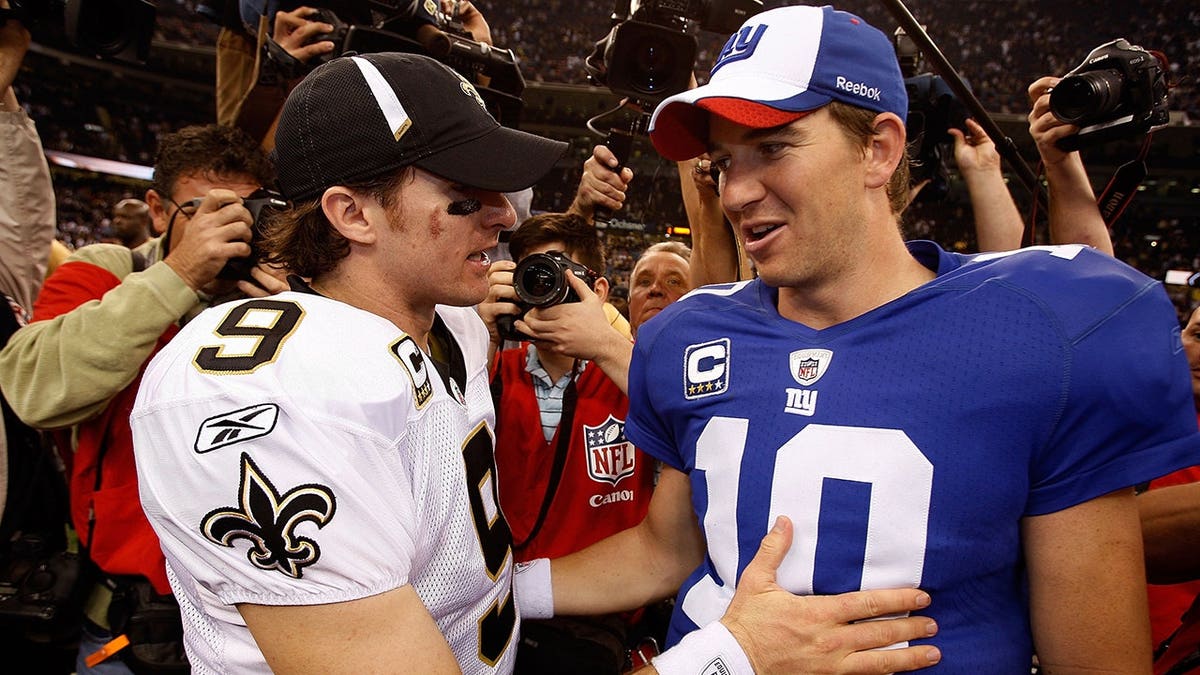
Drew Brees, now a member of the Hall of Fame himself, has offered his perspective on Manning’s candidacy. "Yeah, he is," Brees stated unequivocally in an interview with Fox News Digital, while also highlighting his business ventures, including his work with DIRECTV FOR BUSINESS. "It’s always funny to hear how people want to evaluate the quarterback position. I mean, look, there’s so much that goes into it. It’s body of work, it’s consistency, certainly championships factor into it. I think when you look at all those things, it’s hard to argue the things that he accomplished in his career with his two championships, and then, you know, his body of work and his consistency."
Brees lauded Manning’s performance over his sixteen seasons leading one of the NFL’s most storied franchises, deeming it "impressive." He emphasized the caliber of competition Manning faced during his career, a period characterized by an unprecedented era of quarterbacking talent. Brees himself, along with Peyton Manning, Tom Brady, Philip Rivers, Ben Roethlisberger, and Aaron Rodgers, all emerged during or shortly after Manning’s draft class, creating a landscape of fierce rivalry and exceptional play.
"I think overall, I look at this era that we had a chance to be a part of," Brees explained, reflecting on the collective talent of his quarterback contemporaries. "It started with Peyton [Manning]. You go Peyton, Tom Brady, my draft in ’01, and that ’04 draft was impressive with Eli, with Philip [Rivers]. With Ben Roethlisberger and then Aaron Rodgers coming the year after that. I kind of look at that as kind of an era of quarterbacks that we all battled against each other, man. It was some epic battles, too, when you look at them. I think we all brought out the best in each other in a lot of ways because we knew what we were going up against week in and week out." This sentiment underscores the competitive environment that shaped these quarterbacks and highlights the formidable opposition Manning consistently faced.
Despite Brees’ strong endorsement and the undeniable allure of Manning’s Super Bowl victories, arguments against his Hall of Fame inclusion often center on perceived mediocrity in his regular-season statistics and a lack of certain individual accolades. Manning’s career regular-season record stood at an even 117-117. Notably, he never achieved First-Team All-Pro status and never received a single vote for the Associated Press NFL Most Valuable Player award.
Furthermore, Manning’s turnover numbers have been a point of contention for some voters. While he was known for his willingness to make daring throws and his ability to extend plays, leading to iconic moments like the David Tyree helmet catch in Super Bowl XLII, he also led the league in interceptions three times. His career completion percentage of 60.3% also falls below the benchmarks set by many other Hall of Fame quarterbacks.
However, proponents of Manning’s candidacy point to his remarkable durability and leadership. He demonstrated incredible resilience, playing in 210 consecutive regular-season games for the Giants, a testament to his dedication and toughness. His career totals, combined with his clutch performances in the playoffs, particularly against the dynastic New England Patriots in two Super Bowl contests, present a compelling case that is difficult to dismiss. These postseason triumphs, achieved against arguably the greatest dynasty in NFL history, showcase a level of performance under pressure that transcends mere statistics.
The debate over Eli Manning’s Hall of Fame eligibility serves as a microcosm of the broader discussions surrounding what truly defines greatness in professional football. While statistics provide a quantifiable measure of success, elements like clutch performance, championship impact, and overcoming adversity often play a significant, albeit subjective, role in the evaluation process. Brees’ unequivocal support for his former competitor suggests that he values these intangible qualities, recognizing the profound impact Manning had on his team and the sport during a highly competitive era.
Beyond the gridiron, Drew Brees has also made a significant mark as a businessman and entrepreneur. He is a co-owner and partner in Walk-On’s Sports Bistreaux, a rapidly expanding sports bar franchise concept that originated in Louisiana and has since grown to over 80 locations across the country. This venture highlights Brees’ commitment to creating community-focused establishments that cater to the passionate sports fan base.
"We pride ourselves on Louisiana-inspired cuisine. It’s unbelievable food," Brees said of Walk-On’s. "My kids crave it all the time. But like a really family-friendly atmosphere, you know, whether it’s date night, bring the family, bring the little league after the game – something for everybody. Obviously, it’s sports, and high energy, and excitement on the TV all the time."
Central to the success of any sports bar is the ability to provide patrons with access to all the games, a critical element that Brees leverages through his partnership with DIRECTV FOR BUSINESS. In regions like the Southeast, where football reigns supreme, and indeed across the nation, DIRECTV FOR BUSINESS simplifies the process of delivering live TV and streaming networks to establishments. This partnership ensures that over 300,000 bars and restaurants can offer fans access to local, national, college, and professional games.
"Thanks to our partnership with DirecTV for Business, that’s what allows us to basically have access to every college and pro game around the country. And that’s not just football. We’re talking basketball, baseball, hockey, soccer. So big events like March Madness and the Kentucky Derby, Masters – you name it. So, we’re really appreciative of that DIRECTV FOR BUSINESS partnership. It allows us to help create that energy and excitement around our establishments." Brees elaborated, emphasizing the broad appeal of the service beyond just football.
For fans seeking out these premier viewing experiences, sportsbarfinder.com serves as a valuable resource, connecting them with establishments offering DIRECTV FOR BUSINESS. Brees believes this platform fosters a sense of community and camaraderie among sports enthusiasts. "There’s a saying: fans have more friends. You know, they really do. You step into your local sports bar wearing the local jersey. Man, all of a sudden, next thing you know, you’re high-fiving everybody, and you just made 100 more friends. That’s the kind of atmosphere and that’s what sports does, it brings people together," he concluded. This sentiment encapsulates the unifying power of sports and the role that venues like Walk-On’s, powered by reliable sports broadcasting, play in bringing fans together.
