
 By admin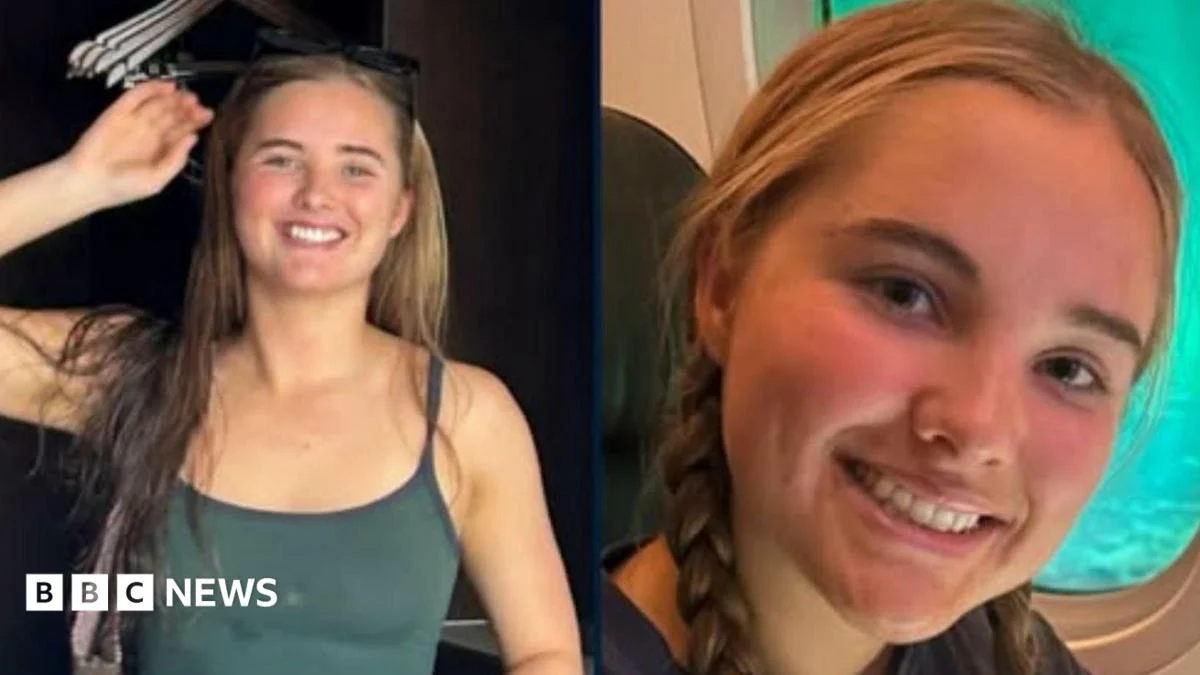
The heart-wrenching discovery of a body in the dense bushland of the Southern Highlands on Thursday has brought a tragic end to an eight-day search for 18-year-old Sydney teenager Lily Hooper. While formal identification is pending, police have expressed strong belief that the remains are those of the missing young woman, a conclusion that followed a period of profound and painful confusion surrounding her fate. The confirmation came after a deeply regrettable misstatement by the New South Wales Premier, Chris Minns, who initially informed the state parliament that Ms. Hooper had been found alive, a statement he was compelled to retract just moments later, plunging the family and the wider community back into an abyss of grief.
Lily Hooper was last seen on Wednesday, August 12th, when she left her Sydney home with the intention of embarking on a solo walking expedition in a nearby national park. Her family reported her missing late that same evening, a growing dread settling in as the clock ticked past 10 pm without her return. The initial phase of the search focused on the Nattai National Park, a location known for its challenging terrain and expansive wilderness. Ms. Hooper’s car was subsequently discovered by authorities in a car park at the base of a particularly arduous trail within the park, a grim indicator of the direction her intended walk may have taken. The discovery of her vehicle intensified the urgency of the search efforts, highlighting the potential dangers she may have encountered in the rugged landscape.
The body was located on Thursday around 11:30 am local time in a remote area of the Southern Highlands, a region characterized by its rolling hills, dense forests, and often unforgiving topography. The discovery was made within thick vegetation, necessitating a challenging recovery operation. Authorities indicated that due to the location and dense undergrowth, Ms. Hooper’s remains would likely need to be carried out of the bushland on foot, a somber task undertaken by dedicated rescue personnel. This arduous extraction process underscores the isolation and remoteness of the area where she was found, further emphasizing the scale of the search and the challenges faced by those involved.
The period of initial confusion regarding Ms. Hooper’s condition has cast a shadow over the tragic outcome. New South Wales Premier Chris Minns, addressing a parliamentary hearing, declared that the teenager had been found alive. This announcement, though intended to bring relief, quickly proved to be tragically inaccurate. Reports from local media and accounts from Ms. Hooper’s family suggested they too had been informed of her survival. However, the Premier was forced to swiftly correct his statement during the same parliamentary session, delivering the devastating news that "Lily’s body has been found" and that she was deceased.
In the wake of this profound error, Premier Minns expressed his deep sorrow and offered an apology. "This is obviously devastating, and I’m profoundly sad for her family and for all those concerned," he stated to the committee, acknowledging the immense pain caused by the misinformation. The Premier’s swift correction, while necessary, did little to assuage the emotional rollercoaster experienced by Ms. Hooper’s grieving family and the public.
At a press conference held later on Thursday afternoon, Assistant Police Commissioner Joseph Cassar addressed the media, though he did not directly elaborate on the specific circumstances that led to Ms. Hooper’s family being informed of her being found alive. He did, however, confirm that there was a "period of between eight to 10 minutes" between the initial, incorrect report and when the teenager’s parents received an updated, accurate report on her condition. When pressed on what was communicated to the family, Cassar stated he did not know the exact details but expressed regret, saying, "if I could turn the clock back, I would certainly." This acknowledgment of a communication breakdown, however brief, highlights the sensitive nature of such critical information dissemination during a high-stakes search operation and the profound impact of any inaccuracies.
The search for Lily Hooper had been an extensive and multi-agency effort, reflecting the gravity of the situation. Over the past week, numerous units from the NSW Police Force were deployed, showcasing a comprehensive mobilization of resources. These included PolAir (police aviation support), the specialized Rescue Unit, the Trail Bike Unit for traversing difficult terrain, the Mounted Unit for broader area searches, and the Dog Unit, renowned for its scent-tracking capabilities. The immense undertaking was further bolstered by the invaluable support of the Rural Fire Service, whose expertise in bushland operations was critical, the National Parks and Wildlife Service, providing essential knowledge of the park’s environment, and a significant contingent of almost 100 members from the Australian Defence Force. The collaborative nature of the search effort underscored the commitment of various organizations to finding Ms. Hooper, demonstrating a unified front against the challenging circumstances.
The tragic loss of Lily Hooper has resonated at the highest levels of government. Australian Prime Minister Anthony Albanese paid a heartfelt tribute to the 18-year-old in parliament, describing her death as an "unspeakable tragedy." He further commented, "Lily Hooper had so much more to offer the world. Her passing, I have no doubt, will be felt very deeply." These words reflect the profound sense of loss felt by the nation for a young life cut tragically short, a life brimming with potential and future contributions.
The opposition leader and Lily Hooper’s local Member of Parliament, Angus Taylor, also expressed his deep condolences and highlighted the additional pain caused by the initial incorrect reports of her being found alive. He articulated the immense suffering of the family, stating, "We can only imagine what Lily’s family is going through right now. Such news would be a nightmare for any parent, and we grieve for Lily’s wider family." Mr. Taylor’s comments underscore the psychological toll of such devastating news, particularly when coupled with false hope.
The Nattai National Park, where Ms. Hooper’s car was found, is a significant natural area within the Sydney basin, renowned for its rugged beauty and extensive network of walking trails. However, it is also a landscape that demands respect and preparedness from visitors. The park features steep escarpments, dense eucalyptus forests, and a variable climate that can quickly shift, posing risks to even experienced hikers. The particular trail where her car was located is known to be challenging, requiring a good level of fitness and navigational skill. The area is also home to various wildlife and can be prone to flash flooding during periods of heavy rain, adding further layers of potential danger to any excursion. The dense vegetation that characterizes much of the park can make search operations incredibly difficult, with visibility often limited and terrain treacherous, as evidenced by the challenges faced by rescue teams in locating Ms. Hooper.
The decision to go for a solo walk in such a location, while a common activity for many outdoor enthusiasts, can inherently carry higher risks. Factors such as mobile phone reception, which can be intermittent or non-existent in remote areas, can impede the ability to call for help in an emergency. The absence of a hiking companion means there is no one else to assist in case of injury or disorientation. Authorities often advise hikers to inform someone of their intended route and expected return time, a step that Ms. Hooper’s family did, but the subsequent lack of communication highlighted the rapid unfolding of a critical situation. The investigation into the exact circumstances of Ms. Hooper’s disappearance will likely examine all these factors, aiming to provide clarity and potentially inform future safety recommendations for park visitors.
The tragedy of Lily Hooper’s death serves as a stark reminder of the inherent risks associated with bushwalking, even in seemingly familiar environments. The allure of nature’s beauty can sometimes mask its formidable power. The extensive search operation, involving a diverse range of specialized units and personnel, speaks volumes about the dedication and resilience of those involved in search and rescue operations. Their commitment, day in and day out, to finding those lost in the wilderness is a testament to the best of human endeavor, even when faced with the most heartbreaking of outcomes.
The coming days will undoubtedly be a period of deep mourning for Lily Hooper’s family and friends. The community will also be reflecting on the events that transpired, the devastating loss of a young life, and the critical importance of accurate communication during times of crisis. The investigation into the precise cause of Ms. Hooper’s death will proceed, with police likely to conduct a thorough review of the evidence found at the scene and the circumstances leading up to her disappearance. The hope is that this investigation will provide answers and closure for those who are suffering, and that lessons learned can contribute to enhanced safety measures and protocols for future outdoor adventures in Australia’s vast and beautiful, yet sometimes perilous, natural landscapes. The legacy of Lily Hooper will undoubtedly be one of remembrance, compassion, and a renewed focus on the safety and well-being of all who venture into the wild.
