
 By admin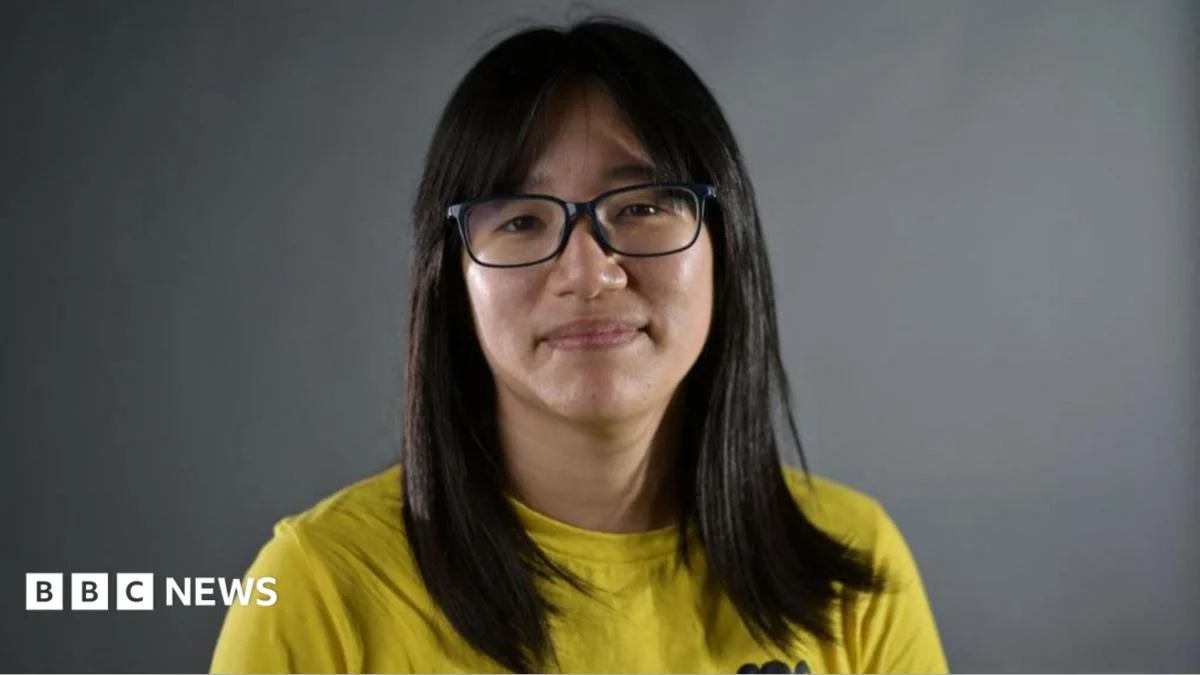
In a landmark ruling that further erodes the freedoms once cherished in Hong Kong, two prominent activists, Lee Cheuk-yan and Chow Hang-tung, have been found guilty of inciting others to subvert state power. The conviction, handed down under the stringent national security law imposed by Beijing, stems from their long-standing roles in organizing annual vigils to commemorate the 1989 Tiananmen Square crackdown. The verdict marks a significant blow to dissent in the former British colony, now firmly under the influence of mainland China’s authoritarian rule.
Lee Cheuk-yan, a 69-year-old former lawmaker, and Chow Hang-tung, a 41-year-old lawyer, face a maximum penalty of ten years in prison. Sentencing is slated for a later date, leaving the two prominent figures in a state of anxious anticipation. A third defendant, Albert Ho, 74, who also played a key role in the commemorations, had previously pleaded guilty in January to the same charge. The legal proceedings have highlighted the stark contrast between Hong Kong’s past as a bastion of free expression and its present reality, where even remembrance of historical events can be deemed a criminal act.
According to a summary released on Friday, the court found that Lee and Chow "incited other persons to organise, plan, commit or participate in acts by unlawful means with a view to subverting the state power." This charge, rooted in the broad interpretation of the national security law, effectively criminalizes any perceived challenge to the authority of the Chinese Communist Party. During the trial, Chow Hang-tung bravely asserted that the national security law itself was on trial, a poignant statement underscoring the fundamental nature of the legal battle.
For decades, Hong Kong stood as a solitary beacon in Chinese territory where citizens could openly gather to mourn and remember the brutal suppression of pro-democracy protests in Beijing’s Tiananmen Square in 1989. These vigils, often drawing tens of thousands, served as a powerful symbol of defiance against the mainland’s enforced amnesia regarding the massacre. However, in 2020, authorities abruptly banned these gatherings, initially citing COVID-19 pandemic concerns. The ban has remained in effect, and the subsequent implementation of the national security law that year solidified the crackdown on dissent, making a wider array of acts deemed "subversive" illegal. In stark contrast, mainland China has long maintained an ironclad ban on even oblique references to the 1989 crackdown, ensuring that the official narrative remains unchallenged.
The courtroom scene as the verdict was delivered offered a glimpse into the resilience of the accused. Chow Hang-tung, a formidable legal mind and outspoken activist, displayed a composed demeanor, even offering a smile as the guilty verdict was read. Lee Cheuk-yan, a seasoned politician and a figure of significant influence, showed little outward emotion. He conveyed gratitude to supporters present in the gallery through a heart gesture and folded hands, a silent acknowledgment of their unwavering solidarity.
Both Lee and Chow were integral leaders of the now-defunct Hong Kong Alliance (HKA), an organization that had become a persistent thorn in the side of Chinese authorities. Beijing had repeatedly denounced the HKA as a "toxic tumour," a label that underscored the deep animosity it held towards the group’s long-standing advocacy. The HKA was founded in May 1989, in the nascent stages of the pro-democracy student movement in Beijing, with the aim of offering support to the protestors. Tragically, just weeks later, the Chinese Communist Party unleashed its military might, crushing the pro-democracy demonstrations in Tiananmen Square with a brutal display of tanks and troops. The exact death toll remains a subject of intense debate, with estimates ranging from a few hundred to as many as several thousand lives lost.
For over three decades following the crackdown, the HKA remained steadfast in its mission. It consistently called upon Chinese authorities to acknowledge responsibility for the massacre, to release imprisoned dissidents, and to embrace democratic reforms. This persistent advocacy, however, ultimately placed its leaders squarely in the crosshairs of Beijing’s tightening grip on Hong Kong. The leaders of the Alliance were formally charged in 2021 and have been held in pre-trial detention since then, effectively silencing their public voices and dismantling their organizational capacity.
The convictions have drawn sharp criticism from international human rights organizations, which have consistently argued that the national security law is being weaponized to suppress legitimate dissent. Amnesty International, a leading global human rights watchdog, has vehemently condemned the ruling, asserting that the case "relies on vague, overly broad and arbitrary definitions of ‘subversion’." Sarah Brooks, Amnesty International’s Deputy Regional Director, articulated the organization’s stance unequivocally: "Chow and Lee had ‘not committed any recognisable crime’." She further stated, "Chow Hang-tung and Lee Cheuk-yan are prisoners of conscience who should never have been prosecuted in the first place. They must be released immediately and unconditionally."
Similarly, Elaine Pearson, Asia director at Human Rights Watch, highlighted the chilling implications of the convictions. She observed that the ruling demonstrates "how public displays of mourning have become a crime in Hong Kong." This sentiment reflects a broader concern that any form of public dissent or expression that deviates from the state-sanctioned narrative is now subject to severe legal repercussions.
This is not the first time Chow Hang-tung has faced legal challenges related to the Tiananmen vigils. In a separate case, she was arrested in June 2021 for "inciting" the public to participate in that year’s vigil. She was subsequently found guilty in that instance. However, in a significant legal development in 2022, Hong Kong’s top court overturned that conviction. A judge ruled that the police had not provided sufficient justification for banning the vigil, offering a brief moment of legal reprieve.
Chow Hang-tung’s prescient words to the BBC in 2021, just weeks before her arrest on June 4, 2022, now resonate with profound gravity. "I am prepared to be arrested," she had stated, her voice steady despite the looming threat. "That is how Hong Kong is now." She continued, with an unwavering resolve, "I am willing to pay the price for fighting for democracy." Her courageous foresight and her willingness to face the consequences of her activism serve as a stark testament to the sacrifices made by those who continue to champion democratic ideals in the face of increasing repression. The current conviction under the national security law represents the price she, and others like her, are now being forced to pay. The legacy of the Tiananmen Square crackdown, once openly commemorated in Hong Kong, has now become a symbol of the city’s diminishing freedoms, a painful reminder of a past that authorities are determined to erase and a future where dissent is systematically criminalized. The implications of this verdict extend far beyond the individuals convicted, sending a chilling message to all who might dare to challenge the established order, both within Hong Kong and across the broader Chinese sphere of influence.
