
 By Rifan Muazin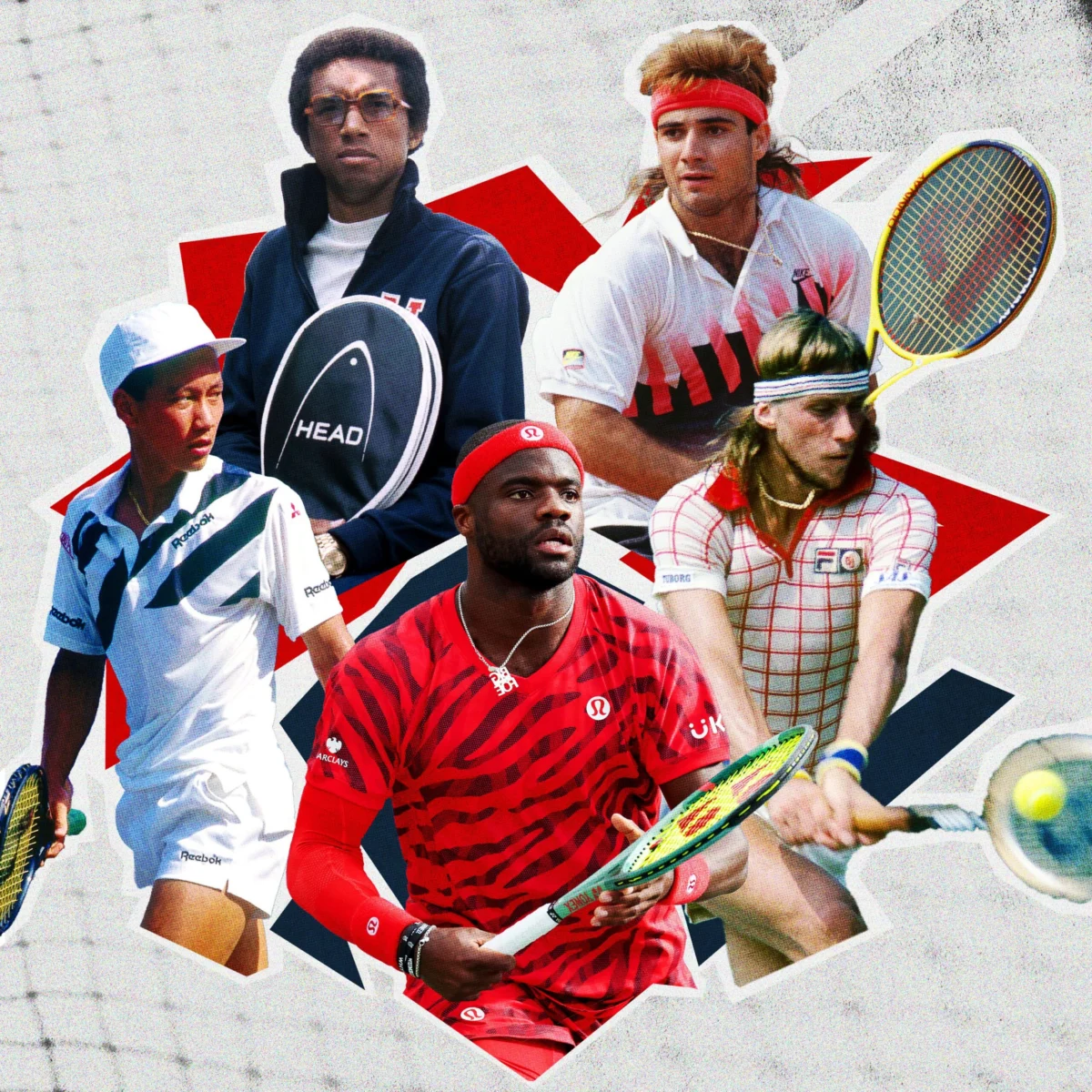
The visual vocabulary of men’s tennis style is one of the most recognizable and enduring in the world of sports. For the casual observer, the term often conjures a specific, nostalgic archetype: crisp short shorts with silver waist tabs, a pristine white polo shirt featuring a discreet logo on the chest, and perhaps a terry cloth headband with a navy or green cheat-line running through the middle. This aesthetic, rooted deeply in the Victorian era, carries a weight of tradition that few other sports can claim. While the rest of the sporting world has moved toward high-tech synthetics and loud, neon-drenched graphics, many corners of the tennis world—most notably Wimbledon, the London-based Grand Slam—still enforce a strict all-white dress code that preserves this historical image.
However, to view tennis fashion as a monolith of white cotton and conservative silhouettes is to miss the vibrant, often rebellious history of the sport. Peer beyond the surface fuzz of the yellow ball, and there is a profound level of nuance to on-court style that has evolved over more than a century. For decades, male tennis players have utilized the court as a runway, adding their own stamps of flair and flourish to varying degrees. This evolution ranges from the pragmatism of René Lacoste in the 1920s to the "rebel-child" aesthetics of Andre Agassi in the 1990s, whose denim shorts and neon accents fundamentally challenged the sport’s "gentlemanly" status quo.
The diversification of men’s tennis style accelerated significantly during the 2000s, marking a shift from purely athletic wear to a crossover with high fashion. This transition was largely catalyzed by the "Federer Effect." As Roger Federer began to dabble in the world of luxury brands and tailored silhouettes, he opened a gateway for a new generation of players to express their personalities through their attire. Caitlin Thompson, the founder and editor of the influential tennis lifestyle publication Racquet, notes that the landscape has shifted dramatically. "Since Roger Federer’s dabbling in the world of higher fashion, the floodgates for who gets to be interested in style have really opened in men’s tennis," Thompson explains. "Looking past current brand partnerships—though Lorenzo Musetti for Bottega Veneta and Stefanos Tsitsipas in a Loro Piana cape are elite examples—we now have a larger group of players who feel like they can experiment with style in a more overt way."
The Architect of Modernity: René Lacoste
The story of modern tennis style begins with René Lacoste. In the 1920s, Lacoste—one of the legendary "Four Musketeers" of French tennis—found himself frustrated by the standard attire of the day. At the time, players were expected to compete in long-sleeved, button-down flannel shirts and heavy pleated trousers. It was a look that prioritized Victorian decorum over athletic performance. Lacoste, a pragmatist and an innovator, decided to break the mold. He shortened his sleeves and opted for a breathable, pique-knit cotton fabric, creating what would ultimately become the iconic Lacoste polo shirt.
Lacoste’s contribution was more than just a garment; it was the birth of the sports logo. After being nicknamed "The Crocodile" by the American press—following a bet with his team captain over a crocodile-skin suitcase—Lacoste had a crocodile embroidered onto his blazers and shirts. This move essentially pioneered the concept of branding in sports apparel. Today, the crocodile remains a fixture on the professional circuit, worn by modern champions like Novak Djokovic and Daniil Medvedev, serving as a constant reminder of how one man’s desire for comfort redefined the global fashion landscape.
The Golden Age of Charisma: Borg and McEnroe
As the sport moved into the 1970s and 80s, tennis style became synonymous with the "Golden Age" of the game. This era was defined by the stark contrast between Björn Borg and John McEnroe. Borg, the "Ice Man," brought a European sophistication to the court through his partnership with the Italian brand Fila. His look—tight pinstriped polos, very short shorts, and a signature Fila headband over flowing blonde locks—made him a global sex symbol and a fashion icon.
In contrast, John McEnroe brought a gritty, New York energy to the sport. Representing Sergio Tacchini and later Nike, McEnroe’s style was defined by bold colors, checkered patterns, and his signature red headband. This era proved that tennis clothes could be more than just functional; they could be a reflection of a player’s temperament. The 70s and 80s solidified the "tennis look" as a staple of off-court leisure wear, with the polo shirt and track jacket becoming essential components of the "preppy" wardrobe.
The Agassi Rebellion: Neon and Denim
If the 70s were about charisma, the 1990s were about flat-out rebellion, and no one embodied this more than Andre Agassi. At a time when the sport was still clinging to its conservative roots, Agassi arrived with a mullet, neon bike shorts worn under "jorts" (denim shorts), and shirts that looked more like street art than athletic gear. Agassi’s collaboration with Nike’s "Challenge Court" line was a watershed moment. It signaled to the world that tennis was no longer just a country club sport; it was part of the burgeoning youth culture of the 90s.
Agassi’s style was so controversial that he famously boycotted Wimbledon for three years (1988–1990) because the tournament’s strict "all-white" rule prevented him from wearing his signature neon colors. When he finally returned in 1991, he did so in an all-white version of his Nike kit, proving that his star power could transcend even the most rigid traditions. Agassi’s influence paved the way for the "athleisure" movement, demonstrating that performance wear could be loud, expressive, and culturally disruptive.
The Federer Era: A Return to Elegance
As the new millennium dawned, the pendulum swung back toward a more refined aesthetic, led by Roger Federer. Federer’s style was a masterclass in modern classicism. He brought back the custom blazer for his walk-outs at Wimbledon and worked closely with Nike to develop kits that felt both high-tech and timeless. His 2009 Wimbledon cardigan, accented with gold, remains one of the most discussed fashion moments in sports history.
Federer’s impact went beyond the clothes he wore on the court. He bridged the gap between the locker room and the front row of Fashion Week. His friendship with Vogue editor Anna Wintour and his subsequent move to the Japanese brand Uniqlo in a massive $300 million deal highlighted the immense commercial value of a player’s personal brand. Federer didn’t just play tennis; he curated an image of global excellence that appealed to luxury watchmakers like Rolex and high-end fashion houses alike.
The Modern Frontier: Luxury and Individualism
Today, we are witnessing a new frontier in men’s tennis style, where the lines between the ATP Tour and the runways of Milan and Paris have blurred entirely. The modern player is no longer confined to traditional sportswear brands. We see Lorenzo Musetti as a brand ambassador for Bottega Veneta, and Stefanos Tsitsipas embracing the quiet luxury of Loro Piana. Perhaps most notably, Jannik Sinner made headlines at Wimbledon when he walked onto the court carrying a custom Gucci duffel bag—a move that required special permission from the All England Club and signaled a major shift in how luxury brands view tennis stars.
This new era is defined by a "larger group of players who feel like they can experiment with style in a more overt way," as Caitlin Thompson noted. It is an era where Carlos Alcaraz fronts campaigns for Louis Vuitton and where players use their social media presence to showcase their personal style off the court. The "tenniscore" trend has also permeated mainstream fashion, with brands like Aimé Leon Dore and Kith releasing collections that draw heavily on the vintage tennis aesthetic.
Conclusion: The Future of the Court
The evolution of men’s tennis style is a reflection of the sport’s unique position in the cultural zeitgeist. It is a sport that honors its past while constantly being pushed forward by individualists and rebels. From the pragmatic innovations of René Lacoste to the luxury partnerships of the modern day, tennis fashion has always been about more than just what a player wears to hit a ball. It is an expression of identity, a tool for branding, and a canvas for cultural change.
As we look to the future, the "floodgates" remain open. With a new generation of players who are as comfortable in a designer suit as they are in a performance polo, the court will continue to be a place where tradition meets transformation. Whether it is the strict whites of London or the neon lights of New York, men’s tennis remains the most stylish stage in professional sports, proving that in this game, how you look is often just as important as how you play.
