
 By admin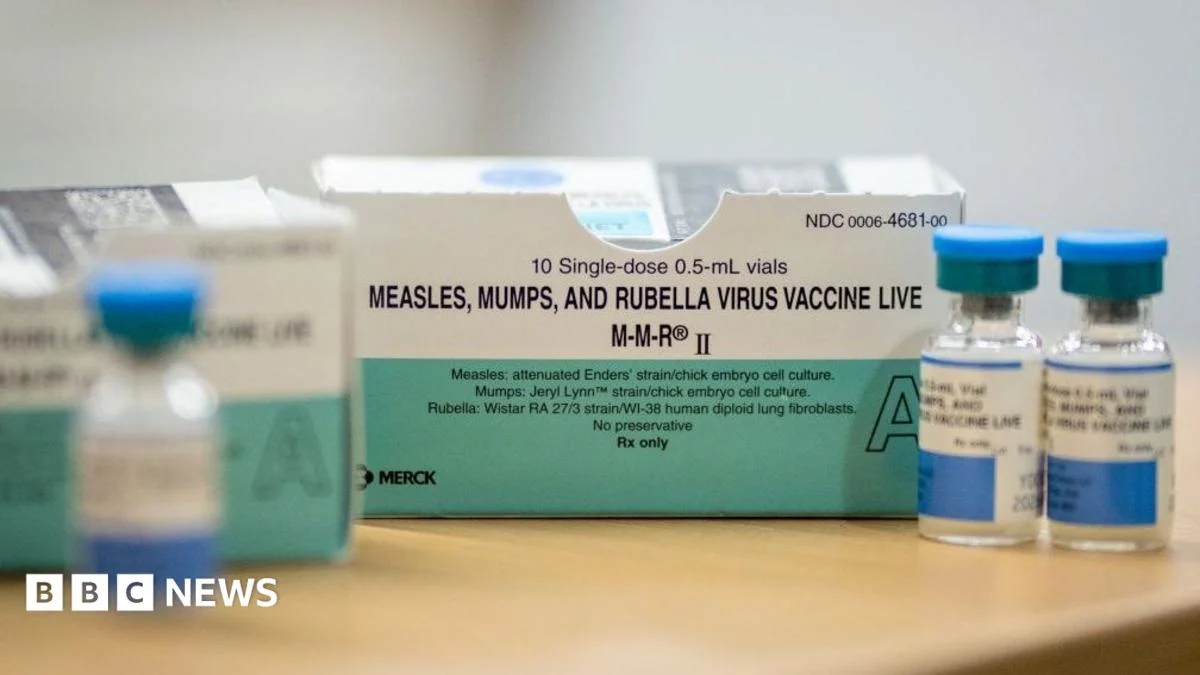
The grim reality of preventable disease has struck Pennsylvania with devastating force, as health officials confirm the deaths of two unvaccinated individuals from measles. This tragic development underscores a growing crisis across the United States, where measles infections are escalating at an alarming rate, reaching levels not seen in 35 years. The Pennsylvania Department of Health reported 393 cases of the highly contagious virus this year alone, a stark indicator of the virus’s resurgence and the persistent threat it poses to public health.
The recent fatalities occurred in Lancaster County, a region that is now at the epicenter of concerns regarding vaccination rates. Data reveals that only 85% of kindergarten-age students in Lancaster County are vaccinated against measles. This figure falls significantly short of the 95% threshold considered essential for achieving herd immunity. Herd immunity is a critical public health concept where a sufficiently high percentage of the population is immune to a disease, thereby providing indirect protection to those who are not immune, including infants too young to be vaccinated, individuals with weakened immune systems, and those for whom vaccines are less effective. The erosion of this protective shield leaves vulnerable populations exposed to severe illness and potentially fatal complications.
The specter of measles deaths is not new to the United States. Last year, a devastating outbreak in Texas claimed the lives of two unvaccinated children and infected over 1,000 individuals, primarily children. This chilling precedent serves as a stark warning of the devastating consequences when vaccination rates falter.
In response to the escalating crisis, Pennsylvania Governor Josh Shapiro addressed the dire situation with urgency and conviction during a news conference on Tuesday. "This is a serious and a growing problem across our country and in our commonwealth," Governor Shapiro stated, emphasizing the preventable nature of measles-related illness and death. He unequivocally identified the mumps, measles, and rubella (MMR) vaccine as the most potent tool available to safeguard individuals from the virus and its fatal consequences.
While officials have declined to release the identities of the deceased, citing privacy concerns, they acknowledged that children, who are particularly vulnerable to severe measles complications and a higher risk of death, could be among those lost. This underscores the critical need to protect the youngest and most susceptible members of our communities.
The national picture is equally alarming. As of just seven months into 2026, the United States has documented 2,777 confirmed cases of measles. This figure has already surpassed the 2,289 cases recorded in the entirety of the previous year, signaling a dramatic and concerning uptick in infections. This surge is not an isolated incident but rather a symptom of a broader trend: the increasing prevalence of vaccine hesitancy in the United States. In recent years, a growing segment of the population has expressed reservations about the safety and efficacy of vaccines, leading to a decline in immunization rates.
The recommended vaccination schedule for children in the U.S. includes two doses of the MMR vaccine, administered between the ages of one and six. This regimen boasts an impressive 97% effectiveness in conferring immunity against the measles virus. However, the effectiveness of this crucial public health measure is being undermined by the growing wave of skepticism and misinformation surrounding vaccines.
Adding a layer of complexity and concern to the already precarious public health landscape, President Donald Trump signed an executive order earlier this month that, according to public health experts, calls for fewer childhood vaccinations and proposes splitting the MMR vaccine into three separate doses. This directive has sent ripples of apprehension through the medical community. Public health experts express grave concerns that such a policy could sow confusion regarding an established, safe, and highly effective vaccine, potentially leading to decreased uptake and increased costs associated with administering a fragmented vaccination schedule.
This executive order followed a series of significant policy shifts initiated by Health Secretary Robert F. Kennedy Jr. over the past year, which aimed to overhaul U.S. vaccine policies, including the childhood vaccination schedule. However, many of these proposed changes were ultimately blocked by a federal judge earlier this year, providing a temporary reprieve from potentially detrimental policy alterations.
Robert F. Kennedy Jr., a prominent figure known for his skepticism towards vaccines, has historically presented a complex and often contradictory stance on the MMR vaccine. While at times appearing to endorse its use, he has also disseminated unverified claims regarding its safety, contributing to the atmosphere of doubt and hesitancy.
Governor Shapiro, in his remarks on Tuesday, revealed that he had engaged in a candid conversation with Secretary Kennedy that very morning. During their discussion, Kennedy reportedly offered the assistance of staff from the U.S. Centers for Disease Control and Prevention (CDC). Governor Shapiro conveyed his unequivocal stance to Kennedy, stating he was "very blunt" in his assessment of the current vaccination climate.
"I made very clear that his actions and the rhetoric that’s coming from this administration are having a negative impact on communities across America," Shapiro declared, directly linking the administration’s discourse to tangible harm. "That there’s real-life consequences to spreading misinformation." This direct confrontation highlights the deep chasm between public health officials advocating for evidence-based vaccination strategies and certain political figures who appear to be fueling vaccine hesitancy.
The ramifications of declining vaccination rates extend beyond individual health and even national borders. The United States is currently on a precarious trajectory, facing the very real possibility of losing its hard-won status of having eliminated measles. This designation, which signifies the absence of continuous, endemic transmission of the virus, is subject to review by a panel scheduled for November. The potential loss of this status would be a significant public health setback, undoing years of dedicated efforts and potentially re-establishing the U.S. as a hotbed for measles transmission. This is a grim prospect, especially considering that Canada, a neighboring nation, unfortunately lost its measles-eliminated status last year, serving as a potent cautionary tale.
The resurgence of measles is a complex issue, fueled by a confluence of factors including the rise of vaccine hesitancy, fueled by misinformation and disinformation campaigns, and the erosion of trust in public health institutions. The MMR vaccine, a cornerstone of pediatric immunization for decades, has been repeatedly and rigorously studied, with overwhelming scientific consensus affirming its safety and efficacy. The two-dose regimen provides robust protection, safeguarding individuals and communities against a virus that can lead to severe complications such as pneumonia, encephalitis (brain swelling), and even death.
The economic and social costs of measles outbreaks are also substantial. Beyond the direct healthcare expenses associated with treating infected individuals and managing outbreaks, there are indirect costs related to lost productivity, school closures, and the emotional toll on families. Furthermore, the re-emergence of a highly contagious disease like measles can disproportionately impact marginalized communities, which often face greater barriers to accessing healthcare and may have lower vaccination rates due to historical mistrust or socioeconomic challenges.
The current situation demands a multi-pronged approach. Public health officials must redouble their efforts to combat misinformation and promote vaccine confidence through clear, consistent, and evidence-based communication. This includes engaging with trusted community leaders, healthcare providers, and educational institutions to disseminate accurate information about vaccine safety and efficacy. Furthermore, efforts to improve vaccine access and address barriers to immunization, such as cost, transportation, and cultural considerations, are crucial.
The actions of political leaders also play a pivotal role. Statements and policies that undermine vaccine confidence can have far-reaching and devastating consequences, as demonstrated by the current measles crisis. It is imperative that all public figures, regardless of their political affiliation, prioritize evidence-based public health guidance and refrain from promoting unsubstantiated claims that can jeopardize the health and safety of the population.
The deaths in Pennsylvania are not merely statistics; they represent profound personal tragedies and a stark warning to a nation that has, for too long, taken the hard-won progress in infectious disease control for granted. The preventable nature of measles underscores the critical importance of maintaining high vaccination rates and actively combating the forces that seek to undermine this fundamental pillar of public health. The fight against measles is a fight for the health and well-being of our communities, and it is a fight that requires unwavering commitment, scientific integrity, and a collective resolve to protect the most vulnerable among us. The coming months will be critical in determining whether the United States can reverse this alarming trend and safeguard its public health against the resurgent threat of measles.
