
 By admin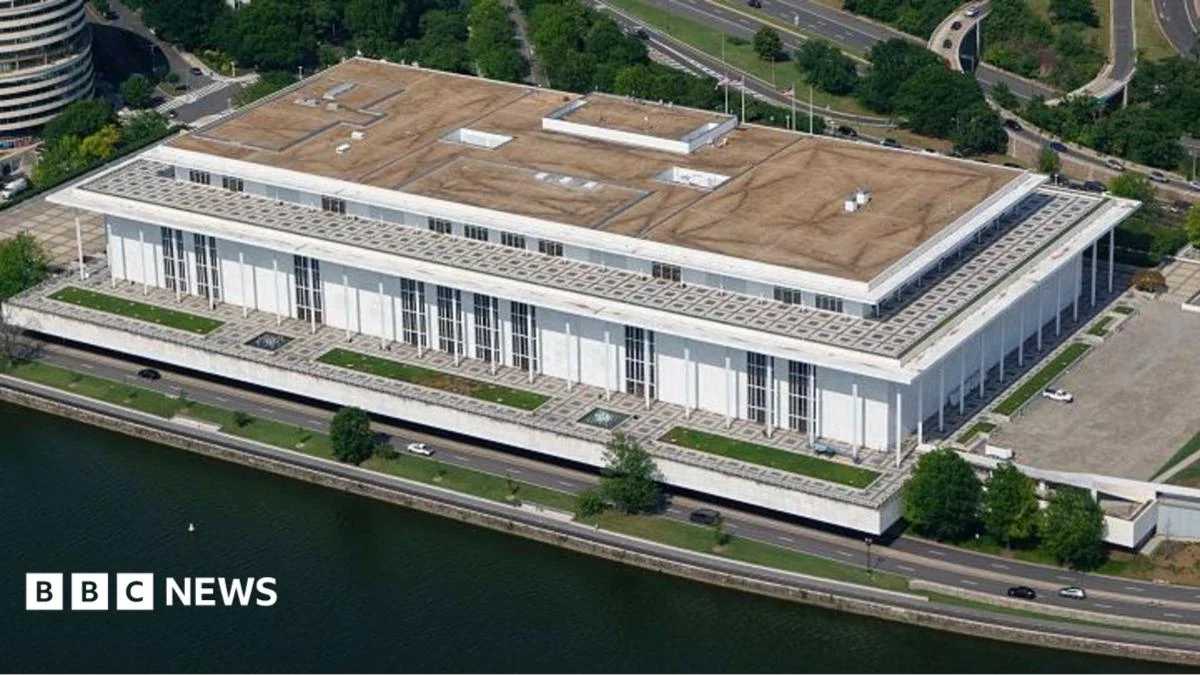
In a dramatic escalation of a contentious legal battle, the Trump administration has issued an unprecedented threat to demolish the iconic John F. Kennedy Center for the Performing Arts should planned renovations be obstructed, according to newly surfaced court documents. The Justice Department’s attorneys have also petitioned for the reinstatement of President Donald Trump’s name on the prestigious performing arts venue, which was removed in June following a judicial order. This aggressive stance underscores a broader pattern of the Trump administration’s assertive approach to national landmarks and its engagement with cultural institutions, particularly those it seeks to imbue with a personal or political legacy.
The legal filings, made public recently, reveal a stark ultimatum: either the Board of the Kennedy Center is permitted to proceed with its planned renovations and the restoration of President Trump’s name, or the federal government, through the Department of Justice, will pursue drastic measures, including the potential demolition of the building. Attorneys representing the administration have argued vehemently that any order preventing the Board from “appropriately recognizing President Trump” will have severe repercussions. They contend that such a decision would inevitably lead to a mass exodus of donors, a catastrophic drying up of financial contributions, and ultimately, a halt to the vital structural rehabilitation of the Center. This argument frames the dispute not merely as an administrative or legal disagreement, but as a crisis that could imperil the very existence and continued operation of a nationally significant cultural hub.
The Kennedy Center has been a focal point of President Trump’s post-presidency agenda, aligning with a series of ambitious renovation and construction projects he has pursued since returning to Washington in 2025. This period has seen a flurry of activity aimed at reshaping the nation’s capital, with Trump’s administration seeking to leave an indelible mark on its most recognizable structures. The administration’s legal team has painted a grim picture of the Center’s future without the proposed renovations, warning that the venue “will deteriorate further into an unsafe, decrepit structure that will be required to be taken down.” This dire prognosis, presented as a factual assessment, serves as a potent justification for the administration’s aggressive stance and its insistence on a particular course of action.
Beyond the threat of physical destruction, the administration’s lawyers have also characterized the current state of the Kennedy Center, without the proposed renovations and name reinstatement, as “embarrassing to the Nation’s Capital.” This rhetorical framing suggests a concern for national image and prestige, directly linking the perceived state of the Center to the reputation of Washington D.C. itself. Justice Department attorney Brantley Mayers, in his written arguments, further detailed the potential aftermath of the building’s hypothetical demolition. He wrote that following the removal of the “decrepit structure,” a comprehensive determination would be made regarding future development of the site. Among the options being considered, Mayers revealed, is the construction of a large outdoor amphitheater offering panoramic views of the Potomac River, a project that would fundamentally alter the landscape and function of the area.
This alarming threat of demolition emerges just weeks after a pivotal decision by the Kennedy Center board. In a move that directly defied a previous court order, the board voted to reinstate President Trump’s name on the facade of the venue and to proceed with a two-year closure for the much-discussed renovations. This decision was met with considerable scrutiny, as many of the board members who cast votes in favor of the reinstatement and renovations were identified as Trump allies, individuals who had been appointed to their positions by the former president. This composition of the board has fueled accusations of political maneuvering and a disregard for independent decision-making processes.
The initial legal intervention that led to the removal of Trump’s name occurred in late May. At that time, a U.S. judge ruled that the president’s name had been added to the venue unlawfully. The core of the judge’s decision rested on the principle that renaming or significantly altering the designation of the Kennedy Center, which is legally established as a memorial to President John F. Kennedy, requires congressional approval. This legal precedent underscored the unique status of the Center as a national monument and a tribute to a former president, placing it beyond the unilateral authority of any administrative body or board, regardless of their composition or perceived mandate. Consequently, the judge issued a direct order for the name to be removed, a directive that was subsequently carried out in June, leading to the current confrontation.
The broader legal dispute surrounding the renaming of the cultural institution is rooted in a complex and long-standing legal framework. U.S. law unequivocally designates the Kennedy Center as a memorial to President John F. Kennedy, a designation that carries significant weight and implies a specific set of protections and protocols. The attempt to add President Trump’s name, and the subsequent legal challenges, represent the latest chapter in a series of ambitious projects undertaken by Trump since his return to Washington. This pattern of activity suggests a deliberate effort to reshape the physical and symbolic landscape of the capital, aligning with his vision of national grandeur and legacy.
Beyond the Kennedy Center, President Trump has been actively involved in a number of high-profile renovation and construction endeavors. He has overseen the renovation of the reflecting pool on the National Mall, a project aimed at preserving and enhancing one of Washington’s most iconic vistas. Furthermore, his administration has publicly expressed a desire to construct a colossal 250-foot victory arch, a monument intended to symbolize national triumph and military strength. In another significant undertaking, the White House East Wing underwent demolition to make way for the construction of a new ballroom, an addition that alters the historical footprint of the executive residence. These projects, coupled with the attempts to affix his name to institutions like the Kennedy Center and the U.S. Institute of Peace, illustrate a consistent theme: the pursuit of tangible, monumental legacies that bear his personal imprint.
The current confrontation over the Kennedy Center’s future raises profound questions about the intersection of political power, cultural heritage, and the rule of law. The administration’s threat of demolition, while extreme, reflects a willingness to employ coercive tactics to achieve its objectives. Experts in public administration and cultural preservation have expressed grave concerns about such a precedent, emphasizing the importance of preserving national treasures and adhering to established legal processes. Dr. Eleanor Vance, a historian specializing in American monuments, commented, “The Kennedy Center is more than just a building; it’s a symbol of American arts and culture, a testament to the legacy of JFK. To threaten its destruction over a naming dispute and renovation plans is not only legally questionable but also culturally irresponsible. It sets a dangerous precedent for how we treat our national heritage.”
The legal arguments presented by the Justice Department also highlight a potential disconnect between the administration’s stated concerns and the actual legal standing of their demands. While the administration frames the issue as one of donor confidence and financial stability, the initial court ruling focused on the legal mandate for renaming national memorials. Critics argue that the administration is attempting to leverage financial pressures and a manufactured crisis to circumvent legal and historical protections. Professor David Chen, a constitutional law scholar, noted, “The argument that donors will flee and funds will dry up if President Trump’s name isn’t restored is speculative at best. The primary legal issue, as established by the judge, is the statutory requirement for congressional approval for any renaming. The administration’s current approach seems designed to bypass this fundamental legal obstacle through intimidation rather than legal recourse.”
The implications of this dispute extend beyond the immediate fate of the Kennedy Center. It raises broader questions about the role of political figures in shaping national institutions and the potential for such interventions to undermine the independence and integrity of these entities. The administration’s insistence on renaming and its aggressive posture could set a troubling precedent, encouraging future administrations to exert similar pressures on cultural and historical sites for political gain. The public discourse surrounding this issue is likely to intensify as more details emerge and as various stakeholders – including artists, patrons, legal experts, and the general public – weigh in on the future of this significant American landmark. The coming weeks will be critical in determining whether the Kennedy Center will face demolition or if a resolution can be found that respects both the legal framework and the enduring cultural significance of this cherished institution. The administration’s willingness to threaten demolition underscores the high stakes involved and the potential for this conflict to reshape the relationship between the executive branch and the nation’s cultural heritage.
