
 By admin
In a move that signals a tectonic shift in the Japanese hospitality landscape, IHG Hotels & Resorts has announced a monumental agreement to add 14 new properties to its portfolio in Kyoto, one of the world’s most revered cultural capitals. This landmark deal, executed in partnership with GCP Hospitality—the hospitality management arm of the private equity giant Gaw Capital Group—represents one of the largest multi-unit hotel conversions in Japan’s recent history. Over the next 12 months, a staggering 1,063 rooms will be integrated into the IHG ecosystem, providing a massive boost to the IHG One Rewards program and offering travelers an unprecedented variety of accommodation options in the "City of Ten Thousand Shrines."
The agreement is particularly notable for its focus on Garner, IHG’s newest midscale conversion brand. Out of the 14 properties involved in the deal, 12 will be rebranded under the Garner marquee, while one will become a Holiday Inn Express and another will remain unbranded for the time being. This strategic move effectively establishes Garner as a dominant force in the Japanese midscale market almost overnight, capitalizing on a global trend where hotel owners seek the stability and distribution power of international "big-brand" networks while maintaining the unique character of their existing physical assets.
The Strategic Rise of the Garner Brand
The Garner brand is a relatively new player in the IHG family, having been launched only three years ago to address a specific gap in the market: the need for a high-quality, midscale conversion brand that offers owners a flexible path to joining a global distribution system. For IHG, Garner is the "accelerator" brand. While new-build projects like InterContinental or Kimpton can take years to develop, a Garner conversion can be completed in a matter of months. This allows IHG to scale rapidly in high-demand markets like Kyoto, where real estate is scarce and new construction is often restricted by stringent heritage preservation laws.
The brand’s philosophy—centered on delivering "the essentials done right"—resonates with the modern traveler who seeks value without sacrificing quality. Guests can expect a consistent level of service, a reliable breakfast offering, and 24/7 access to snacks and refreshments, all while staying in properties that often reflect the local architecture and neighborhood vibe. The Kyoto deal comes on the heels of Garner celebrating its 100th hotel opening globally, proving that IHG’s bet on the midscale conversion sector is paying significant dividends.
Kyoto: A Market in High Demand
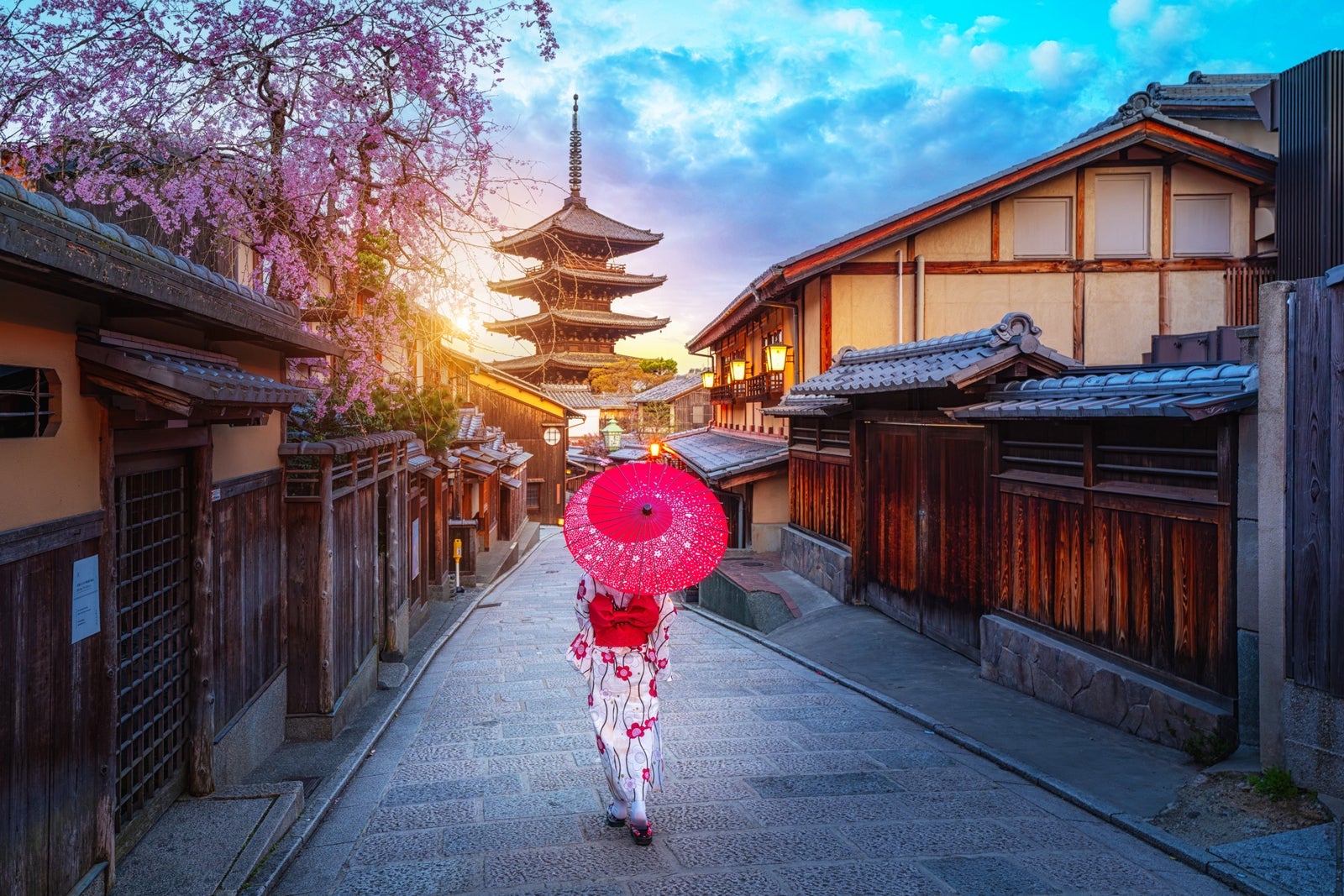
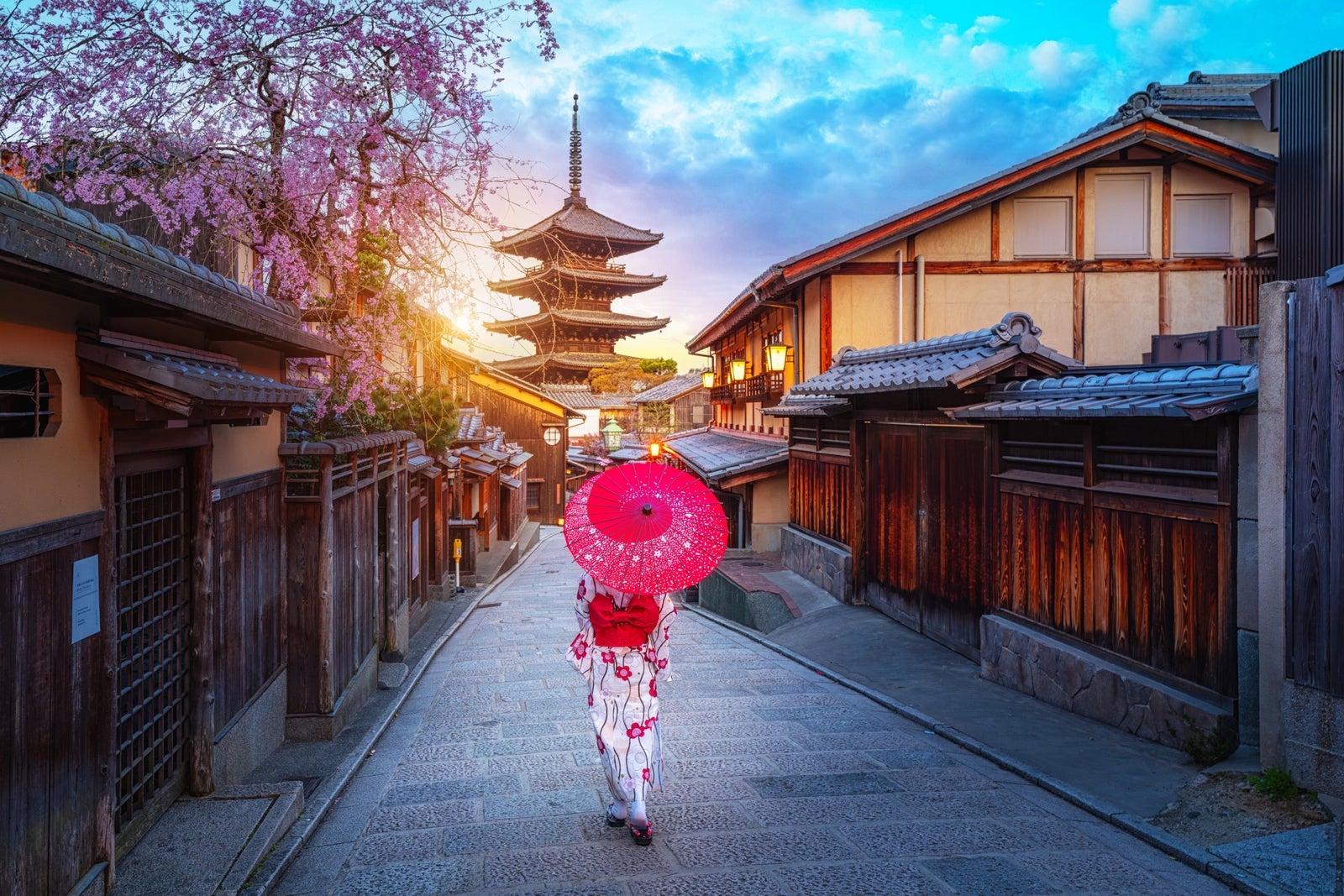
Kyoto has long been the crown jewel of Japanese tourism. Unlike the neon-lit, futuristic bustle of Tokyo or the gritty, culinary-driven energy of Osaka, Kyoto offers a window into Japan’s soul. It is home to 17 UNESCO World Heritage sites, including the iconic Kinkaku-ji (Golden Pavilion) and the sprawling Fushimi Inari-taisha with its thousands of vermilion torii gates. However, the city’s popularity has historically created a supply-demand imbalance in the hotel sector.
In recent years, Japan has experienced a historic tourism boom, fueled in part by a weak Yen and the post-pandemic resurgence of international travel. In 2024, Japan saw record-breaking visitor arrivals, with millions of travelers flocking to Kyoto. This influx has put immense pressure on the city’s lodging infrastructure. Historically, Kyoto’s hotel market has been dominated by domestic operators and traditional ryokans (inns). While these offer an authentic experience, many international travelers—particularly those from North America and Europe—prefer the familiarity, loyalty benefits, and standardized amenities provided by international chains.
By converting 14 hotels in "key districts," IHG is positioning itself to capture this high-value international segment. The properties are strategically located near major transportation hubs, including Kyoto Station, and within walking distance of major cultural attractions. This ensures that whether a guest is in the city for a quick 48-hour temple tour or a week-long immersion in Japanese arts, there is an IHG-branded room that fits their budget and location requirements.
The Power of the IHG-GCP Partnership
The scale of this deal is a testament to the deepening relationship between IHG and GCP Hospitality. Gaw Capital Group, the parent company of GCP, is known for its savvy real estate investments across the Asia-Pacific region. By partnering with IHG, Gaw Capital is essentially "future-proofing" its Kyoto assets.
Abhijay Sandilya, Managing Director of Japan & Micronesia for IHG Hotels & Resorts, emphasized that this deal is a response to a growing desire among property owners to tap into IHG’s sophisticated technological and marketing infrastructure. In a competitive market like Kyoto, having access to the IHG One Rewards loyalty program—which boasts over 130 million members worldwide—is a significant competitive advantage. For Gaw Capital, the conversion means their hotels will immediately appear on the screens of millions of travelers who prioritize booking within their preferred loyalty ecosystem to earn points and enjoy elite status benefits.
Diversifying the Kyoto Portfolio
Before this announcement, IHG already maintained a respectable presence in Kyoto, but it was somewhat polarized between budget and ultra-luxury. The current portfolio includes the budget-friendly Holiday Inn Kyoto Gojo and the premium ANA Crowne Plaza Kyoto. On the high end, the recently opened Six Senses Kyoto has set a new benchmark for luxury in the city, offering a holistic wellness experience that blends Japanese tradition with modern sustainability.
The addition of 14 new hotels, mostly in the Garner and Holiday Inn Express categories, fills the "missing middle." This is crucial for the long-term sustainability of tourism in Kyoto. As the city grapples with "overtourism," there is a concerted effort by local authorities to encourage longer stays and more diverse visitor profiles. By providing reliable midscale options, IHG allows a broader range of travelers—from families to digital nomads—to stay comfortably in the city center.
The Conversion Process and Guest Experience
The conversion of these 14 properties will be a phased rollout over the next 12 months. This "phased" approach allows for necessary renovations and rebranding without completely shutting down the city’s room supply. Renovations for Garner hotels typically focus on "high-impact" areas: the lobby, the bedding, and the digital infrastructure. Guests can expect refreshed interiors that align with Garner’s contemporary aesthetic—think clean lines, warm textures, and intuitive technology.
One of the most exciting aspects for travelers is the integration into the IHG One Rewards program. Once the hotels officially fly the IHG flag, members will be able to earn and redeem points for stays. Given Kyoto’s status as a "bucket list" destination, the ability to use points for a centrally located hotel in the Gion district or near the Imperial Palace is a massive win for loyalty enthusiasts. Furthermore, the inclusion of a Holiday Inn Express provides a "reliable" anchor for business travelers and those who value the brand’s signature complimentary breakfast.
Broader Implications for the Japanese Hotel Industry
This deal is a clear indicator that the Japanese hotel industry is undergoing a period of rapid professionalization and internationalization. For decades, many Japanese hotels operated under independent or local management, often relying on domestic travel agencies for bookings. However, the shift toward digital booking platforms and the global nature of modern travel have made it difficult for independent operators to compete.

The IHG-Kyoto deal may spark a trend of similar "portfolio conversions" across other Japanese cities like Fukuoka, Sapporo, and Nagoya. International brands bring not only guests but also global standards for sustainability, diversity in hiring, and service excellence. As Japan continues to aim for 60 million annual visitors by 2030, the presence of global giants like IHG will be essential in providing the necessary capacity and quality of service.
Looking Ahead: IHG’s Growth Trajectory
IHG’s expansion in Japan is part of a broader "asset-light" growth strategy in the Asia-Pacific region. By focusing on management and franchise agreements rather than owning the real estate, IHG can expand its footprint rapidly while minimizing capital risk. This Kyoto deal, specifically, showcases IHG’s ability to act as a strategic partner for large-scale institutional investors.
For travelers, the message is clear: Kyoto is becoming more accessible than ever for IHG loyalists. From the wellness-focused heights of the Six Senses to the efficient, value-driven comfort of the upcoming Garner properties, IHG is blanketing the city with options. As the first of these 14 hotels begin to open their doors in the coming months, they will offer a new gateway into the heart of old Japan, backed by the reliability and rewards of a global hospitality leader. Whether you are visiting for the cherry blossoms in the spring or the vibrant maples of autumn, your IHG One Rewards points are about to become significantly more valuable in the Land of the Rising Sun.
