
 By Titik Puspa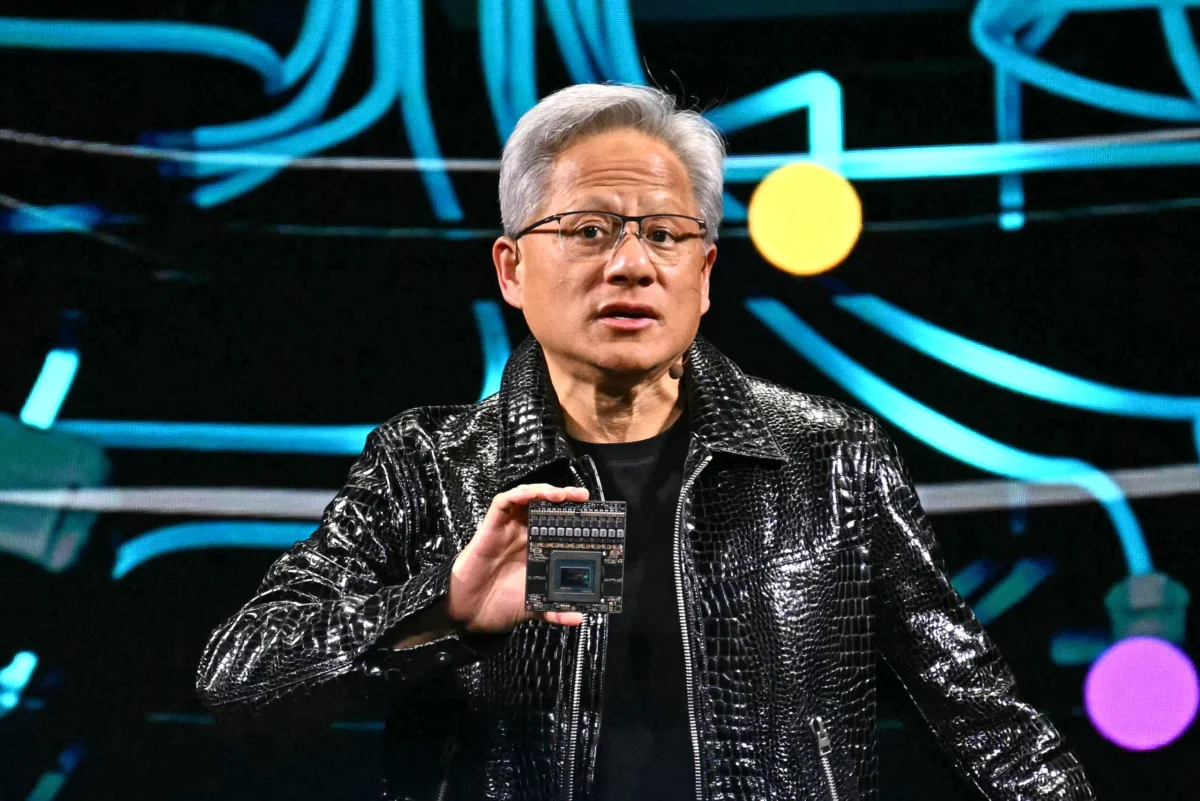
In a move that could dramatically reshape the artificial intelligence landscape, chip giant Nvidia has reportedly agreed to acquire Hugging Face, the preeminent open-source AI model repository, for a staggering $12.9 billion. The blockbuster deal, first reported by The Information late Wednesday night and corroborated by Business Insider, signals a significant strategic pivot for Nvidia and a substantial validation of the open-source AI movement. While a signed agreement has yet to be finalized, with Business Insider noting that talks could still falter, the sheer scale of the potential transaction underscores the immense value and influence Hugging Face has cultivated since its inception in 2016.
Nvidia’s silence on the matter, which TechCrunch noted is particularly telling given the company’s history of swiftly correcting inaccurate reports, has only amplified speculation surrounding the acquisition. For Hugging Face, the deal represents an exponential leap in valuation from its last known funding round. In 2023, the company secured $235 million at a valuation of $4.5 billion, a round that saw participation from major tech players including Salesforce Ventures, Alphabet’s GV, IBM Ventures, and notably, Nvidia itself. This latest reported valuation of $12.9 billion, or over $13 billion according to Business Insider, represents a nearly threefold increase in just over a year, highlighting the meteoric rise of the company and the surging demand for its platform.
The strategic rationale behind such a massive acquisition for Nvidia is multifaceted and deeply rooted in its efforts to maintain dominance in the fiercely competitive AI chip market. Hugging Face, with its vast library of open-source models, acts as a central nervous system for the global AI developer community. By acquiring it, Nvidia would gain an unparalleled foothold in this vibrant ecosystem, providing a critical counterbalance to the increasing trend of major AI labs developing their own proprietary silicon. Companies like OpenAI, Google, Amazon, and Anthropic are all actively investing in in-house chip development to reduce their reliance on Nvidia. A thriving open-source AI environment, nurtured and potentially influenced by Nvidia through Hugging Face, offers a compelling alternative for customers, thereby ensuring continued demand for Nvidia’s foundational hardware. This acquisition would further solidify Nvidia’s commitment to fostering open-source AI, a strategy it has already backed with tens of billions of dollars in investments.
This potential acquisition also marks a significant re-engagement for Nvidia in the cloud computing arena. The company had reportedly scaled back its own cloud offering, DGX Cloud, approximately a year ago. However, owning Hugging Face, which already facilitates the deployment of AI models on rented computing power, could provide Nvidia with a strategic avenue back into the cloud market without the need to build from the ground up. Hugging Face’s existing infrastructure and developer relationships would offer Nvidia an immediate and powerful presence in offering AI-as-a-service, leveraging its own hardware to power the vast array of models hosted on the platform.
Beyond strategic market positioning, the deal offers a crucial financial safety net for Nvidia. The company has made substantial commitments to cover cloud computing costs for its clients, potentially running into tens of billions of dollars. Should these clients not fully utilize their contracted computing power, Nvidia could be left with excess capacity. By integrating Hugging Face, Nvidia could offload this unused computing power to Hugging Face’s extensive customer base, transforming a potential liability into an asset and creating a synergistic revenue stream.
The immense valuation also speaks to Hugging Face’s impressive revenue growth. The Information reported that the company was recently generating approximately $150 million annually, a significant increase from roughly $100 million just two months prior. Hugging Face CEO, Clem Delangue, had previously indicated to TechCrunch that the company was "close to profitability." While this growth is substantial, a $13 billion valuation represents a significant multiple, suggesting that Nvidia is not only buying current revenue but also immense future potential and strategic control over a critical AI infrastructure component.
This is not the first time Nvidia has expressed strong interest in Hugging Face. The Financial Times previously reported that Hugging Face had declined a $500 million investment offer from Nvidia late last year, which would have valued the company at $7 billion. At that time, Hugging Face reportedly resisted the offer, citing a desire to avoid a dominant investor that could influence its strategic decisions. The current reported acquisition, however, represents a different dynamic. A full buyout, while ceding independent control, might be perceived as a less precarious scenario than taking on a single, powerful investor who could exert pressure for continued growth at all costs.
The timing of this potential acquisition also aligns with ongoing debates in Washington regarding the regulation of open-weight AI models. Hugging Face CEO Clem Delangue has been a vocal proponent of open-source AI, frequently aligning with Nvidia’s public stance on the matter. This has become particularly pertinent as concerns grow about the national security implications of advanced AI models, especially after Chinese labs have released powerful open-source models that rival those from leading U.S. companies at a fraction of the cost. Delangue, in a recent appearance on CBS’s "Face the Nation," highlighted how Hugging Face utilized an Nvidia-modified open-source model for defense against a cyberattack and pointed to a letter signed by Nvidia CEO Jensen Huang and other industry leaders, including Delangue himself, urging the U.S. government to support, rather than restrict, open models. In a separate CNBC interview, Delangue emphasized China’s growing dominance in open-source AI, further underscoring the strategic importance of Hugging Face’s platform in this global competition.
The competitive landscape for AI infrastructure is also intensifying, making this acquisition a defensive and offensive play for Nvidia. The recent acquisition of OpenRouter, an AI gateway startup founded in early 2023 that helps customers select and route AI models based on specific needs and budgets, by Stripe for a reported $7 billion (a significant jump from its $1.3 billion valuation in May), illustrates the rapid consolidation and increasing valuations within this sector. Hugging Face, by becoming part of Nvidia, would gain access to substantial capital to compete against such emerging and consolidating players, further solidifying its position and enabling it to offer more comprehensive solutions to its users. This move positions Nvidia to not only provide the chips but also a significant portion of the essential software and platform infrastructure that developers rely on, creating a more integrated and powerful offering.
The sheer magnitude of the reported $12.9 billion figure underscores a transformative moment for both Nvidia and the broader AI industry. It signifies a recognition of Hugging Face’s pivotal role in democratizing AI development and a strategic move by Nvidia to solidify its position at the heart of this revolution. As the industry grapples with questions of control, innovation, and national security, this acquisition could set a precedent for how major technological shifts are navigated, with open-source principles now potentially under the stewardship of one of the world’s most influential technology companies. The coming weeks will be critical in determining whether this landmark deal is finalized, but the implications of such a transaction are already reverberating through the tech world.
