
 By Lina Irawan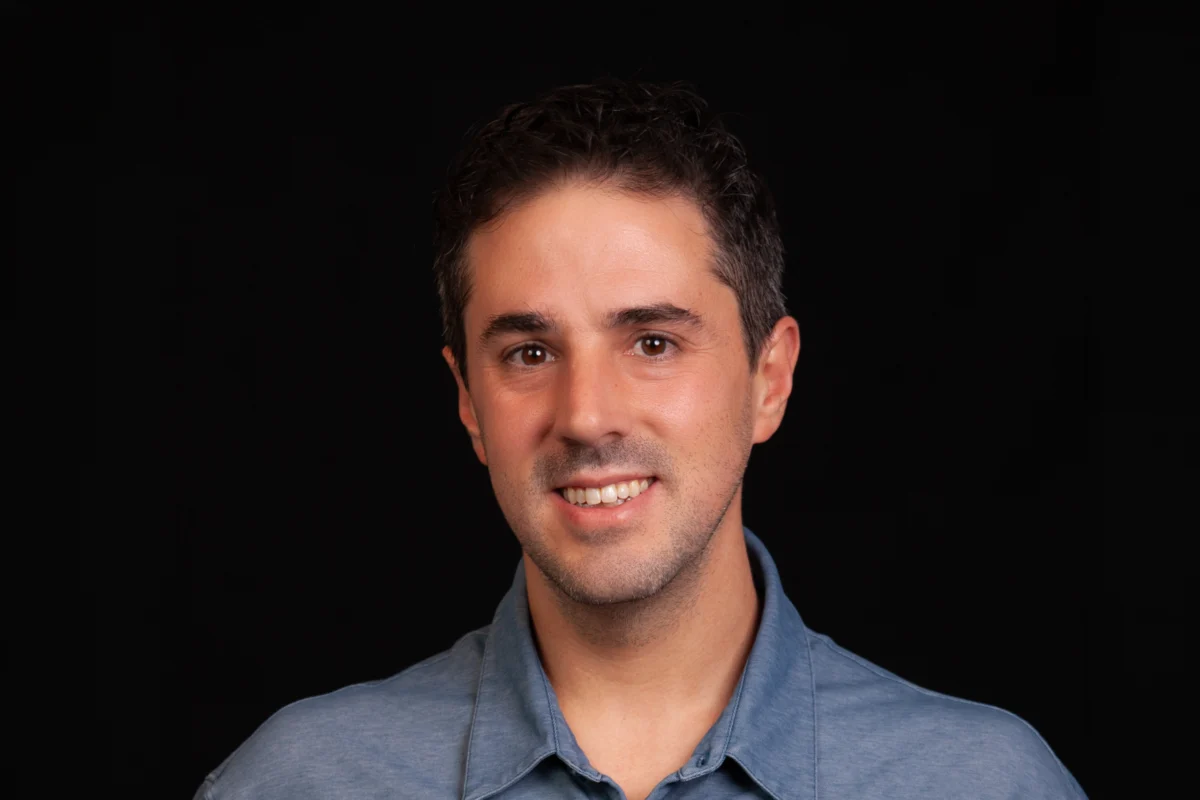
Stepping into David Tisch’s New York office is an immediate testament to this truth, presenting a scene that is both unexpected and utterly delightful. An entire wall, extending beyond its boundaries, is dedicated to an impressive display of Bearbricks – the iconic vinyl bear-like Japanese art-toys from Medicom Toy. These whimsical figures, ranging from monochrome and translucent designs to intricate camouflage and patchwork patterns, create a vibrant, slightly alien landscape. Tisch, the visionary co-founder of early-stage venture firm BoxGroup in 2008, possesses an astonishing collection of approximately 600 Bearbricks, each a small piece of pop culture art.
This striking visual immediately sparks a conversation about Tisch’s lifelong penchant for collecting, a habit that began in his formative years. As an 11-year-old, in the nascent days of the internet, his passion revolved around sports cards—hockey, baseball, basketball, and more. This childhood pursuit of identifying and acquiring valuable items, often at their earliest stages, remarkably mirrors his professional trajectory today: investing in nascent startups with the potential for exponential growth. In a recent monumental achievement, Tisch and BoxGroup have not just hit a home run, but a grand slam, validating this unique, collector-driven investment philosophy.
The crown jewel of Tisch’s extensive and diverse collection, however, is not a physical object that can be meticulously arranged on a shelf. It is the strategic, early-stage investment in AI coding startup Cursor. This month, Cursor made headlines with its acquisition by Elon Musk’s SpaceX for an astounding $60 billion, a transaction that has been widely recognized as the largest VC-backed acquisition of all time. This landmark deal underscores BoxGroup’s acumen and Tisch’s discerning eye for transformative potential.
The financial returns from this investment are nothing short of staggering. BoxGroup initially committed a $750,000 seed investment to Cursor CEO Michael Truell. Following this initial commitment, the firm made two subsequent follow-on investments, strategically deepening its stake. Sources familiar with the matter have indicated to Fortune that these cumulative investments are projected to yield BoxGroup a return of approximately $1 billion. This level of return represents the kind of generational success that most venture capitalists aspire to achieve over an entire career, firmly cementing BoxGroup’s reputation in the competitive landscape of early-stage investing.
For David Tisch, 45, this extraordinary success is not merely a financial triumph but a profound affirmation of his enduring philosophy. He views investing as an advanced form of collecting, where the careful construction of a portfolio and the calculated placement of bets echo the meticulous curation of physical collections. "Especially in early-stage investing," Tisch explains, "you’re buying something, someone, at the earliest stage, and then you get to see their careers play out." This perspective highlights the intrinsic human element at the heart of his investment strategy, transforming abstract financial decisions into a dynamic, unfolding narrative of talent and innovation.
Tisch, known for his warm demeanor laced with a sardonic wit, is also a scion of one of business’s most prominent families, the Tisch family behind Loews Corporation. Despite his illustrious background, he has carved out his own distinct path in the venture capital world. The Cursor acquisition serves as a powerful validation of the strategy he has diligently pursued: prioritizing the person being backed above all else. This foundational belief was critical in the Cursor deal, which was astutely sourced by then-principal Claire Smilow, now a partner at BoxGroup. The investment in 2022 was, therefore, a dual bet: a bet by Tisch on a promising young investor, Smilow, and her conviction in a young founder, Truell, whose initial concept seemed, at the time, somewhat unconventional.
"Michael’s original idea was to do AI for CAD [computer-aided design]," Tisch recounted. "The decision to get excited about investing in Cursor was never about AI for CAD. It was always about the people." This candid admission highlights BoxGroup’s unwavering focus on founder quality, leadership potential, and adaptability, rather than being solely swayed by market trends or initial product specifications. In a venture capital landscape often obsessed with buzzwords, hyper-growth metrics, and the allure of imminent exits, Tisch and BoxGroup’s narrative stands out. Their story is a powerful reminder that while the endgame is important, it is the beginnings—the identification of raw talent, the cultivation of innovative ideas, and the steadfast belief in human potential—that truly matter.
The Cursor acquisition, occurring amidst a period of intense focus on artificial intelligence, also provides a compelling case study for the broader venture capital ecosystem. The AI sector has witnessed an unprecedented surge in investment, as startups promise to revolutionize industries from healthcare to semiconductor design. BoxGroup’s early bet on Cursor exemplifies the potential rewards for VCs willing to identify and nurture foundational AI technologies.
The Broader Investment Landscape: Beyond BoxGroup’s Triumph
While the Cursor acquisition dominates recent headlines, the broader venture capital and private equity markets continue to buzz with activity, reflecting diverse trends and strategic maneuvers across various sectors. These investments and exits paint a picture of ongoing innovation, consolidation, and capital allocation, particularly within the burgeoning AI space, health technology, and sustainable energy.
Venture Capital Highlights:
The AI revolution continues to attract significant capital, with several firms raising substantial rounds to push the boundaries of intelligent systems. Deep Cogito, a San Francisco-based research lab dedicated to developing open AI reasoning models that improve through iterative training, successfully raised $43 million in Series A funding. This round was led by TQ Ventures, with notable participation from Benchmark, Nexus Venture Partners, Atreides Management, and others. Deep Cogito’s mission aligns with the industry-wide pursuit of more robust and adaptable AI, promising advancements that could democratize access to sophisticated reasoning capabilities.
In the health technology sector, AI is proving to be a critical tool for optimizing complex processes. Faro AI, a San Diego, California-based company, secured $37.3 million in Series B funding for its AI platform, which assists biopharma companies in designing and executing more efficient clinical trials. The investment, co-led by Merck Global Health Innovation Fund and Section 32, underscores the growing recognition of AI’s potential to accelerate drug discovery and patient care pathways, ultimately bringing life-saving treatments to market faster.
Sustainable energy solutions also remain a key area for investment. Voya Energy, headquartered in Hayward, California, raised $35 million to advance its aluminum-fueled generators. These innovative generators are designed to provide off-grid, on-demand electricity, addressing critical needs in remote areas and emergency situations. Energy Impact Partners led the round, joined by Mantis VC, StepStone, and others, signaling strong investor confidence in decentralized and clean power generation technologies.
The foundational technology of semiconductors continues to be a strategic focus. Celera Semiconductor, a Santa Clara, California-based designer of analog chips, secured $30 million in Series B funding from Maverick Silicon. Analog chips are crucial components in a vast array of electronic devices, and Celera’s funding highlights the ongoing demand for specialized hardware to power the next generation of computing and AI.
Healthcare administration is also undergoing an AI-driven transformation. Arintra, a San Francisco-based developer of AI software, raised $25 million in Series B funding. Its platform helps health systems code medical records, prevent claim denials, and improve reimbursement efficiency. Define Ventures led the round, with continued support from existing investors like Peak XV Partners, Yale New Haven Health (YNHH) Center for Health Care Innovation, and Endeavor Health Ventures, demonstrating the tangible value AI brings to operational efficiency in healthcare.
The semiconductor design workflow itself is being optimized by AI. Agentrys, a San Jose, California-based company, raised $24.5 million across two rounds: a $19.1 million seed round led by Etna Labs and a $5.4 million pre-seed round led by MediaTek. Agentrys’ AI software automates and enhances semiconductor-design processes, promising to reduce development cycles and costs for complex chip designs.
Small businesses are not being left behind in the AI adoption curve. Runable, a Dover, Delaware-based developer, secured $21 million in Series A funding for its AI agent platform. This platform empowers small businesses to create content, conduct research, and automate various operational tasks, democratizing access to AI tools. Susquehanna Venture Capital and Nexus Venture Partners co-led this round, recognizing the immense market potential in serving the vast small business segment.
Mental health care quality and outcomes are also being addressed through AI. Onos Health, a San Francisco-based company, raised $17 million in Series A funding for its AI software, which helps health plans analyze behavioral-health care quality, utilization, and outcomes. Costanoa led the round, joined by Flare Capital Partners and CVS Health Ventures, indicating a strategic push to leverage data for better mental health interventions.
Finally, the adoption of AI is expanding globally, particularly in emerging markets. Primero, a Mexico City, Mexico-based provider of AI implementation and transformation services for businesses in Latin America, raised $12 million in seed funding. This round was co-led by General Catalyst and Kaszek, with participation from Definition, Conviction, and 8VC, highlighting the growing demand for AI solutions and expertise in Latin America.
Private Equity and Exits:
Beyond venture capital, the private equity landscape continues to see significant consolidation and strategic M&A. Victory Capital Holdings announced its agreement to acquire First Eagle Investments, a New York City-based investment management firm, from Genstar Capital and First Eagle employees for approximately $7 billion. This substantial transaction reflects ongoing consolidation within the financial services industry, as firms seek to expand assets under management and diversify their offerings.
In the exits market, Nayax acquired IPS Group, a San Diego, California-based provider of smart parking meters, payment systems, and related software, for $350 million on a cash-free, debt-free basis. This acquisition by Nayax, a global payment and management solutions provider, indicates a strategic move to integrate and expand its presence in the urban mobility and unattended retail sectors.
Industrial Physics, backed by KKR, acquired Vitrek, a Lockport, Illinois-based manufacturer of electrical-safety testing and precision-measurement equipment, from Branford Castle Partners. While financial terms were not disclosed, this deal strengthens Industrial Physics’ portfolio in specialized testing and measurement solutions, crucial for quality control across various manufacturing industries.
Other Strategic Acquisitions:
Smaller, but equally strategic, acquisitions also continue to shape market dynamics. Numa acquired SocketTime, a provider of shop-management software tailored for automotive service departments. This acquisition, for which financial terms were not disclosed, likely enables Numa to enhance its offerings to the automotive service industry, streamlining operations and improving customer experience.
In essence, David Tisch’s journey from a childhood collector of sports cards to a venture capital titan whose firm just landed a $1 billion return on Cursor encapsulates a timeless truth: the power of early belief. In a market often driven by fleeting trends and the pursuit of quick returns, BoxGroup’s success with Cursor serves as a compelling narrative about the enduring value of backing exceptional individuals and nurturing their visions from their earliest, most nascent stages. It is a powerful testament that in the intricate dance of innovation and investment, beginnings truly do matter.
