
 By admin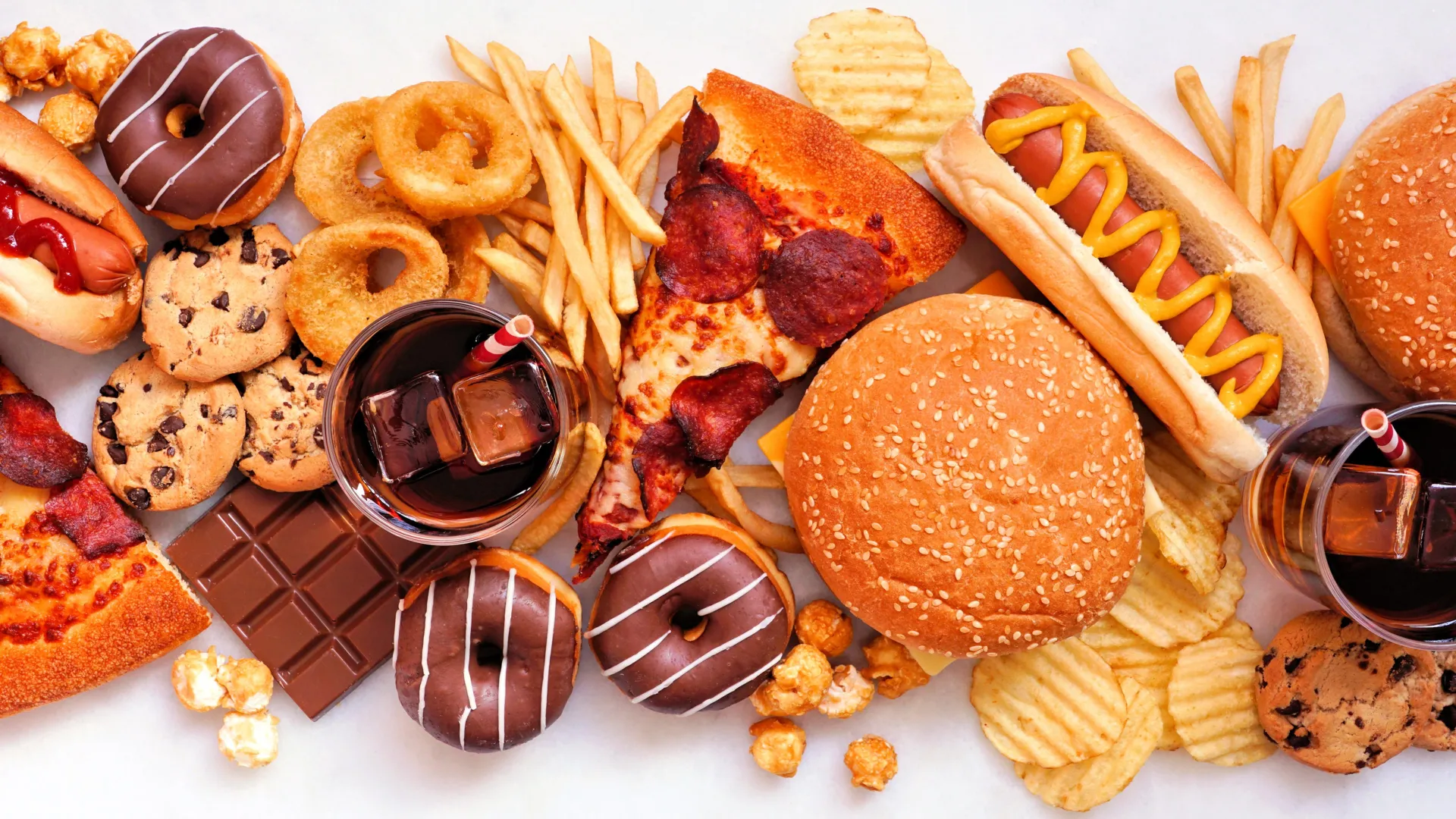
A burgeoning body of scientific research has progressively linked increased consumption of these highly processed products to a spectrum of adverse health outcomes. Scientists have meticulously proposed several intricate biological pathways through which UPFs could potentially contribute to the development and progression of various cancers. These mechanisms include the disruption of metabolic processes, leading to insulin resistance and altered hormone levels; the promotion of chronic inflammation and oxidative stress, which can damage cellular DNA; and significant alterations to the gut microbiome, impacting immune function and nutrient absorption. While the evidence base for UPFs and overall cancer risk has been growing, until recently, surprisingly little direct evidence had specifically explored whether a high intake of these foods is associated with prostate cancer in men.
Higher UPF Intake Linked to Prostate Cancer: A Groundbreaking Study
This critical gap in understanding has now been addressed by new research emanating from Florida Atlantic University’s Charles E. Schmidt College of Medicine, which strongly suggests that men who habitually consume greater quantities of UPFs may face a significantly elevated risk of developing prostate cancer. This finding is particularly salient given the immense public health burden of prostate cancer in the United States and worldwide. In the U.S., prostate cancer stands as the most commonly diagnosed cancer among men, with hundreds of thousands of new cases annually, and tragically ranks second only to lung cancer as a cause of cancer-related mortality in the male population. Globally, the disease affects millions, underscoring the urgency of identifying modifiable risk factors.
The comprehensive study, meticulously published in the prestigious journal The American Journal of Medicine, leveraged a robust dataset from 17,024 U.S. men aged 18 and older. These participants were drawn from the National Health and Nutrition Examination Survey (NHANES) over a substantial period spanning two decades, from 2003 to 2023. NHANES is a unique program of studies designed to assess the health and nutritional status of adults and children in the United States, combining interviews, physical examinations, and biochemical tests. Its nationally representative sample size and longitudinal data collection make it an invaluable resource for public health research, providing a powerful platform for investigating long-term dietary patterns and disease outcomes.
To accurately estimate UPF consumption, the research team employed a rigorous methodology involving two 24-hour dietary recalls from each participant. This method, while reliant on self-reporting, is a standard epidemiological tool where trained interviewers collect detailed information on all foods and beverages consumed by an individual over a 24-hour period. By collecting two non-consecutive days of recall, researchers can capture a more representative picture of usual dietary intake and account for day-to-day variability. The foods reported were then meticulously classified using the validated and widely recognized NOVA system. The NOVA classification, developed by researchers at the University of São Paulo, categorizes foods based on the nature, extent, and purpose of industrial processing rather than solely on nutrient content. It divides foods into four groups: (1) unprocessed or minimally processed foods, (2) processed culinary ingredients, (3) processed foods, and (4) ultra-processed foods. This system provides a nuanced framework for understanding the impact of industrial food transformation on health. Based on their dietary recall data, participants were then stratified into four distinct groups, ranging from those who obtained less than approximately 20% of their daily caloric intake from UPFs to those whose diets comprised more than 44% UPFs, representing the highest consumption quartile.
Prostate Cancer Risk Rose by About 30%: Unpacking the Statistics
The findings presented a stark and concerning picture. When compared with men in the lowest UPF consumption group (those consuming less than 20% of their calories from UPFs), individuals in the three higher intake groups demonstrated a statistically significant 29% greater risk of developing prostate cancer. The risk was even more pronounced for men situated in the two highest consumption groups, where the likelihood of prostate cancer increased by an average of 30%. This suggests a clear dose-response relationship, where higher exposure to UPFs correlates with a greater risk.
Crucially, the robustness of these findings was tested through a series of statistical adjustments. The association between UPF intake and prostate cancer risk remained statistically significant even after researchers carefully controlled for a range of confounding variables, including age, race and ethnicity, smoking status, and poverty status. These adjustments are vital in epidemiological studies to isolate the specific effect of the exposure of interest (UPFs) by accounting for other factors that might independently influence the outcome (prostate cancer). Following these comprehensive adjustments, the increased risk associated with higher UPF consumption ranged from 24% to 31%, reaffirming the independent and substantial nature of the observed link.
While the study indicated a possible 34% increase in prostate cancer risk among men in the single highest intake group, this specific result did not quite reach the threshold for statistical significance. The researchers candidly acknowledged that this might be attributed to the relatively smaller number of prostate cancer cases within that particular sub-group, which could limit the statistical power to detect a significant effect at that extreme level of consumption. Nevertheless, the consistent trend across multiple higher consumption groups provides compelling evidence.
Dr. Charles H. Hennekens, M.D., FACPM, FACC, a highly respected figure in medicine and preventive medicine, and the senior author of the study, remarked on the gravity of these findings. "Among adult men in this nationally representative U.S. population, those who consumed higher amounts of UPFs had significantly higher risks of the subsequent development of prostate cancer," he stated. Dr. Hennekens, who holds the distinguished title of the First Sir Richard Doll Professor of Medicine and Preventive Medicine in the Department of Medicine and the Department of Population Health at FAU’s College of Medicine, underscored the broader implications: "These findings add to emerging evidence that UPFs have major adverse health effects and underscore the need for large-scale observational studies and randomized trials to adequately test the hypothesis." His call for further research highlights the scientific community’s commitment to rigorous investigation, especially when faced with findings of such significant public health relevance.
Growing Health Concerns Around Ultra-Processed Foods: A Multifaceted Threat
The link to prostate cancer is but one piece in a growing mosaic of health concerns associated with UPFs. Previous extensive research has consistently connected greater consumption of these industrially concocted foods with a higher prevalence of overweight and obesity, which themselves are major risk factors for numerous chronic diseases. Beyond weight gain, UPFs have been implicated in the development of metabolic syndrome – a cluster of conditions including high blood pressure, high blood sugar, excess body fat around the waist, and abnormal cholesterol levels – which dramatically increases the risk of heart disease, stroke, and type 2 diabetes. Studies have also shown elevated inflammatory markers in individuals with high UPF intake, indicating chronic low-grade inflammation that is a precursor to many diseases. Furthermore, the consumption of UPFs has been directly linked to an increased risk of cardiovascular disease, particularly acute events such as heart attacks and strokes, and has been identified as a contributing factor to premature mortality from all causes.
The authors of the FAU study position their new findings within a broader, urgent public health debate, arguing that the priorities of the food industry frequently diverge from, and indeed conflict with, the fundamental health needs of the U.S. population. They draw a powerful and sobering parallel to the history of tobacco, noting that irrefutable evidence about the profound dangers of cigarettes began to accumulate steadily in the middle of the previous century. Yet, despite clear scientific consensus, decades elapsed before the overwhelming weight of this evidence, coupled with the tireless advocacy of forward-thinking public health officials and activists, translated into comprehensive policies aimed at significantly reducing smoking rates. The researchers express a compelling belief that ultra-processed foods may be tracing a remarkably similar trajectory, suggesting that society is at a critical juncture in confronting another pervasive, industrially driven health threat.
Addressing the pervasive influence and consumption of UPFs presents a formidable public health challenge. Dr. Timothy De Ver Dye, Ph.D., co-author of the study and professor and chair of FAU’s Department of Population Health, articulated this complexity: "Reducing consumption of UPFs is a complex public health challenge, particularly given how prevalent and accessible these products are." He emphasized a crucial socioeconomic dimension, stating, "Healthcare providers should recognize that many patients face barriers to accessing and affording healthier food options. Addressing these challenges will require efforts that extend beyond individual choices to support greater access to nutritious, minimally processed foods." This perspective underscores the systemic nature of the problem, moving beyond individual blame to acknowledge the deep-seated structural inequities that limit healthy food access for large segments of the population, particularly in "food deserts" and low-income communities. Solutions, therefore, must involve policy interventions, such as subsidies for fresh produce, restrictions on marketing of unhealthy foods to children, and improved food labeling, alongside educational initiatives.
A Major Cancer Burden in the U.S. and Worldwide: The Imperative for Action
Prostate cancer remains an immense health concern, not only within the United States but across the globe. The American Cancer Society (ACS) projects that in 2026 alone, an estimated 333,000 men in the U.S. will be diagnosed with prostate cancer, and tragically, more than 36,000 will succumb to the disease. These statistics underscore the ongoing need for both preventive strategies and advancements in early detection and treatment.
On a global scale, the International Agency for Research on Cancer (IARC) reported that nearly 1.5 million men received a prostate cancer diagnosis in 2022, and close to 400,000 men died from the disease in that same year. These staggering worldwide figures highlight the universal impact of prostate cancer and the potential for dietary factors, especially the increasing global adoption of Westernized, UPF-heavy diets, to influence its incidence and mortality rates across diverse populations.
In light of these findings and the broader health implications, Dr. Hennekens offers a clear call to action for the medical community and the public. "All healthcare professionals should encourage patients to adopt healthy lifestyle practices and evidence-based therapies, while also helping them reduce their consumption of ultra-processed foods," he urged. This multifaceted approach emphasizes both individual responsibility and the supportive role of healthcare providers in guiding patients toward better health choices. He further advised, "Patients and their healthcare providers should consider this finding as part of broader efforts to promote healthier dietary choices." This sentiment reinforces the idea that dietary modifications, particularly reducing UPF intake, should be integrated into comprehensive health and wellness strategies.
The collaborative nature of this significant research is also worth noting. Study co-authors included FAU medical students Hunter Scott and John Dunn, alongside Yanna Willett, a doctoral student affiliated with the University of Oxford in the United Kingdom. Their contributions highlight the interdisciplinary effort and the importance of nurturing the next generation of researchers in addressing complex public health challenges. The findings from this study represent a crucial step forward in understanding the profound and far-reaching health consequences of ultra-processed foods, reinforcing the urgent need for both individual dietary shifts and systemic public health interventions to safeguard population well-being.
