
 By admin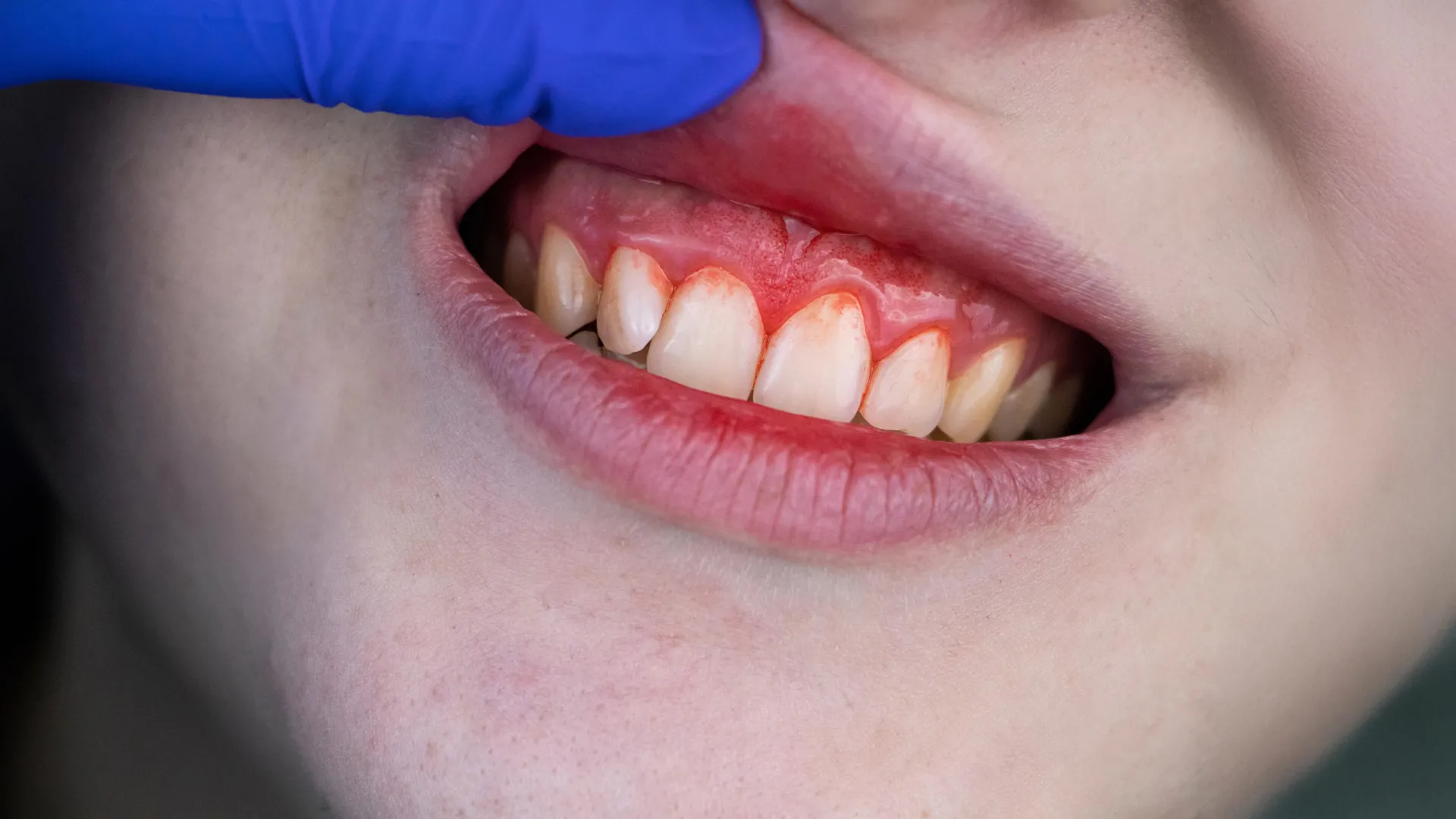
The study, spearheaded by researchers affiliated with Albert Einstein Israelite Hospital, Guarulhos University (UNG), the University of Taubaté (UNITAU), and the Ribeirão Preto School of Dentistry at USP (FORP-USP) in Brazil, alongside Harvard University in the United States, published its compelling findings in the prestigious Journal of Periodontology. The results suggest a paradigm shift in how severe periodontitis might be managed, moving beyond traditional antimicrobial approaches to embrace therapies that modulate the body’s own inflammatory response.
Understanding the Scourge of Severe Periodontitis
Periodontitis is not merely a localized gum issue; it is a chronic inflammatory disease with systemic implications, affecting millions worldwide. It initiates when bacterial biofilms, or plaque, accumulate below the gumline. If left untreated, these bacteria trigger an aggressive immune response, leading to persistent inflammation that progressively destroys the supporting tissues around the teeth. This includes the periodontal ligament, which anchors the tooth to the bone, and eventually the alveolar bone itself.
In its advanced stages, characterized by "severe periodontitis," the destruction is profound. Deep periodontal pockets form between the gums and teeth, acting as persistent reservoirs for pathogenic bacteria. This ongoing inflammation and tissue loss lead to tooth loosening, pain, difficulty chewing, and, ultimately, tooth loss. Beyond oral health, severe periodontitis has been linked to various systemic conditions, including cardiovascular disease, diabetes, and adverse pregnancy outcomes, underscoring its broader impact on overall health and quality of life.
"Patients with severe disease have very deep pockets, which act as reservoirs for bacteria associated with the disease. It’s a very challenging condition to treat," explains dental surgeon Nídia Cristina Castro dos Santos, the first author of the study and a professor and researcher at Einstein. Current treatments typically involve mechanical removal of bacteria and calculus (scaling and root planing), often supplemented with antibiotics in severe or aggressive cases. However, the reliance on antibiotics brings its own set of concerns, particularly in the current global health landscape.
The Urgent Need for Antibiotic Stewardship
The potential for an effective non-antibiotic treatment for severe periodontitis comes at a critical juncture in global public health. Antibiotic resistance is widely recognized by organizations like the World Health Organization (WHO) and the Centers for Disease Control and Prevention (CDC) as one of the most pressing global health threats of our time. This phenomenon occurs when bacteria evolve and develop the ability to defeat the drugs designed to kill them, making infections harder, and sometimes impossible, to treat.
The overuse and misuse of antibiotics, both in human medicine and agriculture, are primary drivers of this crisis. Each time antibiotics are used, bacteria are exposed, and resistant strains have an opportunity to survive, multiply, and spread. This leads to longer hospital stays, increased medical costs, and, tragically, higher mortality rates from previously treatable infections. In dentistry, antibiotics are frequently prescribed for various conditions, including periodontitis, contributing to the overall burden of resistance. Therefore, identifying effective alternative treatments that can reduce or eliminate the need for antibiotics is not just beneficial for individual patients but is a crucial public health imperative. The researchers explicitly state that their findings "could eventually help reduce antibiotic use in selected patients, an important consideration as bacterial resistance becomes an increasingly serious global health problem."
A Rigorous Clinical Study Design
The clinical study, generously supported by FAPESP (projects 20/05874-2 and 20/05875-9), enrolled 109 individuals diagnosed with advanced periodontitis and followed them for a full year. The study participants were carefully selected, ensuring they did not have significant systemic or other oral diseases, which allowed the researchers to isolate the effects of the treatments on periodontitis itself.
All participants initially received subgingival instrumentation, commonly known as scaling and root planing. This standard, non-surgical procedure is fundamental to periodontitis treatment, involving the meticulous removal of bacterial plaque, toxins, and calculus (hardened plaque) from below the gumline. This process helps to reduce inflammation and allows the gums to reattach to the tooth surface.
Following this baseline treatment, the participants were randomly assigned to one of four distinct groups, each receiving a different additional treatment strategy:
- Control Group: Participants in this group received placebo versions of antibiotics, omega-3, and ASA. These placebos were meticulously packaged in capsules that mirrored the appearance of the active treatments, ensuring blinding and minimizing bias. This group served as the benchmark to evaluate the efficacy of scaling alone.
- Antibiotic Group: This group received a conventional, evidence-based antibiotic regimen: metronidazole and amoxicillin. This combination is well-established in the scientific literature for its efficacy in severe periodontitis. Patients adhered to a regimen of taking these antibiotics three times per day for a duration of 14 days.
- Omega-3 and ASA Group: This innovative group received a daily dose of three grams of omega-3 fatty acids (typically a blend of EPA and DHA) combined with a daily low-dose aspirin (acetylsalicylic acid) for a period of six months.
- Combination Group: This group received both approaches: the two-week course of metronidazole and amoxicillin antibiotics, followed by the six-month regimen of omega-3 and low-dose ASA. This arm was designed to assess whether combining the two distinct strategies would yield superior results.
Researchers meticulously assessed the participants’ periodontal health at three, six, and twelve months after the initial treatment. The primary clinical target established by the researchers was defined as having no more than four remaining deep periodontal pockets, indicating significant improvement and disease control.
Remarkable Results: Omega-3 and Aspirin Match Antibiotics
The findings, after a year of follow-up, were nothing short of remarkable and challenged existing assumptions about periodontitis treatment.
- Antibiotic Group: Approximately 58% of patients treated with the conventional antibiotic regimen (metronidazole and amoxicillin) successfully reached the clinical target of having no more than four remaining deep periodontal pockets. This outcome reaffirms the established efficacy of antibiotics in severe cases.
- Omega-3 and ASA Group: Strikingly, the group receiving omega-3 and low-dose ASA achieved a nearly identical result, with 57.7% of participants meeting the same clinical goal. This near-perfect match in efficacy between a host-modulating therapy and a potent antibiotic regimen was a pivotal discovery.
- Control Group: In stark contrast, only 23.1% of patients who received scaling plus placebo met the clinical goal. This substantial difference underscores the critical role of adjunctive therapies in managing severe periodontitis beyond mechanical debridement alone.
- Combination Group: Perhaps one of the most surprising findings was that using antibiotics together with omega-3 and ASA did not produce any additional benefit over either strategy alone. This suggests that the mechanisms of action might converge or that a ceiling effect for treatment response was reached, rather than a synergistic enhancement.
"The use of antibiotics isn’t considered the gold standard of treatment. Although metronidazole and amoxicillin yield good results in the most severe cases, their use should be evaluated on a case-by-case basis due to risks related to bacterial resistance and possible adverse effects," notes Castro dos Santos, highlighting the nuanced approach required in prescribing antibiotics. This perspective reinforces the value of effective alternatives.
The Science of Inflammation Resolution: Omega-3 and ASA’s Mechanism
The impressive performance of omega-3 and ASA lies in their unique mechanism of action, which fundamentally differs from traditional anti-inflammatory drugs. Conventional non-steroidal anti-inflammatory drugs (NSAIDs) primarily block specific inflammatory pathways, effectively suppressing symptoms but not necessarily resolving the underlying inflammation. Omega-3 fatty acids, particularly eicosapentaenoic acid (EPA) and docosahexaenoic acid (DHA), are precursors to a class of powerful endogenous mediators known as Specialized Pro-resolving Mediators (SPMs). These include resolvins, protectins, and maresins.
Instead of merely suppressing inflammation, SPMs actively orchestrate its resolution. They promote the clearance of inflammatory debris, inhibit neutrophil infiltration, stimulate macrophage efferocytosis (the removal of apoptotic cells), and encourage tissue regeneration. In essence, omega-3 helps the body naturally bring inflammation to an end and facilitate healing.
Low-dose acetylsalicylic acid (ASA), or aspirin, was included in the regimen because it is known to enhance the production of these inflammation-resolving molecules. Specifically, aspirin can acetylate cyclooxygenase-2 (COX-2) enzymes, which then switch their activity from producing pro-inflammatory prostaglandins to synthesizing aspirin-triggered resolvins (ATRs) and lipoxins. These molecules further amplify the body’s natural "stop signals" for inflammation.
"We imagined that the combination of antibiotics and omega-3 would be most effective in controlling periodontitis in these patients. We also believed that the results for the group that used omega-3 with ASA would be slightly lower than those for the antibiotic group. The result was surprising because the two therapies performed very similarly, paving the way for it to become a treatment option for these patients," Castro elaborates, underscoring the unexpected yet highly positive outcome. This host-modulatory approach aims to restore immune homeostasis rather than solely targeting bacteria.
Building on Prior Evidence: From Animal Models to Humans
The current human clinical trial findings are not isolated but build upon a foundation of previous research, particularly an earlier FAPESP-supported study published in Scientific Reports. That study, conducted on an animal model (rats), investigated the role of omega-3 supplementation in reducing inflammation and bone loss associated with periodontal disease. It found that omega-3 significantly mitigated the inflammatory response and preserved bone structure. The effect was even more pronounced when supplementation was combined with physical exercise, suggesting a multifaceted influence on metabolic and inflammatory pathways.
While animal studies provide crucial mechanistic insights, they cannot definitively establish efficacy in humans. However, this prior research offered compelling evidence that omega-3 could indeed influence the complex inflammatory processes involved in oral diseases, laying the groundwork for the human trial. The successful translation of these findings into a clinical setting strengthens the scientific rationale for omega-3’s therapeutic potential in periodontitis.
Long-Lasting Benefits: A Shift in Inflammatory Response
One of the most intriguing aspects of the study was the persistence of the observed benefits. Participants who had taken omega-3 and ASA continued to show results similar to those seen at the end of their six-month supplementation period, even six months after the treatment had stopped. This sustained effect is highly significant for a chronic disease like periodontitis, which often requires ongoing management.
According to Castro, this long-term efficacy raises the fascinating possibility that changing the way the body responds to inflammation—by enabling it to actively resolve rather than just suppress—could produce more durable and fundamental benefits. Researchers are actively investigating the precise mechanisms behind this sustained effect, including potential epigenomic reprogramming of immune cells or long-term shifts in the local microbial environment. Such a sustained resolution could revolutionize the long-term management of periodontitis, reducing the frequency of interventions and improving patient outcomes.
For dental surgeon Magda Feres, the lead author of the study and a full professor at the Harvard School of Dental Medicine and the Graduate Program in Dentistry at UNG, the results are clear: "The combination of omega-3 and low-dose aspirin achieved clinical benefits comparable to those of the metronidazole and amoxicillin protocol, opening up a real alternative for those who can’t take antibiotics, especially patients with allergies or intolerance to these medications." This underscores the immediate practical implications for a subset of patients who currently have limited options.
A Crucial Step Towards Antibiotic Stewardship
The potential to effectively treat severe periodontitis without relying on antibiotics is profoundly relevant in the context of the global antibiotic resistance crisis. By demonstrating that modulating the host’s inflammatory response can achieve similar outcomes to direct bacterial eradication, this study offers a viable pathway to reduce unnecessary antibiotic prescriptions in dentistry.
"Demonstrating that it’s possible to treat severe periodontitis by modulating the body’s own response is new and relevant information that helps preserve antibiotics for when they are truly indispensable," Feres emphasizes. This finding aligns perfectly with global health strategies promoting antibiotic stewardship—responsible use of antibiotics to preserve their effectiveness for future generations. Reducing the selective pressure on bacteria will slow the emergence and spread of resistant strains, ensuring that these life-saving drugs remain effective for critical infections.
Cautious Optimism and Future Directions
Despite the highly promising results, the researchers wisely urge "cautious optimism." They emphasize that omega-3 and aspirin should not yet be viewed as a routine, universal replacement for antibiotics in all cases of severe periodontitis. The clinical trial, while robust, focused on patients without significant systemic or other oral diseases.
Therefore, additional studies are crucial to:
- Broaden Patient Populations: Determine whether these findings hold true in more diverse populations, including individuals with comorbidities such as diabetes, cardiovascular disease, or compromised immune systems, who often present with more complex forms of periodontitis.
- Personalized Medicine: Establish clear criteria for which patients are most likely to benefit from each treatment strategy, paving the way for personalized medicine approaches in periodontology.
- Microbiological Insights: Researchers are currently conducting in-depth microbiological analyses to understand the precise shifts in bacterial communities within periodontal pockets during and after treatment. Preliminary findings are intriguing, suggesting that the therapies may reduce the prevalence of bacterial species associated with periodontal disease while simultaneously increasing microorganisms linked to healthier gums, indicating a shift towards a more symbiotic oral microbiome.
"It’s an important step forward, but not the end of the story," concludes Feres. "Therefore, the message is one of cautious optimism: we have a promising, scientifically plausible alternative to antibiotics in select cases. Routine replacement will require more evidence."
This study marks a significant milestone in periodontology, offering a novel, host-modulatory approach to a challenging chronic disease. By harnessing the body’s natural capacity to resolve inflammation, the combination of omega-3 and low-dose ASA presents a powerful, non-antibiotic alternative. While more research is undoubtedly needed to translate these findings into widespread clinical practice, this work opens exciting new avenues for treatment, promising not only improved oral health outcomes for patients but also a vital contribution to the global effort against antibiotic resistance. The future of periodontitis treatment may well lie in working with the body, rather than solely against the bacteria.
