
 By admin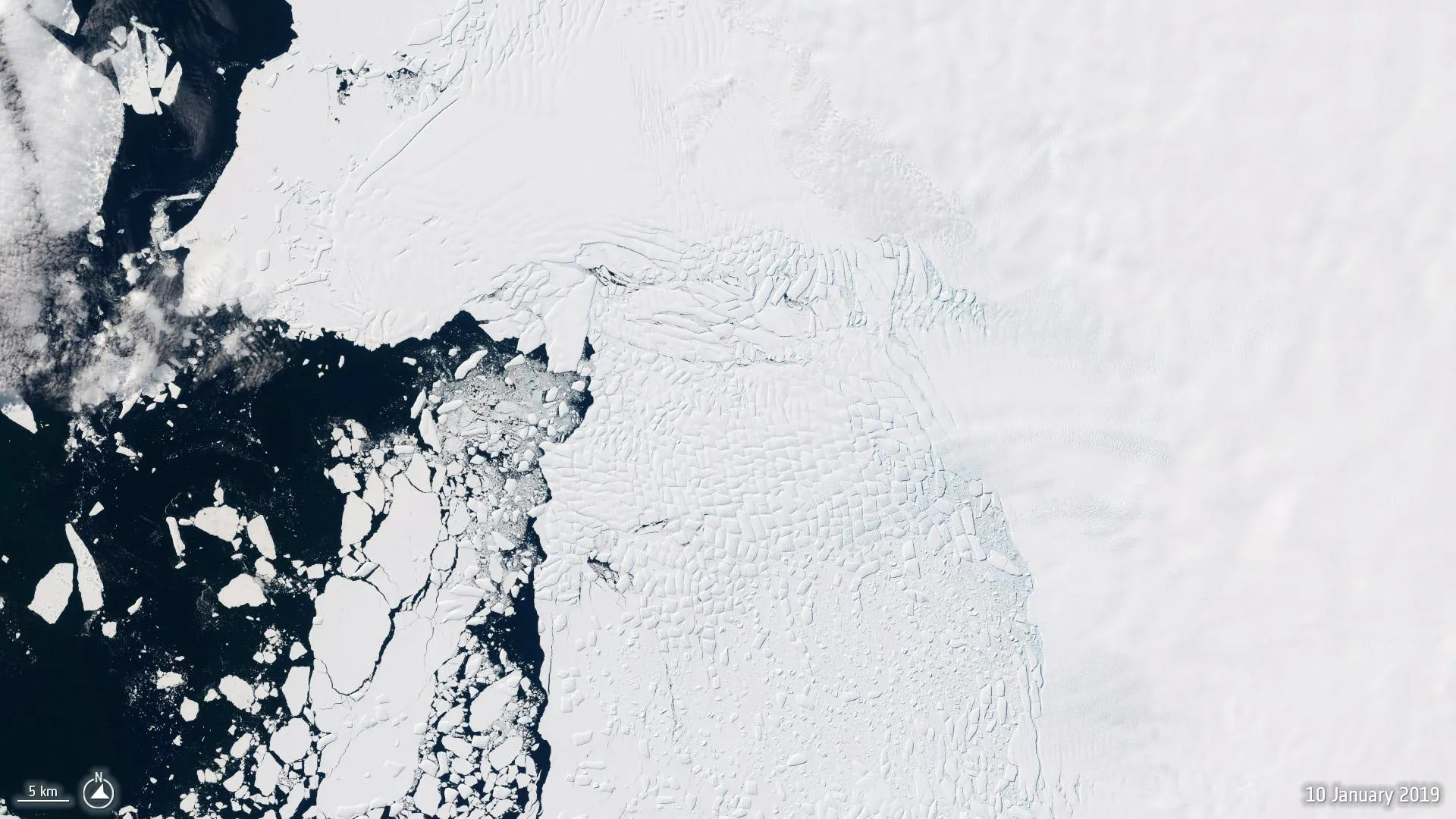
Until recently, evidence of these distinctive seismic events in Antarctica, the Earth’s largest and most enigmatic ice sheet, has been remarkably scarce. However, a groundbreaking study published in Geophysical Research Letters by this author now presents compelling evidence for hundreds of these glacial earthquakes in Antarctica between 2010 and 2023. The vast majority of these newly identified events were concentrated at the marine end of the Thwaites Glacier, an immense ice stream famously dubbed the "Doomsday Glacier" due to its potential to trigger a catastrophic rise in global sea levels should it undergo a rapid collapse. This discovery fundamentally alters our understanding of Antarctic ice sheet behaviour and underscores the escalating sensitivity of its most vulnerable glaciers to environmental shifts.
A Recent Discovery with Unique Seismic Signatures
A glacial earthquake is not a tectonic event driven by the movement of Earth’s crustal plates, but rather a dynamic interaction between ice and ocean. These quakes are created when tall, often unstable icebergs calve, or break off, from the terminus of a glacier and plummet into the ocean. The seismic signature isn’t generated by the initial fall alone. Instead, the most powerful seismic waves are produced when these massive icebergs capsize, rotating violently in the water and colliding forcefully with the "mother" glacier or the seafloor. This clash generates strong mechanical ground vibrations, or seismic waves, that can propagate thousands of kilometres from their origin, detectable by sensitive instruments across the globe.
What makes glacial earthquakes unique and historically challenging to detect is their distinctive seismic fingerprint: they do not generate any high-frequency seismic waves. In traditional seismology, high-frequency waves play a vital role in the precise detection and location of typical seismic sources, such as tectonic earthquakes, volcanic eruptions, and anthropogenic events like nuclear explosions. These high-frequency components carry crucial information about the rupture process and the path of the waves. The absence of these high frequencies in glacial earthquakes means that standard seismic detection algorithms, tuned for conventional quakes, often overlook them. This fundamental difference explains why glacial earthquakes were only discovered relatively recently, despite other seismic sources having been documented routinely for several decades by global monitoring networks like the USGS and IRIS. The low-frequency nature of these events is attributed to the slow, ponderous movement and rotation of colossal ice masses, which excites longer-period ground motions rather than sharp, high-frequency jolts.
Varying with the Seasons: Insights from Greenland
Most glacial earthquakes detected so far have been located near the ends of glaciers in Greenland, the largest ice cap in the Northern Hemisphere. Greenland has served as a natural laboratory for studying these phenomena, providing critical insights into their characteristics and drivers. The Greenland glacial earthquakes are typically large in magnitude, often comparable in seismic energy release to significant tectonic events or even the controversial nuclear tests conducted by North Korea in the past two decades. This substantial magnitude has allowed them to be detected by the high-quality, continuously operating global seismic monitoring network, despite their low-frequency nature, as their sheer energy output is sufficient to travel vast distances.
A key observation from Greenland is that these events vary markedly with the seasons, occurring more often in late summer. This seasonal pattern is directly linked to the increased meltwater production during the warmer months. As surface ice melts, water percolates through moulins and crevasses to the glacier bed, acting as a lubricant that can accelerate glacier flow. This increased flow rate leads to more frequent and larger calving events, thereby boosting the incidence of glacial earthquakes. Furthermore, studies have shown that Greenlandic glacial earthquakes have become more common and often larger in recent decades. This alarming trend is widely interpreted as a direct consequence of the accelerated rate of global warming, particularly pronounced in the polar regions, which is driving faster glacier retreat and increased ice mass loss. The growing frequency of these seismic signals serves as a stark, audible proxy for the escalating pace of climate change.
Elusive Antarctic Evidence and a New Methodological Breakthrough
Although Antarctica is the largest ice sheet on Earth, holding enough ice to raise global sea levels by over 50 meters, direct evidence of glacial earthquakes caused by capsizing icebergs there has remained surprisingly elusive. The continent’s vastness, extreme cold, and logistical challenges have historically limited the deployment of extensive seismic monitoring networks. Most previous attempts to detect Antarctic glacial earthquakes relied heavily on the worldwide network of seismic detectors, which are optimized for global coverage but may lack the sensitivity for smaller, more localized events.
A critical hypothesis emerged: if Antarctic glacial earthquakes are of much lower magnitude than those in Greenland – perhaps due to differences in glacier size, ice dynamics, or ocean conditions – the distant global network might simply not detect them. To overcome this limitation, my new study adopted a novel approach: I used data from seismic stations deployed within Antarctica itself to search for signs of these quakes. These strategically placed, highly sensitive instruments provide a much closer and clearer ‘listen’ to the continent’s seismic activity, dramatically increasing the chances of detecting local, lower-magnitude events.
This intensive search yielded remarkable results, turning up more than 360 distinct glacier seismic events between 2010 and 2023, the vast majority of which were previously uncatalogued in any global earthquake database. These events were not randomly distributed but clustered in two distinct regions: near the Thwaites and Pine Island glaciers. These two glaciers are not just any ice streams; they are recognized as the largest and most dynamic sources of sea-level rise from the entire Antarctic continent, making their seismic activity particularly significant for climate scientists.
Earthquakes at the Doomsday Glacier: A Critical Warning
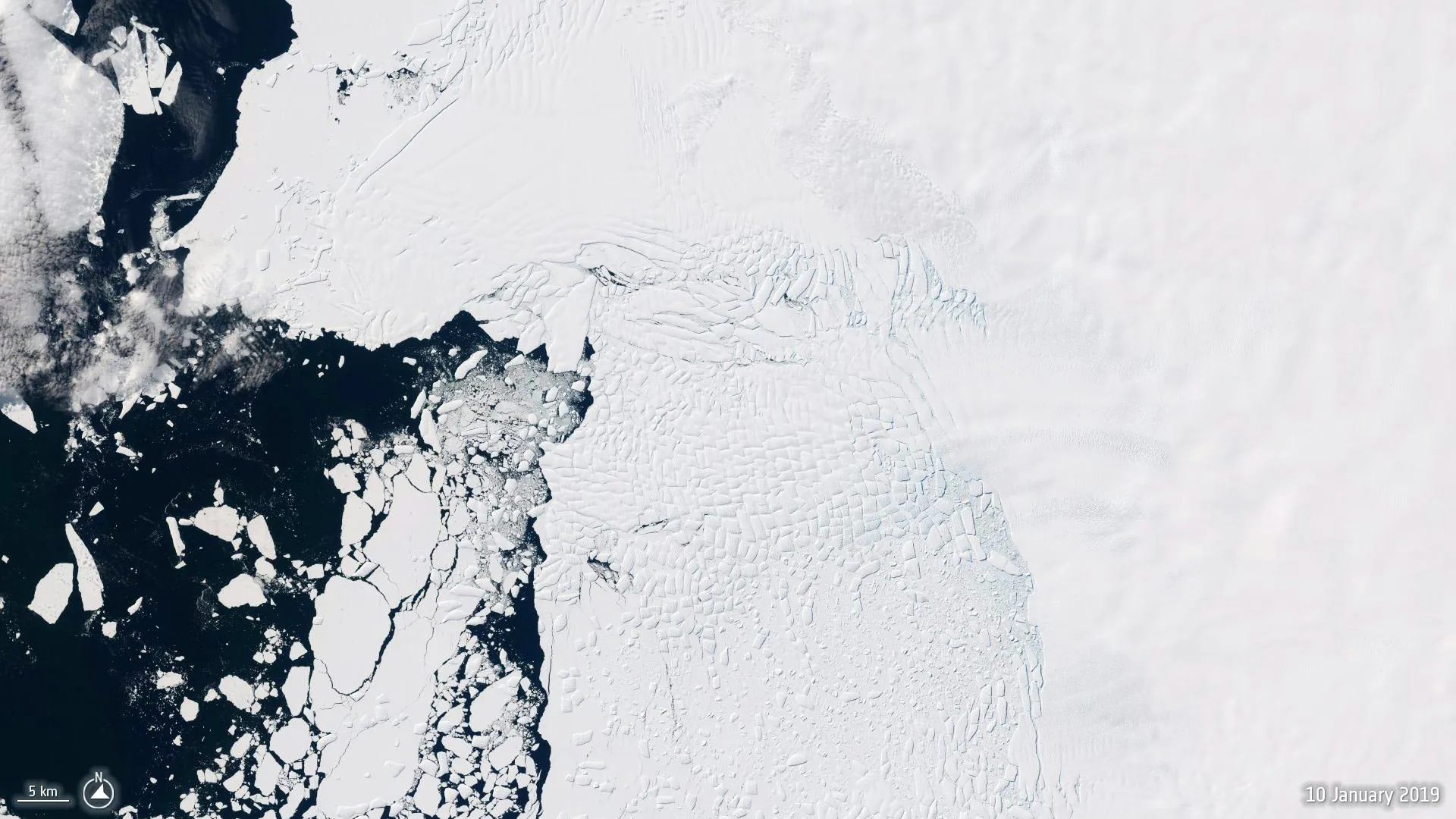
The Thwaites Glacier is undeniably one of the most critical and closely watched ice masses on Earth, earning its ominous moniker, the "Doomsday Glacier." Spanning an area roughly the size of Florida, this immense West Antarctic glacier holds enough ice to raise global sea levels by approximately 65 centimetres on its own. Crucially, it acts as a linchpin for the wider West Antarctic Ice Sheet, which, if it were to collapse completely, has the potential to raise global sea levels by a staggering 3 meters. Scientists are particularly concerned about its inherent instability, driven by the marine ice sheet instability (MISI) hypothesis, which suggests that glaciers grounded on a retrograde bed (one that deepens inland) can undergo irreversible retreat once their grounding line—where the ice detaches from the seafloor—starts to recede.
Approximately two-thirds of the events I detected – 245 out of 362 – were precisely located near the marine end of Thwaites Glacier. Given their location and low-frequency characteristics, most of these events are highly likely to be glacial earthquakes resulting from capsizing icebergs. This concentration of activity directly at the glacier’s terminus is a profound indicator of active calving and significant ice dynamics.
Intriguingly, the strongest driver of these events at Thwaites does not appear to be the annual oscillation of warm air temperatures that dictates the seasonal behaviour of Greenland glacier earthquakes. Instead, the most prolific period of glacial earthquakes at Thwaites, spanning from 2018 to 2020, coincides with a period of independently confirmed accelerated flow of the glacier’s floating ice tongue towards the sea. This speed-up period was corroborated by high-resolution satellite observations, which track changes in ice velocity with unprecedented precision.
This suggests that ocean conditions, rather than atmospheric warming, may be the dominant factor influencing calving dynamics at Thwaites. Warmer deep ocean water, driven by complex ocean currents and upwelling, can intrude beneath the floating ice tongue, leading to increased basal melt and weakening of the ice. The exact mechanisms by which these ocean conditions translate into accelerated ice flow and subsequent iceberg calving are not yet fully understood, representing a critical frontier in glaciological and oceanographic research. However, these findings strongly suggest the short-term scale impact of dynamic ocean states on the stability of marine-terminating glaciers. Understanding this intricate ocean-ice interaction is paramount for accurately assessing the potential contribution of the Thwaites Glacier to future global sea-level rise, an uncertainty that currently vexes climate modelers.
The Puzzling Events at Pine Island Glacier
While Thwaites Glacier presented a clear picture of calving-induced seismicity, the second largest cluster of detections occurred near the Pine Island Glacier, another rapidly retreating and highly dynamic ice stream in West Antarctica. However, these events were consistently located 60 to 80 kilometres inland from the waterfront. This significant distance from the marine terminus makes it highly improbable that they were caused by capsizing icebergs.
These inland events at Pine Island Glacier remain puzzling and necessitate dedicated follow-up research. Several hypotheses could explain their origin: they might be associated with subglacial lake drainage, where large volumes of water moving beneath the ice sheet can generate seismic signals; they could be linked to basal slip events, where the glacier slides rapidly over its bed; or they might represent other forms of ice dynamics, such as internal ice fracturing or crevasse formation, that generate low-frequency seismic energy. Unraveling the nature of these inland quakes could provide new insights into the subglacial environment and internal deformation processes of fast-flowing Antarctic glaciers.
What’s Next for Antarctic Glacial Earthquake Research
The detection of glacial earthquakes explicitly associated with iceberg calving at Thwaites Glacier represents a pivotal advance. It has the potential to help answer several fundamental research questions, particularly regarding the potential instability of the Thwaites Glacier. A key area of inquiry involves the complex interaction of the ocean, ice, and solid ground near where the glacier meets the sea – the grounding line. Understanding the processes at this critical interface, where warm ocean waters can erode the ice from below, is crucial for predicting the glacier’s future behaviour.
Better understanding of these glacial earthquakes and their drivers may hold the key to resolving the current large uncertainty in the projected sea-level rise over the next couple of centuries. Current models vary widely, often due to the incomplete incorporation of dynamic ice sheet processes like rapid calving and grounding line retreat. By providing a direct, quantifiable measure of calving activity and its correlation with oceanographic and glaciological changes, these seismic observations offer a powerful new tool for refining climate predictions.
The findings underscore the urgent need for expanded and long-term seismic monitoring in critical polar regions, particularly in West Antarctica. Integrating these seismic data with satellite observations, oceanographic measurements, and ice-penetrating radar will create a more holistic picture of these complex systems. This interdisciplinary approach, combining seismology with glaciology, oceanography, and climate science, is essential to decode the Earth’s cryosphere and provide the accurate forecasts necessary for societies worldwide to adapt to the accelerating impacts of a warming planet. The "Doomsday Glacier" is sending us seismic messages, and it is imperative that we listen.
