
 By admin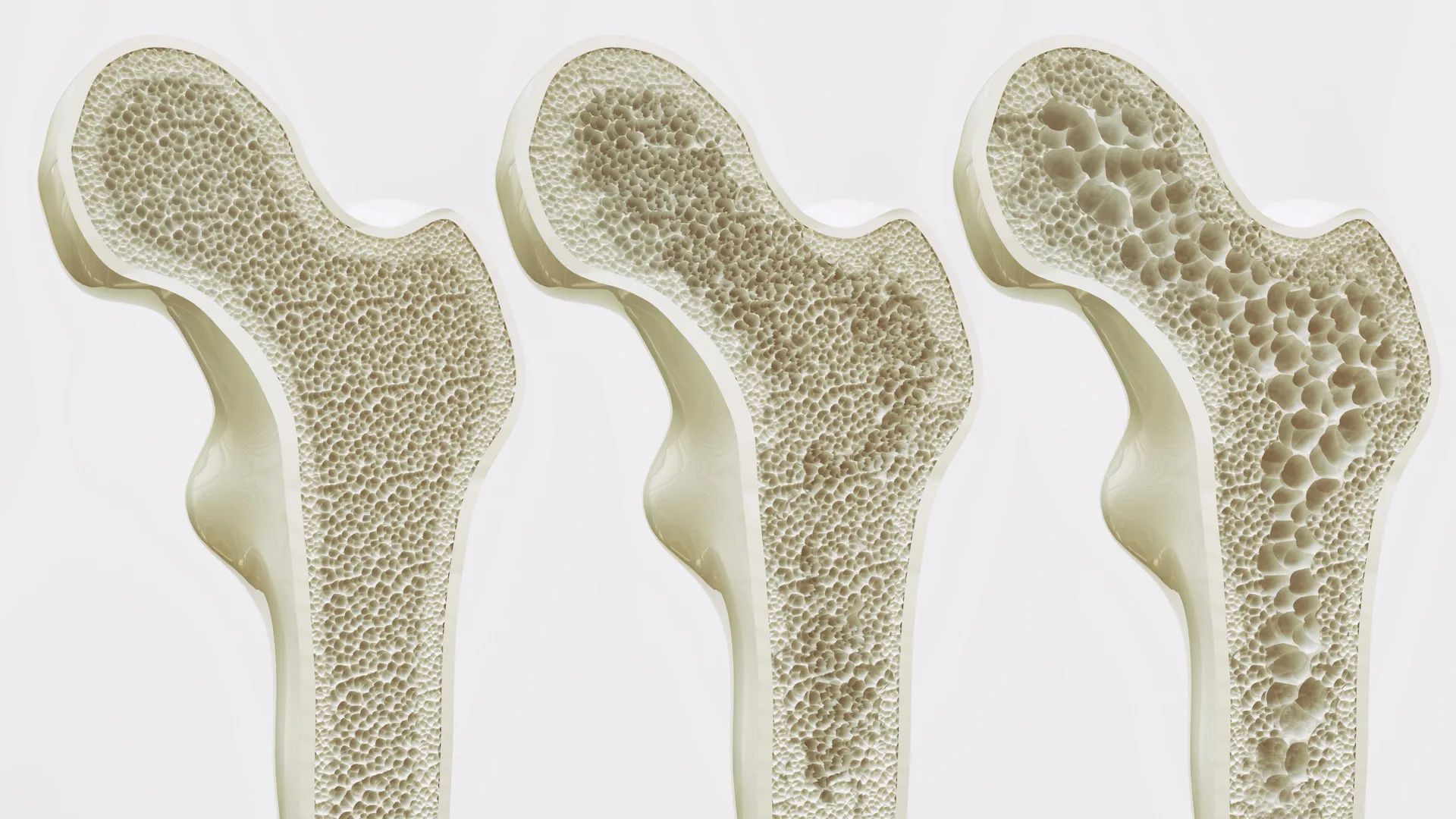
Osteoporosis, often referred to as a "silent epidemic," represents a major global health challenge. This debilitating condition is characterized by a reduction in bone density and quality, leading to increased bone fragility and a significantly elevated risk of fractures. The statistics are stark: it affects roughly one in three women over the age of 50 globally, and one in five men. These fractures, particularly those of the hip, spine, and wrist, can lead to chronic pain, disability, loss of independence, and even premature death. Hip fractures, in particular, are associated with a mortality rate of up to 20-24% in the year following the fracture, and many survivors experience a permanent decline in quality of life. The global economic burden of osteoporosis-related fractures is immense, running into billions of dollars annually for healthcare systems. Given that billions of people worldwide incorporate coffee or tea into their daily routines, even seemingly minor effects on bone health, when scaled across vast populations, could yield profound public health implications. The complexity of this relationship has historically led to mixed findings in previous research, with relatively few studies boasting the extensive duration and participant numbers necessary to draw robust, long-term conclusions.
Unraveling the Bone Remodeling Process and Osteoporosis
To fully appreciate the study’s findings, it’s essential to understand the dynamic nature of bone. Bone is not a static tissue; it’s constantly undergoing a process called remodeling, where old bone tissue is removed (resorption) by cells called osteoclasts and new bone tissue is formed (formation) by cells called osteoblasts. In young, healthy individuals, these processes are balanced. However, with aging, particularly after menopause in women due to declining estrogen levels, the rate of bone resorption often outpaces bone formation, leading to a net loss of bone mass and the eventual onset of osteoporosis. Other risk factors include genetics, certain medical conditions, medications, sedentary lifestyle, smoking, excessive alcohol consumption, and inadequate intake of calcium and vitamin D. Bone mineral density (BMD) is the most reliable measure for diagnosing osteoporosis and predicting fracture risk, typically assessed using Dual-energy X-ray Absorptiometry (DXA) scans, which measure bone density at key sites like the hip and spine.
Tracking Coffee, Tea, and Bone Density: A Decade-Long Endeavor
The Flinders University researchers leveraged data from an exceptionally well-established and respected resource: the Study of Osteoporotic Fractures (SOF). Initiated in 1986, the SOF is a prospective cohort study that has followed thousands of older women for decades, meticulously collecting a wealth of health data. This makes it an invaluable dataset for investigating long-term health outcomes. By repeatedly assessing participants’ beverage habits over the 10-year study period, the researchers gained a more accurate picture of habitual consumption patterns, minimizing the limitations often associated with single-point assessments.
The methodology involved comprehensive assessments of coffee and tea intake, typically through detailed questionnaires that captured frequency, quantity, and sometimes type of beverage. Simultaneously, BMD was precisely measured using advanced imaging methods, specifically DXA scans, at both the total hip and femoral neck. These two anatomical sites are particularly crucial because fractures in these areas, especially hip fractures, are among the most serious consequences of osteoporosis and are strongly predictive of future fracture risk across the skeleton. The longitudinal nature of the study, observing changes in BMD over a decade, allowed the researchers to identify trends and associations that cross-sectional studies (which capture data at a single point in time) simply cannot. Furthermore, sophisticated statistical models were employed to adjust for a wide array of potential confounding variables, including age, body mass index (BMI), physical activity levels, smoking status, alcohol consumption, calcium and vitamin D intake, medication use (e.g., corticosteroids), and estrogen status, thereby enhancing the reliability of the observed associations.
Tea’s Subtle Yet Significant Edge: A Potential Bone Ally
The study’s findings regarding tea consumption offered a glimmer of hope for bone health. The results showed that women who regularly drank tea had slightly higher total hip BMD compared to those who did not consume tea. While the observed difference was numerically small, its statistical significance indicates that it was unlikely due to chance. Adjunct Associate Professor Enwu Liu from the College of Medicine and Public Health underscored the broader implications of such modest improvements: "Even small improvements in bone density can translate into fewer fractures across large groups." This is a crucial point in public health; small individual effects, when aggregated across millions of people, can lead to substantial reductions in disease burden.
The proposed mechanism behind tea’s potential bone-protective effects centers on its rich content of bioactive compounds, particularly catechins and other polyphenols like flavonoids, theaflavins, and thearubigins. These compounds are renowned for their antioxidant and anti-inflammatory properties. Ryan Liu, a co-author on the paper, elaborated: "Compounds called catechins, abundant in tea, may promote bone formation and slow bone breakdown." Research suggests that these polyphenols may exert their beneficial effects through several pathways. They can modulate the activity of osteoblasts (bone-forming cells) and osteoclasts (bone-resorbing cells), shifting the balance towards bone formation. They may also reduce oxidative stress and inflammation, both of which are known to negatively impact bone health. Furthermore, some studies suggest that tea components could influence gut microbiota, which in turn can affect nutrient absorption, including calcium, and overall metabolic health, indirectly benefiting bone. While the study did not differentiate between tea types (e.g., green, black, oolong), green tea is particularly rich in catechins like epigallocatechin gallate (EGCG), which has been extensively studied for its health benefits.
Heavy Coffee Intake Linked to Lower Bone Density: A Dose-Dependent Concern
Coffee presented a more nuanced and somewhat complicated pattern. The good news for most coffee drinkers is that moderate amounts, typically defined as about two to three cups per day, were not found to be associated with harm to bone health. This suggests that the occasional cup of coffee poses little threat to skeletal integrity for the average older woman. However, the study identified a clear threshold: women who reported drinking more than five cups of coffee a day had lower BMD. This finding strongly suggests that very high coffee consumption could indeed have negative effects on bone density, warranting caution.
The primary suspect in coffee’s potential negative impact on bone is caffeine. Ryan Liu explained, "Coffee’s caffeine content, by contrast, has been shown in laboratory studies to interfere with calcium absorption and bone metabolism, though these effects are small and can be offset by adding milk." Caffeine is a mild diuretic, meaning it can increase the excretion of urine, and with it, a small amount of calcium. While this effect is transient and minimal for moderate intake, cumulative high intake over time could potentially contribute to a negative calcium balance. Furthermore, caffeine may influence parathyroid hormone levels and vitamin D metabolism, both of which play crucial roles in regulating calcium and phosphate homeostasis and, consequently, bone health. It’s also worth noting that coffee contains other compounds, such as diterpenes (cafestol and kahweol), which have been linked to increased cholesterol levels, but their direct impact on bone health is less clear compared to caffeine. The important caveat that adding milk can offset some of these effects is significant, as milk is a rich source of calcium, directly counteracting the potential calcium loss.
Beyond the Brew: The Influence of Lifestyle Interactions
One of the study’s most intriguing revelations was the discovery of interaction effects, indicating that the relationship between coffee, tea, and bone health is not universal but can be modulated by other lifestyle factors. The negative effects associated with very high coffee consumption were found to be stronger among women with higher lifetime alcohol consumption. This finding is particularly concerning because excessive alcohol intake is an established risk factor for osteoporosis. Alcohol can impair the function of osteoblasts, interfere with calcium and vitamin D metabolism, and increase the risk of falls, which directly leads to fractures. The combination of heavy coffee and heavy alcohol consumption could thus represent a synergistic detrimental effect on bone health, accelerating bone loss beyond what either factor would cause alone.
Conversely, the apparent benefits of tea consumption were more pronounced among women with obesity. This observation adds another layer of complexity. Obesity itself has a paradoxical relationship with bone health; while increased body weight can be protective due to greater mechanical loading on bones, obesity is also associated with chronic low-grade inflammation, insulin resistance, and altered hormone profiles, all of which can negatively impact bone metabolism. In this context, the anti-inflammatory and antioxidant properties of tea, as well as its potential to improve metabolic health, might be particularly beneficial for bone health in individuals grappling with obesity, helping to mitigate some of the systemic factors that could otherwise undermine skeletal strength.
Expert Perspectives and Practical, Balanced Implications
Adjunct Associate Professor Enwu Liu further emphasized the practical takeaways from the study. "While moderate coffee drinking appears safe, very high consumption may not be ideal, especially for women who drink alcohol," he advised. He added that the findings suggest that regularly drinking tea could offer a simple and accessible way to support bone health later in life.
However, the researchers were also careful to contextualize their findings, stressing that the observed differences were modest. While statistically significant, they were not of a magnitude that would justify major, drastic changes in an individual’s daily habits. "Our results don’t mean you need to give up coffee or start drinking tea by the gallon," Associate Professor Liu clarified. Instead, the message is one of mindful choices and complementary strategies. "But they do suggest that moderate tea consumption could be one simple way to support bone health, and that very high coffee intake might not be ideal, especially for women who drink alcohol."
The core message remains consistent with established public health guidance: calcium and vitamin D remain the cornerstones of bone health, alongside regular weight-bearing exercise, and avoidance of smoking and excessive alcohol. However, this study adds to the growing body of evidence suggesting that "what’s in your cup could play a role too." For older women, enjoying a daily cup of tea may be more than just a comforting ritual; it could be a small, yet meaningful, step toward maintaining stronger bones and reducing fracture risk as they age. This highlights the cumulative impact of daily dietary choices on long-term health outcomes, even those that seem minor on an individual basis.
Limitations and Future Directions
As with all observational studies, this research has certain limitations. While the researchers meticulously controlled for numerous confounding variables, the observational nature of the study means it can only establish associations, not definitive causation. It is always possible that other unmeasured factors or residual confounding could influence the results. The reliance on self-reported consumption data, though repeatedly collected, carries the inherent potential for recall bias. Furthermore, the study population consisted exclusively of older women, meaning the findings may not be directly generalizable to younger women, men, or individuals of different ethnicities. The study also did not delve into the specific types of coffee (e.g., decaffeinated, instant, espresso) or tea (e.g., green, black, herbal) consumed, which could have varying impacts due to different chemical compositions.
Future research could build upon these findings by conducting randomized controlled trials to more definitively test the causal effects of tea and coffee on bone density. Studies in diverse populations, including men and younger adults, would be valuable. Further investigation into the specific bioactive compounds in tea and coffee responsible for these effects, as well as the underlying molecular mechanisms, could lead to targeted dietary recommendations or even novel therapeutic approaches. Understanding individual genetic predispositions that might influence responses to these beverages would also be a fascinating area of exploration.
In conclusion, the Flinders University study offers valuable, long-term evidence suggesting that daily tea consumption might offer a subtle protective effect on bone mineral density in older women, while very high coffee intake could be detrimental, particularly when combined with high alcohol consumption. This research reinforces the idea that while major dietary components like calcium and vitamin D are paramount, even seemingly minor daily habits, like choosing a cup of tea, can contribute positively to the complex mosaic of factors influencing skeletal health over a lifetime. It serves as a reminder that small, consistent choices can cumulatively shape our health trajectories.
The paper, entitled ‘Longitudinal Association of Coffee and Tea Consumption with Bone Mineral Density in Older Women: A 10-Year Repeated-Measures Analysis in the Study of Osteoporotic Fractures’, was authored by Ryan Yan Liu and Enwu Liu and published in the peer-reviewed journal Nutrients.
Acknowledgments: The funding for the SOF study comes from the National Institute on Aging (NIA) and the National Institute of Arthritis and Musculoskeletal and Skin Diseases (NIAMS), supported by grants (AG05407, AR35582, AG05394, AR35584, and AR35583).
