
 By admin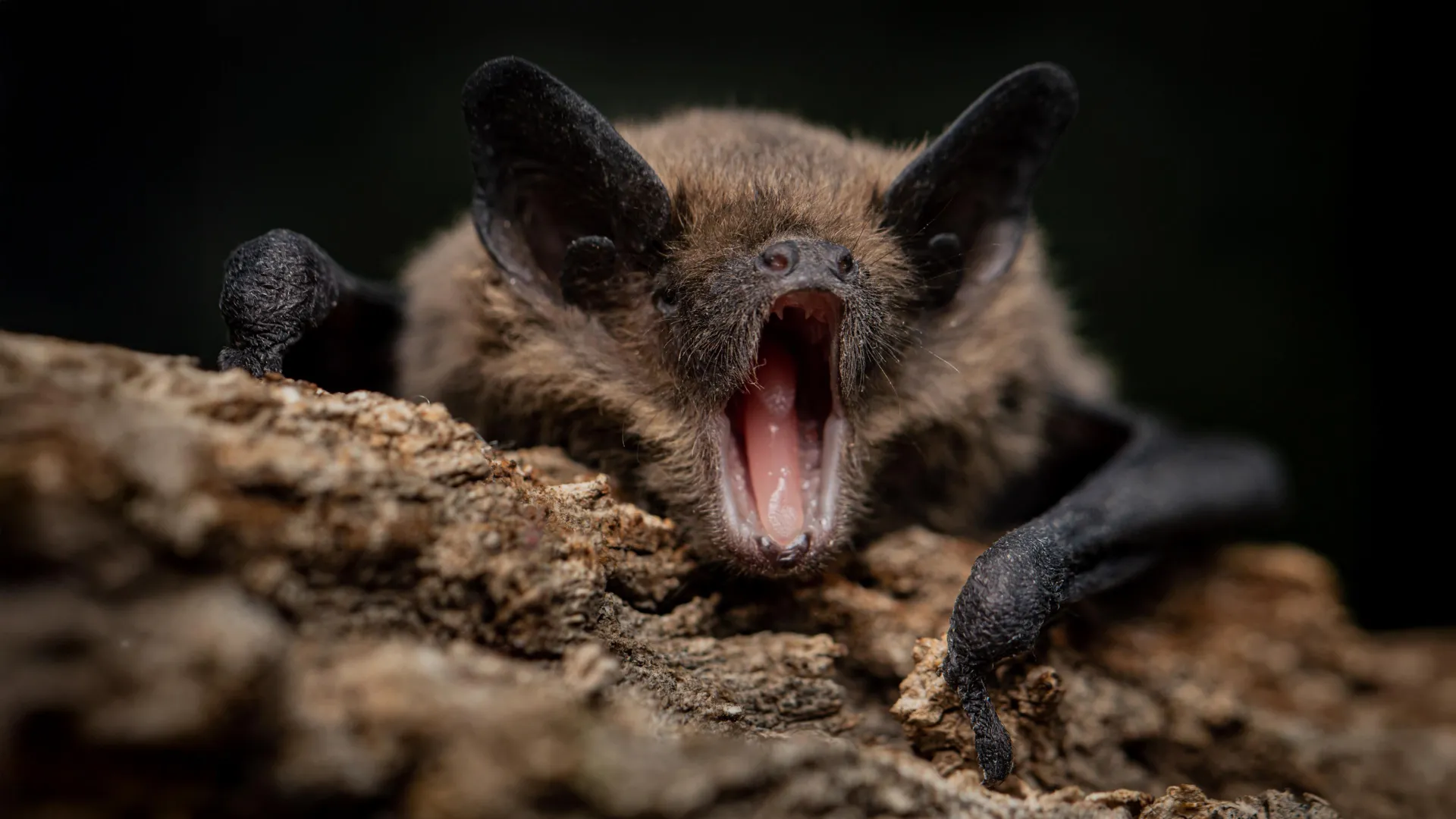
Now, a groundbreaking study published in the prestigious journal Science Advances may have uncovered a significant piece of this complex puzzle. Researchers at Tulane University, in a collaborative effort with experts from Stanford University and the Centers for Disease Control and Prevention (CDC), have identified an unprecedented feature in the bat immune system that challenges long-held assumptions about mammalian immunity. Their findings reveal a novel genetic architecture for antibody production that could explain bats’ remarkable ability to coexist with dangerous viruses.
The study pinpointed that the world’s largest and most widespread family of bats, the vesper bats (family Vespertilionidae), possesses not one, but two distinct copies of the genes responsible for producing the heavy chains of antibodies. Antibodies are specialized Y-shaped proteins that form a cornerstone of the adaptive immune system, acting as molecular sentinels that identify and neutralize invading pathogens. In every other known mammalian species studied to date—from humans to mice, whales, and elephants—the genetic machinery for generating antibody heavy chains is organized as a single, unique locus. This dual genetic system in vesper bats represents an entirely new paradigm for mammalian immune organization and offers a tantalizing explanation for their extraordinary viral tolerance.
This discovery fundamentally reshapes our understanding of how mammalian immune systems can evolve and adapt, providing a fresh perspective on the diverse strategies animals employ to respond to infectious diseases. "We’ve never seen anything like this in a mammal before," exclaimed Hannah Frank, associate professor of ecology and evolutionary biology at Tulane University School of Science and Engineering and the corresponding author of the study. Her sentiment underscores the revolutionary nature of the finding. "This completely changes our understanding of how mammalian immune systems can be organized and raises exciting new questions about why bats have been so evolutionarily successful and how they respond to viruses." The implications extend beyond bats themselves, potentially offering new insights into the fundamental principles governing immune resilience across the animal kingdom.
A Unique Antibody System in Vesper Bats: An Evolutionary Anomaly
The focus of this remarkable discovery is the vesper bats, a remarkably diverse group comprising over 500 species that inhabit every continent except Antarctica. Their extraordinary evolutionary success, evidenced by their vast number of species and global distribution, has long captivated scientists. While factors such as their ability to fly, echolocation, and unique social structures have been proposed as contributors to their success, the new findings suggest that their unusual antibody system may play a critical, previously unappreciated role. This immune advantage could be a key factor in their survival and proliferation across diverse ecological niches, even in the face of pervasive viral threats.
To fully appreciate the significance of this finding, it’s essential to understand the basic structure and function of antibodies. Antibodies are crucial effector molecules of the adaptive immune system, mediating highly specific immune responses. Each Y-shaped antibody molecule is composed of four protein chains: two identical heavy chains and two identical light chains. The "arms" of the Y contain variable regions that specifically bind to antigens—molecular structures on pathogens—while the "stem" interacts with other immune cells or molecules to clear the infection. In humans and all other previously studied mammals, the genes encoding these heavy chains are found in a single, complex locus within the genome. This locus undergoes sophisticated genetic recombination processes (V(D)J recombination) to generate an immense diversity of heavy chains, which then combine with light chains to produce an estimated 10^11 to 10^13 unique antibody specificities in an individual.
Frank and her colleagues, however, found that vesper bats defy this universal mammalian blueprint. Through meticulous genomic analysis, they discovered that vesper bats possess two entirely separate and functional heavy-chain gene systems. This means they have two distinct genomic loci, each capable of independently producing a full repertoire of heavy chains. This dual system effectively doubles their genetic potential for antibody diversity, potentially allowing them to create an even wider array of antibodies capable of recognizing and neutralizing a broader spectrum of pathogens or responding with greater speed and efficiency. This could manifest as enhanced recognition of diverse viral strains, more robust neutralization of viral particles, or simply a greater capacity to adapt to rapidly evolving viral threats.
The discovery was not easily made, requiring sophisticated genomic sequencing and bioinformatics techniques to meticulously map and analyze the complex gene arrangements within bat genomes. The researchers had to overcome the inherent challenges of working with non-model organisms, where genomic resources are often less developed than for humans or laboratory mice. Their success highlights the power of comparative genomics in uncovering fundamental biological novelties that would otherwise remain hidden.
Traditionally, research into bat immunity has predominantly focused on the innate immune system—the body’s first line of defense, which provides immediate, non-specific protection against pathogens. Studies have highlighted bats’ unique innate immune responses, such as a constitutively active interferon pathway that keeps viruses in check without triggering excessive inflammation, or their rapid resolution of inflammatory responses. While these innate mechanisms are undoubtedly critical, Frank emphasized that the new findings unequivocally demonstrate why the adaptive immune system—the part responsible for generating highly specific antibodies and long-term memory—also deserves far closer scrutiny. The sheer novelty of this dual heavy-chain system suggests that bats’ adaptive immunity is anything but conventional.
"We think this discovery is an important piece of the puzzle," Frank stated, acknowledging that the full picture of bat viral tolerance is still emerging. "It doesn’t fully explain why bats are such effective viral reservoirs, but it reveals a level of immune variety we didn’t know existed and gives us an entirely new direction to explore." This "new direction" opens up a wealth of research questions: Do these two heavy-chain systems function synergistically, perhaps specializing in different types of pathogens or different stages of infection? Are they differentially expressed or regulated? Could one system be more adept at handling chronic viral infections, while the other offers rapid responses to acute threats? Further functional studies are now crucial to unravel the intricate mechanisms underlying this dual antibody production.
Why Bat Immunity Matters: From Evolutionary Biology to Public Health
The implications of this discovery are far-reaching, touching upon fundamental aspects of evolutionary biology, immunology, and, critically, public health. Bats are not merely viral vectors; they are indispensable components of global ecosystems, playing vital roles as pollinators for countless plants, dispersers of seeds that regenerate forests, and voracious controllers of insect pests, saving agricultural industries billions annually. Their ecological contributions are immense, making their conservation paramount. Yet, their status as natural hosts for numerous zoonotic viruses poses a significant challenge, creating a delicate balance between ecological benefit and potential disease risk.
Understanding how bats can harbor these potent viruses without succumbing to severe illness could eventually provide invaluable insights into immune responses in other species, including humans. For instance, if bats can maintain a constant, low-level viral presence without triggering detrimental inflammation, identifying the molecular mechanisms behind this tolerance could lead to novel therapeutic strategies for managing chronic viral infections in humans or even dampening harmful immune overreactions, such as those seen in severe COVID-19 cases or autoimmune diseases. The discovery of a unique genetic basis for antibody production in bats suggests that there may be entirely different ways to construct an effective adaptive immune response than previously imagined.
Furthermore, this knowledge may contribute significantly to improved strategies for reducing the risk of disease spillover—the transmission of pathogens from animals to humans. The recent COVID-19 pandemic served as a stark reminder of the devastating consequences of zoonotic spillover events, many of which have been traced back to bat-borne viruses. By understanding the intricate balance bats strike with their viruses, scientists might identify critical junctures where this balance is disrupted, potentially leading to increased viral shedding or enhanced transmissibility. This could inform public health interventions, such as monitoring bat populations, managing human-wildlife interfaces, or developing novel antivirals and vaccines tailored to exploit vulnerabilities identified through bat immune studies.
The study also underscores a broader philosophical point in biological research. "We’ve learned an enormous amount about immunity by studying humans and laboratory mice," Frank noted, highlighting the foundational role these model organisms have played. "But the natural world is far more varied than that. Every time we study a species that has evolved differently, we have the opportunity to discover something entirely new." This emphasizes the critical importance of comparative immunology and biodiversity research. Nature, through millions of years of evolution, has devised myriad solutions to biological challenges. By looking beyond the confines of well-established model systems and exploring the diverse strategies employed by species like bats, we can uncover entirely new biological principles that might revolutionize medicine and our understanding of life itself.
Future research stemming from this discovery will undoubtedly delve deeper into the functional differences and potential synergistic roles of these two heavy-chain gene systems. Scientists will explore whether this dual system is unique to vesper bats or if similar adaptations exist in other bat families or even other highly diverse or viral-tolerant mammals. Investigating the evolutionary origins of this duplication and its selection pressures could also shed light on the co-evolutionary arms race between bats and their viral inhabitants. Ultimately, this groundbreaking finding from Tulane, Stanford, and the CDC collaborators opens up a vast new frontier in immunology, promising not only a clearer picture of bat biology but also novel avenues for safeguarding human health against emerging infectious diseases. The unique biology of bats, once a mystery, is slowly yielding its secrets, revealing a testament to the boundless ingenuity of evolution.
