
 By admin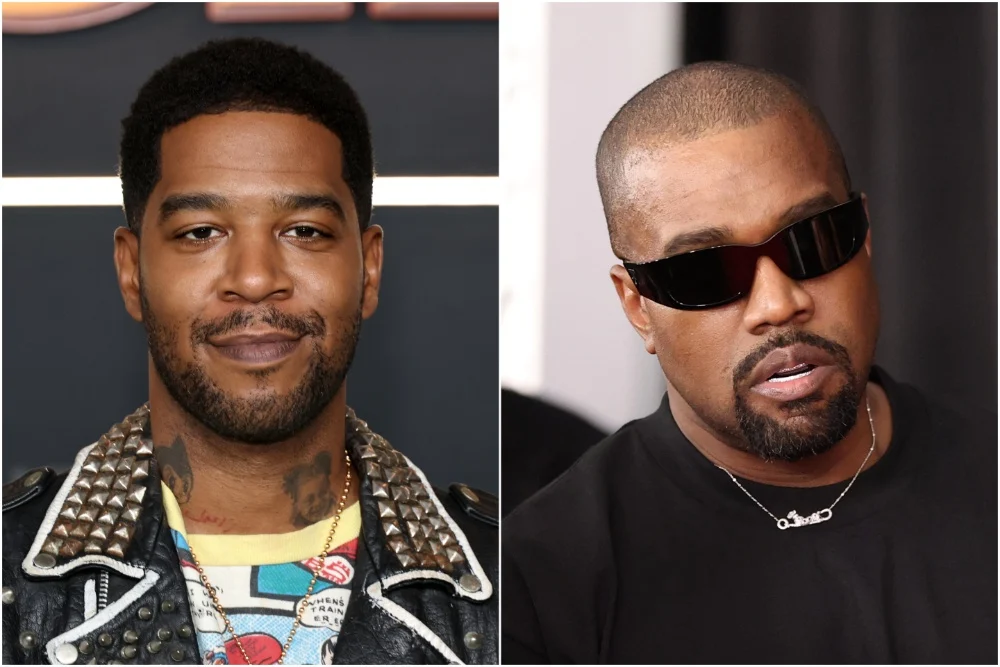
In a stunning turn of events that has sent ripples through the music industry and fan communities alike, Kanye West and Kid Cudi, two titans of contemporary hip-hop whose public falling out captivated and dismayed many, have officially buried the hatchet. The reconciliation was dramatically unveiled during West’s recent Chicago concert on Friday night, marking a significant moment of artistic and personal reconciliation after years of acrimonious public exchanges and severed ties. The surprise appearance by Cudi, a longtime collaborator and friend, brought an electrifying energy to the sold-out hometown show for West, who was performing to promote his latest album, "Bully."
The reunion was more than just a symbolic gesture; it was a powerful display of their shared musical legacy. Cudi joined West on stage for the first time in seven years, a period defined by their public discord. Together, they delivered a powerful medley of fan-favorite tracks that have become anthems for a generation: "Father Stretch My Hands, Pt. 1," "Ghost Town," and the universally acclaimed "Pursuit of Happiness." The performance served as a potent reminder of the creative synergy that once defined their artistic partnership, culminating in a shared moment that resonated deeply with the audience and observers. The fact that these songs, which have played significant roles in both artists’ discographies and have been interpreted in various contexts by fans, were chosen for this reunion adds another layer of symbolic weight to the event.
This onstage reconciliation represents a dramatic reversal from the public animosity that characterized their relationship in recent years. The rift between West and Cudi first became widely apparent in 2022, when West controversially removed Cudi’s contributions from his album "Donda 2." The catalyst for this decision, according to reports and public statements, was West’s deep-seated anger over Cudi’s friendship with Pete Davidson, who was at the time dating West’s ex-wife, Kim Kardashian. This personal drama spilled over into their professional lives, leading to public accusations and a palpable sense of betrayal felt by many who admired their collaborative spirit. The public nature of this falling out, amplified by social media and celebrity gossip, created a narrative of a fractured brotherhood that many believed was irreparable.
Kid Cudi, in particular, had been vocal and unsparing in his criticism of West following their fallout. In a candid interview with Esquire, Cudi expressed his profound disappointment and the perceived finality of their estrangement. "With all due respect, I’m not Drake, who’s about to take a picture with him next week and be friends again, and their beef is squashed," Cudi stated, drawing a stark contrast between his own approach and that of other artists who have had public disputes with West. "That’s not me. What I say, I mean. I will be done with you. It’s gonna take a motherfucking miracle for me and that man to be friends again. I don’t see it happening." These strong words underscored the depth of his frustration and the perceived damage to their relationship, making his appearance on stage with West all the more surprising and significant. His previous assertions highlighted a perceived lack of genuine remorse or change in West’s behavior, making this reunion a significant departure from his stated position.
The Chicago concert marked the first time West and Cudi had shared a stage since the release of their critically acclaimed joint album, "Kids See Ghosts," in 2018. Their subsequent joint performance at Coachella the following year further solidified their status as a formidable creative duo. However, the period leading up to their falling out and the subsequent estrangement coincided with a tumultuous chapter in West’s career. This era was marked by a series of highly publicized antisemitic rants, controversial praise for Adolf Hitler, and outright denial of the Holocaust. These statements led to widespread condemnation, the loss of lucrative business partnerships, and a significant decline in his public standing. The gravity of these actions cast a long shadow over his legacy and created immense personal and professional challenges.
Earlier this year, in an attempt to address the fallout from his controversial remarks, West took out a full-page advertisement in The Wall Street Journal. In this public apology, he attributed his antisemitic outbursts to manic episodes, a claim that garnered mixed reactions. While some saw it as a genuine attempt at atonement, others remained skeptical, questioning the sincerity and the underlying reasons for his behavior. This apology, however, appears to have been a pivotal moment in West’s journey toward reconciliation with Cudi, suggesting a shift in his approach and a willingness to address the harm caused. The advertisement, costing a significant sum, signaled a public acknowledgment of wrongdoing, a step many believed was necessary for any potential mending of fences.
Following the concert and the highly publicized reunion, Kid Cudi took to social media on Saturday morning to further explain his decision to perform with West. He emphasized the importance of offering "grace" to individuals, particularly when genuine apologies are offered. "Everyone deserves some grace… and he apologized and it was sincere," Cudi stated, providing a personal endorsement of West’s remorse. This sentiment was further elaborated in a public exchange on X (formerly Twitter) with radio DJ Peter Rosenberg. Rosenberg had expressed his disappointment with Cudi’s participation, referencing West’s past song titled "Heil Hitler" and his continued controversial statements.
In his response to Rosenberg, Cudi articulated the depth of his long-standing relationship with West, stating, "I understand ur frustration Peter, I fucks w u, but I dont really care if ur disappointed in me. That man is my brother. U dont have a relationship w him like I do. Damn near 2 decades of art and friendship. U not family. So I get it." He elaborated on his personal experience, noting, "I was the hardest on him out of anybody. I held him accountable. He apologized and it was sincere. But like I said, u not family so I get it." Cudi’s defense highlighted the personal nature of their bond, suggesting that his perspective was informed by years of shared history and a unique understanding of West’s struggles, particularly concerning his mental health. He stressed that his accountability and forgiveness stemmed from this deep connection, a bond that he felt outsiders could not fully comprehend. The mention of "2 decades of art and friendship" underscores the longevity and significance of their collaboration, placing this reunion within a historical context of artistic partnership.
The Chicago concert itself was a star-studded affair, with West showcasing a remarkable lineup of musical talent alongside Cudi. In addition to the highly anticipated reunion, the show featured performances and appearances by other prominent artists, including Lupe Fiasco, Travis Scott, Big Sean, Common, Young Thug, Rick Ross, Don Toliver, 2 Chainz, and Chief Keef. This ensemble of acclaimed musicians underscored West’s continued influence and his ability to bring together diverse talents for a memorable live experience. The presence of such a wide array of artists, many of whom have their own complex relationships with West and the broader hip-hop landscape, further amplified the significance of the evening, positioning it as a major cultural event. The collective appearance of these artists, some of whom have also experienced public scrutiny or controversy, may also be interpreted as a subtle statement on artistic freedom and the possibility of redemption within the industry.
The implications of this reunion are far-reaching. For fans who have long cherished the "Kids See Ghosts" project and the earlier collaborations between West and Cudi, this signals a potential return to a golden era of their artistry. It also raises questions about the future of their collaborative work and whether this renewed connection will translate into new music or joint projects. Furthermore, Cudi’s public defense of West’s apology and his willingness to extend grace suggest a broader shift in perspective regarding accountability, mental health, and the complexities of personal relationships within the public eye. This event serves as a compelling case study in the evolving dynamics of celebrity, public perception, and the often-unpredictable nature of reconciliation in the modern era. The intricate tapestry of their history, marked by both profound artistic creation and deeply personal conflict, makes this reunion a compelling narrative arc within the broader story of contemporary music. The fact that Cudi, who was so vocally critical, is now publicly supporting West’s apology and sincerity suggests a significant personal evolution for both artists, or at least a mutual understanding reached through dialogue and perhaps shared experiences beyond the public sphere. This event not only resolves a high-profile feud but also offers a nuanced perspective on forgiveness, accountability, and the enduring power of long-term artistic partnerships.
