
 By admin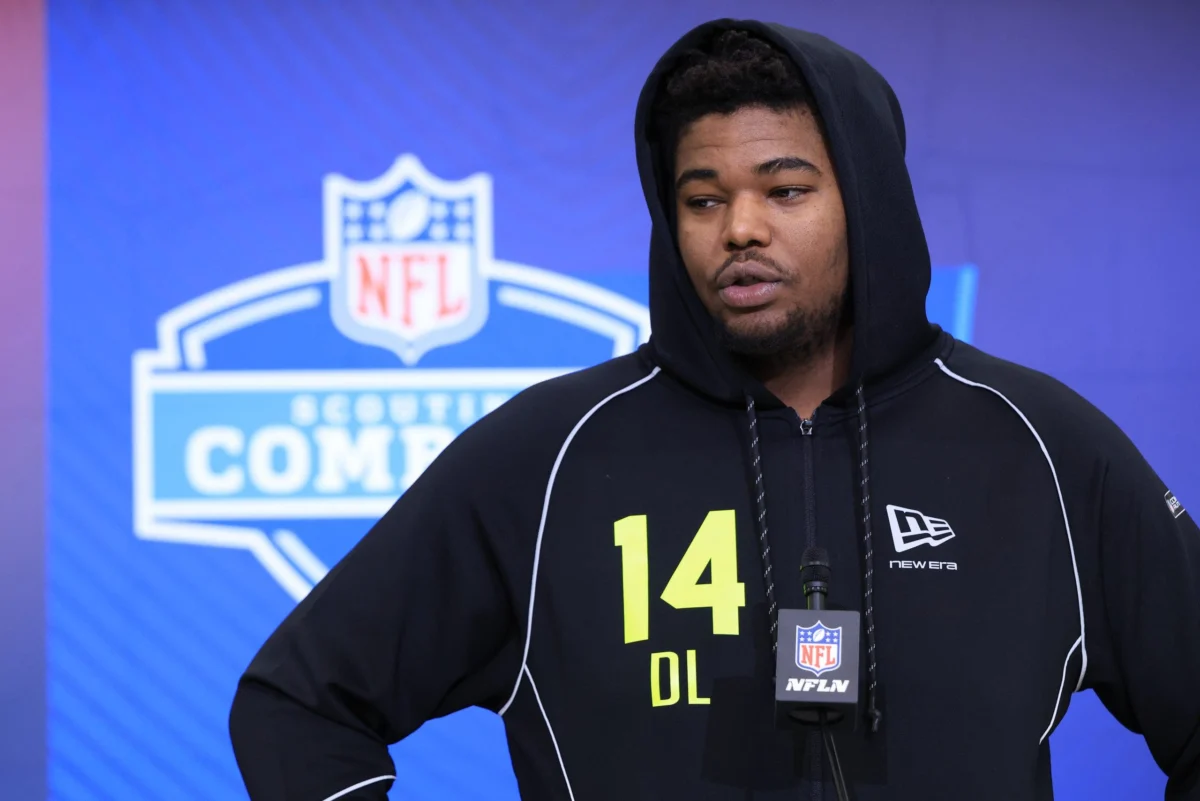
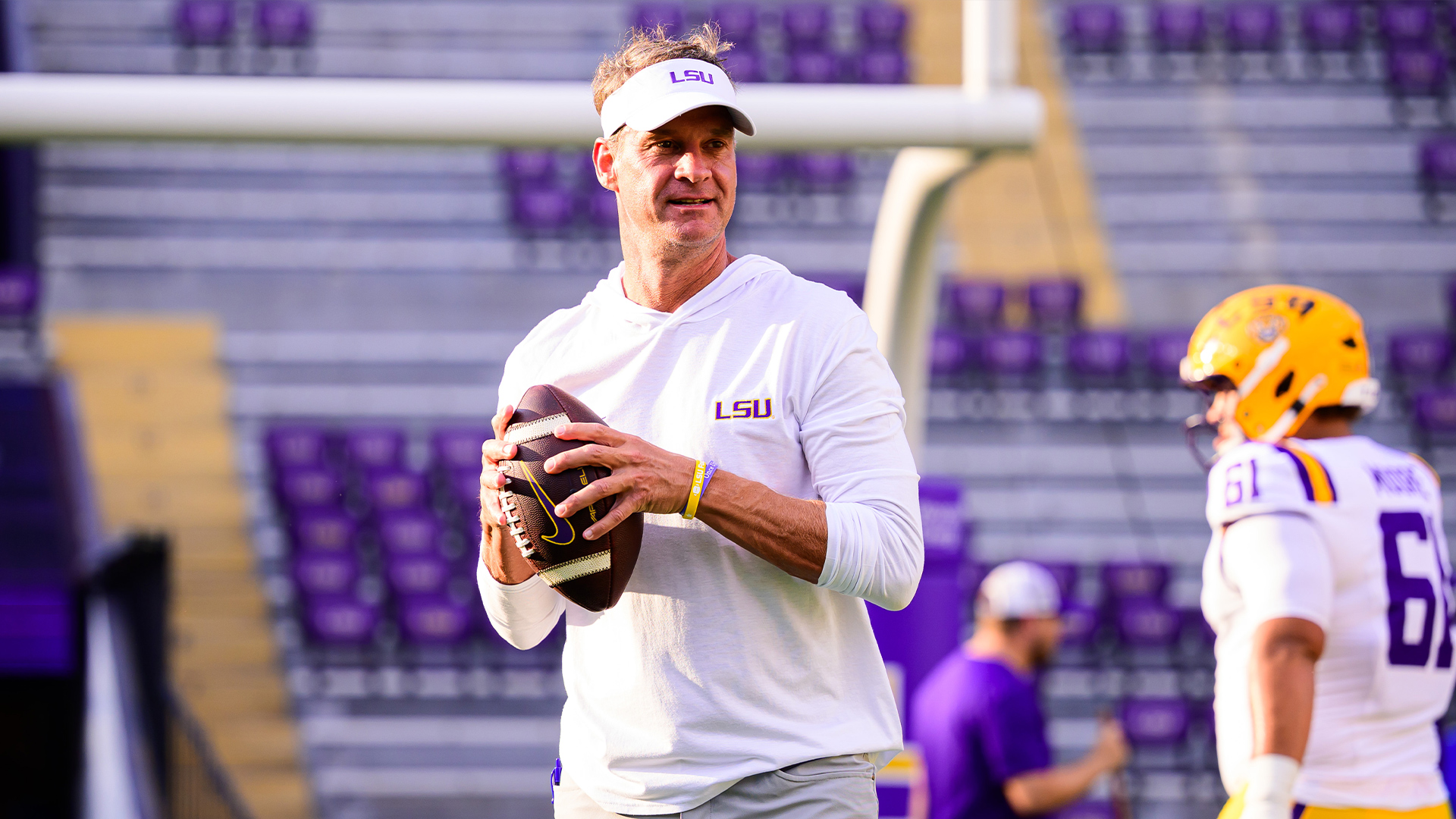
The highly anticipated Week 1 matchup between No. 11 LSU and Clemson, initially billed as a marquee event and a significant debut for Lane Kiffin in the Bayou, has been dramatically eclipsed by a swirling controversy surrounding the eligibility of former NFL players returning to college football for their final year. This heated on-field rivalry, fueled by shared stadium nicknames like "Death Valley" and identical mascots in the Tigers, has taken a backseat to a complex legal and ethical debate that is now dominating discussions among fans and analysts alike.
Matt Moscona, a prominent sports radio host for 104.5 ESPN in Baton Rouge, Louisiana, has witnessed firsthand the seismic shift in public discourse. He estimates that a staggering 10 out of the 12 segments on his three-hour Thursday show were dedicated to the eligibility issue, leaving only a single segment for the actual football game. This overwhelming focus underscores a deep-seated anxiety among LSU’s fanbase, which appears less concerned about the formidable Clemson Tigers and more about the long-term implications of Kiffin’s aggressive recruitment strategy. Kiffin’s willingness to court and utilize players who have already signed professional contracts, in direct defiance of Southeastern Conference (SEC) regulations, has ignited a firestorm of apprehension regarding the future integrity and standing of the LSU football program.
"The phrase everyone here is using is, ‘Is the juice worth the squeeze?’" Moscona articulated, encapsulating the prevailing sentiment. "Why go through this big public ordeal to add a couple of backup players? Which is what we’re talking about, quite honestly. The overriding sentiment is people are fearful of the punishments." This fear extends beyond potential individual sanctions, with speculation rampant about the possibility of Kiffin facing suspension or, more drastically, LSU itself being expelled from the SEC. Such a consequence would be particularly devastating for a program that has been a foundational member of the conference since its inception in the early 1930s. Moscona emphasized the collective concern: "People here are wondering if we are really thinking about the long-term ramifications of playing a few backups."
The catalyst for this controversy lies in Kiffin’s recruitment of two former Ole Miss players, defensive tackle Zxavian Harris and tight end Dae’Quan Wright. Both players had spent time with NFL clubs during the offseason, and their subsequent re-enrollment at LSU under Kiffin’s guidance has ignited a legal battle. The Southeastern Conference has taken the unprecedented step of suing LSU in federal court, alleging a coordinated effort to recruit former professional athletes in violation of its established rules. This legal action has cast a long shadow over a partnership that has endured for decades, dating back to the Great Depression.
The debate over the eligibility of former NFL players has also drawn strong opinions from other prominent figures in college football. Clemson head coach Dabo Swinney, a vocal critic of the practice, has publicly denounced the idea of ex-NFL players competing on Saturdays as "embarrassing" for the sport. His stance reflects a broader sentiment among many coaches who believe it undermines the fundamental principles of amateurism that have historically defined college athletics.
The issue has become so significant that all four Power Four conferences have recently reiterated their existing rules prohibiting professional athletes from participating in college football. Furthermore, some conferences have outlined stringent penalties for violations, including substantial fines and player suspensions. SEC Commissioner Greg Sankey has been a leading voice in this discourse, emphasizing the critical need to maintain a clear distinction between professional and collegiate sports, even in an era where top college athletes are commanding lucrative compensation packages through revenue sharing and Name, Image, and Likeness (NIL) deals. Sankey testified that "the line between professional sports and college sports needs to be maintained."
Lane Kiffin, a figure known for his outspoken and often polarizing nature long before this latest controversy, presents a different perspective. He maintains that he consulted with LSU’s team leaders, who reportedly expressed full support for bringing in players capable of contributing to the Tigers’ success, regardless of their prior NFL experiences. Kiffin has dismissed concerns that this approach blurs the lines of amateurism, framing it as a pragmatic adaptation to the realities of modern athletics. "This is how it works at the next level," Kiffin stated this week. "This is how the real world works."
Moscona also pointed out that other programs have successfully recruited former NFL players, citing South Carolina’s recent acquisition of kicker Ethan Sanchez, who had attended a camp with the San Francisco 49ers. He places a significant portion of the blame on the NCAA for its failure to grant a blanket waiver that would have allowed athletes from the 2022 high school class to return for a fifth year, particularly after the association altered its eligibility model in June. "The problem here is those players would have never left had they known they would have had another year of eligibility," Moscona argued. "The NCAA did not heed advice that lawsuits would follow. And, the lawsuits have followed. And now it’s awful."
Despite the looming legal entanglements and ethical debates, the LSU vs. Clemson game has undoubtedly captured national attention. The university has reported an unprecedented number of media and VIP requests, exceeding 900, for the season opener. Kiffin views this intense scrutiny as a positive indicator of the program’s marketability. "I think that speaks volumes of the eyeballs on us and people wanting to be around the program and watch the program," Kiffin commented. "All that is important nowadays. No. 1 is winning but after that you have a very marketable program." This sentiment highlights a strategic understanding of the modern sports landscape, where on-field success and off-field buzz are increasingly intertwined.
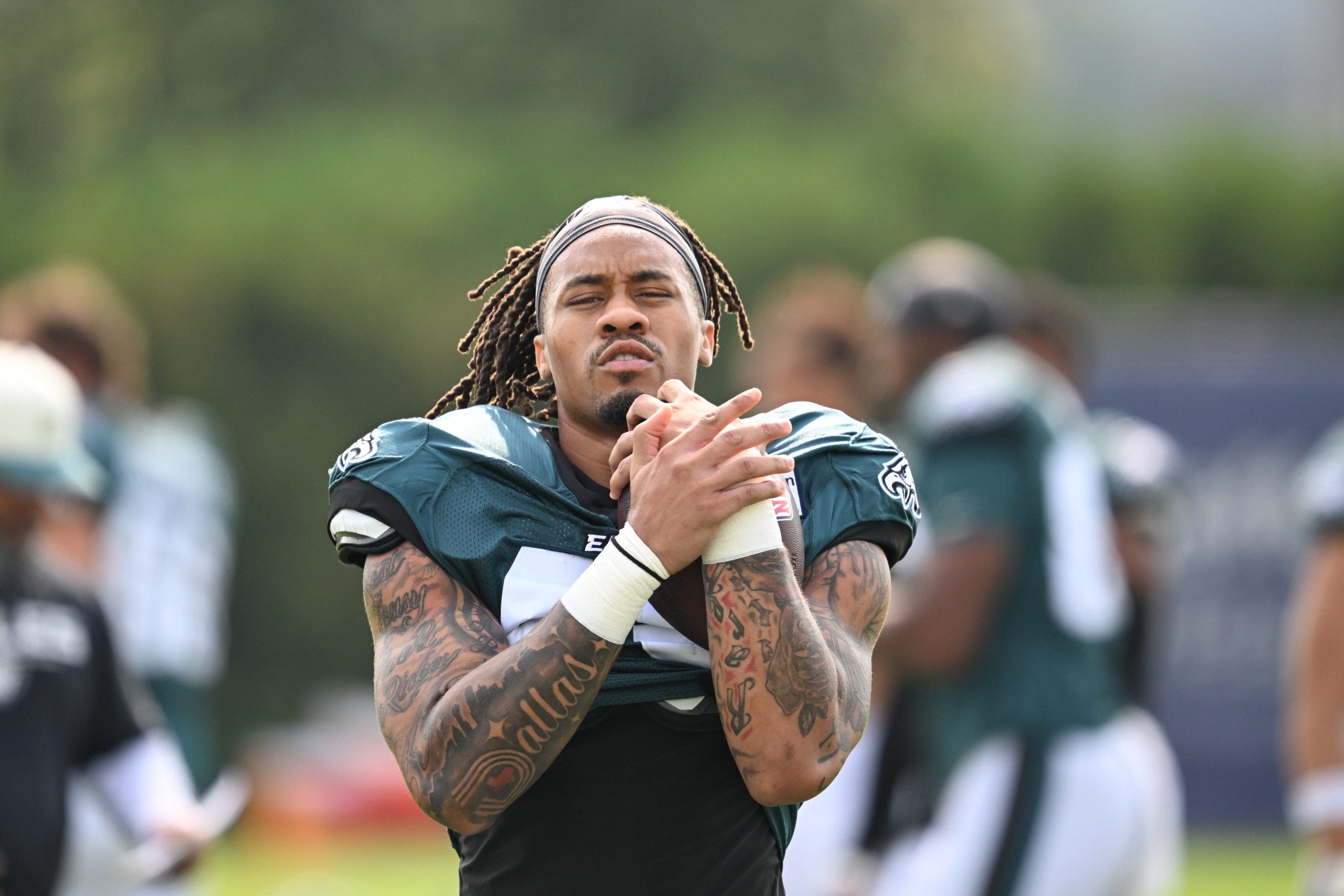
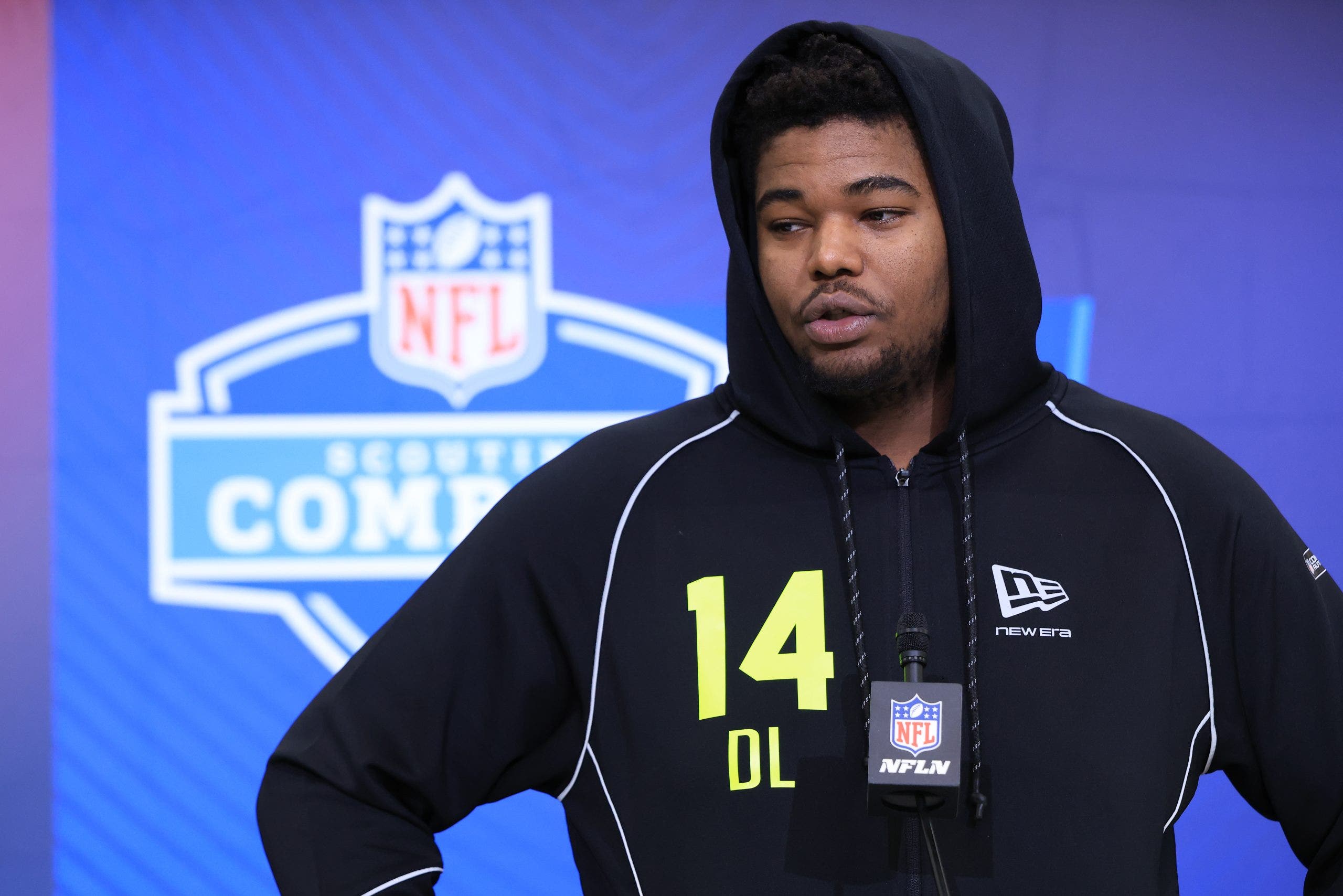
The players at the center of this debate, Zxavian Harris and Dae’Quan Wright, represent a new frontier in college football eligibility. Harris, a defensive tackle, participated in the NFL Scouting Combine earlier this year and subsequently signed with the New Orleans Saints before being waived in August. Wright, a tight end, also secured professional contracts with both the Philadelphia Eagles and Cleveland Browns before his reunion with Kiffin at LSU. Their journeys underscore the evolving pathways for collegiate athletes and the complex interplay between the NFL and college football. The NCAA’s current eligibility rules, designed to maintain a distinction between amateur and professional sports, are being tested by these unique circumstances. The legal challenges and the strong reactions from conference officials and coaches suggest that the landscape of college football eligibility is on the cusp of significant change, driven by the very players who are pushing the boundaries of the established norms.
The ramifications of this legal dispute could extend far beyond the immediate outcomes of the LSU-Clemson game. The SEC’s decision to pursue legal action against one of its member institutions signals a willingness to defend its rules and, by extension, the traditional structure of college athletics. This bold move could set a precedent for how future eligibility disputes are handled and might force a re-evaluation of the NCAA’s role in governing collegiate sports in an era of unprecedented athlete mobility and professional opportunities. The convergence of legal action, coaching opinions, and fan anxieties paints a vivid picture of a sport grappling with its identity and its future. As the whistle blows on this highly charged season opener, the real game may well be unfolding in courtrooms and conference rooms across the nation, determining the eligibility and future of college football itself.
The unprecedented nature of this situation has also brought into sharp focus the financial incentives and professional aspirations that now permeate college sports. While traditionally viewed as an amateur endeavor, the rise of NIL deals has transformed the financial landscape for student-athletes. This shift has blurred the lines between collegiate play and professional aspirations, creating a fertile ground for the type of eligibility challenges now being faced by LSU and Lane Kiffin. The SEC’s stance, while seemingly rooted in tradition, is also a defense of its established economic model and its control over player recruitment and development. The lawsuit against LSU can be interpreted as an effort to assert control and prevent a precedent that could destabilize the conference’s competitive balance and its financial interests.
The debate over whether players who have signed professional contracts should be allowed to return to college football is multifaceted. Proponents, like Kiffin, argue that it provides a valuable opportunity for players to gain further experience and refine their skills, potentially improving their NFL prospects. They also contend that it allows players who may have entered the NFL too early or who were released from their contracts to continue their education and athletic careers. Critics, however, raise concerns about competitive fairness, arguing that these players possess a level of experience and physical maturity that gives them an unfair advantage over younger, less experienced collegiate athletes. The "embarrassing" label used by Dabo Swinney reflects this sentiment, suggesting a dilution of the collegiate game’s purity and a potential disruption of the developmental pipeline for aspiring NFL talent.
The NCAA’s role in this unfolding drama is also under scrutiny. Its decision to modify eligibility rules and its subsequent failure to provide clear guidelines for players who have had NFL dealings have created a vacuum that has been filled by legal challenges and inter-conference disputes. Moscona’s assertion that the NCAA "did not heed advice that lawsuits would follow" points to a potential failure in foresight and proactive governance. The organization, tasked with upholding the integrity of college sports, now finds itself caught between traditional regulations and the evolving realities of athlete empowerment and professional opportunities.
As the college football season commences, the LSU-Clemson game serves as a dramatic backdrop to a much larger conversation about the future of the sport. The legal battles, the vocal opposition from coaches, and the palpable anxiety among fans all underscore the profound questions facing collegiate athletics. Whether the "juice is worth the squeeze" for LSU and Lane Kiffin remains to be seen, but their actions have undeniably initiated a seismic shift, forcing a reckoning with the rules, the values, and the very definition of college football in the 21st century. The ultimate resolution of these legal and ethical dilemmas will likely shape the sport for years to come, impacting everything from recruitment policies to the fundamental principles of amateurism. The world is watching, and the echoes of this controversy will undoubtedly reverberate throughout the season and beyond.
