
 By Rifan Muazin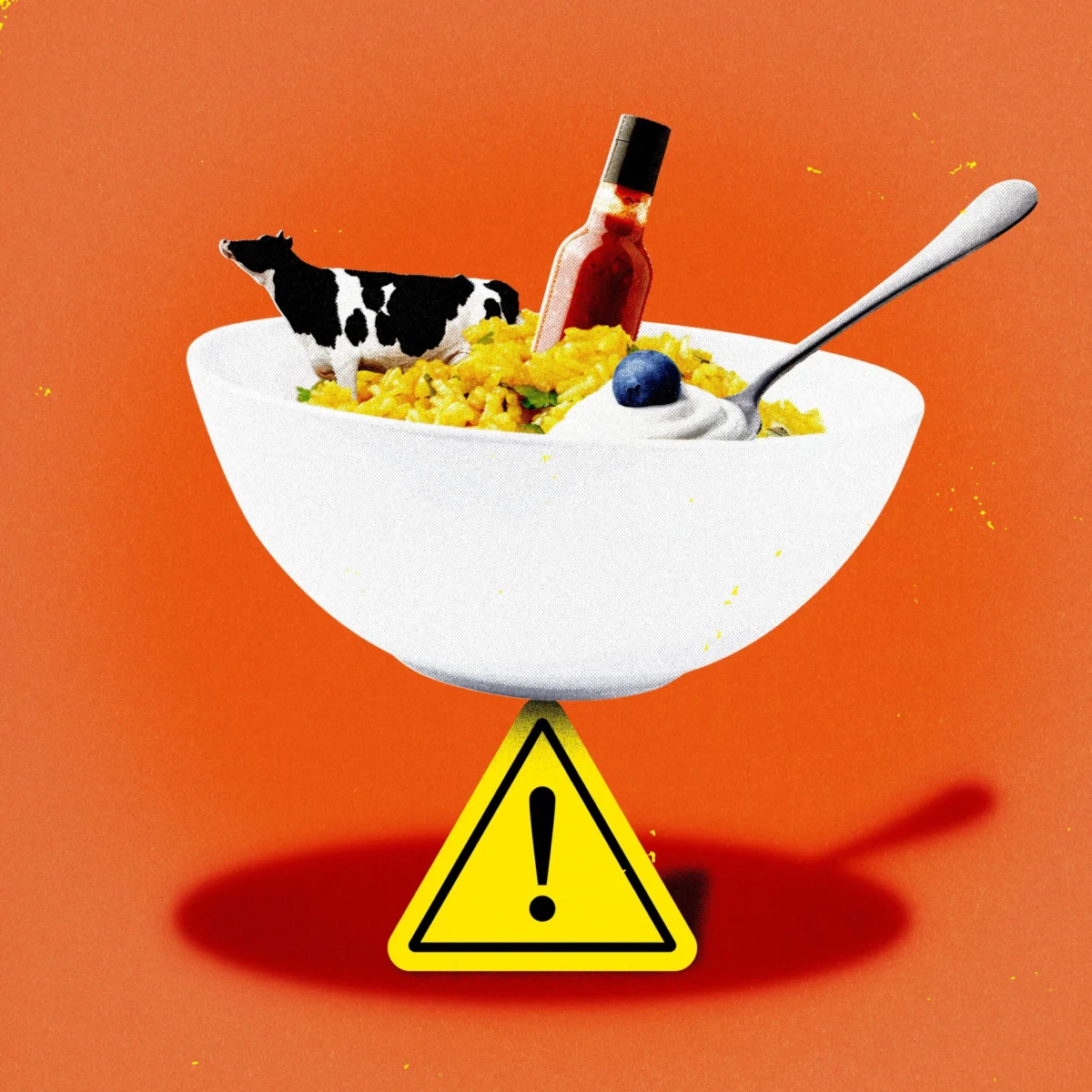
The summer of 2026 will likely be remembered not for its record-breaking heat, but for a different kind of internal fire—one characterized by what social media has colloquially dubbed "the summer of explosive diarrhea." As the season draws to a close, public health officials and food safety experts are surveying a landscape of contamination that suggests the American food safety net is not just fraying, but actively collapsing. Since May 1, the Centers for Disease Control and Prevention (CDC) has logged a staggering 18,445 lab-confirmed cases of domestically acquired cyclosporiasis. This parasitic infection, caused by the microscopic Cyclospora cayetanensis, has swept through 49 states and the District of Columbia, leading to 990 hospitalizations and two confirmed deaths in Michigan. To put the scale of this crisis into perspective, the same window in the previous year saw only 1,180 cases. This represents a fifteen-fold increase, marking the most catastrophic cyclospora season in United States history.
The primary vector for this parasitic surge was identified early in the season as iceberg lettuce. Investigators traced a massive cluster of 11,458 illnesses across 20 states back to recalled product from Taylor Farms de Mexico. The fallout was so widespread that it briefly turned Taco Bell into the face of a parasitic outbreak, forcing the fast-food giant to purge its supply chain mid-summer. While the CDC has begun to wind down its weekly updates as the best-by dates for the contaminated lettuce pass, the incident serves as a grim herald for a broader systemic failure. In the last eighteen months, the American consumer has been bombarded with a relentless cycle of recalls: salmonella-tainted eggs across 18 states, E. coli-contaminated blueberries, jalapeños that threatened the operations of Chipotle and Qdoba, toxic guacamole at Whole Foods, and even mislabeled chocolate eyeballs containing undeclared allergens.
The timing of this epidemiological disaster is no coincidence. It follows a period of radical restructuring and fiscal contraction within the nation’s primary health watchdogs. In March 2025, the Department of Health and Human Services (HHS) eliminated approximately 3,500 positions from the Food and Drug Administration (FDA), representing a 20% reduction in the agency’s total workforce. While Marty Makary, who served as FDA Commissioner from May 2025 to May 2026, insisted that "no scientific reviewer or inspector was cut," the functional reality on the ground tells a different story. According to Dr. Reshma Ramachandran, co-director of the Yale Collaboration for Regulatory Rigor, Integrity, and Transparency, the cuts created a "hollowed-out" agency. Even if inspectors remained on the payroll, their support systems vanished. Salaries flatlined, performance bonuses were eliminated, and the remaining staff were buried under the administrative wreckage of their departed colleagues. Specialized personnel, the veteran scientists who can spot a pattern in a regional outbreak before it becomes a national crisis, began to quit in frustration.
This administrative vacuum has led to a transparency crisis. Members of Congress, led by Representative Frank Pallone of New Jersey, have repeatedly demanded an accurate headcount of the FDA’s remaining inspection staff. As of late 2026, the agency has failed to provide one. This lack of oversight has direct consequences for the dinner table, particularly for a specific demographic of American consumers: the fitness-focused "optimization" crowd.
For those dedicated to hitting specific macronutrient targets—often referred to in internet subcultures as consumers of "boyslop" or "boykibble"—the current food safety crisis is a direct hit to their lifestyle. The "boyslop" diet is not characterized by junk food; rather, it is a utilitarian approach to nutrition. It typically consists of large volumes of ground beef or chicken, rice, frozen vegetables, and Greek yogurt mixed with berries and protein powder. It is the diet of the "responsible" man, designed for maximum protein intake and minimum cost. However, a cross-reference of the "boyslop" ingredient list against the 2026 recall list reveals a terrifying overlap. The eggs were hit by salmonella; the lettuce carried parasites; the blueberries were flagged for E. coli and elevated to the FDA’s highest risk tier; and the protein powders were found to be mislabeled or contaminated with heavy metals. Even the staple of the diet—beef—has faced a dual crisis of pathogen risk and skyrocketing prices.

The epicenter of this crisis, Michigan, became a political flashpoint during the summer. Dr. Abdul El-Sayed, an epidemiologist and former Detroit health commissioner currently running for the Senate, transformed the outbreak into a central campaign issue. El-Sayed pointed to the FDA’s retraction of a positive cyclospora test for Taylor Farms—initially labeled a "false positive"—as evidence of political interference. He argued that the deregulation championed by the current administration, including the influence of the Department of Government Efficiency (DOGE), has made the simple act of eating a salad a high-stakes gamble. "We now need to be dodging lettuce across the state of Michigan for fear of getting explosive diarrhea," El-Sayed noted in a viral CNN appearance, linking the outbreak to the broader dismantling of the federal regulatory apparatus.
The human cost of this systemic failure is best seen in the daily lives of people like Adam Heusinkveld, an amateur bodybuilder in Chicago. To maintain his physique, Heusinkveld requires 200 to 225 grams of protein daily. In the current market, achieving this "cleanly" has become an expensive logistical nightmare. With egg supplies compromised and chicken breast prices hovering at levels that can cost a heavy eater $800 a month, many lifters are being forced into "psychological wear and tear." The constant need to scour the internet for new recall notices has turned meal prep into an exercise in risk management.
The beef industry offers little relief. In July 2026, lean ground beef averaged $8.41 per pound, a price spike driven by the fact that the American cattle herd has reached a 75-year low. Efforts to supplement the supply through Mexican imports were thwarted by a screwworm outbreak—a biological crisis that critics link to DOGE-led funding cuts for USAID’s screwworm monitoring programs in Central America. For consumers like Ian Mulle, a supply chain professional who also aims for 200g of protein a day, the solution has been to retreat into "sludge" mixtures of Greek yogurt and rice, though even these are not immune to the risks of contaminated produce or mislabeled supplements.
From a clinical perspective, the danger of this "Summer of the Parasite" extends beyond the immediate symptoms of infection. Bethany Doerfler, a senior clinical research dietitian at Northwestern Medicine, warns of a dangerous overcorrection. When consumers lose faith in fresh produce and raw ingredients, they often retreat into ultra-processed, shelf-stable foods. "They’ve cut their fruits and vegetables, and that’s the opposite of what we want," Doerfler explains. While cooking kills many bacteria, it is not a panacea for items like lettuce or guacamole, which are consumed raw. Furthermore, the shift to plant-based protein powders as a "safe" alternative carries its own risks; the concentration processes used in these products often lead to higher levels of heavy metals like lead and cadmium compared to traditional whey.
The advice from experts remains frustratingly basic: wash what you can, cook what you must, and stay vigilant. However, Dr. Ramachandran warns that we may only be seeing the tip of the iceberg. Because the very systems designed to track and report these outbreaks have been gutted, the true scale of the contamination is likely underreported. The "boyslop" bowl, once a symbol of disciplined health and economic efficiency, has become a microcosm of a failing infrastructure. As the FDA continues to operate with a diminished workforce and the cattle herd remains at historic lows, the American consumer is left to navigate a food supply that is increasingly expensive and fundamentally uncertain. The "Summer of the Parasite" may not be a one-off event, but the beginning of a new, more dangerous normal in the American kitchen.
