
 By admin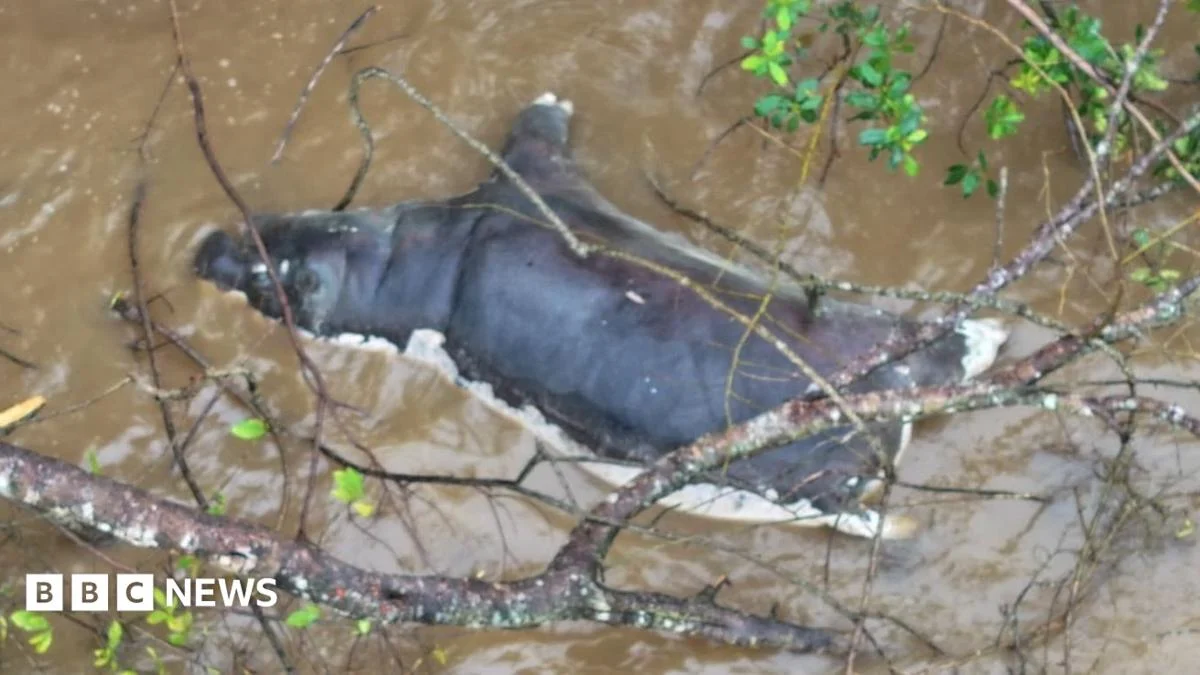
A severe outbreak of anthrax has swept through the Munyamadzi Game Management Area in Zambia’s Muchinga Province, resulting in the deaths of numerous wild animals and prompting urgent public health advisories from authorities. Since July, a grim tally of 46 hippos, eight elephants, five buffaloes, and one crocodile have succumbed to the deadly bacterial infection, raising alarms about potential human transmission. The situation has escalated to the point where 12 individuals have already been infected with anthrax after consuming meat from these deceased wild animals, underscoring the critical risks associated with handling and consuming wildlife in affected regions.
This alarming surge in anthrax cases highlights a recurring and deeply concerning public health challenge for Zambia, a nation where anthrax is endemic. The primary mode of transmission in this latest outbreak appears to be the consumption of meat from animals that have died naturally or from unknown causes. This practice, while a vital source of protein for many local communities who depend on wildlife for sustenance, carries inherent dangers, especially when the animals are infected with pathogens like Bacillus anthracis. Norman Chipakupaku, the national coordinator for Zambia’s Disaster Management and Mitigation Unit, poignantly described the tragic irony: "The sad story about the deaths of this wildlife is that the carcasses ended up being eaten by the local people – that’s what they depend on for their food."
In response to the escalating crisis, Zambian authorities have issued stern warnings, urging the public to refrain from consuming any meat from animals that die naturally or under suspicious circumstances. The Disaster Management and Mitigation Unit has emphasized the importance of reporting any such incidents to the relevant authorities immediately, facilitating swift intervention and containment efforts. Furthermore, all hunting activities within the affected Munyamadzi Game Management Area have been suspended indefinitely. This precautionary measure aims to prevent further spread of the disease and allow officials to thoroughly assess the geographical extent of the outbreak and the associated risks to both wildlife and human populations.
The precise geographical reach of this latest anthrax outbreak is still under investigation. Surveillance teams and laboratory personnel are actively engaged in ongoing investigations to map the full scope of the disease and identify any potential spillover into neighboring areas or other wildlife populations. Anthrax, caused by the bacterium Bacillus anthracis, is a formidable pathogen that can persist in the environment for extended periods as spores, often lying dormant in soil for years. These spores can enter an animal’s body through inhalation or via cuts and wounds, typically affecting grazing animals and often leading to sudden, rapid death. The bacterium can then be transmitted to humans through direct contact with infected animal products, such as meat, hides, or wool, or through consumption of contaminated meat.
While anthrax is endemic to Zambia, human deaths directly attributable to the disease are not a common occurrence. However, the nation has experienced significant outbreaks in the past, serving as stark reminders of the pathogen’s potential for devastation. In 2023, Zambia grappled with what was described as an "unprecedented outbreak" that resulted in four human fatalities and spread across an astonishing nine out of the country’s ten provinces. This widespread dissemination underscored the challenges in controlling the disease, particularly in rural areas where human-wildlife interaction is frequent.
A more distant, yet equally impactful, large-scale outbreak was reported in 2011. This event saw over 500 reported cases, tragically claiming the lives of five individuals who had consumed meat from infected hippos. The 2011 outbreak, like the current situation, highlighted the extreme danger posed by the consumption of meat from animals that have died suddenly or under circumstances that suggest a possible infectious disease. The memory of such past events undoubtedly fuels the urgency of the current public health response.
In the immediate aftermath of the current outbreak, the 12 individuals infected with anthrax are receiving medical treatment, and thankfully, no human deaths have been reported thus far. This provides a glimmer of hope amidst the escalating crisis. However, the potential for further human infections remains a significant concern, given the dietary habits of local populations and the inherent difficulty in containing a zoonotic disease that can spread rapidly through contaminated animal carcasses.
The scientific understanding of anthrax provides crucial context for the current situation. Bacillus anthracis is a spore-forming bacterium, a characteristic that contributes to its resilience and longevity in the environment. These hardy spores can survive in soil for decades, awaiting favorable conditions to infect a host. Grazing animals are particularly vulnerable as they ingest spores present in contaminated soil or vegetation. The infection can progress rapidly, leading to septicemia and often sudden death, leaving behind carcasses that may then become a source of infection for scavengers and, tragically, for humans.
The transmission pathway from animals to humans is well-established. Direct contact with infected tissues, blood, or fluids during the handling of carcasses, or through the consumption of undercooked or improperly prepared meat from infected animals, are the primary routes of human exposure. The spores can enter the human body through inhalation (inhalation anthrax), ingestion (gastrointestinal anthrax), or through cuts and abrasions in the skin (cutaneous anthrax). While cutaneous anthrax is the most common form and generally the least fatal, gastrointestinal and inhalation anthrax can be much more severe and life-threatening.
The public health messaging from Zambian authorities is therefore crucial and multi-faceted. Citizens are not only urged to avoid consuming meat from animals that have died unexpectedly or from suspected anthrax but are also advised against handling wild animals altogether. This broader recommendation aims to minimize any potential contact with the bacteria, whether through direct handling of carcasses or through contact with contaminated environments. The emphasis on reporting suspicious animal deaths is paramount for early detection and rapid response, allowing veterinary and public health officials to isolate affected areas, safely dispose of carcasses, and implement necessary control measures.
The ongoing surveillance and laboratory investigations are vital for understanding the dynamics of this outbreak. Researchers will be looking to identify the specific strain of Bacillus anthracis involved, its prevalence in the environment, and the specific factors that may have contributed to this surge in cases. This information will be critical for developing targeted intervention strategies and for refining public health advisories. Understanding the ecological factors that may have facilitated the outbreak, such as environmental changes, rainfall patterns, or the movement of wildlife populations, could also provide valuable insights into preventing future occurrences.
The socio-economic dimension of this crisis cannot be overlooked. For many communities in rural Zambia, bushmeat represents a critical component of their diet and a significant source of income through hunting and trade. The suspension of hunting and the warnings against consuming wildlife directly impact these livelihoods. Therefore, any long-term strategy to combat anthrax must also consider alternative food security measures and economic support for affected communities, ensuring that public health initiatives do not inadvertently exacerbate poverty or food insecurity.
The Zambian government, in collaboration with international health organizations and wildlife conservation bodies, faces a complex challenge in balancing the immediate need to control the anthrax outbreak with the long-term goals of wildlife conservation and the socio-economic well-being of its citizens. Effective communication, community engagement, and robust surveillance systems will be key to navigating this crisis and mitigating its devastating consequences. The recurring nature of anthrax outbreaks in Zambia serves as a potent reminder of the interconnectedness of human and animal health and the critical importance of a One Health approach to disease prevention and control in a world where the boundaries between human and wildlife populations are increasingly blurred. The current outbreak in Munyamadzi is a stark testament to this reality, demanding vigilance, decisive action, and a concerted effort to protect both animal and human lives.
