
 By admin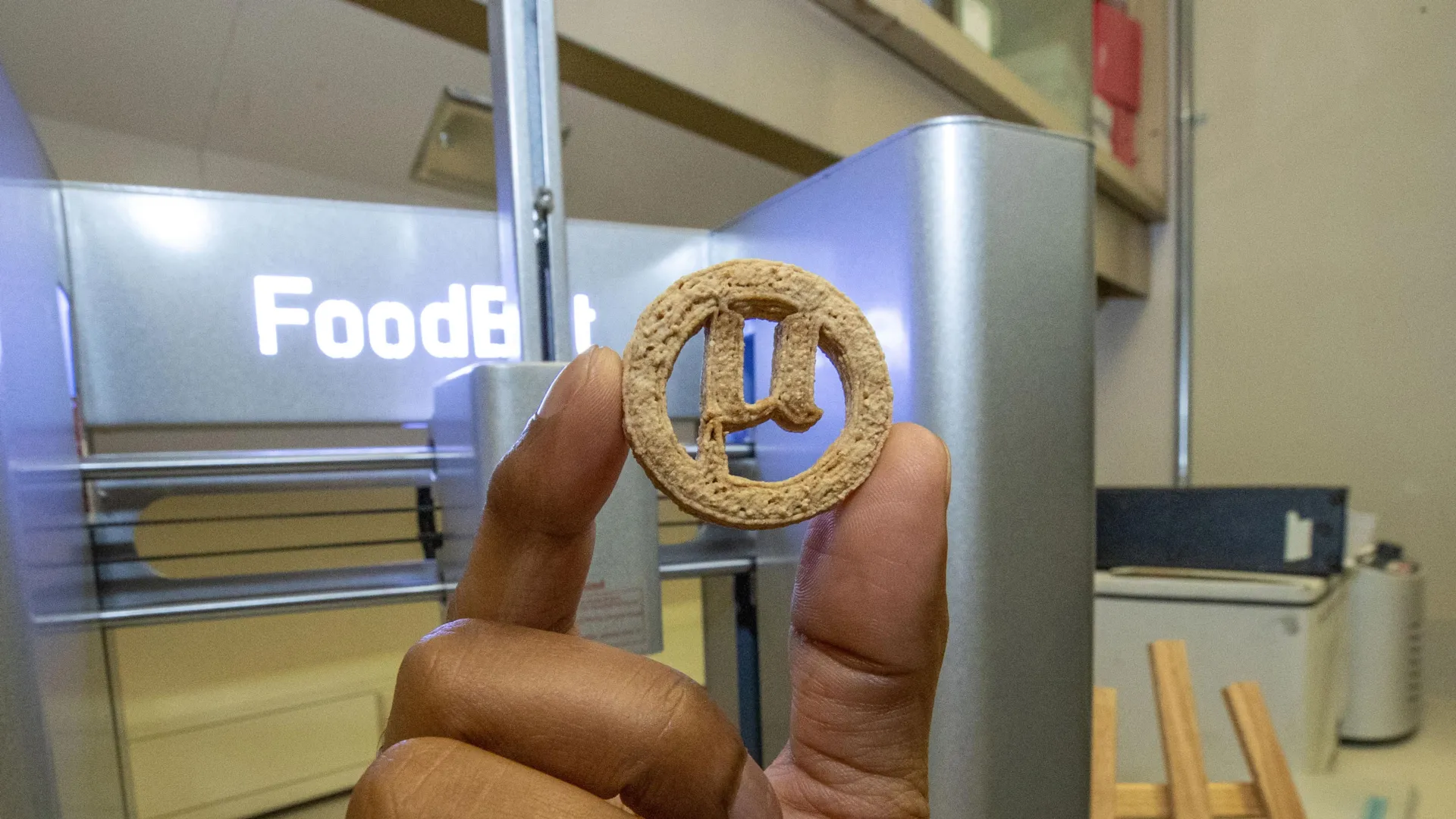
The significance of this research extends far beyond mere recycling. It presents a paradigm shift in how humanity might address resource limitations, providing a novel pathway to produce essential nutrients in environments where conventional food supplies are scarce or non-existent. From providing sustenance in disaster-stricken areas on Earth to ensuring the survival of astronauts on long-duration missions deep into space, the potential applications are vast and transformative. The research team from Southern Illinois University (SIU) Carbondale recently unveiled their findings at the American Chemical Society (ACS) fall meeting, held at McCormick Place, during the "Undergraduate and Graduate Research in Biochemistry and Chemical Biology" symposium, garnering considerable attention for its ambitious vision.
The Twin Crises: Plastic Pollution and Food Insecurity
To fully appreciate the impact of this scientific endeavor, it’s essential to understand the scale of the problems it aims to tackle. Plastic pollution has become an omnipresent environmental crisis. Globally, humanity produces over 400 million tons of plastic waste annually, with a significant portion, particularly polyethylene terephthalate (PET) used in bottles and packaging, ending up in landfills, incinerators, or polluting natural ecosystems. PET, while technically recyclable, often faces economic and logistical hurdles that prevent its widespread reuse, leading to a linear "take-make-dispose" model. Its persistence in the environment, breaking down into microplastics that infiltrate water, soil, and even our food chain, poses long-term ecological and health risks. Traditional recycling often leads to "downcycling," where plastics are converted into lower-value products, rather than truly upcycling them into something more beneficial.
Simultaneously, the world grapples with an escalating food crisis. Despite advancements in agriculture, approximately 800 million people worldwide suffer from chronic undernourishment. Projections indicate that the global population is expected to reach nearly 10 billion by 2050, necessitating a substantial increase in food production—an estimated 35-56% rise from current levels. This demand is compounded by diminishing arable land, water scarcity, climate change-induced extreme weather events, and geopolitical conflicts that disrupt supply chains. The conventional agricultural system, heavily reliant on land, water, and specific climatic conditions, is increasingly vulnerable and may not be able to meet future demands, leaving a significant portion of the world’s population at risk of hunger.
A Synergistic Solution from Southern Illinois University Carbondale
It is against this backdrop that the research at SIU Carbondale emerges as a beacon of hope. The team, spearheaded by Associate Professor Lahiru Jayakody and graduate student Sandhya Jayasekara, embarked on a mission to explore whether these two formidable challenges could, paradoxically, offer solutions to each other. Their central hypothesis: what if the carbon locked within plastic and agricultural waste could be repurposed into edible carbon compounds, effectively "upcycling" waste into food?
The genesis of this ambitious project lies partly in a NASA-led initiative focused on developing self-sustaining food production systems for deep space exploration. In environments like Mars or lunar settlements, where resupply missions are infrequent and costly, astronauts require closed-loop systems that minimize waste and maximize resource utilization. "We were trying to develop technologies for plastic upcycling to make more valuable products. We thought, why not focus on making food? Because plastic is carbon and food is carbon," explains Professor Jayakody, articulating the elegant simplicity of their core concept. This fundamental understanding — that the elemental building blocks of plastic and food are the same — opened the door to reimagining waste as a valuable resource.
Their primary target is PET plastic, ubiquitous in beverage bottles. PET is a polymer composed of repeating units containing carbon-rich molecules. The challenge lies in breaking these robust polymers into smaller, bioavailable constituents that microorganisms can then process. While chemical reactions in laboratory solvents could achieve some of these transformations, the SIU Carbondale team opted for a more biologically inspired approach, leveraging the inherent capabilities of microbes to perform complex biochemical processes naturally and efficiently. "Microbes are very clever," Jayakody notes, "So, we are using their traits to solve the problems we created." This philosophy underscores a broader trend in biotechnology: harnessing nature’s sophisticated machinery to address human-made problems.
Engineering Tiny Food Factories: The Role of Yeast
The concept of using microorganisms to manufacture valuable substances is well-established in biotechnology. For decades, genetically programmed yeast and bacteria have been industrial workhorses, producing everything from enzymes and biofuels to pharmaceuticals. A classic example is insulin, once painstakingly extracted from animal pancreases, now mass-produced safely and efficiently by engineered microbes, revolutionizing diabetes treatment.
Jayakody and Jayasekara applied this powerful idea to the realm of waste valorization. They focused on engineering several types of yeast, including common baker’s yeast (Saccharomyces cerevisiae), to act as "tiny food factories." These modified yeast strains are designed to metabolize specific molecules derived from processed plastic and agricultural waste, converting them into desirable food components such as proteins, vitamins, and flavoring compounds.
However, before the yeast can begin its transformative work, the waste materials themselves need significant preparation. Plastic polymers and lignocellulosic biomass (like corn stalks and leaves) are notoriously recalcitrant and complex. The researchers employ a proprietary pre-treatment technique known as oxidative hydrothermal dissolution (OHD), developed by SIU Carbondale Geology Professor Ken Anderson. OHD is a sophisticated thermochemical process that combines water and oxygen under high temperature and pressure. This extreme environment effectively breaks down the robust chemical bonds within the resistant waste materials, depolymerizing them into simpler, more manageable organic compounds. These smaller molecules, rich in carbon, are then in a form that the engineered microbes can readily access and metabolize. This pre-processing step is critical, as it bridges the gap between the complex, non-edible waste matrix and the biochemical pathways of the yeast.
Once the waste is rendered into these bio-accessible fragments, they are fed to the genetically engineered yeast. Through their metabolic processes, the microorganisms consume these carbon sources and synthesize a range of new food components, including amino acids (the building blocks of proteins), various fats, and organic acids. This process effectively redirects the carbon flow from waste streams into valuable nutritional outputs, demonstrating a truly circular economy model.
From Microbial Brews to 3D Printed µBites
The journey from discarded plastic and farm residue to a tangible food product culminates in what the researchers have affectionately dubbed "µBites" (pronounced "microbites"). Once the yeast has completed its biotransformation, the desired protein, fat, and vitamin-rich ingredients are harvested. These microbial-derived components are then combined with other essential food elements such as fiber, starch, and sweeteners. This mixture forms a paste that is then fed into a 3D printer.
The use of 3D printing technology is not merely a novelty; it offers practical advantages. It allows for precise control over the texture, shape, and nutritional content of the final product. For future applications in space or disaster zones, 3D printing could enable on-demand food production, customizing meals to specific nutritional requirements and even individual preferences, minimizing waste and maximizing efficiency. The printer extrudes the paste into the shape of protein-rich cookies.
While the prospect of eating plastic-derived food might initially raise eyebrows, the researchers emphasize the rigorous safety protocols in place. "The available data indicate that µBites are safe to eat," the team asserts, though they are currently awaiting formal institutional approval before conducting extensive human taste tests. Initial evaluations have focused on aroma, and early indications suggest a general willingness among participants to consume µBites, particularly in hypothetical scenarios where conventional food options are limited. This initial acceptance is crucial for the future viability of such unconventional food sources.
Recognizing that widespread adoption also depends on palatability and appeal, the researchers are actively working to enhance the sensory experience of µBites. Graduate student Sandhya Jayasekara’s contributions have been pivotal in this area. She has further engineered yeast strains to produce additional food ingredients that directly contribute to flavor and nutrition. For instance, baker’s yeast has been programmed to generate vanilla flavoring directly from plant biomass. In another significant development, a distinct yeast strain can now utilize ethylene glycol—a compound derived from PET plastic—to produce beta-carotene. Beta-carotene is a powerful antioxidant and a precursor that the human body converts into essential Vitamin A, highlighting the potential to imbue these novel foods with vital micronutrients. "We’re using microbes to develop the cookie into a more attractive, consumer-friendly product," says Jayasekara, underscoring the holistic approach to food design.
The Future Vision: A Microbial-Powered Food System
The ultimate goal for the SIU Carbondale team is to create an entirely microbe-driven food system for µBites. This means expanding the engineered yeast’s capabilities to produce not just the proteins, fats, and vitamins, but also the starch, fiber, and sweeteners that are currently added separately. Achieving this would represent a truly self-contained, bioregenerative food production platform, dramatically reducing reliance on external inputs and making the system even more efficient and sustainable.
Professor Jayakody is optimistic about the timeline, expressing hope that these innovative cookies could be ready for public consumption within the next few years. Beyond their potential as an everyday sustainable food option, the technology’s most immediate and impactful applications lie in challenging environments.
Consider the confined, resource-limited conditions of submarines, where space is at a premium and resupply is difficult. Or disaster areas, where conventional food supply chains are shattered, and rapid, on-site production of nutritious meals could be life-saving. The most profound implications, however, resonate with the project’s NASA roots: human settlements on the moon or Mars. For long-duration space missions, minimizing payload mass is paramount. A system that can convert astronaut waste and mission-generated plastic into food would drastically reduce the need to transport vast quantities of provisions from Earth, making deep space exploration more feasible and sustainable.
Moreover, the researchers see this technology as a critical response to the overarching challenge of global food security. "Global food demand is expected to rise 35-56% by the year 2050, and about 30% of the world population will be at risk of hunger in the future," Jayakody reiterates, emphasizing the urgency. "The way to address that, I believe, is by using microbes." This vision suggests a future where food production is decentralized, less dependent on traditional agricultural land, and more resilient to environmental and geopolitical shocks. It offers a tangible pathway toward a circular economy, transforming discarded materials that once threatened our planet into life-sustaining nourishment.
The pioneering research, supported by significant funding from the NASA Deep Space Food Challenge and a National Science Foundation Faculty Early Career Development Program (CAREER) grant, stands as a testament to human ingenuity. It demonstrates that with innovative scientific thinking, the very problems we create can, through the cleverness of nature and the power of engineering, be transformed into the solutions we desperately need. The humble plastic bottle and the unassuming cookie, once worlds apart, are now connected in a narrative of sustainability, resilience, and the future of food.
