
 By admin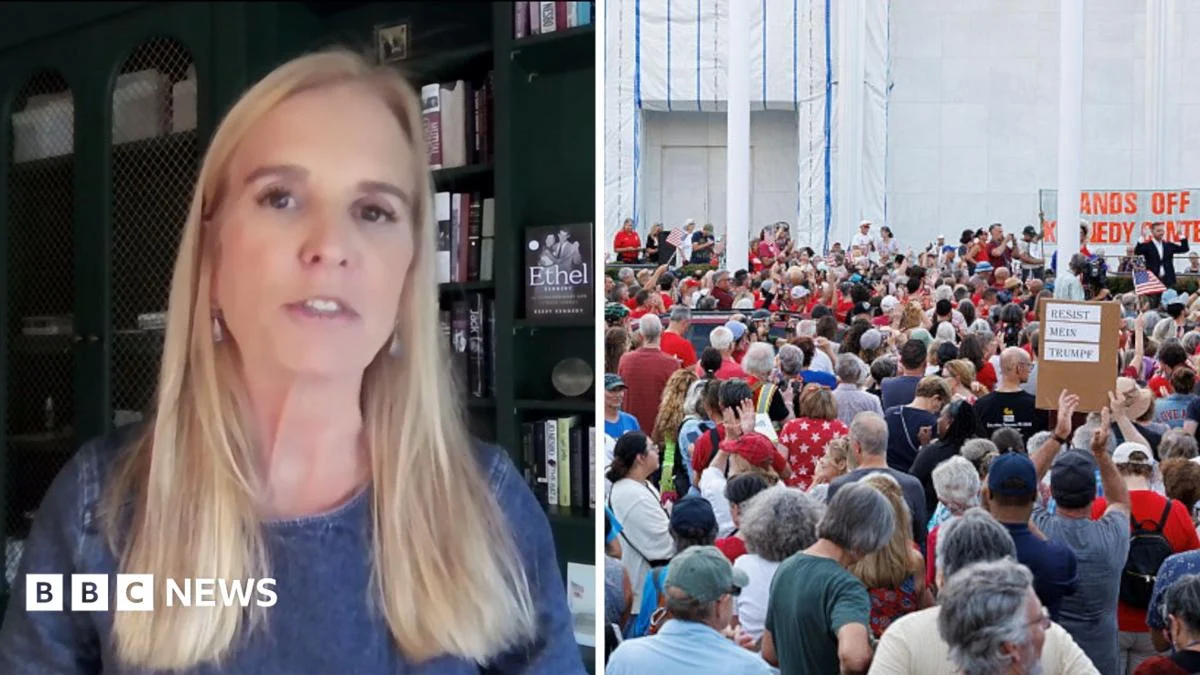
In a dramatic turn of events that has ignited a firestorm of concern within the cultural and political spheres of Washington D.C., the John F. Kennedy Center for the Performing Arts, a hallowed institution dedicated to artistic excellence and national unity, is facing unprecedented demolition threats, prompting a stern intervention from a U.S. federal judge. The legal order mandates that the Trump administration must provide a minimum of 30 days’ notice before any action that could be construed as "demolition" takes place at the iconic venue. This ruling follows a period of escalating rhetoric from President Donald Trump, who had publicly warned that the esteemed performing arts center could be "ripped down." The controversy, which has captivated national attention, was brought into sharp focus through an interview by the BBC’s Caitríona Perry with Kerry Kennedy, the niece of the late President John F. Kennedy, who expressed profound dismay and concern over the future of the center bearing her uncle’s name.
The genesis of this alarming situation can be traced back to a widely circulated photograph of President Trump aboard Air Force One. In the image, the President is seen examining a poster that, to many observers, appeared to advocate for the demolition of the Kennedy Center. This visual cue, coupled with President Trump’s subsequent public pronouncements, sent shockwaves through the arts community and beyond, igniting fears of a politically motivated attack on a significant cultural landmark. The poster itself, details of which remain somewhat nebulous, reportedly carried a headline that was interpreted as a direct endorsement of tearing down the performing arts complex. While the precise origin and intent behind the poster are subject to ongoing scrutiny, its presence and the President’s apparent engagement with it served as a potent symbol of the looming threat.
Kerry Kennedy, a prominent advocate for human rights and a member of the influential Kennedy family, spoke with Caitríona Perry, articulating the deep distress felt by many who view the Kennedy Center not just as a building, but as a living testament to President Kennedy’s vision of a vibrant and culturally rich America. "It’s deeply disheartening to see this kind of rhetoric directed at an institution that embodies so much of what my uncle stood for," Kennedy stated, her voice resonating with a mixture of sadness and defiance. She emphasized the Kennedy Center’s role as a unifying force, a place where diverse artistic expressions converge, fostering dialogue and understanding across the nation. The possibility of its destruction, she argued, represented a profound betrayal of that legacy.
The federal judge’s order, issued to halt any precipitous action, underscores the gravity of the situation. The ruling essentially acts as a safeguard, preventing any irreversible damage or demolition from occurring without ample time for public discourse, legal challenges, and potential reconsideration. The 30-day notice period is a critical window, allowing stakeholders to mobilize, articulate their opposition, and explore all available avenues to protect the center. This legal intervention signifies that the judiciary recognizes the substantial public interest and the potential harm that could result from a hasty or politically motivated decision.
The cultural significance of the John F. Kennedy Center for the Performing Arts cannot be overstated. Opened in 1971, it was conceived as a national memorial to President Kennedy, a leader who championed the arts and humanities as integral to a thriving democracy. Designed by architect Edward Durell Stone, the center is a masterpiece of modern architecture, situated majestically on the banks of the Potomac River. It serves as the nation’s busiest performing arts center, hosting a vast array of performances across theater, dance, opera, symphony, and popular music. Beyond its artistic offerings, the Kennedy Center is a hub for education and outreach, reaching millions of students and underserved communities through its various programs. It is a place where presidential inaugurations have been celebrated with artistic galas, where national holidays are commemorated with poignant performances, and where artists from across the globe have graced its stages, sharing their talents and enriching the cultural landscape of the United States.
The threats to the Kennedy Center come at a time when the role of arts and culture in public life is already a subject of debate. Proponents of robust arts funding argue that cultural institutions are essential for economic development, education, and the fostering of a shared national identity. Critics, on the other hand, may view such institutions as elitist or as an unnecessary drain on public resources. In this specific instance, however, the focus has shifted from funding debates to the very existence of the institution, fueled by a highly charged political climate.
Adding to the palpable tension, protesters had gathered at the venue on Friday, demonstrating their fervent opposition to the demolition threats. Their presence served as a visible and vocal expression of public sentiment, a clear message that the cultural heritage embodied by the Kennedy Center is cherished and fiercely defended by a significant portion of the populace. These demonstrations, while peaceful, conveyed a powerful message of solidarity and resistance, underscoring the deep emotional connection many Americans feel towards the iconic building and the ideals it represents. Images and videos from these protests circulated widely, further amplifying the national conversation around the fate of the center.
The broader context of President Trump’s relationship with cultural institutions and established norms is also relevant to this unfolding narrative. Throughout his presidency, Trump has often expressed skepticism towards traditional media, established governmental bodies, and cultural elites. His rhetoric has frequently been confrontational, and his administration has been marked by a willingness to challenge long-held conventions. The targeting of the Kennedy Center, an institution deeply intertwined with the legacy of a Democratic president and a symbol of bipartisan support for the arts, can be interpreted within this larger pattern of challenging established institutions and symbols.
The motivations behind President Trump’s reported interest in the demolition of the Kennedy Center remain a subject of speculation. Some analysts suggest it could be a strategic political maneuver, aimed at galvanizing his base or as a means of exerting pressure on perceived opponents. Others posit that it may stem from a genuine, albeit controversial, belief that the center is no longer serving its intended purpose or that its resources could be better allocated elsewhere. The lack of clear, official justification from the White House for the demolition threat has only fueled further conjecture and anxiety.
The legal victory for the Kennedy Center, however temporary, represents a significant moment. The judge’s order is not a definitive pronouncement on the long-term future of the building, but rather a crucial procedural safeguard. It ensures that any decision regarding its fate will be subject to a rigorous process, allowing for transparency and public engagement. This legal intervention highlights the checks and balances inherent in the American system of government, where even the executive branch can be held accountable by the judiciary when actions threaten established institutions and public interests.
The involvement of Kerry Kennedy, a figure deeply connected to the legacy of John F. Kennedy, lends a powerful moral and symbolic weight to the opposition. Her public statements serve to remind the nation of the profound historical and cultural significance of the Kennedy Center, framing the debate not just as a political spat, but as a defense of American values and heritage. Her advocacy, amplified by media coverage, has undoubtedly contributed to the widespread concern and the pressure brought to bear on the administration.
Looking ahead, the 30-day notice period will be critical. It will likely see intensified lobbying efforts, further legal challenges, and continued public outcry. Cultural organizations, arts advocates, and concerned citizens will be working to ensure that the voices of those who cherish the Kennedy Center are heard loud and clear. The outcome of this saga remains uncertain, but the immediate intervention of the federal court has provided a vital reprieve, allowing for a more considered and democratic process to unfold. The fate of the John F. Kennedy Center for the Performing Arts hangs in the balance, a potent symbol of the ongoing struggle to define and protect the cultural heart of the nation.
