
 By admin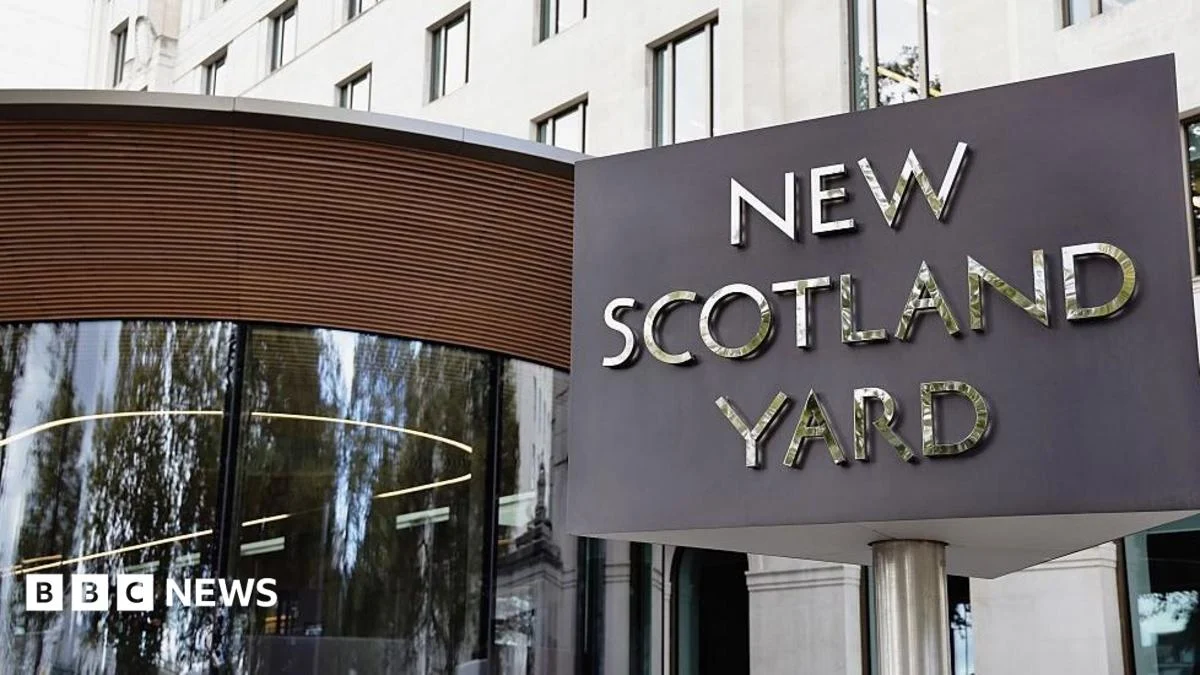
A significant legal milestone has been reached in the United Kingdom as a Rwandan man, residing in north London, has become the first individual to be formally charged with offences directly linked to the horrific 1994 Rwanda genocide. The Crown Prosecution Service (CPS) confirmed the charges against Dr Vincent Brown, formerly known as Dr Vincent Bajinya, aged 65, detailing one offence of conduct ancillary to genocide and six further offences of conduct ancillary to murder as a crime against humanity. This development marks a crucial step in the UK’s commitment to prosecuting those suspected of involvement in some of the most egregious international crimes.
The allegations against Dr Brown are substantial and, if proven, paint a grim picture of his alleged role in the systematic extermination that engulfed Rwanda. Frank Ferguson, the head of the CPS’s Special Crime and Counter Terrorism Division, articulated the gravity of the accusations, stating that Brown "is alleged to have directed and incited acts of murder and genocide carried out by others." This suggests a position of influence and active participation in orchestrating the violence, rather than mere passive presence. Dr Brown is scheduled to appear at Westminster Magistrates’ Court on Tuesday, where the legal proceedings will formally commence.
The decision to bring these charges was not taken lightly, according to Ferguson. It followed a meticulous review of an extensive file of evidence meticulously compiled by the War Crimes Team at the Metropolitan Police. "We concluded that our legal test for bringing criminal charges had been met," Ferguson emphasized, underscoring the rigorous evidentiary threshold that must be satisfied before such serious charges can be laid. This process highlights the diligent efforts of law enforcement and prosecution services to ensure justice for victims of mass atrocities.
The genesis of this investigation can be traced back to September 2019, when the Metropolitan Police’s War Crimes Team initiated its inquiry. This was prompted by a formal request from the Rwandan government, seeking the investigation of individuals allegedly implicated in the genocide that ravaged the Rugenge district of Kigali in April 1994. The Rwandan government’s plea underscored the enduring pain and the pursuit of accountability for the victims and their families, even decades after the events.
The 1994 Rwanda genocide remains one of the most devastating events of the late 20th century. Over a brutal 100-day period, an estimated 800,000 people, predominantly ethnic Tutsis and moderate Hutus who opposed the extremist ideology, were systematically murdered. The perpetrators, largely Hutu extremists, were driven by a virulent ideology that demonized the Tutsi minority and any perceived political opposition. The genocide was characterized by its shocking speed and the brutal efficiency with which ordinary citizens were mobilized to participate in mass killings, often using machetes and other rudimentary weapons. The scale of the violence was staggering, and the international community’s failure to intervene effectively remains a deeply scarring chapter in global history.
The targets of the genocide were primarily members of the minority Tutsi community, along with any Hutus who were seen as sympathetic to them or who opposed the extremist Hutu Power agenda. The killings were not confined to specific areas; they permeated every level of Rwandan society, tearing apart families and communities. The chilling effectiveness of the perpetrators lay in their ability to exploit existing ethnic divisions and to dehumanize the targeted population, making them appear as less than human and therefore deserving of extermination.
It is also crucial to acknowledge the complex aftermath of the genocide. Following the withdrawal of the extremist government and the military forces that had orchestrated the killings, the mainly Tutsi-led Rwandan Patriotic Front (RPF) took power. While hailed by many as liberators who brought an end to the genocide, these forces were subsequently alleged to have been responsible for the deaths of thousands of Hutu people in Rwanda in retaliatory actions. This period of post-genocide violence further complicated the quest for justice and reconciliation in Rwanda, and investigations into such alleged crimes continue to be a sensitive and challenging aspect of the country’s healing process.
The charges against Dr Brown are the culmination of a protracted and arduous investigation by the Metropolitan Police. Commander Helen Flanagan, head of Counter Terrorism Policing London, highlighted the significant commitment involved, stating that the charges follow "a complex and extensive seven-year investigation." This demonstrates the immense resources, dedication, and expertise required to unravel such deeply entrenched allegations of international crimes. The meticulous gathering of evidence, including witness testimonies, documentary records, and forensic analysis, would have been critical to building a prosecutable case.
Commander Flanagan also issued a strong message regarding the UK’s stance on international criminality: "This case demonstrates the UK is not a safe haven for individuals suspected of committing international crimes." This assertion serves as a powerful deterrent to individuals who may have sought refuge in the UK to escape accountability for atrocities committed elsewhere. The UK, through its robust legal framework and dedicated investigative units, is signaling its unwavering commitment to upholding international justice and ensuring that perpetrators of such heinous crimes cannot evade consequences.
The War Crimes Teams within the Metropolitan Police are central to this effort. Commander Flanagan reaffirmed their ongoing mission: "The War Crimes Teams remain committed to ensuring those suspected of involvement in genocide and other atrocity crimes are held accountable through due legal process." This highlights the specialized nature of the work undertaken by these teams, which possess the unique skills and knowledge required to investigate complex international crimes, often spanning multiple jurisdictions and involving historical evidence. Their work is not only about prosecution but also about providing a measure of justice and closure for the victims and their families.
Furthermore, the ongoing nature of investigations within the UK suggests that Dr Brown’s case may not be an isolated incident. Commander Flanagan revealed, "A number of other investigations remain ongoing into other individuals in the UK for similar offences related to the genocide in Rwanda." This indicates that the UK is actively pursuing other potential suspects, suggesting a broader commitment to tackling impunity for genocide. These ongoing investigations underscore the persistent threat posed by individuals who may have participated in or facilitated mass atrocities, and the determination of British authorities to address these threats.
The legal definition of "conduct ancillary to genocide" and "conduct ancillary to murder as a crime against humanity" are crucial to understanding the nature of the charges. Conduct ancillary to genocide refers to actions taken to assist, support, or facilitate the commission of genocide, even if the individual did not directly perpetrate the killings. This can include planning, organizing, procuring weapons, providing logistical support, or inciting others to commit genocide. Similarly, conduct ancillary to murder as a crime against humanity involves actions that aid, abet, or encourage murder that is part of a widespread or systematic attack against a civilian population. These charges are designed to hold accountable those who played a significant, albeit perhaps not direct, role in the commission of these atrocities.
The seven-year investigation by the Metropolitan Police would have involved extensive international cooperation. Obtaining evidence from Rwanda and potentially other countries where witnesses or documentation might exist would have been a significant undertaking. The challenges of investigating events that occurred nearly three decades ago are immense, including the passage of time, the potential loss of witnesses, and the difficulty in accessing reliable evidence. The success of the War Crimes Team in building a case against Dr Brown speaks volumes about their perseverance and investigative acumen.
The inclusion of "crime against humanity" in the charges is also significant. Crimes against humanity are defined as widespread or systematic attacks directed against any civilian population. These acts, when committed as part of such an attack, include murder, extermination, enslavement, deportation, imprisonment, torture, rape, persecution, and other inhumane acts. The 1994 Rwanda genocide clearly falls within this definition, making the charges against Dr Brown particularly grave.
The legal process that lies ahead for Dr Brown will be closely watched, both within the UK and internationally. The prosecution will need to present compelling evidence to prove beyond a reasonable doubt that Dr Brown committed the alleged offences. This will involve presenting witness testimonies, documentary evidence, and potentially expert opinions to establish his role in the events of 1994. The defence, conversely, will seek to challenge the prosecution’s evidence and present its own case.
The implications of this charging extend beyond the individual case. It reinforces the principle of universal jurisdiction, whereby certain international crimes can be prosecuted by any state, regardless of where the crime was committed or the nationality of the perpetrator or victim. The UK’s action in prosecuting Dr Brown aligns with its commitment to international justice and its role in holding perpetrators of war crimes accountable.
As the legal proceedings unfold, the case of Dr Vincent Brown will serve as a stark reminder of the enduring legacy of the 1994 Rwanda genocide and the importance of continued efforts to ensure that those responsible are brought to justice, no matter how much time has passed or where they may reside. The Metropolitan Police’s War Crimes Team and the Crown Prosecution Service have initiated a process that could have profound implications for victims, perpetrators, and the international legal framework for prosecuting atrocity crimes. The hope is that this case, and others that may follow, will contribute to a world where such horrific events are met with unwavering accountability.
