
 By admin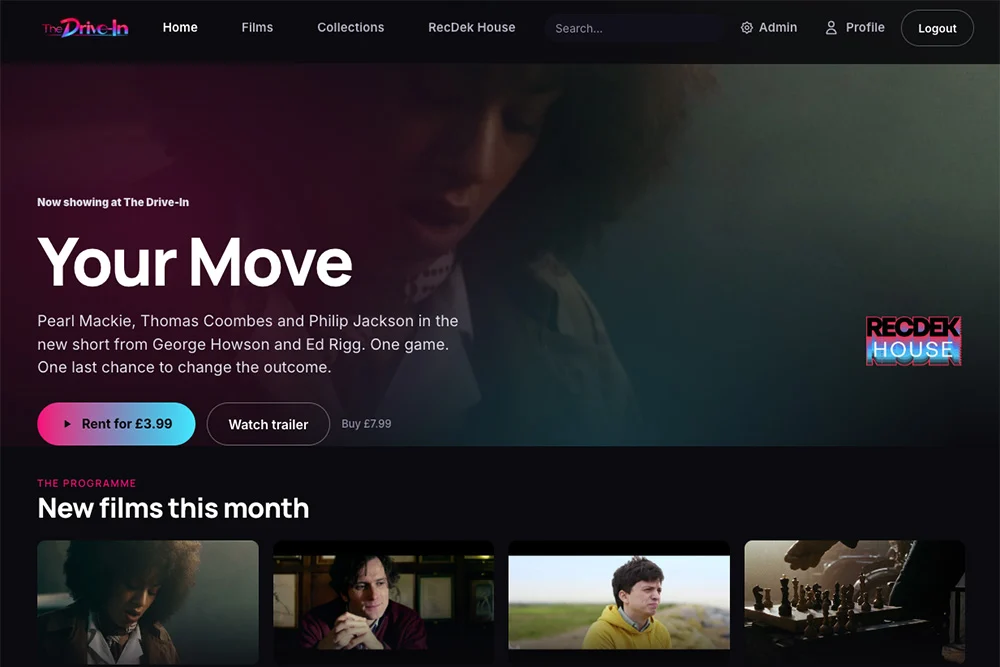
A groundbreaking new streaming platform, aptly named The Drive-In, is set to revolutionize the independent film landscape by offering filmmakers unprecedented control over their work and direct access to their audiences. This innovative Transactional Video on Demand (TVOD) service will operate as an integral part of the popular independent film and TV discovery app, RecDek, and is slated for a high-profile October launch, coinciding with the prestigious London Film Festival. The platform is being introduced with a curated founding cohort of independent filmmakers, signaling a commitment to showcasing established and emerging talent within the indie sphere.
The core philosophy behind The Drive-In is a radical departure from traditional distribution models. Instead of relinquishing ownership or having their content re-uploaded and potentially siloed on a platform, filmmakers will stream directly from their own libraries within RecDek. This direct-to-creator model is explicitly designed to ensure that "nothing is handed over, re-uploaded or locked away," as stated by the platform’s creators. This empowers producers with a level of autonomy rarely seen in the film industry. They will have the ability to set their own pricing for their films, a crucial element in a market where perceived value can vary significantly. Furthermore, filmmakers will retain all revenue from their first sale, a significant financial incentive that directly rewards their creative and entrepreneurial efforts.
Beyond financial control, The Drive-In offers filmmakers invaluable real-time audience data. This transparency is a game-changer, allowing creators to understand who is watching their films, where they are located, and potentially how they are engaging with the content. This data can inform future creative decisions, marketing strategies, and even future distribution deals. Crucially, filmmakers will retain full ownership of their Intellectual Property (IP), ensuring that their creative vision and future exploitation rights remain firmly in their hands. The platform also includes a built-in flexibility that allows filmmakers to instantly remove specific territories from The Drive-In if they secure a traditional distribution deal for that region, providing a safety net and avoiding potential conflicts.
RecDek’s journey to launching The Drive-In is rooted in its evolution from a simple discovery app to a thriving community hub. Initially, RecDek functioned as an independent entertainment discovery platform where film and TV recommendations were sourced from a diverse network of friends, family, critics, and film festivals. This organic growth fostered a genuine interest in diverse cinematic voices. Through its "RecDek House" initiative, the platform has burgeoned into a vibrant community of over 17,000 individuals, encompassing directors, producers, talent, financiers, and distributors. This robust network provides a fertile ground for collaboration and mutual support within the independent film ecosystem. The Drive-In is positioned as the logical extension of this community, designed to "turn a festival-season relationship with the industry into a year-round collaboration." This implies a shift from cyclical industry engagement to a continuous, supportive environment for independent filmmakers.
The technological backbone for The Drive-In is provided through a strategic partnership with Hiway, a company specializing in direct-to-fan economy infrastructure. This collaboration is key to the platform’s stated mission of favoring producers and filmmakers. Hiway’s technology is designed to offer a "simple platform to monetize work that may otherwise never see the light of day," addressing a persistent challenge for independent films that often struggle to find distribution channels. This partnership underscores a commitment to leveraging cutting-edge technology to democratize access and revenue streams for independent creators.
Ed Rigg, the writer, director, and founder of RecDek, articulates a passionate vision for The Drive-In. He emphasizes the platform’s role in championing "the voices studios drown out," a sentiment that resonates deeply within the independent film community. Rigg highlights the long-standing ambiguity surrounding film distribution for independent creators: "for too long it had been unclear exactly how filmmakers get their movies distributed." He acknowledges the traditional routes of pitching, screening, and hustling, stating, "Sure you can pitch, screen your work, hustle and so you should. Go after wherever you think your movie will be looked after best." However, he positions The Drive-In as an alternative for filmmakers who are ready to "take their film’s future into their own hands" and actively monetize their work. Rigg’s vision is clear: "Filmmakers keep everything that should be theirs and our community on the app, and in the wider industry, get a place to watch the shows we have been shouting about." This encapsulates the dual benefit of the platform: empowering creators financially and creatively, while simultaneously providing a curated space for discerning audiences and industry professionals to discover compelling independent content.
David Orman, founder and CEO of Hiway, echoes Rigg’s enthusiasm, recognizing RecDek’s achievement in building "one of the most connected communities" in independent film. Orman identifies a critical missing piece that The Drive-In aims to fill: "The missing piece was a screen of their own." He elaborates on the platform’s transformative potential: "The Drive-In gives them that, on terms the industry rarely offers: every filmmaker keeps their IP, their audience and the majority of their revenue." Orman further clarifies the operational structure: "RecDek owns the brand and the relationship, we provide the rails. The tools now exist for RecDek to run their own show." This breakdown highlights a symbiotic relationship where RecDek spearheads the community and content curation, while Hiway provides the robust technological infrastructure to support these ambitions. This division of labor allows RecDek to focus on its core strengths in community building and filmmaker advocacy, while Hiway ensures a seamless and powerful technological experience.
The launch of The Drive-In is not merely a technological rollout; it represents a significant shift in the power dynamics of film distribution. For decades, independent filmmakers have navigated a complex and often opaque industry, facing gatekeepers and gatekeeping practices that have historically favored established studios and distributors. The rise of streaming services has offered new avenues, but often at the cost of creative control, ownership, and a significant portion of revenue. The Drive-In aims to dismantle these barriers by putting the power directly back into the hands of the creators.
The platform’s emphasis on direct-to-fan engagement is particularly noteworthy. In an era where audience connection is paramount, The Drive-In facilitates a more intimate and transparent relationship between filmmakers and their viewers. This can lead to a more engaged and loyal fanbase, which in turn can translate into sustained revenue and support for future projects. The real-time data provided to filmmakers can also be used to nurture these relationships, allowing them to tailor their content and communication strategies to their specific audience.
The timing of the launch during the London Film Festival is a strategic move designed to capitalize on the heightened industry attention and the presence of a global community of filmmakers and film enthusiasts. This provides an immediate platform for visibility and engagement. The selection of a founding cohort of filmmakers will also serve as a powerful endorsement of The Drive-In’s value proposition, showcasing a diverse range of talent and genres that will appeal to a broad audience.
The implications of The Drive-In extend beyond individual filmmakers. It has the potential to foster a more sustainable and equitable independent film ecosystem. By providing filmmakers with the tools and opportunities to monetize their work effectively, the platform can encourage more ambitious and innovative storytelling. It can also attract new talent and investment into the independent sector, leading to a richer and more diverse cinematic landscape for audiences worldwide.
The process for filmmakers to get involved is straightforward, with RecDek currently accepting submissions via RecDekHouse.com. This accessibility further reinforces the platform’s commitment to democratizing film distribution. The formal launch on October 17th marks the culmination of months of development and strategic planning, signaling a new era for independent cinema.
In conclusion, The Drive-In represents a bold and necessary evolution in film distribution. By prioritizing filmmaker autonomy, financial control, direct audience engagement, and IP retention, it offers a compelling alternative to traditional models. The partnership with RecDek’s vibrant community and Hiway’s robust technology creates a powerful synergy, poised to empower independent filmmakers and bring a wealth of untapped cinematic voices to the forefront. This initiative is not just about a new streaming platform; it’s about a fundamental recalibration of how independent films are made, distributed, and consumed, with the creator firmly at the center. The future of independent cinema looks brighter and more equitable with the arrival of The Drive-In.
