
 By admin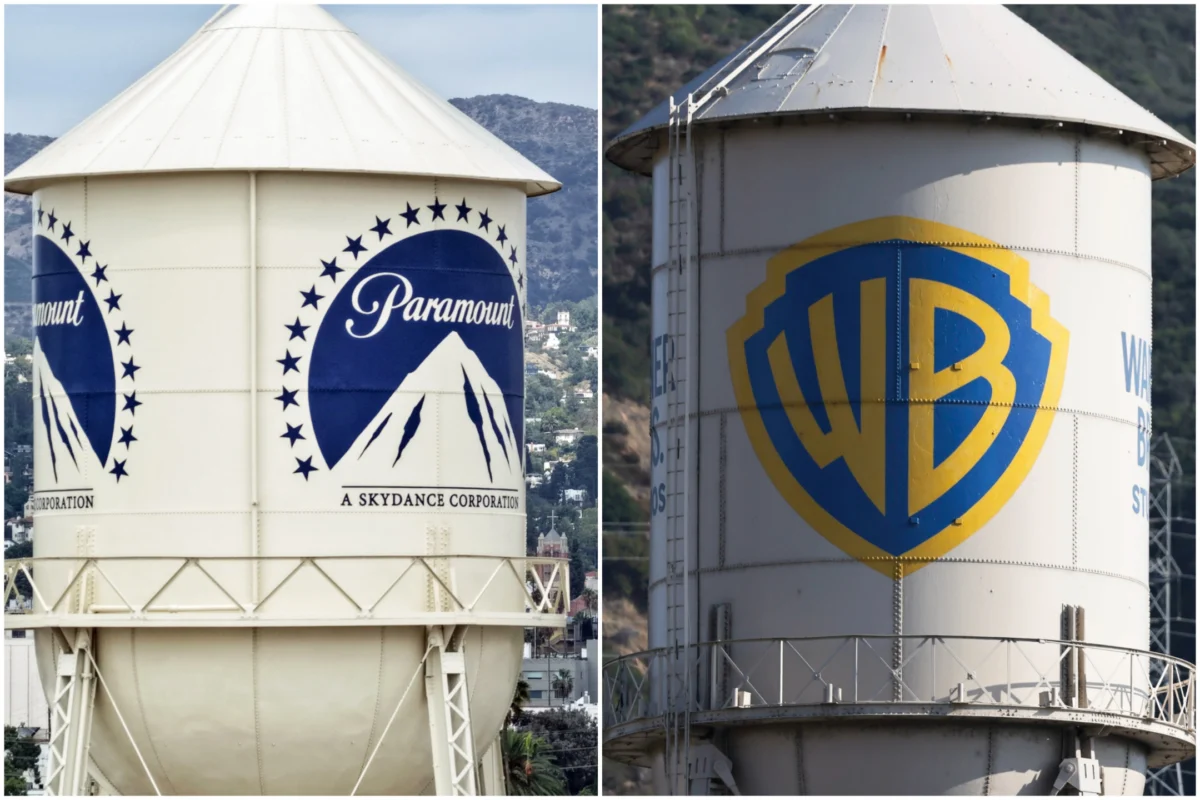
In a move that could fundamentally reshape the media landscape, Paramount Global and Skydance are progressing towards a colossal $111 billion merger with Warner Bros. Discovery (WBD), a deal that, while not yet definitively sealed, is seeing significant preparatory steps taken by Paramount. This ambitious consolidation, poised to create an entertainment behemoth, is characterized by intricate financial maneuvers and strategic adjustments designed to facilitate the integration of these storied media entities. The sheer scale of this transaction underscores the accelerating pace of consolidation within the industry, driven by evolving consumer habits, the relentless demand for streaming content, and the imperative to achieve economies of scale in a fiercely competitive global market. Industry analysts are closely observing these developments, anticipating profound impacts on content creation, distribution strategies, and the overall competitive dynamics across film, television, and digital platforms.
Paramount’s board of directors, in a decisive action taken on September 25th, resolved to voluntarily withdraw the listing of its Class B common stock from the Nasdaq Global Select Market, a transition that will see the stock trade under the ticker symbol "PSKY." This strategic relocation to the New York Stock Exchange (NYSE) is a significant logistical step, indicative of the company’s forward momentum in preparing for the merger’s culmination. The delisting from Nasdaq is anticipated to be effective at the market close on or about October 5th, with trading commencing on the NYSE at market open on or about October 6th. This shift to a different exchange, while seemingly procedural, often carries symbolic weight, suggesting a new chapter for the company and potentially signaling increased investor confidence or a desire for a different market environment. The NYSE, with its long-standing reputation and robust trading infrastructure, provides a prominent platform for companies of Paramount’s stature.
Further underscoring the impending integration, the Paramount board also established October 5th as the record date for a previously announced distribution of warrants. These warrants will offer holders the option to purchase shares of Class B common stock on the NYSE, with these newly issued shares slated to begin trading on October 13th. This warrant distribution is a complex financial instrument designed to reward existing shareholders and align their interests with the new corporate structure. The mechanics of warrant issuance are critical; they represent a future right to acquire stock at a predetermined price, often serving as an incentive for investors to remain with the company through periods of transition and to participate in its future growth.
However, the distribution of these warrants is explicitly contingent upon the successful closing of the acquisition of Warner Bros. Discovery. Paramount has candidly acknowledged in its SEC filing that the WBD merger remains "subject to further closing conditions, and the ultimate timing for the closing of the WBD Merger, if any, is not yet certain." This caveat highlights the inherent complexities and potential hurdles that can arise in mega-mergers, even when significant progress has been made. The presence of "further closing conditions" implies that regulatory approvals, shareholder consents, or other contractual obligations still need to be satisfied. Consequently, Paramount reserves the right to "cancel the Record Date and/or the Issue Date or postpone the Record Date and/or the Issue Date to a later date," a measure that reflects the fluid nature of such large-scale transactions and the need for flexibility in their execution.
In parallel with Paramount’s preparations, Warner Bros. Discovery has also announced a significant move related to the pending merger: the voluntary delisting of its "Euro Notes" debt securities from Nasdaq. Specifically, the 4.302% senior notes due 2030 and the 4.693% senior notes due 2033 will be delisted. WBD expects to file the necessary notification with the SEC on or around October 6th. This action by WBD is a clear indicator that the company is aligning its financial infrastructure in anticipation of the merger. Delisting debt securities can simplify financial reporting and management post-merger, consolidating debt structures under a single entity. It also suggests a streamlining of operations and a focus on the integrated company’s future financial strategy.
A critical development that has significantly advanced the merger’s trajectory was the recent settlement reached by Paramount with 12 Democratic state attorneys general. This agreement effectively clears a major antitrust hurdle that had threatened to derail the deal. The states had filed an antitrust lawsuit seeking to block the merger, citing potential harms to competition. The proposed settlement, which is still under judicial review, reportedly does not require major concessions from Paramount, a testament to the company’s negotiation prowess. The judge presiding over the case is meticulously examining the settlement and has requested responses by Monday, September 28th, regarding Senator Cory Booker’s (D-N.J.) plea for an independent review of the proposed consent decree. This judicial oversight is a standard procedure to ensure that such settlements adequately protect public interest and do not stifle fair competition. The outcome of this review will be a pivotal moment for the finalization of the merger.
Adding another layer of financial complexity, Paramount is set to begin accruing a "ticking fee" of $7 million per day, payable to Warner Bros. Discovery shareholders, starting October 1st, until the merger officially closes. This provision is a common feature in large acquisition agreements, designed to compensate the seller’s shareholders for the delay in realizing the merger’s value. It acts as a financial incentive for both parties to expedite the closing process and reflects the economic reality that time is a valuable commodity in these high-stakes transactions. The substantial daily fee underscores the significant financial implications of any further delays and the immense value at stake.
The warrants to be issued by Paramount to its Class B common stock shareholders are designed to offer eligible holders the opportunity to purchase shares of Class B common stock in a new, combined entity. Crucially, these opportunities are intended to be on "similar terms" to those extended to the equity syndicate backing the Warner Bros. Discovery deal. This syndicate includes prominent figures and investment firms such as David Ellison, his father Larry Ellison, and Gerry Cardinale, the head of RedBird Capital Partners. This linkage is significant, as it suggests an effort to provide a comparable value proposition to public shareholders as is being offered to key private investors. The inclusion of these prominent names in the financing structure highlights the significant capital commitment and strategic backing behind the merger.
Paramount anticipates issuing approximately 470 million warrants on October 5th. For shares of Class B common stock held within the Paramount Global 401(k) Plan and the Paramount Global Master Trust, a different mechanism will be employed. Instead of receiving warrants, these employee and trust-held shares will directly receive shares of Class B common stock. This distinction in treatment for retirement and trust accounts likely stems from regulatory considerations and the specific nature of how these holdings are managed, ensuring that the distribution aligns with fiduciary responsibilities and investment mandates.
The terms of the warrants themselves are intricate and designed to reflect market conditions at the time of the merger’s close. If issued, each warrant will grant the holder the right to purchase one share of Class B common stock. The initial exercise price per share will be determined by averaging the daily volume-weighted average price (VWAP) of the Class B common stock over a 20-trading-day period, ending three business days prior to the merger’s closing. This VWAP mechanism is a sophisticated pricing strategy that aims to establish a fair exercise price based on actual market trading activity, mitigating the risk of the warrants being significantly out-of-the-money or in-the-money at the time of issuance. Furthermore, the purchase price for these warrants will be capped at a maximum of $16.02 per share and a minimum of $12.00 per share. This price collar provides a degree of certainty for both the warrant holders and the issuing entity, establishing a range within which the exercise price will ultimately fall, influenced by the market performance of Paramount’s Class B stock leading up to the merger.
The consolidation of Paramount Global and Skydance with Warner Bros. Discovery represents a watershed moment in the entertainment industry. The sheer financial magnitude of the $111 billion agreement, coupled with the intricate corporate and financial restructuring underway, signals a bold strategy to navigate the disruptive forces of the digital age. The merger aims to create a powerhouse capable of competing with entrenched giants like Disney and Netflix, leveraging combined content libraries, intellectual property, and distribution channels. The strategic relocation of Paramount’s stock listing to the NYSE and WBD’s delisting of certain debt securities are tangible manifestations of the integration process. The settlement with state attorneys general has removed a significant regulatory impediment, while the "ticking fee" underscores the urgency to finalize the deal. The warrant distribution mechanism, designed to align shareholder interests, further illustrates the meticulous planning involved. As the deal inches closer to completion, the media and entertainment world watches with anticipation, poised for the emergence of a new, formidable player that promises to redefine the future of storytelling and audience engagement. The success of this monumental merger will hinge on its ability to harmonize disparate corporate cultures, optimize operational synergies, and ultimately deliver compelling content that resonates with a global audience in an ever-evolving media ecosystem.
