
 By admin
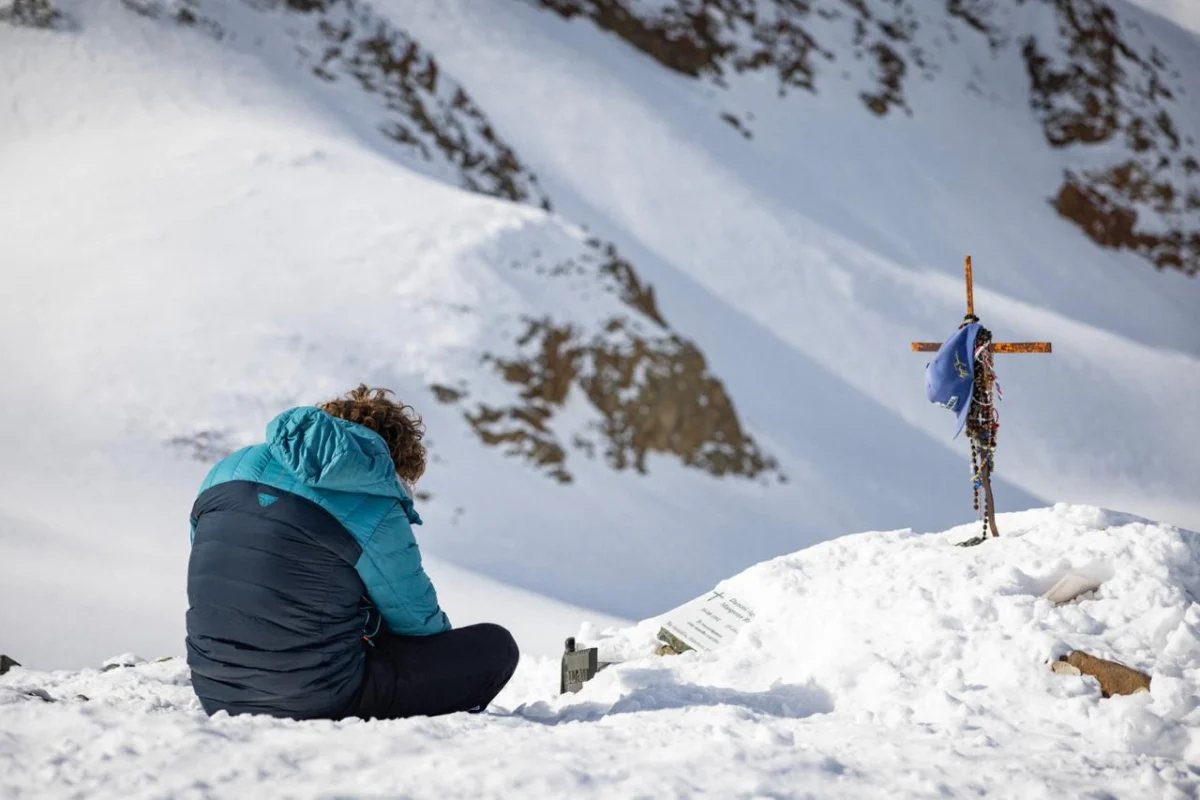
The San Sebastián International Film Festival, a renowned stage for cinematic excellence, played host to the world premiere of the compelling Netflix documentary series, "Beyond Society" (original "Más Allá de la Sociedad"), on September 23rd. This profound three-part docuseries, a collaborative vision born from the creative minds of acclaimed director Juan Antonio Bayona, celebrated for his impactful works like "Society of the Snow," "The Impossible," and "A Monster Calls," and seasoned documentarian Carlos Torres, known for "Pajares & CIA" and "Crims," delves into the complex aftermath of the harrowing 1972 Andes flight disaster. The series artfully picks up where Bayona’s critically lauded film, "Society of the Snow," concludes, venturing beyond the immediate rescue to explore the enduring human stories and societal shifts that unfolded in the decades that followed.
The genesis of "Beyond Society" lies in the extensive research and creative process undertaken for "Society of the Snow." As Carlos Torres explained during a press conference preceding the premiere in San Sebastián, "Through the creative process and all the research required for ‘Society of the Snow,’ Juan Antonio had come across many stories and felt that something was still beating, which was the story of what happened after the rescue. So what was clear to us was that our story begins where the others always end: with the rescue of the survivors. Another point is how cinema can end up changing memory and how fiction can impact reality." This fundamental insight into the enduring power of narrative and its capacity to shape collective memory serves as the thematic bedrock of the docuseries.
Juan Antonio Bayona’s 2023 feature film, "Society of the Snow," brought the astonishing true story of Uruguayan Air Force Flight 571 to a global audience. The film meticulously recounts the devastating crash in the Andes Mountains in 1972, a tragedy where only 16 out of 45 souls on board survived a grueling 72-day ordeal. Their survival, as widely reported, was predicated on the desperate act of resorting to cannibalism, a stark testament to the extreme measures taken in the face of unimaginable adversity. The film’s powerful depiction resonated deeply, becoming the most-watched film on streaming platforms across Europe, underscoring the enduring human fascination with stories of survival against all odds.
However, "Beyond Society" shifts its focus from the dramatic survival in the immediate aftermath of the crash to the long and often arduous journey of returning home and reintegrating into a society forever altered by the event. The documentary spans over five decades, centering its narrative in Carrasco, Uruguay, the hometown of many of the passengers. It intricately portrays the delicate and often fraught co-existence between the families of those who perished and those who miraculously returned. This prolonged period of adjustment and reconciliation forms the core of the docuseries’ exploration.
Bayona articulated the series’ profound intention: "Our intention with the series was to go up to the mountain and leave it buried there. We wanted to close a very long but very beautiful journey. Beyond the film, which ended the moment they were rescued, there was another kind of survival, which was returning home and surviving, on the part of the survivors, and surviving the loss of a loved one. And something I’m very interested in, which is reflected in the documentary, is when reality is mixed with fiction, how all that pain and suffering can become stories we tell ourselves." This sentiment highlights the docuseries’ commitment to understanding the psychological and emotional dimensions of grief and resilience, and how the act of storytelling itself can serve as a therapeutic process.
The documentary achieves its depth by drawing on a rich tapestry of voices. It features intimate interviews with some of the surviving passengers, offering firsthand accounts of their experiences and the challenges they faced upon their return. Crucially, it also includes perspectives from the relatives of those who did not survive, providing a vital counterpoint and illustrating the multifaceted nature of loss. Furthermore, the series incorporates insights from the journalists who covered the unfolding tragedy, shedding light on the media’s role in shaping public perception and the intense scrutiny under which the survivors found themselves. Through these interwoven narratives, "Beyond Society" vividly illustrates the profound emotional toll the tragedy inflicted upon the tight-knit community of Carrasco.
The accident created a palpable rift within the town, a division that often manifested between the families of the living survivors and the families of the deceased. The docuseries meticulously examines how the ability to articulate one’s own version of events can profoundly alter an individual’s perception and processing of trauma. For some families, the return of their loved ones was a moment of profound relief and celebration, a joyous reunion with those they had presumed lost forever. Conversely, for others, the media frenzy that surrounded the survivors and the very act of their return served as a constant, painful reminder of their own irreplaceable losses, amplifying their grief and sense of isolation.
Carlos Torres emphasized the delicate balance required in approaching such a sensitive subject: "We can’t shy away from difficult stories. We had to understand that we were telling the story of 45 families. You can’t always please everyone, but we had to find the essence of each of their pain, their way of life, and understand that nobody survived everything and nobody died from it, and 54 years later we’re still talking about it." This statement underscores the ethical considerations inherent in documentary filmmaking, particularly when dealing with deeply personal and traumatic experiences. The series aims not to judge, but to understand and humanize the diverse responses to a shared catastrophe.
Bayona further elaborated on the empathetic approach taken: "Listening to and understanding the person in front of you, trying to understand why they behaved as they did. Grief is very personal, very subjective. We had to understand how each person manages pain, since pain is also very subjective. An event can cause great pain to one person while another copes with it much better. All forms of grief are valid, and the beautiful thing about this story is that in the end there was finally a reunification between the two sides. For me especially, as a film director, I liked that it was brought about by fiction, little by little, as I said, through the passing of the years, the generational change, finding a voice for everyone who was there. That finally allowed people who hadn’t talked about the tragedy in 50 years to be able to understand each other, to put themselves in the other’s shoes, and finally come together, like what we experienced when we screened the film in Montevideo." This perspective highlights the transformative power of art and storytelling in bridging divides and fostering reconciliation. The gradual influence of fiction, as seen in the widespread impact of "Society of the Snow," provided a common ground and a shared language for processing the tragedy, enabling dialogue and understanding between previously estranged parties.
Torres also reflected on the retrospective nature of examining such events: "I think that looking at the past is a shock, it’s like a mirror, confronting yourself with who you are, with what you have become. I’m often asked, what if this tragedy had happened in the age of social media? I think human beings are the same with or without social media. It was 1972 and it was a huge story. I don’t think we make documentaries to give lessons, but sometimes it’s about learning. I imagine you can always learn by looking at how things were handled, and not repeat those same mistakes." This contemplation on the impact of modern technology versus historical events raises pertinent questions about the universality of human responses to crisis and the enduring lessons that can be gleaned from past experiences, regardless of the prevailing communication tools.
Bayona concluded by reiterating the series’ overarching objective: "We tried to understand the point of view and behavior of everyone involved in this story over the last 50 years, and doing that was one of the driving forces for us to make this series, to be able to show how fiction has been making its way into this story, which is surely one of the first media tragedies in our society, since it was covered by the whole world. We told the story hoping that our work could give meaning to the tragedy." The series thus aims to provide a profound exploration of how a singular, catastrophic event can ripple through a community and a society for generations, and how the act of creating and consuming narratives can help to process, understand, and ultimately find meaning in even the most profound human suffering. It positions the Andes disaster as a watershed moment, one of the earliest instances of a global media spectacle that would shape societal understanding and individual experiences for decades to come.
"Beyond Society" is directed by Carlos Torres and produced by Juan Antonio Bayona, Belén Atienza (known for her work on "Society of the Snow" and "The Impossible"), and Sandra Hermida (also a producer on "Society of the Snow" and "Three Goodbyes"). The docuseries is set to be available for streaming on Netflix starting December 18th, offering audiences worldwide an opportunity to engage with this deeply human and resonant story of survival, grief, and the enduring power of connection. The release date signifies a culmination of a nearly two-year journey since the premiere of "Society of the Snow," allowing the narrative threads to weave together and offering a more complete picture of the human experience surrounding this extraordinary event.
