
 By admin
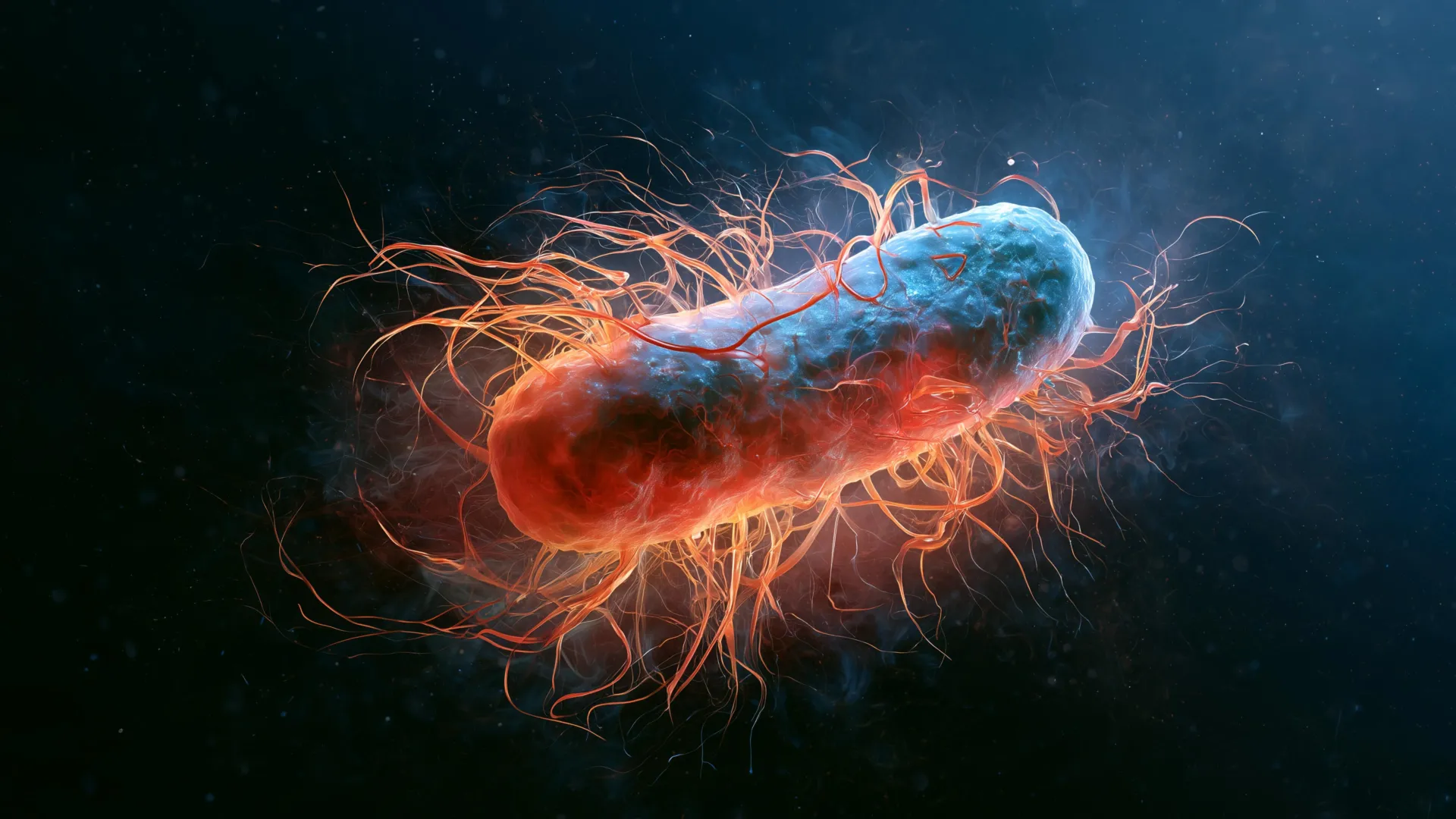
This groundbreaking discovery, published in the esteemed journal Free Radical Biology and Medicine, represents a significant stride in the ongoing quest for effective anti-aging interventions. The team not only identified a novel microbial strategy for promoting longevity but also pinpointed the core mechanism behind this remarkable effect: the suppression of ferroptosis, a distinct form of cell death increasingly recognized for its role in the aging process and various chronic diseases. The implications of these findings extend beyond the laboratory, offering a fresh perspective on geriatric medicine and the untapped potential of microbial therapeutics.
The Global Challenge of Aging and the Quest for Longevity
Aging is a universal biological process characterized by a progressive decline in physiological function, an increased susceptibility to disease, and ultimately, death. As global life expectancy continues to rise, the demographic shift towards an older population presents unprecedented challenges to healthcare systems, economies, and societies worldwide. Age-related chronic diseases, including neurodegenerative disorders, cardiovascular diseases, metabolic syndromes, and various cancers, place immense burdens on individuals and public resources.
For decades, researchers have explored myriad strategies to combat aging, ranging from pharmacological interventions to genetic manipulations. Drugs like metformin and rapamycin, initially developed for other conditions, have shown promise in extending lifespan in model organisms by targeting fundamental aging pathways. Senolytics, a newer class of compounds, aim to selectively remove senescent cells—cells that stop dividing but remain metabolically active and secrete pro-inflammatory factors—thereby reducing age-related pathologies. Genetic approaches, involving the manipulation of genes associated with longevity (such as those involved in insulin/IGF-1 signaling or TOR pathways), have also yielded fascinating insights in laboratory settings. However, all these approaches face considerable hurdles regarding safety, potential side effects, and the complexity of translating findings from model organisms to humans for widespread clinical application. The search for safe, effective, and accessible anti-aging strategies remains a top priority for biomedical research.
Unveiling Magnetotactic Bacteria: A Biological Marvel with Therapeutic Potential
Against this backdrop, the research led by Prof. An Xu introduces a profoundly different and innovative approach: harnessing the power of magnetotactic bacteria (MTB). These extraordinary microorganisms are a diverse group of prokaryotes characterized by their unique ability to synthesize intracellular, membrane-enclosed organelles called magnetosomes. These magnetosomes contain biomineralized crystals, typically magnetite (Fe3O4) or greigite (Fe3S4), which grant the bacteria a magnetic dipole moment. This internal compass allows MTBs to orient themselves and navigate along geomagnetic field lines, a phenomenon known as magnetotaxis. This ability is thought to help them find optimal microaerobic conditions in their aquatic environments.
Beyond their fascinating ecological role, MTBs have increasingly garnered attention in the biomedical field due to their inherent magnetic properties and excellent biocompatibility. Researchers have explored their potential in various applications:
- Targeted Drug Delivery: Magnetic guidance can be used to steer drug-loaded MTBs or magnetosomes to specific disease sites, such as tumors, minimizing systemic side effects.
- Cancer Therapy: Magnetosomes can be heated using external alternating magnetic fields (magnetic hyperthermia) to selectively destroy cancer cells. They can also serve as contrast agents for magnetic resonance imaging (MRI), enhancing diagnostic capabilities.
- Bioremediation: Their ability to sequester heavy metals makes them candidates for environmental cleanup.
Despite this burgeoning interest, the potential influence of MTBs on the aging process has remained largely unexplored. This gap in knowledge made Prof. Xu’s team’s investigation into AMB-1’s anti-aging properties particularly pioneering. Magnetospirillum magneticum AMB-1 is a well-characterized strain of MTB, frequently used as a model organism in magnetosome research due to its robust growth and ease of genetic manipulation. Its application in longevity studies therefore builds upon a solid foundation of understanding its basic biology.
C. elegans: A Powerful Model for Aging Research
To investigate the question of how MTBs might influence aging, the researchers turned to Caenorhabditis elegans (C. elegans), a microscopic nematode worm that has become an indispensable model organism in aging research. Its advantages are numerous and well-established:
- Short Lifespan: With an average lifespan of just 2-3 weeks, C. elegans allows for rapid and high-throughput studies on longevity.
- Genetic Tractability: Its fully sequenced genome, ease of genetic manipulation, and the availability of vast mutant libraries make it ideal for dissecting molecular pathways.
- Conserved Pathways: Despite its simplicity, many of the fundamental genetic and molecular pathways regulating aging in C. elegans are conserved in humans, making findings potentially translatable.
- Simple Anatomy: Composed of only 959 somatic cells, its transparent body allows for direct observation of internal processes and cellular changes associated with aging.
- Established Assays: Researchers have developed robust assays to measure various aspects of healthspan in C. elegans, including neurological function (e.g., locomotion, chemotaxis, pharyngeal pumping), intestinal integrity, stress resistance, and reproductive output.
The choice of C. elegans as a model organism thus provided a robust and efficient platform to rigorously test AMB-1’s effects on both lifespan and healthspan, laying the groundwork for more complex studies in the future.
The Remarkable Longevity and Healthspan Benefits
The results of the C. elegans experiments were striking. Worms treated with Magnetospirillum magneticum AMB-1 exhibited a substantial increase in their average lifespan, extended by an impressive 43.39%. To put this into perspective, if a typical C. elegans worm lives for 20 days, those treated with AMB-1 would live for nearly 29 days, a profound enhancement. This significant increase in lifespan alone marks AMB-1 as a potent anti-aging agent.
However, the study went beyond merely quantifying lifespan. Crucially, the researchers also observed that AMB-1 treatment helped preserve critical aspects of healthspan in older worms. This included the maintenance of neurological function, measured by parameters such as sustained locomotion and coordinated movement, which typically decline with age. Furthermore, intestinal integrity, a vital aspect of digestive health and overall resilience, was also better preserved in the treated worms. The gut microbiome’s role in health and aging is an area of intense research, and these findings suggest that AMB-1 may contribute to a more robust gut environment, which, in turn, supports systemic health. The implication is clear: AMB-1 doesn’t just make worms live longer; it enables them to live healthier for longer, reducing the period of age-related frailty and decline.
The Crucial Role of Magnetosomes
A pivotal aspect of the study involved dissecting which components of AMB-1 were responsible for these remarkable effects. The researchers specifically investigated the role of magnetosomes. They compared the effects of three different strains of AMB-1:
- Wild-type AMB-1: The standard strain, fully capable of producing magnetosomes.
- Reversibly Non-Magnetotactic (RNM-AMB-1): A strain that can lose and regain its ability to produce magnetosomes under specific conditions.
- Non-Magnetotactic (NM-AMB-1): A mutant strain genetically incapable of producing magnetosomes.
The results unequivocally demonstrated that the ability to produce magnetosomes was central to the longevity effect. Wild-type AMB-1 produced the strongest lifespan extension. RNM-AMB-1, with its compromised or conditional magnetosome production, showed a reduced but still present longevity effect. In stark contrast, the non-magnetotactic NM-AMB-1, which completely lacked magnetosomes, did not extend lifespan at all. This elegant experimental design strongly implicates the magnetosomes themselves, or the complex biomineralization processes involved in their formation, as the primary drivers of the anti-aging benefits.
While the exact molecular interactions between magnetosomes and the host C. elegans are still being unraveled, these findings open up fascinating avenues for speculation. Magnetosomes, being iron-oxide nanoparticles, could potentially interact with the host’s iron metabolism, acting as a sink for excess iron or modulating iron transport proteins. They might also possess unique antioxidant properties or trigger specific cellular signaling pathways within the host that promote resilience against age-related damage. This nuanced understanding moves the field beyond simply identifying an anti-aging agent to understanding how it works, which is crucial for future therapeutic development.
Unraveling the Mechanism: Suppression of Ferroptosis
Further experiments delved into the molecular mechanisms underlying AMB-1’s effects, leading to the identification of ferroptosis suppression as the main pathway. Ferroptosis is a recently characterized form of regulated cell death, distinct from apoptosis, necrosis, and autophagy, and is defined by its iron-dependent nature and the accumulation of lipid peroxides.
Key features of ferroptosis include:
- Iron Accumulation: Excess labile iron within cells acts as a catalyst for reactive oxygen species (ROS) production.
- Lipid Peroxidation: ROS, particularly hydroxyl radicals, attack polyunsaturated fatty acids in cell membranes, leading to lipid hydroperoxide formation, which damages membrane integrity.
- Glutathione Peroxidase 4 (GPX4) Inactivation: GPX4 is a critical enzyme that detoxifies lipid hydroperoxides. Its depletion or inactivation is a hallmark of ferroptosis.
Ferroptosis is increasingly recognized as a key player in various pathological conditions, including neurodegenerative diseases (such as Alzheimer’s and Parkinson’s), kidney injury, cardiovascular diseases, and even in both tumor suppression and promotion depending on the context. Its direct link to the aging process is a rapidly emerging area of research, with growing evidence suggesting that the dysregulation of iron homeostasis and lipid peroxidation contributes to cellular senescence and age-related decline.
The research team found that AMB-1 treatment significantly reduced iron buildup and lowered lipid peroxidation levels in the C. elegans worms. These changes directly counteract the core drivers of ferroptosis. By mitigating these pro-ferroptotic conditions, AMB-1 effectively suppressed aging-related ferroptosis, thereby protecting cells from this damaging form of death.
To further solidify this mechanistic link, genetic analysis was performed, revealing that several ferroptosis-related pathways and genes were involved in AMB-1-mediated lifespan regulation. Specifically, the genes ftn-1, bli-3, and ads-1 were implicated.
- ftn-1: This gene is a homolog of ferritin, a protein responsible for iron storage. Modulation of ftn-1 could influence the availability of free iron, thereby impacting ferroptosis susceptibility.
- bli-3: This gene is involved in oxidative stress response, potentially encoding a dual oxidase that generates ROS. Its modulation could reduce the oxidative burden that triggers lipid peroxidation.
- ads-1: This gene is involved in fatty acid desaturation, affecting the composition of membrane lipids and their susceptibility to peroxidation.
By influencing these key genetic players, AMB-1 orchestrates a sophisticated cellular response that dampens the ferroptotic cascade. This integrated view highlights that AMB-1, particularly through its magnetosomes, exerts its anti-aging effects by meticulously managing iron homeostasis and oxidative stress, culminating in the suppression of ferroptosis and a subsequent extension of healthy lifespan.
Broader Implications and Future Directions
The findings from Prof. An Xu’s team establish a novel paradigm for anti-aging intervention, moving beyond traditional pharmacological and genetic approaches to embrace a microbial strategy. The identification of a magnetotactic bacterium capable of extending healthy lifespan by targeting ferroptosis represents a significant leap forward in geriatric medicine.
Potential applications and future research directions include:
- Microbial Therapeutics: The study provides foundational evidence that could support the broader use of MTBs or their magnetosome components as novel probiotics or biotherapeutics for age-related conditions. Imagine a future where specific microbial strains are administered to help maintain cellular health and delay the onset of aging phenotypes.
- Targeting Ferroptosis: This research further validates ferroptosis as a crucial therapeutic target for anti-aging strategies and for combating various age-related diseases where it plays a role. Compounds that modulate ferroptosis, whether microbial-derived or synthetic, could become a new class of anti-aging drugs.
- Understanding Microbiome-Host Interactions: The study contributes to the burgeoning field of microbiome research, demonstrating how specific microbial species can exert profound systemic effects on host physiology and longevity, particularly through the intricate interplay with fundamental cellular processes like regulated cell death.
However, substantial work remains before these findings can be translated into human applications. The leap from C. elegans to humans is immense. Future research will need to address:
- Mammalian Models: Confirming these effects in higher organisms, such as mice, is an essential next step to validate translatability.
- Safety and Biocompatibility: Thorough safety assessments in complex mammalian immune systems are critical to ensure that AMB-1 or its components are not immunogenic or toxic in the long term.
- Precise Mechanism Elucidation: Pinpointing the exact molecular pathways and receptors through which magnetosomes interact with host cells to modulate iron metabolism and oxidative stress.
- Delivery and Formulation: Developing safe and effective methods for administering these bacteria or their active components to humans, potentially as a probiotic supplement or a targeted therapeutic.
- Personalized Medicine: Understanding individual variability in response and identifying biomarkers that predict efficacy.
As a hypothetical expert in aging biology might comment, "This study opens up a fascinating new frontier, showcasing the profound and unexpected power of microbial interventions in the fight against aging. While much work remains to bridge the gap from worms to humans, the potential to harness such innovative strategies for promoting healthy aging and mitigating age-related diseases is immense and incredibly exciting."
In conclusion, the pioneering work by Prof. An Xu and his team offers compelling evidence for a novel microbial strategy against aging. By identifying Magnetospirillum magneticum AMB-1 as a potent lifespan and healthspan extender in C. elegans, and by elucidating its mechanism through the suppression of ferroptosis, this research not only expands our understanding of the complex biology of aging but also paves the way for the development of innovative, biologically inspired interventions in geriatric medicine. The journey from a magnetic bacterium in a petri dish to a therapeutic agent in human health is long, but this discovery illuminates a promising new path forward.
